Big Buyer Power & Plastic Reduction Potential

Two stainless steel cylindrical containers hold a few dozen disposable forks, knives and drinking straws.

The goal of the administration’s plan is to reduce demand for plastics and encourage a market for reusable or compostable alternatives. Eric Baradat/Agence France-Presse — Getty Images

We celebrate when individuals, or groups, do things they were not required to do when those things are in the common interest. Some things require rules, and rules also require imagination and courage to be effective. This is welcome news at the intersection of entrepreneurial conservation and rules set by those in a position to make them work:

The White House Has a Plan to Slash Plastic Use in the U.S.

The government said it would phase out its purchases of single-use plastics, a significant step because it is the biggest buyer of consumer goods in the world.

Calling plastic pollution one of the world’s most pressing environmental problems, the Biden administration on Friday said that the federal government, the biggest buyer of consumer goods in the world, would phase out purchases of single-use plastics. Continue reading

PureCycle Technologies, Promising But Still Needing Verification

Recycled polypropylene pellets at a PureCycle Technologies plant in Ironton, Ohio. Maddie McGarvey for The New York Times

Big companies have not earned our trust, especially when it comes to plastics. So, our thanks to Hiroko Tabuchi for the tough questions in this New York Times article:

There’s an Explosion of Plastic Waste. Big Companies Say ‘We’ve Got This.’

By 2025, Nestle promises not to use any plastic in its products that isn’t recyclable. By that same year, L’Oreal says all of its packaging will be “refillable, reusable, recyclable or compostable.”

And by 2030, Procter & Gamble pledges that it will halve its use of virgin plastic resin made from petroleum.

To get there, these companies and others are promoting a new generation of recycling plants, called “advanced” or “chemical” recycling, that promise to recycle many more products than can be recycled today.

Crushed plastic waste at the PureCyle plant. Nestlé, Procter & Gamble and L’Oréal have expressed confidence in the company despite its early setbacks. Maddie McGarvey for The New York Times

So far, advanced recycling is struggling to deliver on its promise. Nevertheless, the new technology is being hailed by the plastics industry as a solution to an exploding global waste problem.

The traditional approach to recycling is to simply grind up and melt plastic waste. The new, advanced-recycling operators say they can break down the plastic much further, into more basic molecular building blocks, and transform it into new plastic.

PureCycle Technologies, a company that features prominently in Nestlé, L’Oréal, and Procter & Gamble’s plastics commitments, runs one such facility, a $500 million plant in Ironton, Ohio. Continue reading

Plastic’s Plentiful Problems

Emil Lippe for The New York Times

The waste has been our main objection to plastic water bottles. But there are other major questions.

We have reason to wonder (more on that another day) whether water in reusable glass bottles is an answer to this one:

Bottled Water Is Full of Plastic Particles. Can They Harm Your Health?

Here’s what scientists know so far about the health effects of nanoplastics, and what you can do to reduce your exposure.

A liter of bottled water contains nearly a quarter of a million pieces of nanoplastic on average, according to new research published this week in the Proceedings of the National Academy of Sciences. Continue reading

Plastic Waste Losing Another Place To Land

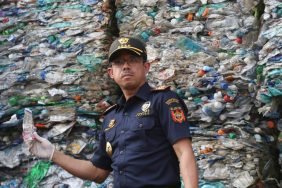
An Indonesian customs official intercepts a container full of illegally imported plastic waste in September 2019. ACHMAD IBRAHIM / AP PHOTO

When conscientious citizens learn more about where all the plastic goes when they do their part to recycle, it can be demoralizing. Recycling is important but the real solution is reducing the waste in the first place:

Indonesia Cracks Down on the Scourge of Imported Plastic Waste

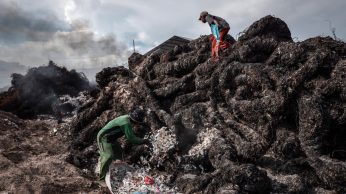
Workers prepare to burn plastic waste at an import dump in Mojokerto, Indonesia. ULET IFANSASTI / GETTY IMAGES

When China banned plastic waste imports in 2018, exporters in wealthy countries targeted other developing nations. Faced with an unending stream of unrecyclable waste, Indonesia has tightened its regulations and has begun to make progress in stemming the plastics flow.

In 2019, at a meeting in Geneva, Switzerland, delegates from 187 countries approved the first-ever global rules on cross-border shipments of plastic waste. Continue reading

Plastics, Waste & What To Do

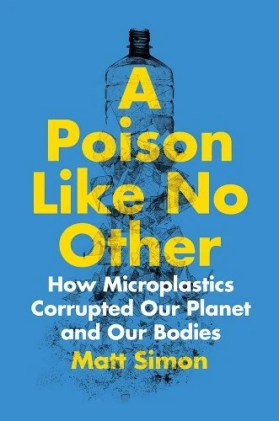
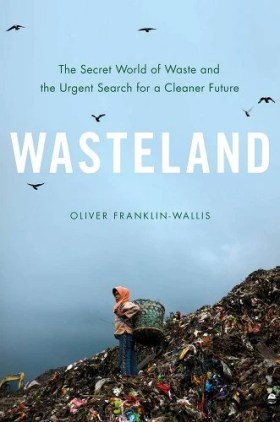
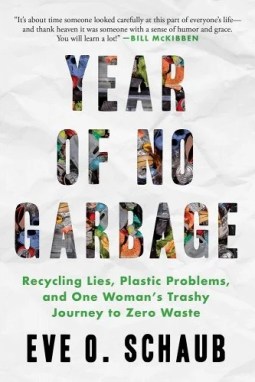
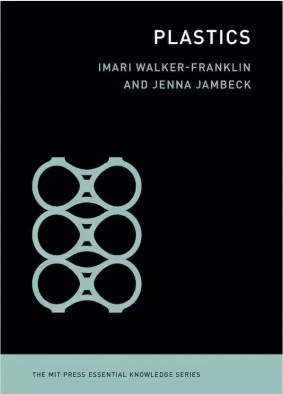
Four books have been read and summarized, thanks to Elizabeth Kolbert (the information challenges you, of course). The covers of those books appear here with links to independent booksellers where they are or will be available, and at minimum the opening story of Kolbert’s article is a must-read if you care about plastic:
How Plastics Are Poisoning Us

They both release and attract toxic chemicals, and appear everywhere from human placentas to chasms thirty-six thousand feet beneath the sea. Will we ever be rid of them?

In 1863, when much of the United States was anguishing over the Civil War, an entrepreneur named Michael Phelan was fretting about billiard balls. At the time, the balls were made of ivory, preferably obtained from elephants from Ceylon—now Sri Lanka—whose tusks were thought to possess just the right density. Phelan, who owned a billiard hall and co-owned a billiard-table-manufacturing business, also wrote books about billiards and was a champion billiards player. Owing in good part to his efforts, the game had grown so popular that tusks from Ceylon—and, indeed, elephants more generally—were becoming scarce. He and a partner offered a ten-thousand-dollar reward to anyone who could come up with an ivory substitute.
A young printer from Albany, John Wesley Hyatt, learned about the offer and set to tinkering. In 1865, he patented a ball with a wooden core encased in ivory dust and shellac. Players were unimpressed. Next, Hyatt experimented with nitrocellulose, a material made by combining cotton or wood pulp with a mixture of nitric and sulfuric acids. He found that a certain type of nitrocellulose, when heated with camphor, yielded a shiny, tough material that could be molded into practically any shape. Hyatt’s brother and business partner dubbed the substance “celluloid.” The resulting balls were more popular with players, although, as Hyatt conceded, they, too, had their drawbacks. Nitrocellulose, also known as guncotton, is highly flammable. Two celluloid balls knocking together with sufficient force could set off a small explosion. A saloon owner in Colorado reported to Hyatt that, when this happened, “instantly every man in the room pulled a gun.”
It’s not clear that the Hyatt brothers ever collected from Phelan, but the invention proved to be its own reward. From celluloid billiard balls, the pair branched out into celluloid dentures, combs, brush handles, piano keys, and knickknacks. They touted the new material as a substitute not just for ivory but also for tortoiseshell and jewelry-grade coral. These, too, were running out, owing to slaughter and plunder. Celluloid, one of the Hyatts’ advertising pamphlets promised, would “give the elephant, the tortoise, and the coral insect a respite in their native haunts.” Continue reading

Unwanted Plastic Renaissance

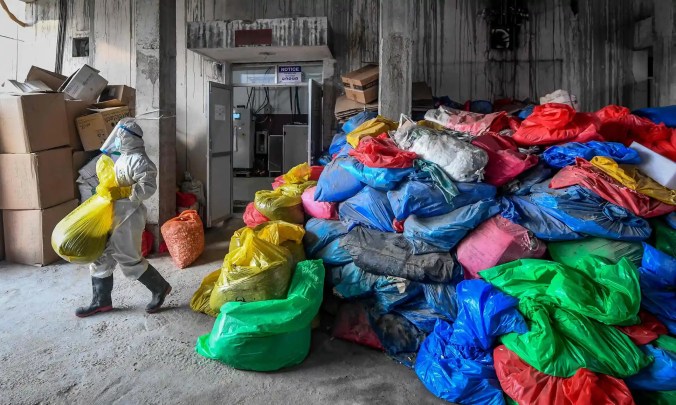
A worker at a hospital in Kathmandu, Nepal, readies bags of Covid-19 waste for treatment, December last year. Photograph: Prakash Mathema/AFP/Getty Images

The plague of plastic has zombie-like revivification capabilities:

How the plastic industry turned the pandemic to its advantage

With its products proving indispensable to combatting Covid-19, the plastics business is reinvigorated. What will it take to bring this major polluter to heel?

There are only two reasons that the plastics industry will change, a polymer scientist once told me: war or legislation. Continue reading

Plastic Rings, Bygone Things

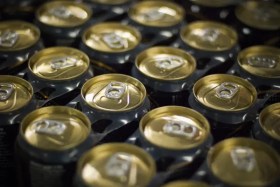
Plastic rings hold together sets of beer cans. GHI/Education Images/Universal Images Group via Getty Images

Why did it take this long, you might ask? It is not clear from this article. But that it is happening at all is surprising, so we hope it is correct to say better late than never: Soda and Beer Companies Are Ditching Plastic Six-Pack Rings

In an effort to cut down on plastic waste, packaging is taking on different forms that can be more easily recycled or that do away with plastic altogether.

The plastic rings ubiquitous with six-packs of beer and soda are gradually becoming a thing of the past as more companies switch to greener packaging. Continue reading

Circularity & The Future Of Recycling Plastic

Getty

Since our earliest days we have had team members searching for news on the subject of plastic, and what to do about it. The Atlantic, publishing an article by Ula Chrobak that was originally featured in Undark, points out The False Promise of Plastic Recycling:

A French company has a new solution to the plastic problem. Not everyone is buying it.

Since the first factories began manufacturing polyester from petroleum in the 1950s, humans have produced an estimated 9.1 billion tons of plastic. Of the waste generated from that plastic, less than a tenth of that has been recycled, researchers estimate. Continue reading

Plastic, The Gift That Keeps Giving

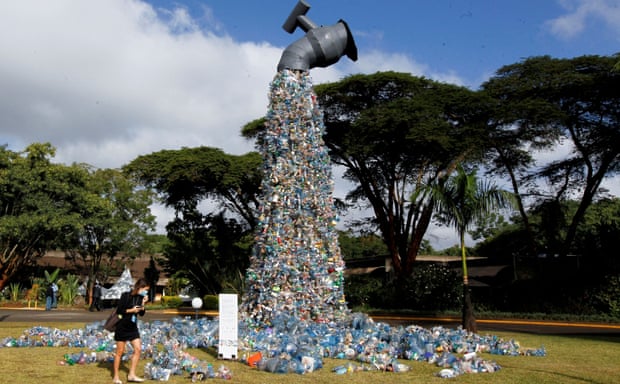
An artwork at the Nairobi summit venue by the artist Benjamin von Wong, made with rubbish from Kibera slum, urging people to ‘turn off the plastic tap’. Photograph: Monicah Mwangi/Reuters

We have endless opportunities to demonstrate leadership, thanks to plastic:

World leaders agree to draw up ‘historic’ treaty on plastic waste

UN environment assembly resolution is being hailed as biggest climate deal since 2015 Paris accord

World leaders, environment ministers and other representatives from 173 countries have agreed to develop a legally binding treaty on plastics, in what many described a truly historic moment. Continue reading

Plastic Transformed With Purpose

Interior detail of “Earth Poetica,” which is a huge globe created out of plastic waste. Amit Elkayam for The New York Times

The challenge of plastic is a topic that goes back a decade in our pages.  We have featured artisanal plastic upcycling initiatives that we have supported entrepreneurially, as well as articles about other artisanal initiatives.

Today, in the same vein: Israeli Artist Turns Plastic Pollution Into ‘Earth Poetica’.

Beverly Barkat in her Jerusalem studio assembling “Earth Poetica,” a huge globe, from plastic waste. Its permanent home will be a building at ground zero in Manhattan. Amit Elkayam for The New York Times

In Beverly Barkat’s quest to connect people with nature, she found that environmental waste could be a powerful medium.

JERUSALEM — When the Jerusalem artist Beverly Barkat began to create an artwork for the lobby of a building in the new World Trade Center complex overlooking ground zero in Lower Manhattan, she aimed to come up with something architecturally site specific and impactful, large enough to connect with the space but not so enormous as to disconnect from the observer.

Barkat had a stark message to convey. Years earlier, she said, she had been struck by an image of children scavenging on a once-beautiful beach awash in plastic waste. Continue reading

Beggar Thy Southern Neighbors

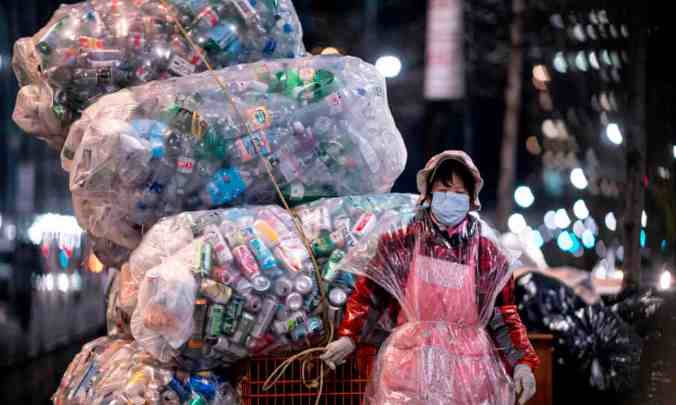
A woman pulls a cart loaded with bags of recyclables through the streets of New York. Photograph: Johannes Eisele/AFP/Getty

Thanks to the Guardian for this Econ 101 textbook example of a “beggar thy neighbor” action taken in one country and imposed on others, using “market forces” explanations to justify the action:

Latin America urges US to reduce plastic waste exports to region

Study finds exports to region doubled in 2020 with practice predicted to grow as US invests in recycling plants

Environmental organisations across Latin America have called on the US to reduce plastic waste exports to the region, after a report found the US had doubled exports to some countries in the region during the first seven months of 2020. Continue reading

287 Pounds Of Plastic Per Person Each Year?

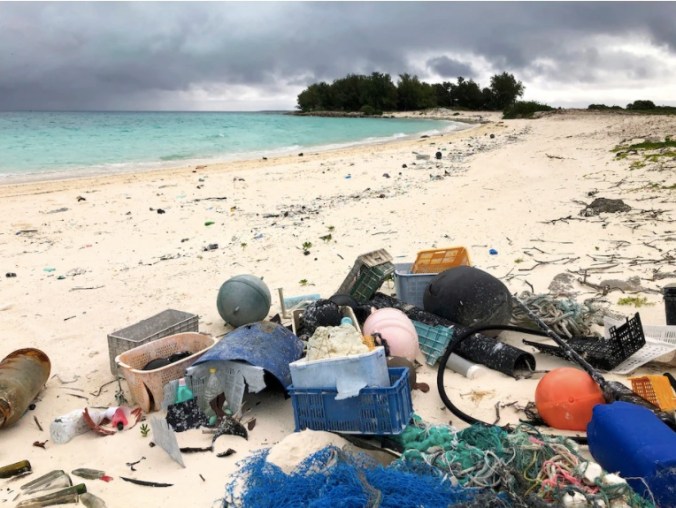
Plastic and other debris is seen on the beach on Midway Atoll in the Northwestern Hawaiian Islands in 2019. (Caleb Jones/AP)

It is clear to me now, after two years of our two Authentica shops offering products made from recycled plastic (among other recycled materials), we will need to be at this for a long time to make a dent. Of all the amazing capabilities we humans have, our ability to generate plastic waste is among the most remarkable. Our thanks to Tik Root for reporting on this finding:

U.S. is top contributor to plastic waste, report shows

Scientists reveal the U.S. role in the ‘deluge’ of plastic littering the world’s oceans in a congressionally mandated report

The United States ranks as the world’s leading contributor of plastic waste and needs a national strategy to combat the issue, according to a congressionally mandated report released Tuesday. Continue reading

About That Convenience

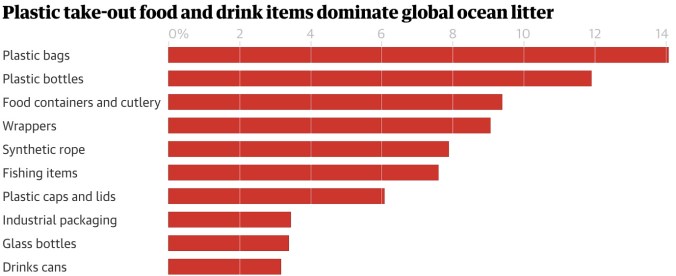
Guardian graphic | Source: Morales-Caselles et al, Nature Sustainability, 2021

Thanks, Damian Carrington, for getting us the data that Morales-Caselles et al compiled making us wonder whether convenience is worth this cost:

Takeaway food and drink litter dominates ocean plastic, study shows

Just 10 plastic products make up 75% of all items and scientists say the pollution must be stopped at source

Plastic items from takeaway food and drink dominate the litter in the world’s oceans, according to the most comprehensive study to date. Continue reading

Ghana, Scaling New Solutions For Plastic Re-Use

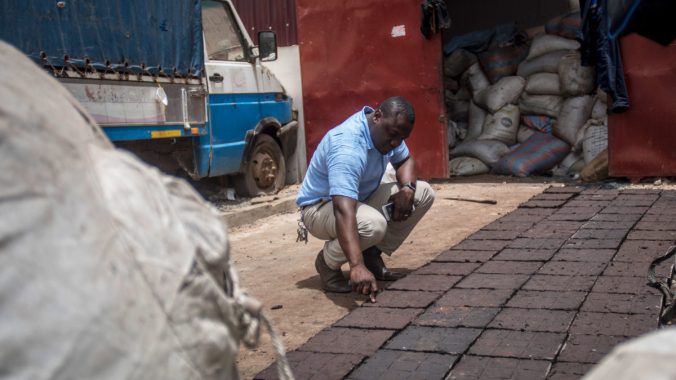
An engineer inspects paving blocks made from recycled plastics in a suburb of Accra, Ghana. CRISTINA ALDEHUELA/AFP VIA GETTY IMAGES

In our Authentica shops we offer some artisanal approaches to plastic re-use, and have been fans of the concept since a visit to Ghana in 2013. But the plastic problem will not be solved this way because the level of re-use it is not at scale with the amount of plastic needing re-use. Thanks to Ann Parson fo showing a new potential demonstrated in Ghana more recently:

How Paving with Plastic Could Make a Dent in the Global Waste Problem

Roads in which waste plastic is melted down and mixed with paving materials are becoming more common around the world. Although for now they remain a niche technology, experts say the roads could become one of a diverse array of uses for discarded plastic.

A road running through Accra, Ghana’s capital, looks like any other blacktop. Continue reading

Bubble Wrap & Our Future

It is not light reading. Nor short. But before you order anything else on Amazon you might want to at least skim this report:

Executive Summary

Amazon has a plastic problem. Oceana analyzed e-commerce and packaging market data1 as well as a recent scientific report, published in Science about predicted growth in plastic waste, that projects plastic pollution of aquatic ecosystems by country2 and found that Amazon has a large and rapidly growing plastic pollution footprint. Continue reading

Brilliant & Ominous

When you genuinely smile and then recoil a moment later, you are responding to what this artist wants you to see and then understand. The animation is brilliant and its short message on how ocean litter/marine plastic is harming marine life is ominous. The  Artist Statement that accompanies it is not required reading, but it is there for the taking:

Two years ago, an experience on a small island inTaiwan changed my life. It was the closest I’d lived to the sea, being only a ten minute drive away. Everyone can enjoy the beach with its white sand and turquoise ocean. At the time, I went snorkeling almost every week. Seeing such alluring tropical fish and coral reefs still lingers in my mind. However, I also cannot forget the scenes of tons of human waste lying around the shore as if it was a part of nature. Continue reading

Getting Real About Plastic

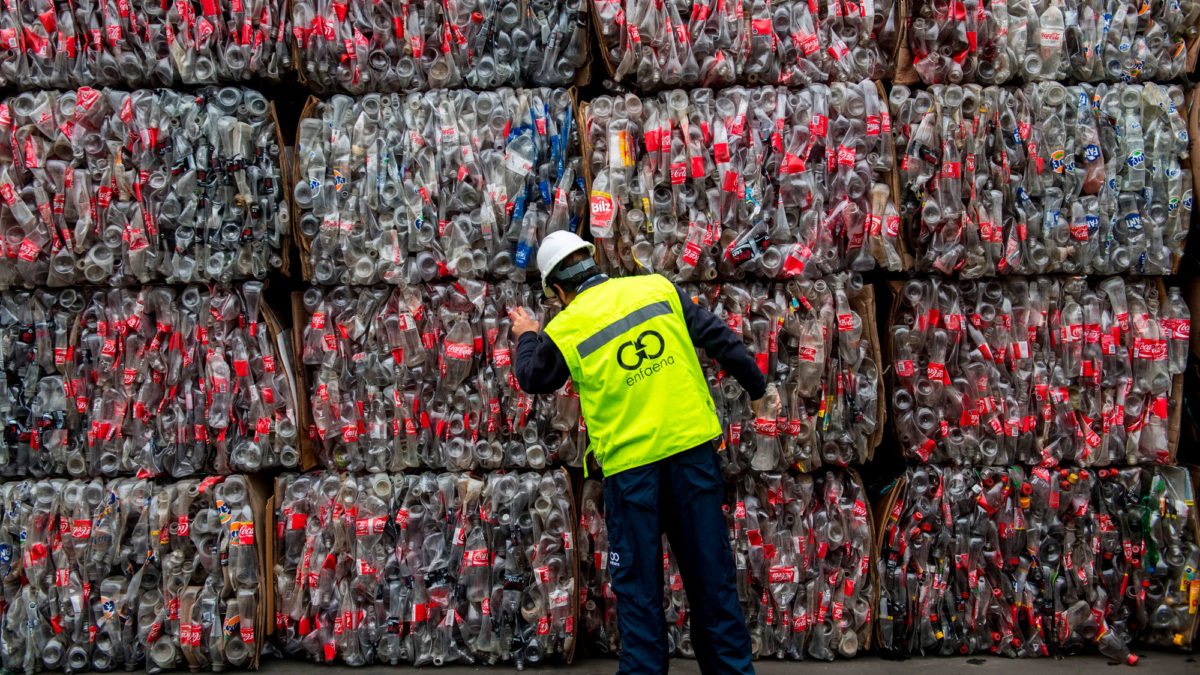
A worker examines plastic bottles at a recycling center in Santiago, Chile. MARTIN BERNETTI/AFP VIA GETTY IMAGES

We admit to optimism as recently as three months ago on this issue, which we have been reading about since five years ago. Thanks to Jim Robbins for keeping it real:

Why Bioplastics Will Not Solve the World’s Plastics Problem

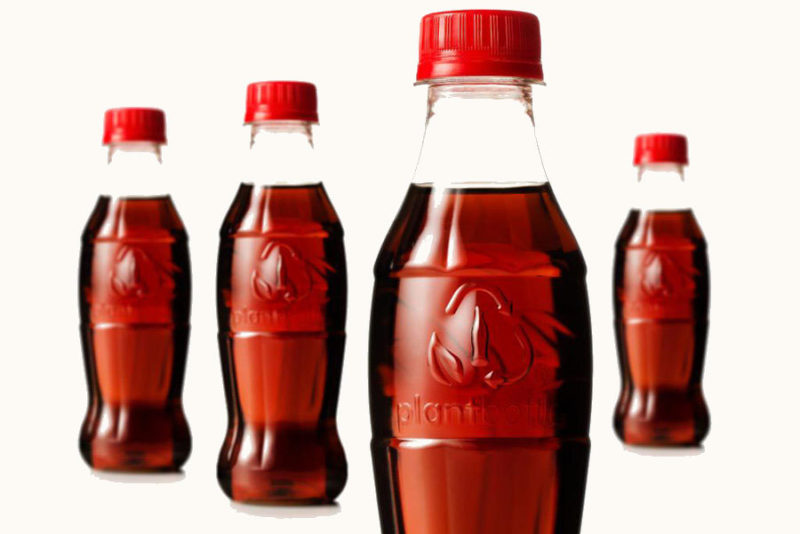
Coca-Cola’s new PlantBottle is made from 30 percent sugar cane and other plants, with the rest made from traditional oil-based plastic. COCA-COLA

Bioplastics are being touted by industry marketers as the solution to plastics pollution. But the idea that bottles and packaging made of plant-based material can simply be discarded and then break down and disappear is false – recycling and reuse are the only strategies that can work.

Coca-Cola calls it the PlantBottle — a new kind of recyclable plastic container, 30 percent of which is made from sugar cane and other plants, with the remaining 70 percent made from traditional oil-based plastic. The company says that PlantBottle packaging now accounts for nearly a third of its North American bottle volume and seven percent globally. Continue reading

If You Happen To Be On Line

There are themes we’ve returned to frequently since the beginning of this site, in the different ways we’ve posted about collective action conservation or cultural events. The titles of those posts began with the words, “If You Happen to be in…” – followed by the location of our conservation public service announcement.

The internet has obviously played an enormous role in people’s lives for decades now, but even more so in the time of Covid-19, when so many of life’s gatherings, from education to business meetings and conferences, has shifted to the virtual realm.

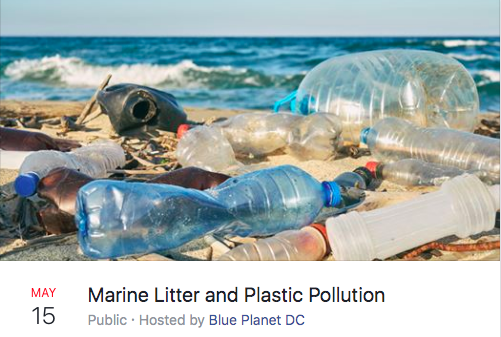
So, here’s a PSA for the Oceans. Hosted by Blue Planet, DC, with guest speaker Phil Karp (a frequent contributor to this site on themes of citizen science and marine conservation) this virtual seminar will discuss both the serious problem of marine pollution, but also some emerging solutions.

If you have an hour to spare on May 15th, join the conversation!

Details

Did you know that between 8 million and 13.5 million metric tons of plastic enter the ocean every year, equivalent to a garbage truck full of plastic EVERY MINUTE?!

Plastic entering the ocean can cause harm to marine organisms and ecosystems, coastal economies and human health. This virtual seminar by guest speaker Phil Karp will examine the magnitude and dynamics of marine litter and ocean plastic along with emerging solutions. In addition, it will discuss what governments and consumers can do to address the problem.Phil Karp recently retired from the World Bank where he was Lead Knowledge Management Specialist in the Urban Development Global Practice. He is longtime diver, citizen scientist and ocean advocate focusing on the interface between marine ecosystem conservation and livelihoods of coastal communities.

Sign up today! Join below on May 15.
https://us02web.zoom.us/j/89825590123


Really, California?

The executive order does not affect cities and counties that adopted their own ordinances banning or regulating single-use plastic bags.(Frederic J. Brown / AFP/Getty Images)

It’s been some months since we added to our “Really?” posts–which is definitely a good things– and California has usually been on the applaud side of our commentary. It’s a sad situation that the plastic industry is able to exert these pressures to take advantage of the current health crisis.

Coronavirus prompts Gov. Gavin Newsom to suspend California’s plastic bag ban

 Gov. Gavin Newsom has suspended California’s ban on grocery stores providing single-use plastic bags amid concerns that clerks may be at risk for exposure to the coronavirus if shoppers are required to supply their own reusable bags to carry their purchases home.


Newsom announced Thursday that he signed an executive order to suspend the 2016 plastic bag ban for 60 days after hearing concerns from the California Grocers Assn. about shoppers bringing reusable bags from home that are handled by store clerks filling them with groceries.

“We are being cautious to make sure there is no transmission of the virus,” said Dave Heylen, a vice president for the grocers’ group. He said the grocers will go back to abiding by the plastic bag ban when the order expires.

The executive order signed Wednesday does not affect the more than 100 cities and counties that adopted their own ordinances banning or regulating single-use plastic bags.

Continue reading