Pottery Tradition & Modernity

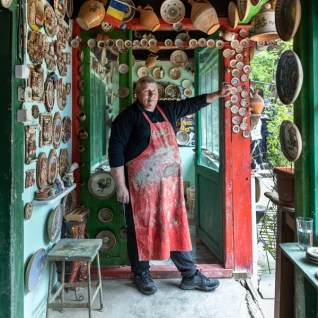
Mr. Biscu makes pieces using clay that comes from earth extracted from a hill in Horezu.

Chantel Tattoli reported this story from Horezu, Romania for the New York Times. Accompanied by photographs and video by Marko Risovic, her story is based on speaking to a dozen local potters using a translator:

A style of pottery made for centuries in a small Romanian town has recently become a hot commodity.

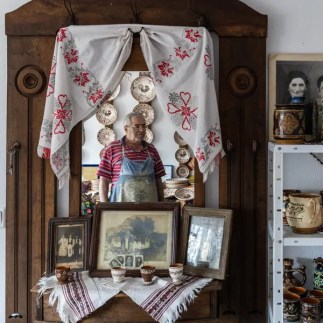
Sorin Giubega at his home, which is filled with ceramics made by him and his ancestors.

Sorin Giubega’s grandfather was a potter. So was his father. And at 8 years old, Mr. Giubega said, he started to play on a pottery wheel, too.

Mr. Giubega, now 63, and his wife, Marieta Giubega, 48, are potters in Horezu, Romania, a town in the foothills of the Capatanii Mountains about three hours by car from Bucharest.

Horezu is home to a community of about 50 artisans who make a traditional style of ceramics with methods that have been practiced for more than 300 years. Continue reading

Miyazaki, Trees & Authentic Experience

A photograph of children walking along a path in the woods. Two of them are holding hands.

The magazine sent the Japanese photographer Rinko Kawauchi to Ghibli Park on a day when it was closed to the public, and she took along her daughter and some friends. Rinko Kawauchi for The New York Times

Links to the writings of Sam Anderson have not appeared in our pages before, and I almost missed this opportunity because at first appearance this article does not fit the norm for our themes. But if you read to the end, it does so in one clear way. It has to do with the power of nature, trees in particular, and once you read the article you will understand (if you are familiar with our platform). You can also listen to an audio version of this article here, but be sure to see the photos in the original publication:

Spirited Away to Miyazaki Land

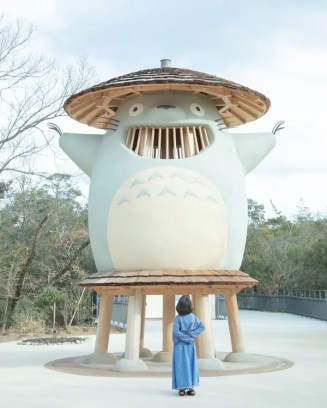
What happens when the surreal imagination of the world’s greatest living animator, Hayao Miyazaki, is turned into a theme park?

A Totoro-like climbing structure. Rinko Kawauchi

As an American, I know what it feels like to arrive at a theme park. The totalizing consumerist embrace. The blunt-force, world-warping, escapist delight. I have known theme parks with entrance gates like international borders and ticket prices like mortgage payments and parking lots the size of Cleveland. I have been to Disney World, an alternate reality that basically occupies its own tax zone, with its own Fire Department and its own agriculture — a place where, before you’ve even entered, you see a 100-foot-tall electrical pole along the freeway with Mickey Mouse ears. This is a theme park’s job: to swallow the universe. To replace our boring, aimless, frustrating world with a new one made just for us. Continue reading

11 Years, 11 Months & 11 Days Later

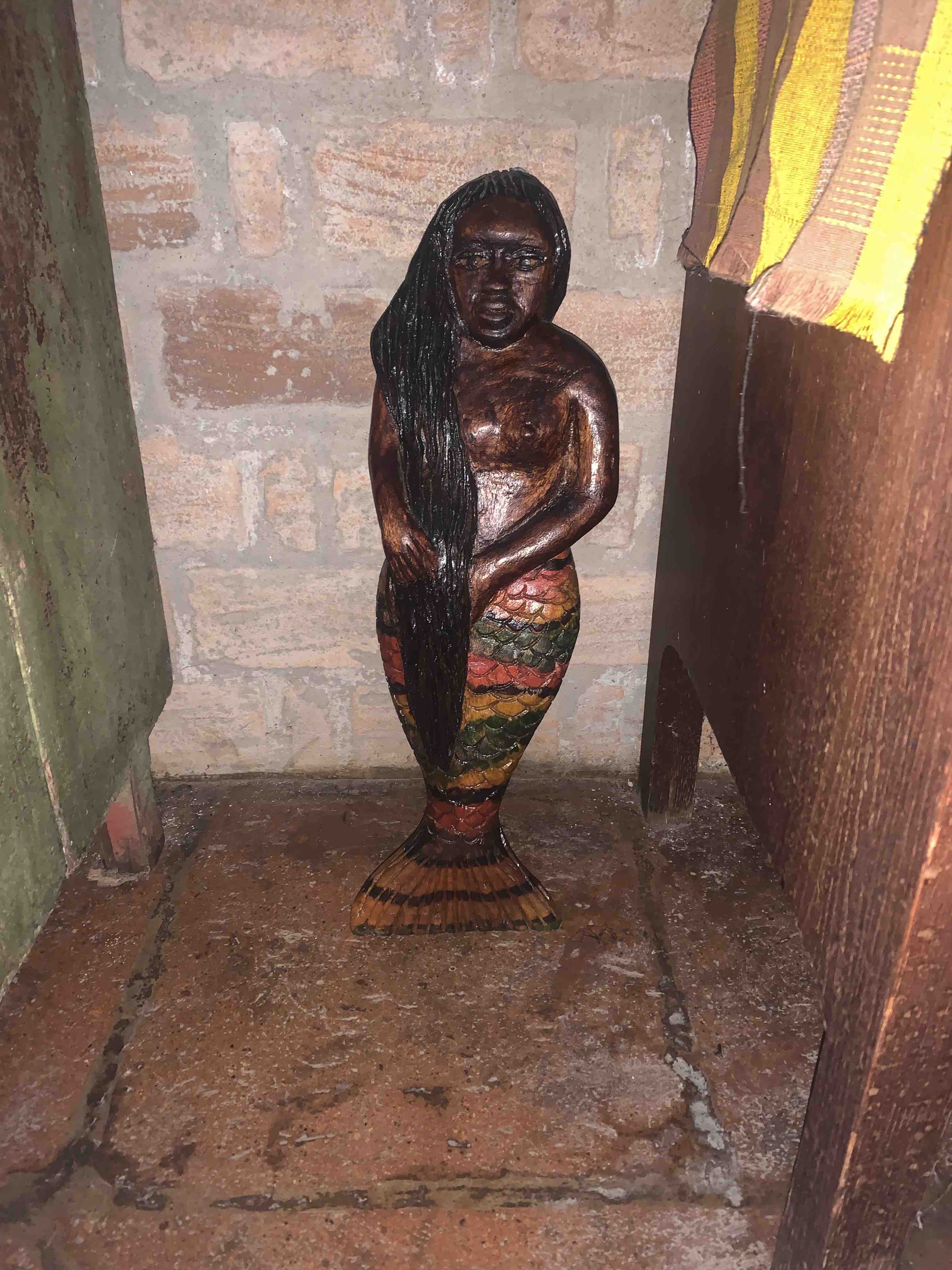
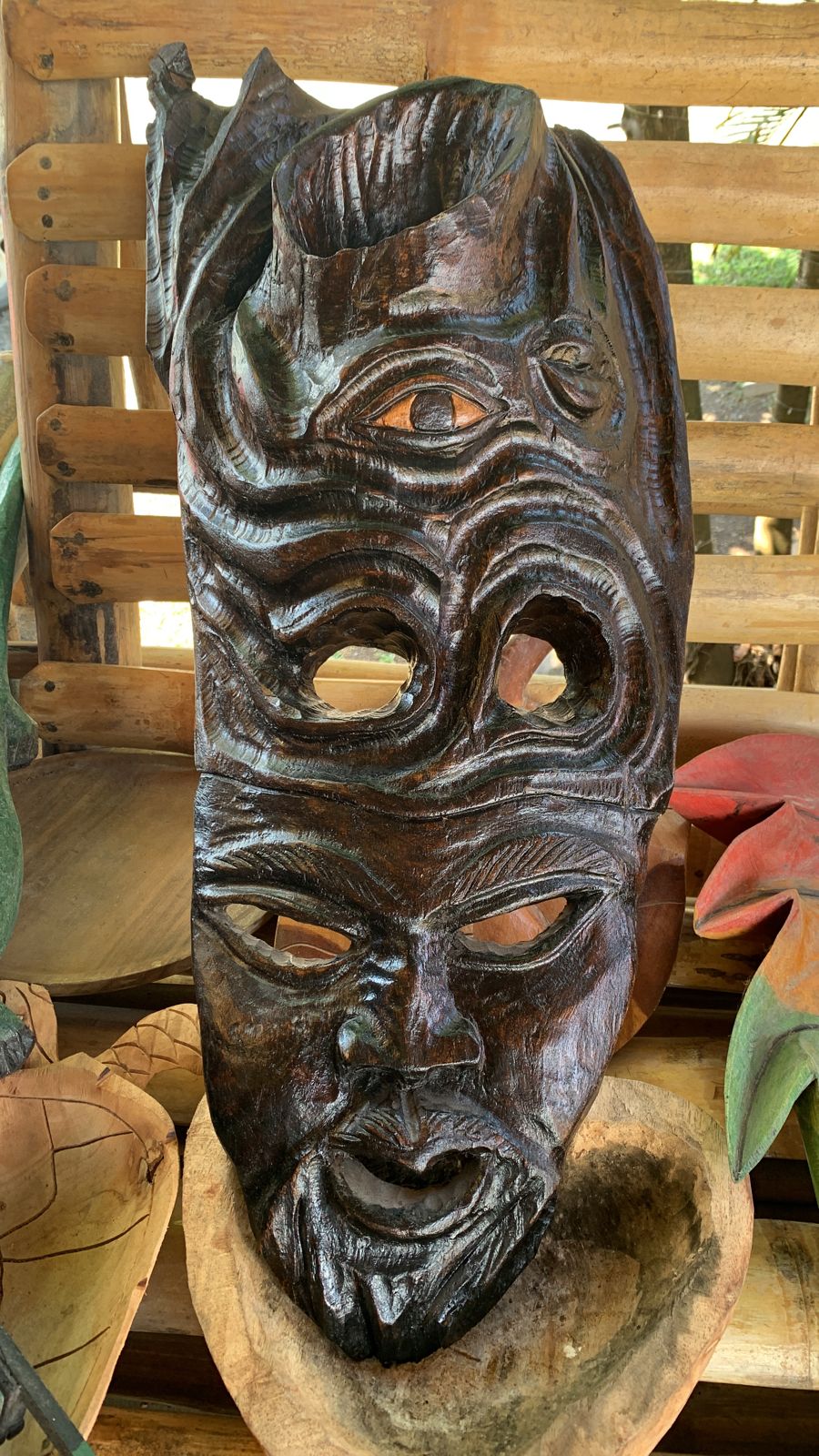
Mermaid (now in Escazu, Costa Rica), handcrafted by Rock Bottom from driftwood in Port Antonio, Jamaica

June 15, 2011 was the day we first posted on this platform, and while we have evolved since then we have remained constant and consistent in a few ways. In the daily search for something worth sharing, photos of birds from around the world have been the most constant–as in, every day since the first photo was shared by this old friend who got us started on that daily routine. Thank you, Vijaykumar, for a healthy habit-formation.

Consistent have been the shared convictions that environmental conservation, no matter how bleak the news, is worth our effort.

Maroon shaman mask with third eye for healing power (now in Ithaca, NY USA), handcrafted by Rock Bottom from driftwood in Port Antonio, Jamaica

Plenty more constantly interesting sub-topics like books and libraries, seemingly unrelated to the environment, have been the focus of daily posts; but they are related. As is artisan production, riffed upon many times in these pages, especially now that it is the focus of our day jobs.

So today, heading toward the twelve year mark posting here, a nod to an artisan named Rock Bottom. He carves driftwood in Port Antonio, Jamaica.

There is an effort in that part of Jamaica to revive and strengthen traditional crafts, and the work of Rock Bottom is a model for what we can hope to see more of. My hope is that the amazing engine of economic activity that Jamaica’s tourism sector represents will valorize his work and the work of others akin to his.

Auchan 2000 & Authentica 2023

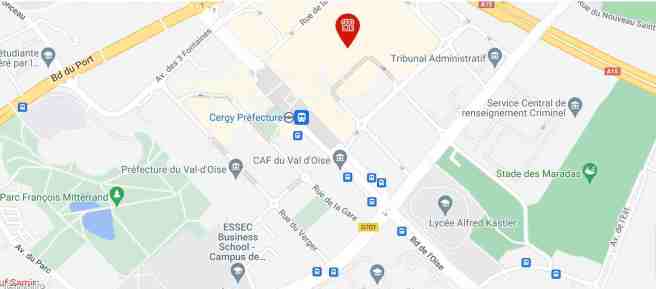
The Auchan hypermarche in Cergy is at the location of the red balloon in the image above. It is a short walk from the ESSEC campus (lower center of map). Click to go to the map on Auchan’s website

On each of the occasions I have read articles about Annie Ernaux I have been reminded of the first of my five years teaching at ESSEC. During the 2000-2003 academic years I lived on campus for extended periods away from home and family in Costa Rica. My grocery shopping was at the same Auchan elegantly dissected by the woman who last year won the Nobel Prize in Literature.  During my fourth year teaching there I was completing work on a project in Montenegro that made it more convenient for our family to be based in Paris for 12 months. This turned out to be one of the most culturally enriching experiences our family ever had together. And relevant to life now.

Adrienne Raphel’s article in The Paris Review begins with her own “big retail” experience, and at first read it connects dots between our Paris time and our retail life now. For the last 4+ years we have been waking up each day looking for novel ways to succeed without following the “pile it high and watch it fly” model. So, if that resonates with you for any reason, read on:

INTERIOR OF THE WAL-MART SUPERCENTER IN ALBANY. PHOTOGRAPH BY MATT WADE, COURTESY OF WIKIMEDIA COMMONS. LICENSED UNDER CCO 3.0.

“The Dead Silence of Goods”: Annie Ernaux and the Superstore

The first and only time I went to the Walmart in Iowa City was surreal. When I was in high school, my parents’ business-oriented small press had published a book called The Case Against Walmart that called for a national consumer boycott of the company; the author denounced everything from the superstore’s destruction of environmentally protected lands to its sweatshop labor to its knockoff merchandise. So by the time I made a pilgrimage out to the superstore at age twenty-one, I hadn’t stepped in a Walmart for nearly a decade, and it had acquired this transgressive power—the very act of crossing the threshold was as shameful as it was thrilling…

The Heart Beat In Greece

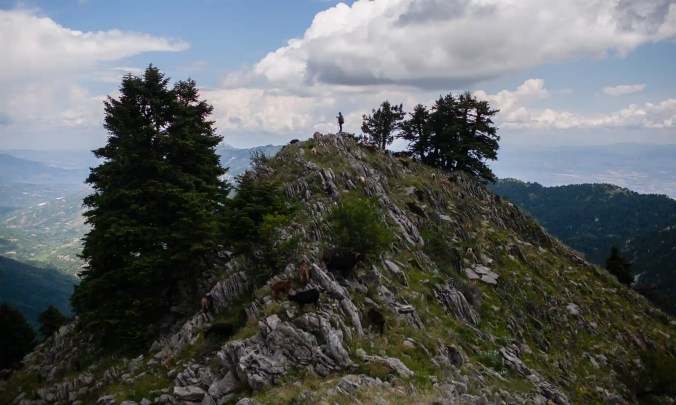
Kostas Papastavros and his goats on the top of the Koziakas mountain, part of Pindus range on mainland Greece. Photograph: Vasileios Tsiolis

I appreciate the comment about the heart beat in Katy Fallon’s portrait of a particular form of pastoral life in northern Greece. It comes just as we start dreaming of making an overdue visit back to the country I would most likely choose to live, if not for Costa Rica’s strong pull:

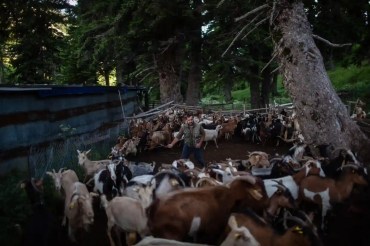
Kostas leading the goats back to the family’s makeshift summer barn on Koziakas mountain

‘My heart beats up here’: Greece’s nomadic herders on life in the hills – a photo essay

For hundreds of years the Vlach herders in Greece and the Balkans have moved livestock to high mountain pastures for the summer months. But their numbers are dwindling as their arduous existence is threatened by soaring costs and a lack of state support

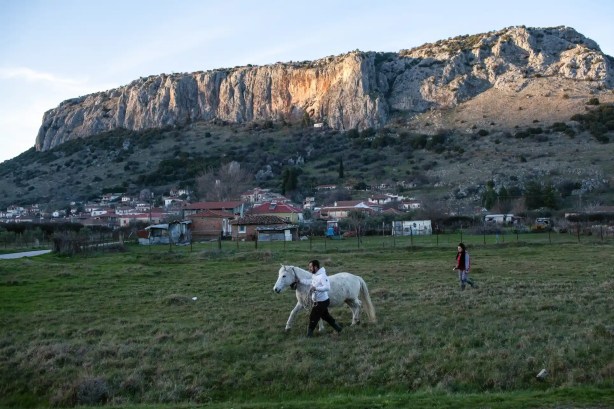
Kostas and Fotini walk with the family’s mare in front of the prehistoric cave of Theopetra village

Every spring in the Thessalian plains of central Greece, in the shadow of the mountains, an ancient and sacred migration of humans and goats takes place. Continue reading

Giving A Bread Its Due Honor

President Emmanuel Macron of France described the baguette as “250 grams of magic and perfection in our daily lives.” Eric Gaillard/Reuters

When the baguette was a daily part of our family’s life, we were fortunate to have a personal connection to the best guide, whose photo in the story below is as fitting as the photo above:

Steven Kaplan, perhaps the baguette’s most dedicated historian, says the bread has “little sites of memories” that “testify to a sensuality.” Daniel Janin/Agence France-Presse — Getty Images

A Slice of France, the Baguette Is Granted World Heritage Status

More than six billion baguettes are sold every year in France. But the bread is under threat, with bakeries vanishing in rural areas.

PARIS— It is more French than, perhaps, the Eiffel Tower or the Seine. It is carried home by millions each day under arms or strapped to the back of bicycles. It is the baguette, the bread that has set the pace for life in France for decades and has become an essential part of French identity.

On Wednesday, UNESCO, the United Nations heritage agency, named the baguette something worthy of humanity’s preservation, adding it to its exalted “intangible cultural heritage” list. Continue reading

Patagonia 2.0

Details of a desk in a Patagonia office with a stack of orange and brown stickers that read “defend bears ears national monument’ on top of stacks of magazines and papers.

Patagonia has become more politically active, going so far as to sue the Trump administration in a bid to protect the Bears Ears National Monument. Laure Joliet for The New York Times

We have mentioned this company multiple times in our pages over the years, because we take inspiration from it, the same way we have taken inspiration from the example set by Chuck Feeney. It is worth noting that I also value everything I have ever bought from Patagonia. The day of this blizzard in New York I took an old beat up backpack in to see if they could repair it in the nearby shop; instead, they gave me a new one.

Good quality products, combined with good service, make the good environmental values of the company all the better:

“Hopefully this will influence a new form of capitalism that doesn’t end up with a few rich people and a bunch of poor people,” said Mr. Chouinard. Meridith Kohut for The New York Times

Billionaire No More: Patagonia Founder Gives Away the Company

Mr. Chouinard filmed an announcement for his employees at home in Wyoming. By giving away the bulk of their assets during their lifetime, the Chouinards have established themselves as among the most charitable families in the country. Natalie Behring for The New York Times

A half century after founding the outdoor apparel maker Patagonia, Yvon Chouinard, the eccentric rock climber who became a reluctant billionaire with his unconventional spin on capitalism, has given the company away.

Rather than selling the company or taking it public, Mr. Chouinard, his wife and two adult children have transferred their ownership of Patagonia, valued at about $3 billion, to a specially designed trust and a nonprofit organization. They were created to preserve the company’s independence and ensure that all of its profits — some $100 million a year — are used to combat climate change and protect undeveloped land around the globe. Continue reading

Making Things, Giving Things & Keeping Things

A northern fulmar in flight near Boreray, an uninhabited island in the archipelago of St. Kilda. Photograph by Philip Mugridge / Alamy

Last week I read an essay explaining the allusive power that human-made objects can have. It got me thinking about St. Kilda. Reading four years ago about that place and its people spurred my imagination sufficiently that the following year I committed to a challenge. The challenge was created by the speed of change impacting travel culture, and the tendency of travel retail to homogenize over time.

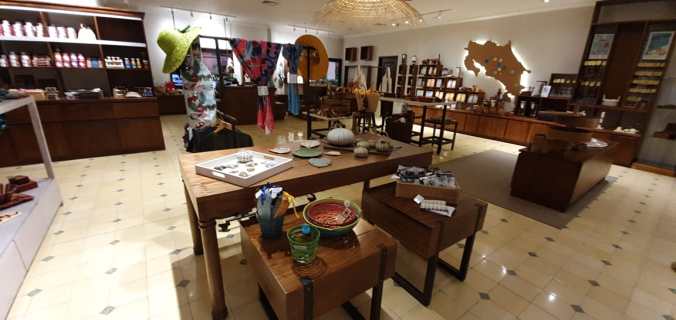
Things you might see in the Authentica shops

Local artisans all over the world were finding their goods displaced in shops oriented to travelers by things made in faraway factories.

Specifically, the commitment was to support local artisans by creating a venue for selling their goods to travelers. Perhaps utopian is a concept too big to apply to this commitment; anyway, maybe the word quixotic is more apt. Authentica offers human-made things for travelers to take home with them, within the context of a travel-retail complex that operates with very different resources and intent.

We understand why the replicas are made, and why people buy them. We refuse to confuse understanding with acquiescence.

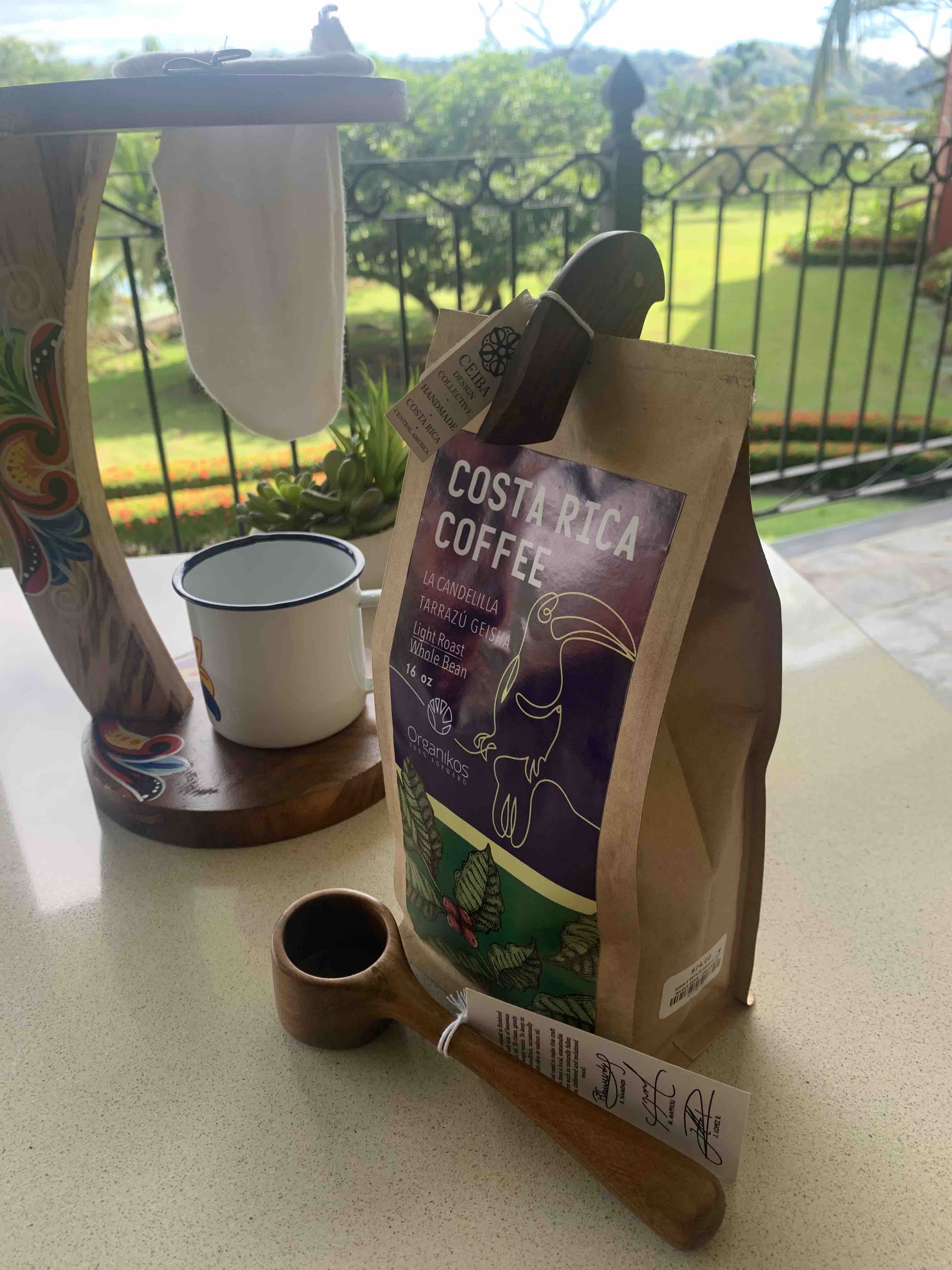
The scoop and the bird clip in the image above, two such things I also wrote about two years ago, are examples of local culturally relevant artifacts that we hope will not be outsourced to a factory in another part of the world. The coffee in that image is another example, with a twist. What I like about coffee as a memento is that it is at the intersection of tangible and intangible. It is quintessentially Costa Rican, but once you enjoy the entire bag you no longer possess that thing. As you consume it, it tells you something about Costa Rica. When it is finished you possess a memory of the coffee, and of Costa Rica.

Yemenis, Coffee & Entrepreneurship

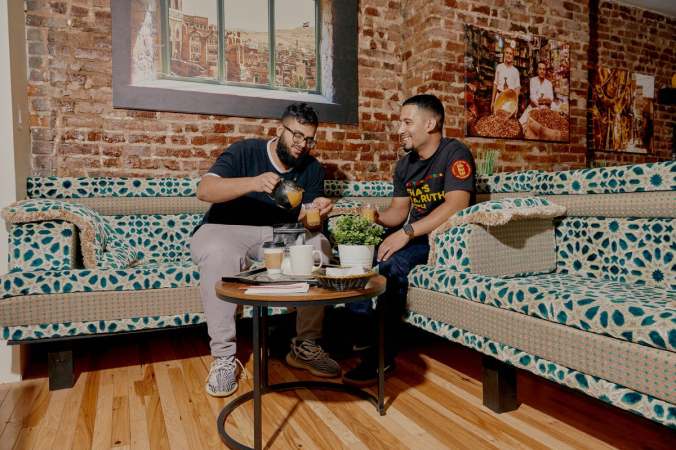
Wisam Alghuzi, left, and Jab Zanta at Diwan, their cafe on Atlantic Avenue in Brooklyn. Vincent Tullo for The New York Times

Yemeni coffee entrepreneurs have graced our pages a couple times before.  We do not tire of these stories, wherever they may originate:

Second-generation Yemeni entrepreneurs in Brooklyn want to reclaim their role as the purveyors of the original specialty coffee.

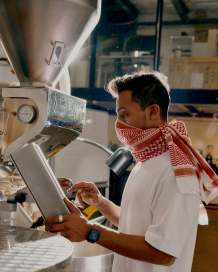
Hakim Sulaimani roasting coffee at Yafa Cafe in Sunset Park, Brooklyn. Vincent Tullo for The New York Times

Hakim Sulaimani remembers exactly where he was when he first heard that his homeland, the poorest country in the Middle East, had invented one of the most popular drinks in the world.

He was sitting in the living room (which was also his bedroom) in his family’s apartment in Brooklyn, watching a children’s show on public television. When someone on the show said that coffee came from Yemen, Hakim was stunned. He had never heard anyone outside his community say anything about Yemen before, let alone something that made him proud. “I was super-hyped,” he recently recalled. “Super-giddy.” Continue reading

A Taste Of Matthew Raiford’s Heritage

The last food book we featured was not a cookbook, but had plenty of food for thought. Thanks to the Kim Severson (again, after a couple years of our not seeing her work) for bringing Matthew Raiford, his family heritage, his farm and his cookbook to our attention in her article: A High-Summer Feast to Forge Connections in the Deep South. And if time is short, click through just for the exceptional photography:

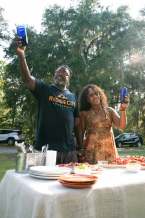
Rinne Allen for The New York Times

Matthew Raiford swore he’d never return to his family farm in coastal Georgia. But in breaking that vow, he found a sense of community worth celebrating with a lavish spread.

BRUNSWICK, Ga. — It’s not a stretch to say there may have never been a party for a cookbook like the one Matthew Raiford threw on his family farm a few weeks ago.

Rinne Allen for The New York Times

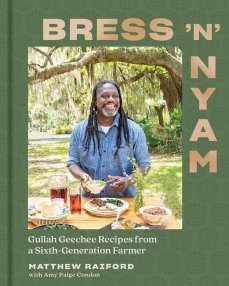
The book’s title is “Bress ‘n’ Nyam” — “bless and eat” in the English-based Creole spoken by the Gullah Geechee people who live along the coasts of the Carolinas, Georgia and northern Florida. Their ancestors were captured in West Africa and enslaved. Nowhere else in America has the cultural line from Africa been better preserved. (Mr. Raiford’s people call themselves freshwater Geechee, which means they are from the mainland of coastal Georgia. Saltwater Geechees are from the barrier islands.) Continue reading

Authentica & Sense Of Place

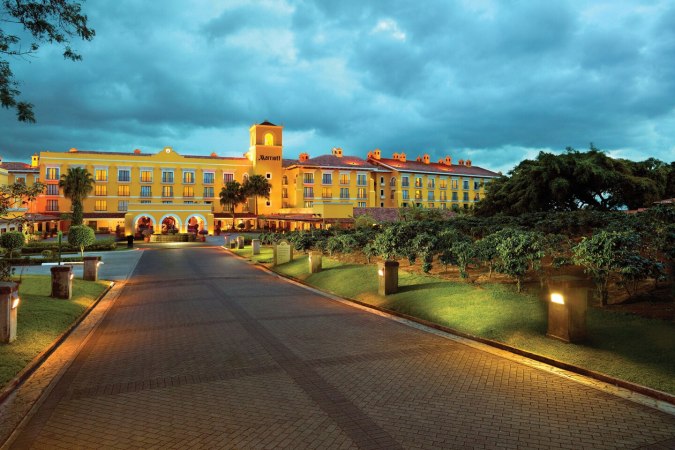
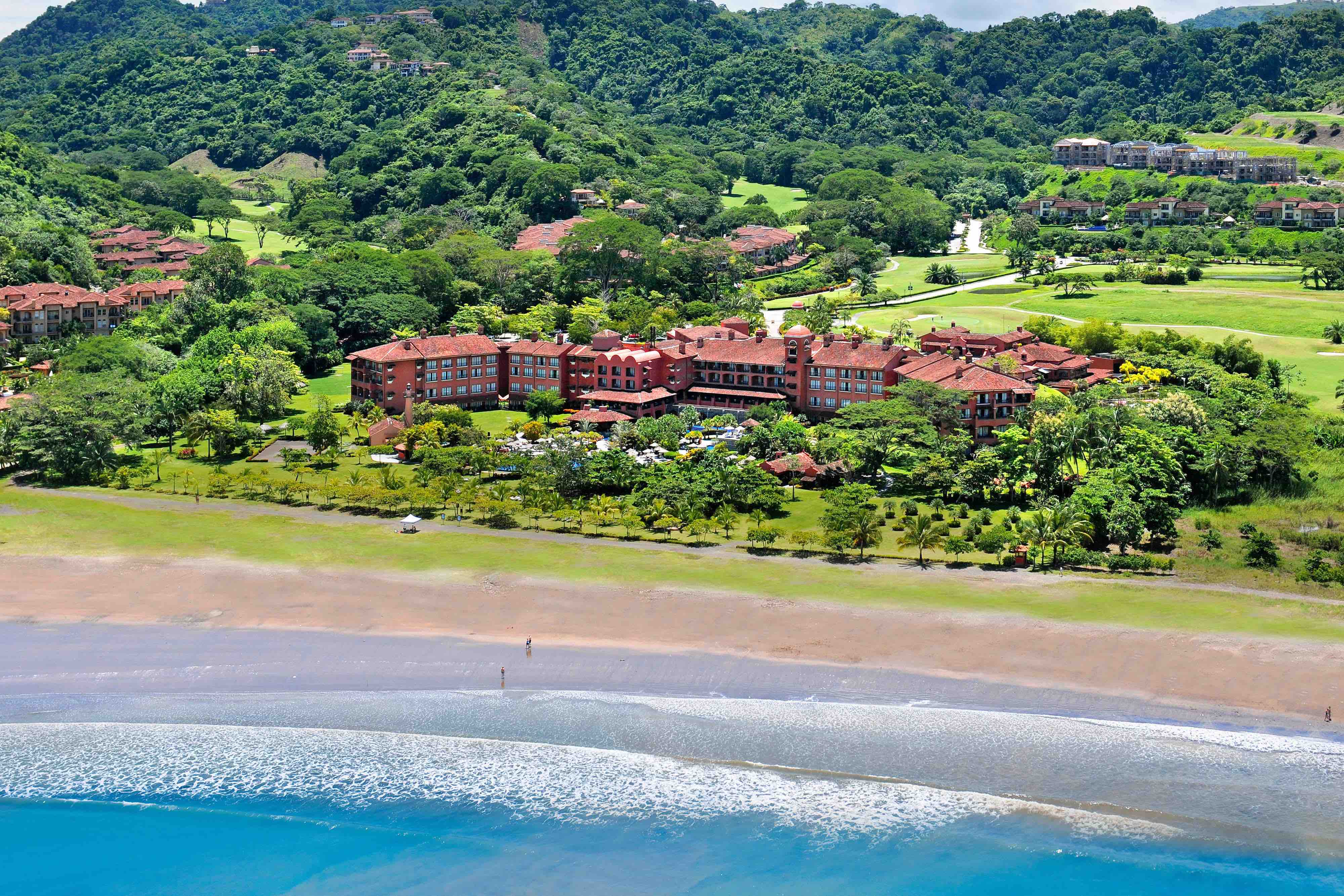
After completing our work in India and transitioning home to Costa Rica in late 2018, two properties came back to the forefront of my attention. The property above is set on a coffee estate in the Central Valley and the one below is set on a Pacific beachfront property that is 90 minutes from the Central Valley property. I knew both properties during their original construction and opening phases and ever since then believed that these were among the most special Marriott properties in the world.

They were going through renovations that started in 2018 and were to be completed in late 2019. My attention was drawn by a creative new focus on sustainability, the tiniest of examples being this one. Another example was that they invited proposals for how the gift shops in both hotels might be managed differently going forward. We submitted a proposal–with a focus on locally produced and design-forward products–and it was chosen for implementation. The rest is history that I have written about plenty in the last year.

Authentica has started its second year of operation, and Costa Rica has just re-opened its borders to receive international visitors again. These two Marriott properties have transformed operations to ensure maximum safety in response to the global health concerns. Our shops have transformed accordingly, and yet our original intent is as strong as ever: come in and sense the place.

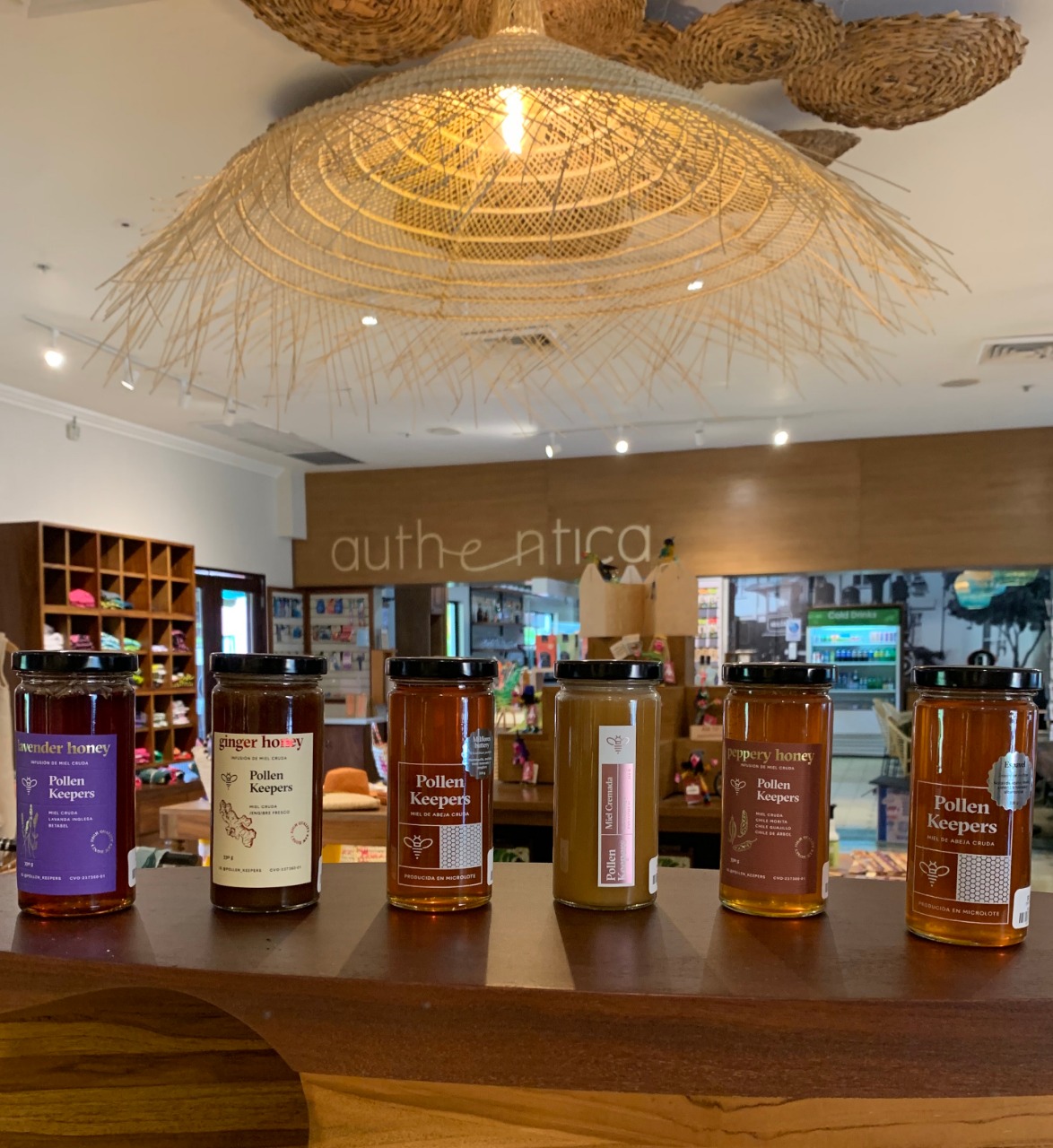
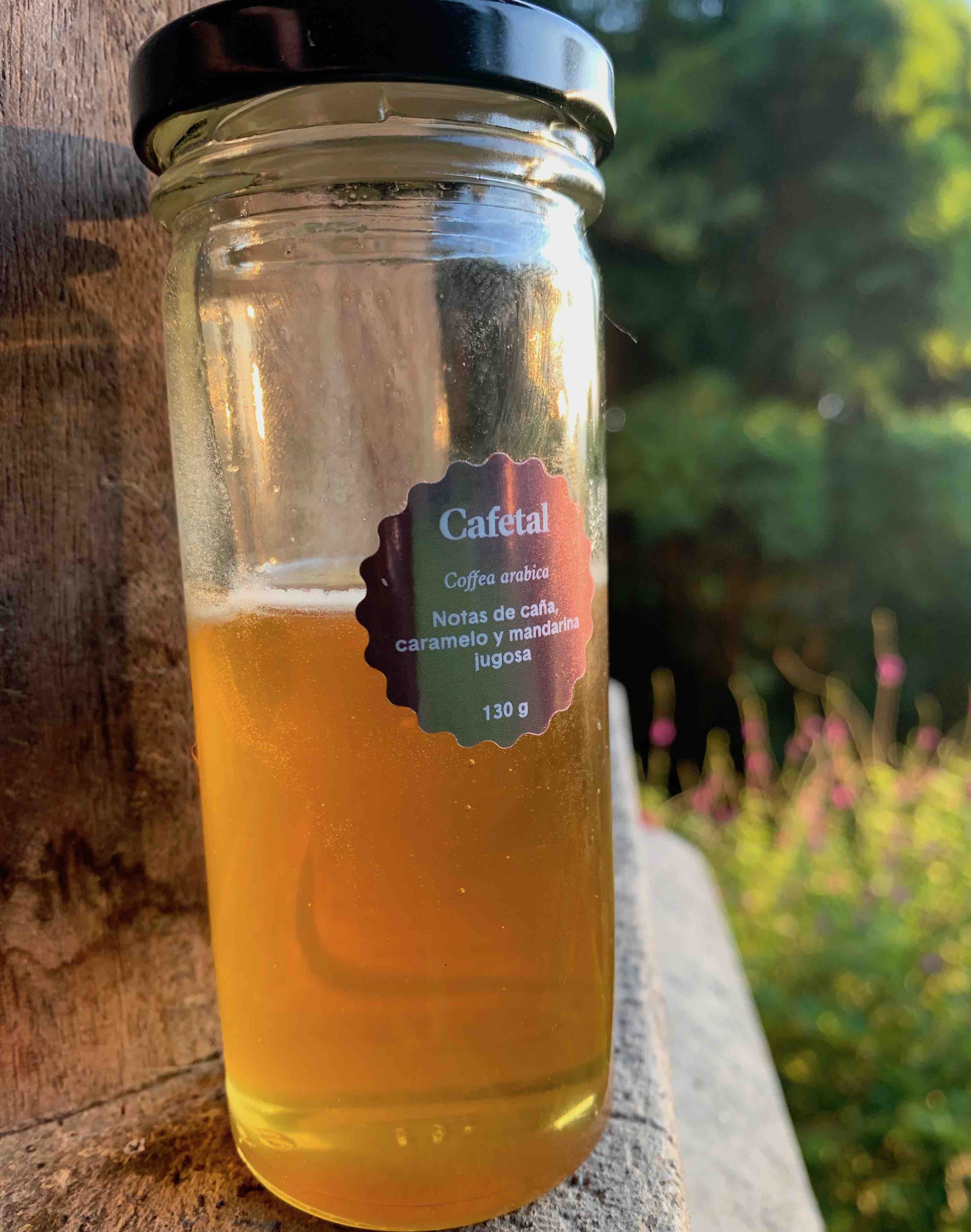
Organikos coffee, our best-selling “taste of place” product, was joined in both shops last week by another way to sense the terrain of Costa Rica’s various regions. Pollen Keepers is a small family business whose bee colonies are placed to capture unique characteristics of a location. One of those is a coffee farm, and the honey produced there is unlike any I have had before. I am still learning the vocabulary for tasting notes for honey, which we have been sampling in recent weeks at home, so will keep it simple: Cafetal is my favorite, so far.

Foodways As Tangible & Intangible Heritage

In the 1960s, the Green Revolution placed a premium on high crop yields over factors such as crop diversity and soil preservation. Photograph: Rupak de Chowdhuri/Reuters

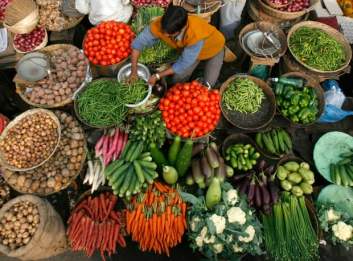
2010-2017, from our base in Kerala, India one of our primary activities was food heritage preservation. And it is a constant theme in these pages. Along the way it became clear that both foodstuffs, the tangible things that are used to make food, and foodways, the intangible knowhow for using foodstuffs to make food, are equally worthy of our attention. Thanks to the Guardian for sharing this:

‘Mind-boggling variety’: the food crusaders preserving India’s heritage

A rich range of native crops and seeds is being nurtured in an effort to halt the country’s rapidly vanishing food diversity

Babita Bhatt left a career in software to launch her own business in natural products grown in the Himalayas. Photograph: Handout

A small army of botanical heritage enthusiasts is spearheading a movement in India for the revival and preservation of the country’s rapidly vanishing food biodiversity by bringing back the rich crop varieties that thrived in the past, but are now on the verge of extinction.

Babita Bhatt, a 43-year-old former software professional, is just one of these crusaders, who are eschewing established careers and fat pay packets to become farmers, activists and entrepreneurs.

Fear of feeding her young daughter foods covered in pesticides was the trigger for Bhatt to move to the hills of Uttarakhand. Trading a steady income for the financial insecurity of an entrepreneur, she launched Himalaya2Home, a self-funded venture, in 2018. Continue reading

If You Can, Consider Buying Your Books From An Independent Bookstore

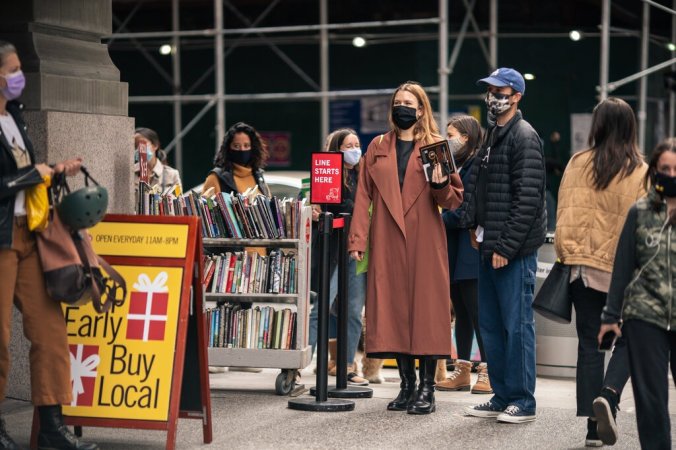
Shoppers waited to enter the Strand on Sunday after the bookstore said its business “had become unsustainable.” Jeenah Moon for The New York Times

Books and the love of books have been a constant theme since early posts on this platform. Likewise, libraries are in these pages frequently due to their important and sometimes essential role to communities; and of course librarians can change lives. Bookstores, cultural institutions in their own right, show up plenty in our pages. The Strand has not, even though it has multigenerational resonance in our family. Today it is newsworthy for complex reasons. The title almost says it all. Book lovers respond, for reasons that all our other posts about books and book places hint at. For me the subheading has the word that caught my attention. While book lovers and bookstore lovers respond to this shop’s call for help, some of the shop’s resources were invested awkwardly (I have hinted at such awkwardness plenty of times). When an independent bookseller is an option, consider the value they represent. Meanwhile, thanks to Sean Piccoli and Elizabeth A. Harris for this:

The Strand Calls for Help, and Book Lovers Answer

“It’s awkward because the track record for the ownership here is not great,” one customer said. “But it’s also an institution. My parents shopped here.”

For months, the Strand bookstore in downtown Manhattan, from its fiction stacks to its cookbook section to its rare books, has been nearly deserted. But on Sunday, half an hour before the store was scheduled to open, about a dozen people lined up in the cool fall breeze, waiting to get inside. Continue reading

Hats, History, Heritage

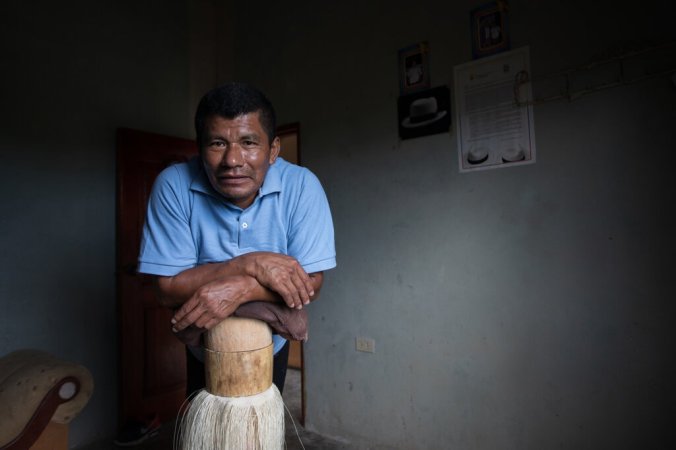
Mr. Espinal, 52, is widely regarded as the greatest living Panama hat weaver. All photographs by Roff Smith

Having lived and worked in Central America and South India, weaving with palms for shelter and adornment has been part of cultural norms. But in most cases, the craftsmanship has been simplified versions that lacked permanence – for the sake of festivals, traditional artesania , or with the knowledge that the woven shelter would last several seasons of rain before requiring replacement.

The artisan ethos described here mirrors both the fine work and collaborative efforts of Kerala sari weaving communities like Chendamangalam. In all cases, the “stuff of royalty.”

A Glimpse Inside the Workshops of the World’s Finest Panama Hat Makers

Creamy as silk and costlier than gold, a Montecristi superfino Panama hat is as much a work of art as it is of fashion.

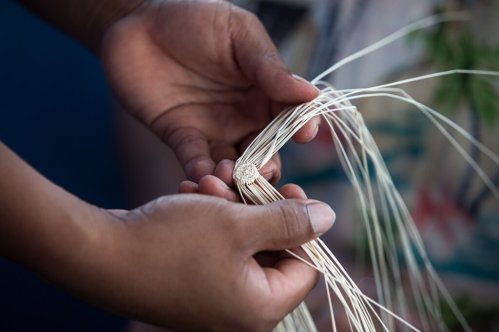
Creamy as silk, costlier by weight than gold, the color of fine old ivory, a Montecristi superfino Panama hat is as much a work of art as it is of fashion. The finest specimens have more than 4,000 weaves per square inch, a weave so fine it takes a jeweler’s loupe to count the rows. And every single one of those weaves is done by hand. No loom is used — only dexterous fingers, sharp eyes and Zen-like concentration.

“You cannot allow your mind to wander even for a second,” says Simón Espinal, a modest, soft-spoken man who is regarded by his peers as the greatest living weaver of Panama hats, possibly the greatest ever. “When you are weaving it is just you and the straw.”

Mr. Espinal’s hats average around 3,000 weaves per square inch — a fineness few weavers have ever even approached. His best has just over 4,200 weaves per square inch and took him five months to weave.

The 52-year-old Ecuadorean is one of a dwindling number of elite Panama hat weavers, nearly all of whom live in Pile, an obscure village tucked away in the foothills behind Montecristi, a low-slung town about 100 miles up the coast from Guayaquil.

Continue reading

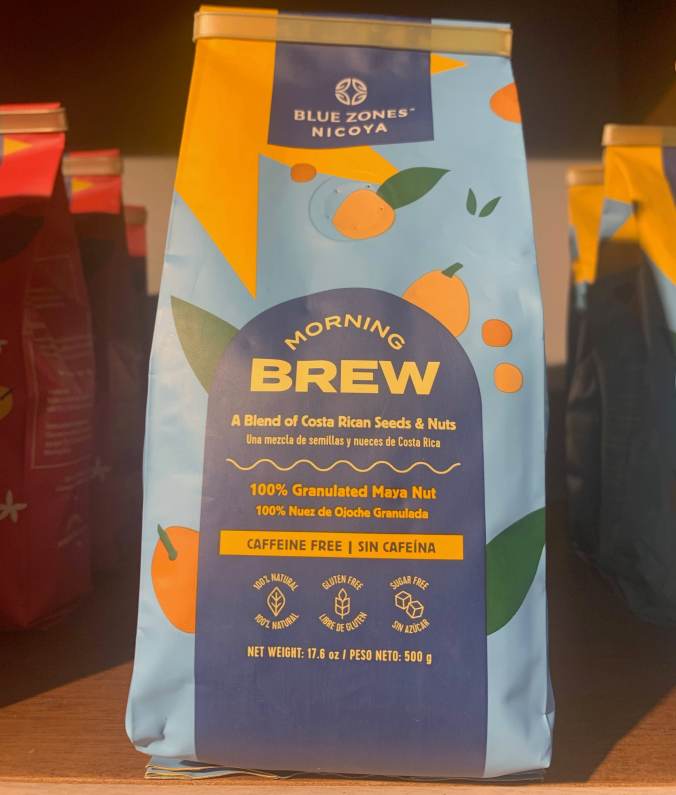
Maya Nut @ Authentica

BZ MayaNut

Authentica was conceived as a shop that would constantly be renewed by the creative forces surrounding us in Costa Rica. Artisans who shape wood in a way that we consider to be quintessentially Costa Rica, or sourced  in a way we consider to be more virtuous. Ceramic pieces that evoke Costa Rica. Foods and beverages that offer a taste of place like nothing else. Today we have a new set of products to talk about, starting with the one in the photo above. Known here as ojoche, but in other places as ramon, or especially as Maya nut; known in Latin by its botanical name as brosimum alicastrum. There is a story to tell, too long for one post but it started for me in Belize. A new plot line…

Experiential Learning & Social Enterprise

img_7929-00d6c37254394099fdabc17f3a9f58edf45afcbe-s2000-c85.jpg

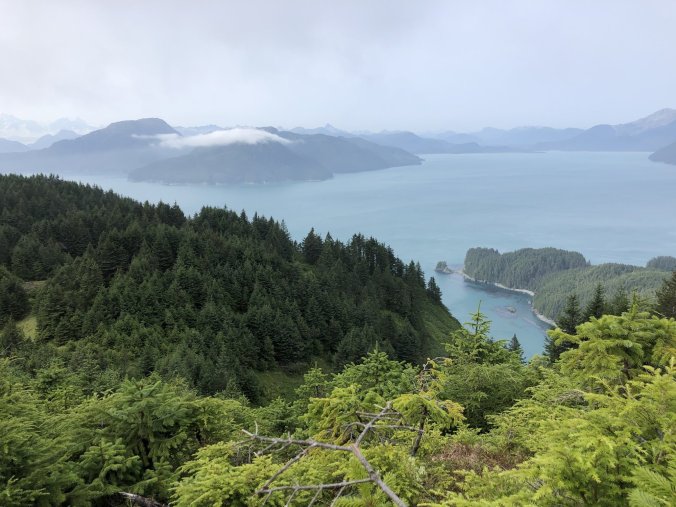
The waters and mountains of the Inian Islands, near Glacier Bay, Alaska.Lauren Migaki/NPR

img_3125-e4c5960c6deafeb70a1351245d93ef84c23822ce-s1300-c85.jpg

With help from books and YouTube, Abe Marcus (left, pictured with Yasamin Sharifi, center, and Tsu Isaka) has been learning how to operate a coal-powered, hand-cranked forge found on the property. Lauren Migaki/NPR

There is a great story shared yesterday on the National Public Radio (USA) website, told in unusually long form for that outlet, by Anya Kamenetz. I look forward to more stories by this journalist — she relates a story that is as far away from my own experience as I can imagine, but I feel at home in it. The picture to the right, from near the end of the story, hints at one reason. But it is not that. Nor is it the fact that I witnessed the birth and evolution of a similar initiative in Costa Rica.

I taught a field course in amazing locations (2005 in Senegal, followed by Costa Rica in 2006 followed by Croatia, India, Siberia and Chilean Patagonia), but that bore little resemblance to the initiative in this story. All those factors may help me feel at home in this story, but mostly I relate to it as a story told well for the purpose of understanding the motivations of a social entrepreneur and incidentally her commitment to experiential learning.
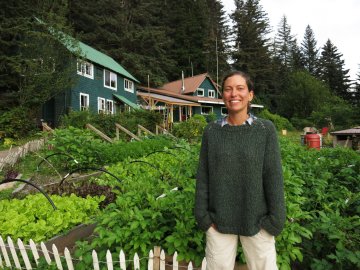
In Alaska’s Wilderness, A New Vision Of Higher Learning

img_3218-40ad27a28a658ea679c7588062a86574bdbf6e68-s1300-c85.jpg

Marcus stands in front of the massive vegetable garden at The Arete Project in Glacier Bay, Alaska. Lauren Migaki/NPR

In Glacier Bay, Alaska, mountains rush up farther and faster from the shoreline than almost anywhere else on the planet. Humpback whales, halibut and sea otters ply the waters that lap rocky, pine-crowned islands, and you can stick a bare hook in the water and pull out dinner about as fast as it takes to say so.

This is the place 31-year-old Laura Marcus chose for her Arete Project. Or just maybe, this place chose her.

The Arete Project takes place in the remote wilderness of the Inian Islands in southeast Alaska.
Lauren Migaki/NPR

Arete in Greek means “excellence.” And Marcus’ Arete is a tiny, extremely remote program that offers college credit for a combination of outdoor and classroom-based learning. It’s also an experiment in just how, what and why young people are supposed to live and learn together in a world that seems more fragile than ever. It’s dedicated, Marcus says, to “the possibility of an education where there were stakes beyond individual achievement — where the work that students were doing … actually mattered.” Continue reading

Creative Conservation, All For Artisans

AuthenticaMLS.jpeg

Authentica opened the first of its two shops last week, and this post is a quick statement of what occurred to me while looking across the shop once all the displays were set up. Back in early June I thought that two words simultaneously riffing off the concept of creative destruction, and our two decades of practicing entrepreneurial conservation, was enough of a tag line for saying what we are doing.

But now three more words seem worthy of adding to the mix. Because across this room it is clear that the pursuit of creative conservation is contextual and very specific; we are doing this all for artisans. I do not mean that just in the sense that we are completely motivated to do what Authentica is doing, for the sake of artisans, though that is true. The variety of items on display–colorful totems of Costa Rica’s culture, design-forward textiles, sensuous ceramics and turned wood objects, specialty coffees and artisanal chocolates–made clear now that Authentica should be more explicit. Say clearly that all proceeds from every sale in Authentica get reinvested back into building a better economy for artisans.  Maybe it can be said in fewer than five words, the way 100% Forward says all that Organikos needs to say. Brevity is the soul of wit, and wit is a powerful currency. I will work on it in the days to come.

Food Traditions & Modern Realities

19-jk-couscous-img_9780_wide-41a7659c6390d490ec35f9afb923320d4f461eb4-s1200-c85

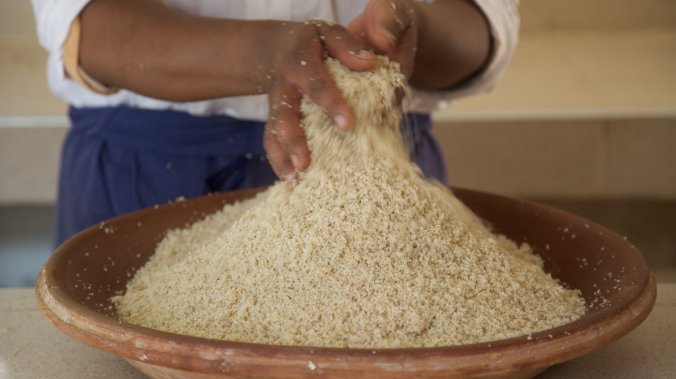
A woman prepares couscous in a small Amazigh (Berber) hamlet on the eastern slopes of Morocco’s High Atlas Mountains. Jeff Koehler for NPR

It seems ages (if only six months) since the folks of the salt, over at National Public Radio (USA), offered a story like this, so thanks to Jeff Koehler – Writer – Photographer – Cook – Traveler for bringing it:

Couscous: A Symbol Of Harmony In Northwest Africa, A Region Of Clashes

In 2016, Algeria announced that it would be applying for UNESCO Intangible Cultural Heritage status for couscous. If successful, the staple food would join a diverse list of more than 500 cultural treasures ranging from hand puppetry in Egypt and tango dancing in Argentina and Uruguay.

37-jk-couscous-img_0385-1--74611dd6b5912bf25ced34fc7ae62bf31249d558-s1200-c85.jpg

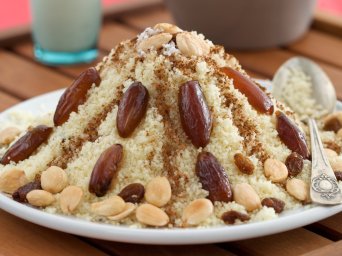
Sweet couscous is popular across the Maghreb. It is generally served with leben, a buttermilk-like fermented drink.
Jeff Koehler for NPR

Couscous refers to both the tiny, hard granules typically made from crushed hard durum wheat semolina, as well as the dish itself. The tiny balls are steamed in a two-level pot with a perforated steamer basket called kiskis (known in much of the world as a couscoussier) over a stew of meat or fish, vegetables and spices, which is served on top.

While a catalog of outside influences has shaped Algeria’s cuisine over the years, it never lost its ancient traditions or uniqueness, wrote Mokhtaria Rezki in her authoritative book Le Couscous Algérian. “Algerian couscous remains in this respect the symbol of our originality and our greatest invention. … If one had to culinarily and symbolically award a medal of our national cultural identity … certainly couscous would be the star and the subject.” So key is couscous to Algerian culture that some simply refer to it as ta’am, or “food.” Continue reading

Authentica’s Culture Is Conservation

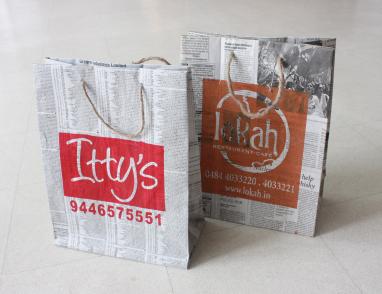
fort-cochin-girls-118.jpgAbout one year in to our time in India Amie got us involved in an initiative that helped reduce our carbon footprint by ensuring that the bags we used in our hotel gift shops contained no plastic. Instead we used bags made from recycled newspaper. We were fortunate enough to have an intern from Amherst College that summer who wanted to work on this. His enthusiasm for the project was so infectious that other interns joined him. Being from Korea, Sung Ho Paik has what I believe is K-pop accompanying his video below.

We were still expanding this initiative with intern assistance years later. Items sold in our gift shops in Kerala followed the lead of the takeaway bag initiative, and elephant paper may be an extreme example but is a useful segue to what is on my mind today. We had the opportunity to join forces with an excellent local design firm in their idea to launch a retail concept with the kind of products that we have always believed in. We  believe in ideas that support entrepreneurial conservation with great design.

Authentica springs from these roots, and the culture of conservation is clearly a guiding force in what will be on offer.

Weavers at Hand

This video expresses the concept of artisan ethos in almost too many ways to count: from the centuries old traditions of weaving in India , to creative communities coming together to rebuild cultural patrimony in the face of natural disasters, not to mention the well-crafted visual storytelling of the piece itself. (Kudos yet again to Anoodha and her Curiouser team for their own style of weaving.) Continue reading