Stewart Brand In Perspective

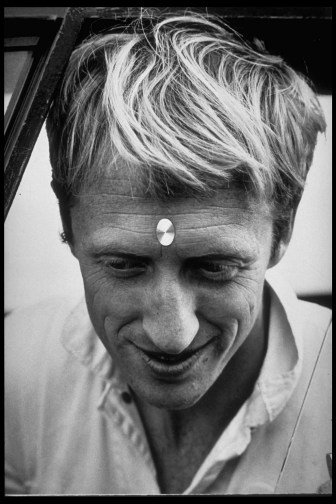
Stewart Brand Ted Streshinsky/Getty Images

He has been mentioned in our pages three times before today. Now, on the fourth occasion, it is about Stewart Brand’s Long, Strange Trip:

In 1966, Stewart Brand was an impresario of Bay Area counterculture. As the host of an extravaganza of music and psychedelic simulation called the Trips Festival, he was, according to John Markoff’s “Whole Earth,” “shirtless, with a large Indian pendant around his neck … and wearing a black top hat capped with a prominent feather.” Four decades later, Brand had become a business consultant. Continue reading

Animal Prints & Entrepreneurial Conservation

Conservation-minded scholars hope to harness the cultural power of animal prints. Illustration by Na Kim

It is difficult to judge from Rebecca Mead’s article Should Leopards Be Paid for Their Spots whether and how the idea has a practical future, although the exemplary collaboration between Panthera and Hermes has allure. The concept has plenty of merit, from my vantage point 26 years into an entrepreneurial career that shares some common ground.

If travelers are willing to pay a premium to support the conservation of a place; if they buy things to take home because those things support artisans and farmers; and continue to buy the coffee when back home because it funds bird habitat regeneration (customers tell me via email that in addition to the coffee being excellent, this is a motivator), then why not this too:

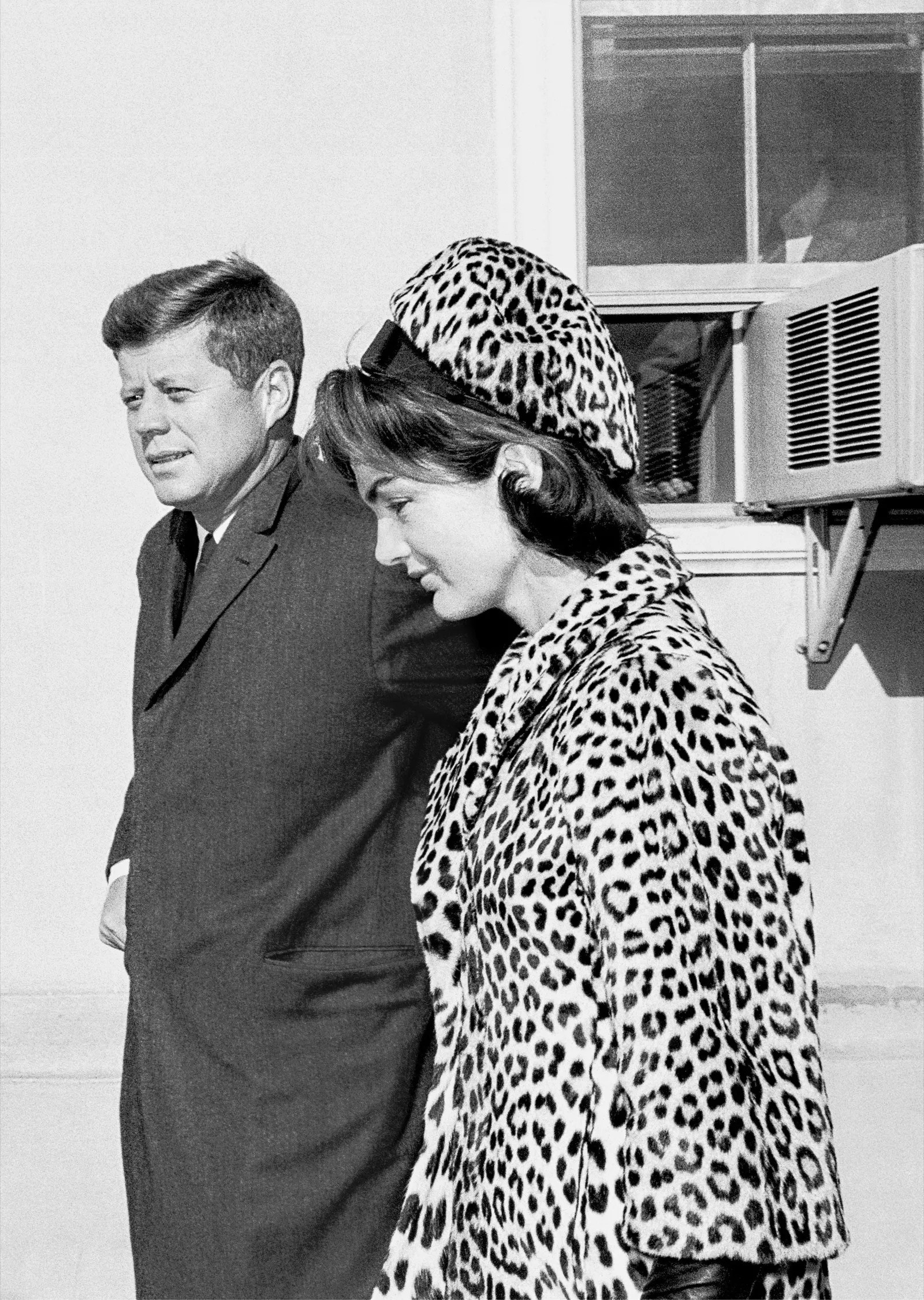
Style-setters from Egyptian princesses to Jackie Kennedy to Debbie Harry have embraced leopard prints. Proponents of a “species royalty” want designers to pay to help save endangered big cats.

Jacqueline Kennedy, in 1962. Photograph from Getty

When Jacqueline Kennedy was living in the White House, in the early sixties, she relied upon the taste of Oleg Cassini, the costume designer turned couturier, to supply her with a wardrobe that would befit her role as First Lady, one of the most photographed women in the world. In 1962, Cassini provided her with a striking leopard coat. Knee-length, with three-quarter sleeves and six buttons that fastened across the chest, the coat was not made from a synthetic leopard-patterned fabric. Continue reading

Kenya’s Coffee Climbs

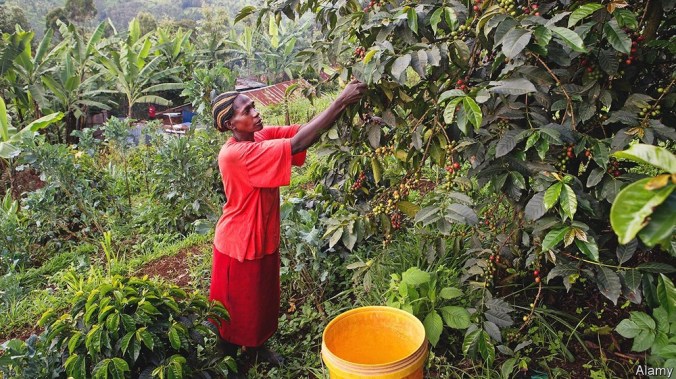
Coffee is climbing uphill in Kenya because the climate up there is more suitable. But there are no easy fixes to the climbing temperatures, for coffee or other crops. Hybrids and wild heirloom varietals had our attention already, and are mentioned in this article from the Middle East & Africa section of the Economist’s print edition under the headline “Hot coffee:”

Why global warming threatens east African coffee

Other cash crops including tea will also be affected

Jeremiah Letting learned about coffee from his father. As a child in the late 1980s, he worked on his family’s one-acre (0.4 hectare) coffee farm in the hills of Nandi county, western Kenya. The cycle ran like clockwork: cultivate, plant, ripen, harvest and sell. “Every year was the same,” he says. “It was timely.” Continue reading

Jumpstarting System Change

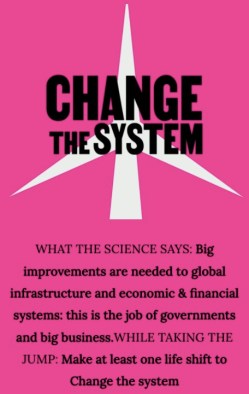
So many things to change, so little time. If you are looking for a way to jumpstart a change to the system, consider these six lifestyle adjustments (thanks to the Guardian for the feature story on Jump):

From using smartphones for longer to ending car ownership, research shows ‘less stuff and more joy’ is the way forward

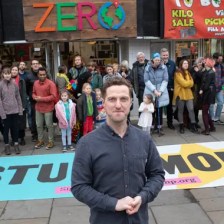
Founder of the Jump campaign Tom Bailey. Photograph: Andy Hall/The Observer

Research shows that people in wealthier, high-consuming countries can help avert climate breakdown by making six relatively straightforward lifestyle changes, creating a society of “less stuff and more joy”.

Experts say if enacted these “shifts” would account for a quarter of the required emissions reductions needed to keep the global heating down to 1.5C and increase pressure on government and the private sector to make the necessary far-reaching systemic change. Continue reading

Circularity & The Future Of Recycling Plastic

Getty

Since our earliest days we have had team members searching for news on the subject of plastic, and what to do about it. The Atlantic, publishing an article by Ula Chrobak that was originally featured in Undark, points out The False Promise of Plastic Recycling:

A French company has a new solution to the plastic problem. Not everyone is buying it.

Since the first factories began manufacturing polyester from petroleum in the 1950s, humans have produced an estimated 9.1 billion tons of plastic. Of the waste generated from that plastic, less than a tenth of that has been recycled, researchers estimate. Continue reading

Less Beef Is Better, No Beef Is Best

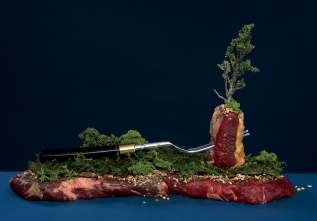
A beef rib lifter stacked with strip steak and a sagebrush tree. Photograph by Kyoko Hamada. Styled by Martin Bourne

The photo to the left might have appealed to me last year or earlier. But having tried giving up beef for so long, and finally prevailing, now it has no appeal. It does not disgust me, but I expect to get there.

Ligaya Mishan’s article What Does the End of Beef Mean for Our Sense of Self? has excellent photography by Kyoko Hamada.

My highest compliment is reserved for the stylist Martin Bourne, for making the photos just slightly creepy, matching my current emotional response to looking at beef.

Strip steaks alongside a piece of sirloin tip. Photograph by Kyoko Hamada. Styled by Martin Bourne

When it comes to America’s legacy of Manifest Destiny, there’s perhaps no meal more symbolic than a bleeding steak. So who are we now that we’re consuming less red meat?

MEAT IS PRIMAL, or so some of us think: that humans have always eaten it; that it is the anchor of a meal, the central dish around which other foods revolve, like courtiers around a king; that only outliers have ever refused it. But today, those imagined outliers are multiplying. The United Nations Food and Agriculture Organization reports that the consumption of beef per capita worldwide has declined for 15 years. Nearly a fourth of Americans claimed to have eaten less meat in 2019, according to a Gallup poll. The recipe site Epicurious, which reaches an audience of 10 million, phased out beef as an ingredient in new recipes in 2020. Continue reading

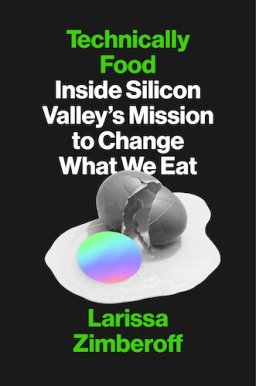
Technically Food

We instinctively favor real food, but this author’s book has our attention:

The inside story of the paradigm shift transforming the food we eat, and the companies behind it.

Eating a veggie burger used to mean consuming a mushy, flavorless patty that you would never confuse with a beef burger. But now products from companies like Beyond Meat, Impossible Foods, and Eat Just that were once fringe players in the food space are dominating the media, the refrigerated sections of our grocery stores, and, increasingly, the world. With the help of scientists working in futuristic labs––making milk without cows, and eggs without chickens––startups are creating wholly new food categories. Real food is being replaced by high-tech. Continue reading

Plastic, The Gift That Keeps Giving

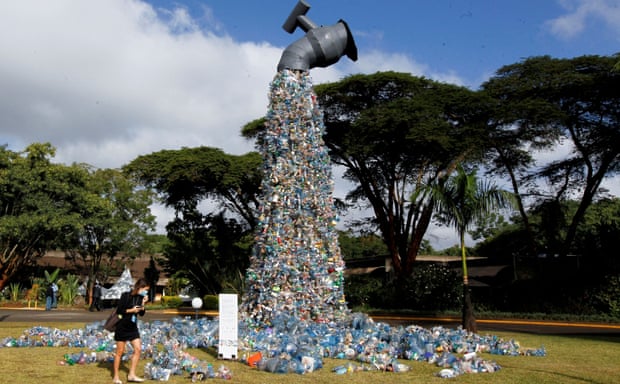
An artwork at the Nairobi summit venue by the artist Benjamin von Wong, made with rubbish from Kibera slum, urging people to ‘turn off the plastic tap’. Photograph: Monicah Mwangi/Reuters

We have endless opportunities to demonstrate leadership, thanks to plastic:

World leaders agree to draw up ‘historic’ treaty on plastic waste

UN environment assembly resolution is being hailed as biggest climate deal since 2015 Paris accord

World leaders, environment ministers and other representatives from 173 countries have agreed to develop a legally binding treaty on plastics, in what many described a truly historic moment. Continue reading

Organic Cotton, India & Veracity

Harvested organic cotton at a bioRe facility in Kasrawad, India. India is the single largest producer of the world’s organic cotton, responsible for half of the supply. Saumya Khandelwal for The New York Times

When I see a headline like That Organic Cotton T-Shirt May Not Be as Organic as You Think my first reaction is a reflexive wince.

I will read the article for sure, as I did in this case, but even before reading it I feel defensive.

I am deeply committed to organic certification and seven years living in India makes this subheading into a red flag in terms of my sharing it with others:

The organic cotton movement in India appears to be booming, but much of this growth is fake, say those who source, process and grow the cotton.

Not because it is hard to believe. Exactly the opposite. I had work experiences that this story echoed in a different context. But when I share articles I value each day, usually on an environmental topic, a large percentage of those who click and read are from India. That is likely because we started this platform 10+ years ago while based in India. I do not enjoy, even if I am confident of its veracity, sharing news that I know will make those visitors, not to mention my many friends in India, uncomfortable.
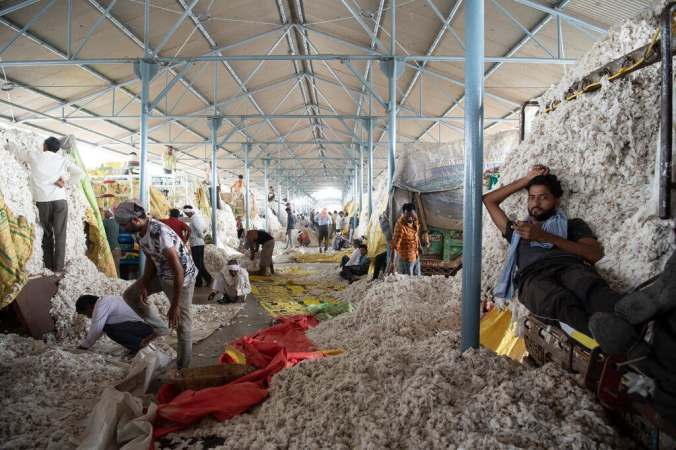
Farmers set up their load of cotton at the Khargone mandi, a large auction market. Saumya Khandelwal for The New York Times

But I got over it. Each of the journalists who authored this story put something on the line to get these important facts about two topics I care about. So, please read on and visit the source so the authors and photographer are properly credited for their excellent work:

Michael Kors retails its organic cotton and recycled polyester women’s zip-up hoodies for $25 more than its conventional cotton hoodies. Urban Outfitters sells organic sweatpants that are priced $46 more than an equivalent pair of conventional cotton sweatpants. And Tommy Hilfiger’s men’s organic cotton slim-fit T-shirt is $3 more than its conventional counterpart. Continue reading

Invasivorism & Reasonable Questions

Grey squirrels have driven the local extinction of the native red across much of England and Wales. Photograph: Paul Broadbent/Alamy

If you do not eat animal protein, this concept may not appeal to you. But if you allow that others who eat meat may be able to do so ethically, then read on.

If you do eat any kind of meat, then it is a reasonable question whether invasive species are fair game: Rack of squirrel, anyone? The chefs putting invasive species on the menu

Roast rack of squirrel, fondant jersey royal potatoes, carrot and wild garlic served at Paul Wedgwood’s restaurant in Edinburgh, Scotland. Photograph: Wedgwood

‘Invasivorism’ is a growing ethical dining trend but is ‘eat them to beat them’ really the answer?

From oral contraceptives to proposals to edit their DNA, efforts to control the UK’s invasive grey squirrel population have become increasingly elaborate. But a growing number of chefs and conservationists have a far simpler idea, which they see as part of the trend in ethical dining: eat them. Continue reading

More On, And From, Kim Stanley Robinson

“The Ministry for the Future” displays Robinson’s anti-anti-utopianism: its prognosis is both heartening and harrowing. Illustration by Deena So’Oteh

Thirteen months ago I first became aware of this author and this book. Four months ago Robinson showed up on my radar again. I still had not made time for his book. And two weeks ago, another reminder of how my time has and has not been employed, this time posed as a question: Can Science Fiction Wake Us Up to Our Climate Reality? I already feel quite awake to that reality, but the question is still of considerable interest.

Kim Stanley Robinson’s novels envision the dire problems of the future—but also their solutions.

Robinson at home in Davis, California. Much of his sci-fi could seem like nature writing, with the Sierra Nevadas—his “heart’s home”—recast as Mercury or Mars. Photograph by Jim McAuley for The New Yorker

Last summer, the science-fiction writer Kim Stanley Robinson went on a backpacking trip with some friends. They headed into the High Sierra, hiking toward Deadman Canyon—a fifty-mile walk through challenging terrain. Now sixty-nine, Robinson has been hiking and camping in the Sierras for half a century. At home, in Davis, California, he tracks his explorations on a wall-mounted map, its topography thick with ink. He is a devotee of the “ultralight” approach to backpacking and prefers to travel without water, instead gathering it along the way, from lakes and streams. Arriving at the canyon, with its broad, verdant floor cradled in smooth slopes of granite, he planned to fill his bottles with meltwater from the seven glaciers buried in its headwall. Continue reading

Fashion’s Fatal Flaw

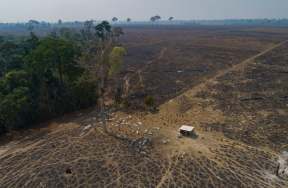
Cattle grazed on land burned by farmers in Brazil in August 2020. Andre Penner/Associated Press

In 10+ years we have occasionally mentioned the bags we use to tote things or to package things. We occasionally notice that fashion branded handbags have not received their fair share of attention (maybe because we do not use them).

Anyway, we aim to correct that, as we point to climate and other environmental issues and potential solutions. Thanks to Whitney Bauck for this article titled Did Your Handbag Help Destroy the Rainforest? It gives us good reason to pay more attention to fashion’s footprint:

A recent report examines the links between fashion brands and Amazon deforestation.

The rainforest and the runway may seem worlds apart, but deforestation in the Amazon is partly fueled by something that’s on display in every fashion capital this month: leather. Continue reading

Too Much Hype About Too Much Stuff

The Economist recently promoted a notion:

Rags to riches – fashion as an asset class HOW DID second-hand clothes become fashion’s hottest buy? Online resale and rental firms are changing the calculus on what it means to buy fashion “as an investment”

Hype? We will see. The “trapped” value of fashion items in our homes might get liberated as discussed, but what about the fundamental trap of fashion?

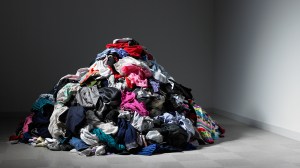
Ryan McVay/Getty Images

Kenneth P. Pucker shares an important lesson from his time in industry, and kudos to Harvard Business Review for giving him the platform to explain The Myth of Sustainable Fashion:

Few industries tout their sustainability credentials more forcefully than the fashion industry. Products ranging from swimsuits to wedding dresses are marketed as carbon positive, organic, or vegan while yoga mats made from mushrooms and sneakers from sugar cane dot retail shelves. New business models including recycling, resale, rental, reuse, and repair are sold as environmental life savers. Continue reading

Civic Responsibility, Palm Oil & Change

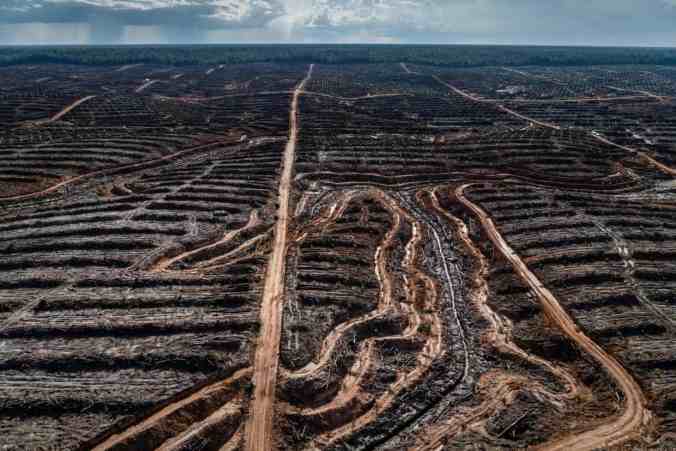
Forest clearance in Indonesia. Palm oil production in the country, which is one of the world’s largest producers, has been linked to deforestation. Photograph: Ulet Ifansasti/Greenpeace

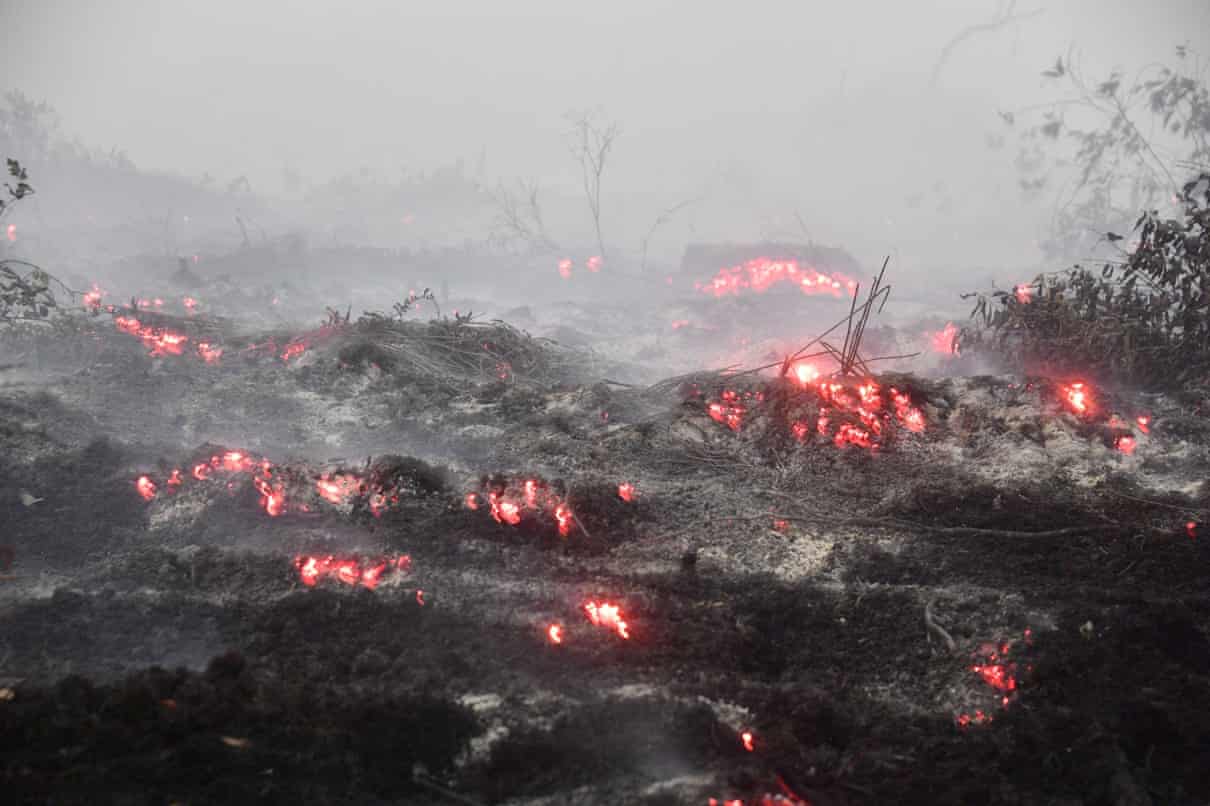
Smouldering peatland following a suspected land clearance fire in Kampar, Sumatra, in 2019. Photograph: Adek Berry/AFP/Getty Images

Palm oil has a dirty history. It causes havoc, to put it politely. May we all do our part to elect civic leaders with a keen sense of responsibility for devastation in other parts of the world, and get them to take action to reduce it. We thank Patrick Greenfield for his reporting in this article titled The UK city taking a stand on palm oil in the fight against deforestation:

A growing number of towns and villages are following Chester’s lead in helping local businesses to eradicate deforestation-linked oil from their supply chains

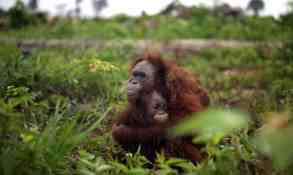
Orangutans, tigers, Sumatran rhinos and many other threatened species are affected by habitat loss and human-wildlife conflict that stems from palm oil plantations. Photograph: Vier Pfoten/Four Paws/Rhoi/REX/Shutterstock

From mince pies and biscuits to lipstick and soap, palm oil grown on deforested land in south-east Asia will have been hard to avoid this Christmas. The vegetable oil is found in almost half of all packaged products in UK supermarkets, according to WWF.

But a growing number of towns and cities are trying to use only sustainable palm oil, helping orangutans, tigers, Sumatran rhinos and many other threatened species. Continue reading

2021 Climate Inaction

ILLUSTRATION: JENNY SHARAF; GETTY IMAGES

Not fun, but a useful review:

2021 Was a Huge Missed Opportunity on Climate Action

The pandemic should have been a wake-up call—instead, emissions have climbed once more. Here’s how the US could have seized the opportunity

JUST LIKE THAT, a pandemic-fueled glimpse of a better world is growing hazy—or smoggy, to be more precise. As civilization locked down in early 2020—industries ground to a halt, more people worked from home, and almost no one traveled—global carbon dioxide emissions crashed by 6.4 percent, and in the United States by 13 percent. In turn, air quality greatly improved. Life transformed, sure enough, but that transformation was fleeting. Scientists warned that the drop would be temporary because economies would roar back stronger than ever to make up for lost revenue. Indeed, by the end of 2021, emissions have now returned to pre-pandemic levels. Continue reading

Beggar Thy Southern Neighbors

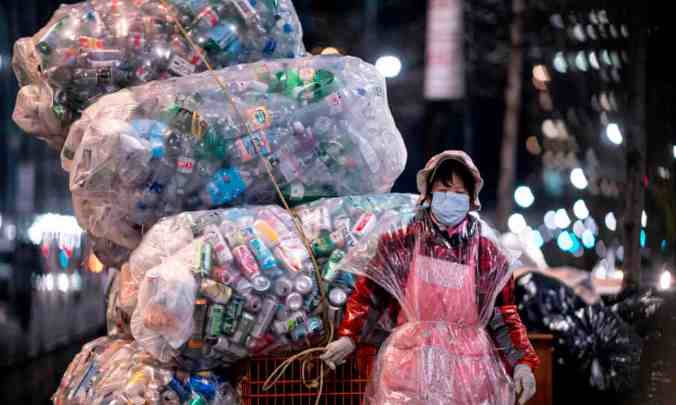
A woman pulls a cart loaded with bags of recyclables through the streets of New York. Photograph: Johannes Eisele/AFP/Getty

Thanks to the Guardian for this Econ 101 textbook example of a “beggar thy neighbor” action taken in one country and imposed on others, using “market forces” explanations to justify the action:

Latin America urges US to reduce plastic waste exports to region

Study finds exports to region doubled in 2020 with practice predicted to grow as US invests in recycling plants

Environmental organisations across Latin America have called on the US to reduce plastic waste exports to the region, after a report found the US had doubled exports to some countries in the region during the first seven months of 2020. Continue reading

Really, Joe?

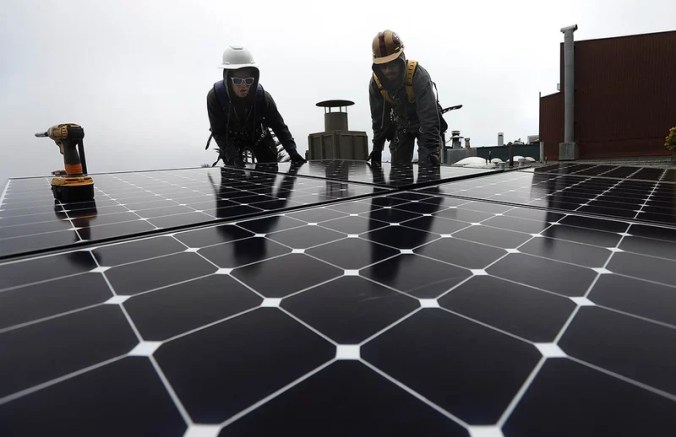
The Build Back Better legislation included billions to accelerate clean energy like rooftop solar, but with the bill now stalled in Congress, cutting U.S. emissions will be tougher. Justin Sullivan/Getty Images

Really? is a question we have to ask every now and then. We had no time to waste, because the country with the biggest carbon footprint per capita needed to change something(s) substantially to allow the planet a chance. But one senator stood in the way. Thanks to National Public Radio (USA) for laying out clearly what the stakes were, and now are:

What losing Build Back Better means for climate change

With billions of dollars for clean energy, the Build Back Better legislation has the potential to substantially and rapidly cut heat-trapping emissions in the U.S. But after West Virginia Senator Joe Manchin rejected the bill on Sunday, Build Back Better is effectively dead, at a time when scientists say the world can’t afford to wait on climate change. Continue reading

Where Dollars Do The Most For Climate

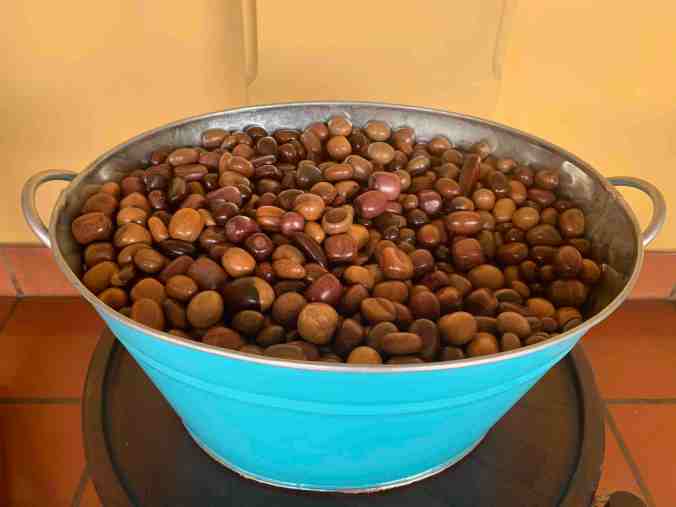
Wood artisans take remainders leftover after the creation of larger artifacts, and recycle them by tumbling until smooth. An excellent alternative to polished stones, these “renewable pebbles” are available in the Authentica shops in Costa Rica.

We have been offering options on how to spend, while visiting Costa Rica, in ways that benefit the environment here. Small potatoes, but it is what we do.

Much more important for the planet as a whole, and for all humanity inhabiting it, is spending, or rather investing, that can have truly global impact. Robinson Meyer, a staff writer at The Atlantic, and author of the newsletter The Weekly Planet, has this useful guide for citizens of the USA:

Allison Bailey / NurPhoto / AP

A New Estimate of the ‘Most Effective’ Way to Fight Climate Change

Climate-concerned donors should focus on helping to pass climate policy, not offset their emissions, an advisory group says.

On a dollar-for-dollar basis, where will your money do the most to fight climate change? Continue reading

The Nutmeg’s Curse, Reviewed

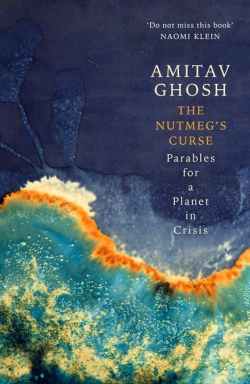
The Nutmeg’s Curse: Parables for a Planet in Crisis
by Amitav Ghosh
Hachette
352pp
Published October 2021
ISBN: 9781529369458

Amitav Ghosh, appearing in our pages only once before, has a new book. The title of this review of the book, A Dazzling Synthesis, says plenty, as does the endorsement from Naomi Klein:

We have been aware for centuries that we are responsible for the earth’s denudation: its ‘cold staring spaces’, as English writer John Evelyn called them in 1706, mourning the trees chopped down on his estate.  Around a hundred years later, the Prussian explorer Alexander Von Humboldt worried over ‘mankind’s mischief’, conjecturing that if humans ever ventured into outer space, they would carry with them a tendency to leave everything ravaged and barren.  (The closer they resembled man, he also observed, ‘the sadder monkeys look’).  ‘Are the green fields gone?’ asked the narrator of Herman Melville’s Moby Dick, published fifty years after Von Humboldt’s 1801 diary, as he watched his fellow Manhattanites staring dreamily out to sea.  Continue reading

Gifts That Give

How can you gift in a way that does not generate waste, that reduces waste, or that regenerates ecosystems? Sara has a fun and practical list in her Yale Climate Connections column, which I have linked to below. It got me thinking of what I would add to her list. Yesterday I reached back to a couple of posts from two years ago when we were preparing to open the Authentica shops, mentioning products we carry from artisan groups that recycle heavy plastics, in one case, and wood in the other. We have other products made from recycled materials, but our best selling product is Organikos coffee, all of the proceeds of which are invested in ecosystem regeneration. Laura’s question about gifting toward climate action is one we all should be asking:

ASK SARA

Eco-friendly gifts for every budget in 2021

Holiday cheer that’s good for the planet, too.

Hi Sara!

I’m trying to find a gift for my mother for Christmas, and I like the idea of gifting toward climate action. Might you have recommendations?

Thank you for your time

— Laura

Hi Laura,

Sure thing. Here’s a list of climate-friendly gift ideas for every budget.

A board game, puzzle, houseplant, or other item from your local “Buy Nothing” group (Price: Free)

Why it’s climate-friendly: Manufacturing stuff requires consumption of energy and natural resources, so it’s better for the climate to reuse products rather than buying new. Continue reading