Surfing In Tahiti For Costa Rica

Example of images being shared online in Costa Rica as Brisa Hennessy surfs in Olympic competition in Tahiti

This image above is being shared on social media among friends here, and the local English language newspaper has this to say:

After a magnificent performance, Costa Rican surfer Brisa Hennessy moved on to the third round of the women’s surfing tournament at the 2024 Olympic Games. The Costa Rican athlete obtained a score of 15.56, earning an 8.33 and a 7.23, in the competition held in Teahupo’o, Tahiti. Continue reading

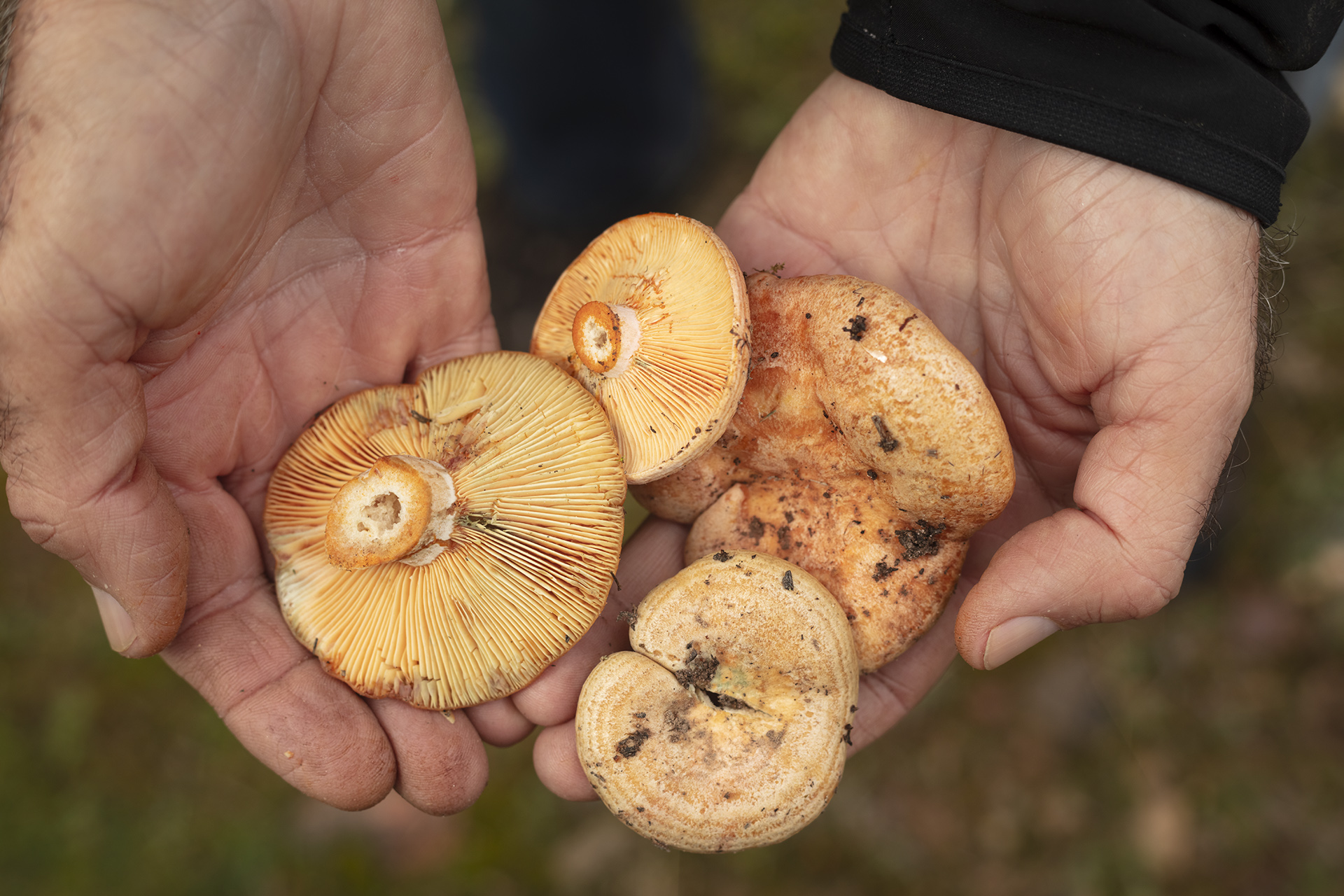
With Rewilding, Markets Are Not Everything, But Are A Key Ingredient

Rewilding can support the development of a wide range of nature-based businesses. NEIL ALDRIDGE

Places can have a particular taste, maybe one that is even iconic, and coffee was the obvious tool in our taste of place toolkit for decades. When it came time to focus on these products as our primary work we drew on some earlier experiments.

One was with honey and the other was with wine. All that was long before coming home to Costa Rica to launch Organikos.

Lunch provided with products from the Wild Côa Network during the ERN-EYR event in the Greater Côa Valley. The Wild Côa Network, which now comprises over 50 members, is driving the development of nature-based enterprise in and around Portugal’s Greater Côa Valley. NELLEKE DE WEERD

We are about to introduce two new products, and one has a story that mixes conservation and rewilding. So, in this story  that follows we sense something akin to the Organikos products in our Authentica shops:

Nature-based business networks take off across Rewilding Europe landscapes

Helping nature heal can lead to prosperous local economies. Nature-based business networks are being developed in a growing number of our rewilding landscapes, enabling businesses and communities to benefit from nature recovery in a sustainable way. This, in turn, is generating more support for rewilding.

The network effect

Today, nature-based business networks are a growing feature of Rewilding Europe’s expanding portfolio of rewilding landscapes. These bring businesses together under a shared rewilding vision for the landscape, facilitating the creation of new tourism packages, helping to close gaps in tourism experiences, and creating new economic opportunities. Continue reading

Coffee Bags On Other Second Shift Duties

More ways to re-use coffee bags

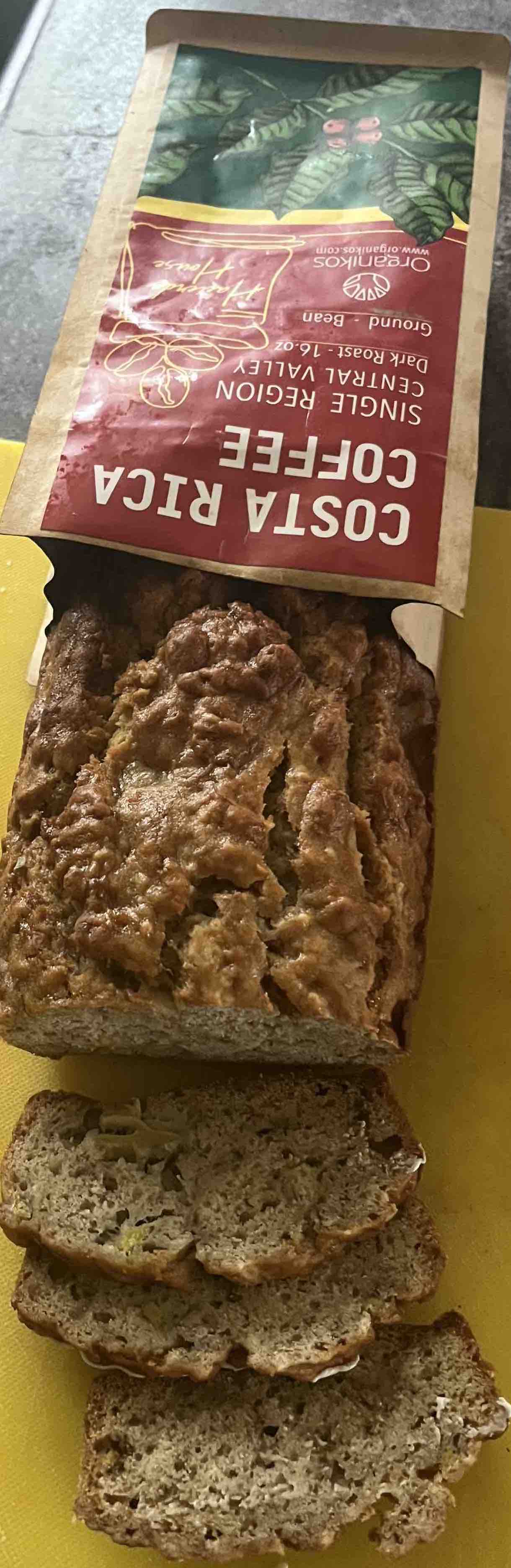
We have changed our coffee labels, but continue to use kraft bags, and continue to find ways to re-use those with the old style labels. Above, and below, case in point. Continue reading

An Unappreciated Creature

A macro image of a Costa Rican mosquito, Psorophora cilipes.

Living in, or even just visiting Costa Rica, inspires appreciation, and respect, for nature. But one creature defies this spirit:

Entomologist says there is much scientists don’t know about habitats, habits, impacts on their environments

A blood-sucking nuisance, mosquitoes are responsible for spreading diseases to hundreds of millions of people every year. True?

A Culex mosquito feeding from an invasive brown anole lizard in Florida. Photos courtesy of Lawrence Reeves

Yes, says entomologist Lawrence Reeves, but it’s also true that mosquitoes primarily feed on plant sugars, not blood. Only female mosquitoes consume blood, and only when they need it to complete their reproductive cycle. Also, it is possible some may serve as pollinators like bees, allowing plants to produce fruit, seeds, and more young plants. Continue reading
Hacienda La Amistad, 2024

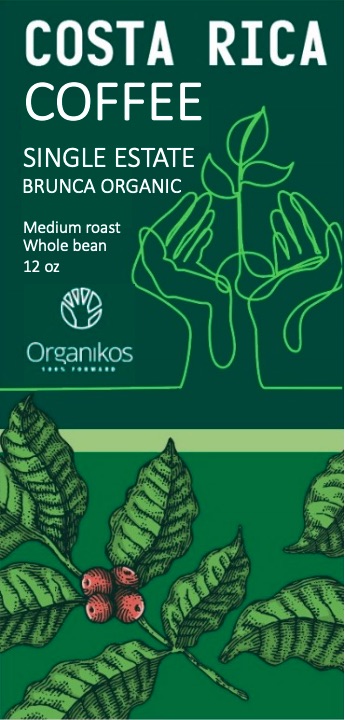
Amistad label circa 2019

Amistad label 2020-2023

We have been offering this Hacienda La Amistad coffee since 2019. The original label, seen in the photo above, was one we thought perfect for its simplicity.

During the pandemic, with time on our hands, we redesigned all of our labels and came up with this label to the left.  It served us well over the last few years,  as we expanded from selling only in the Authentica shops in Costa Rica to also roasting and selling in the USA.

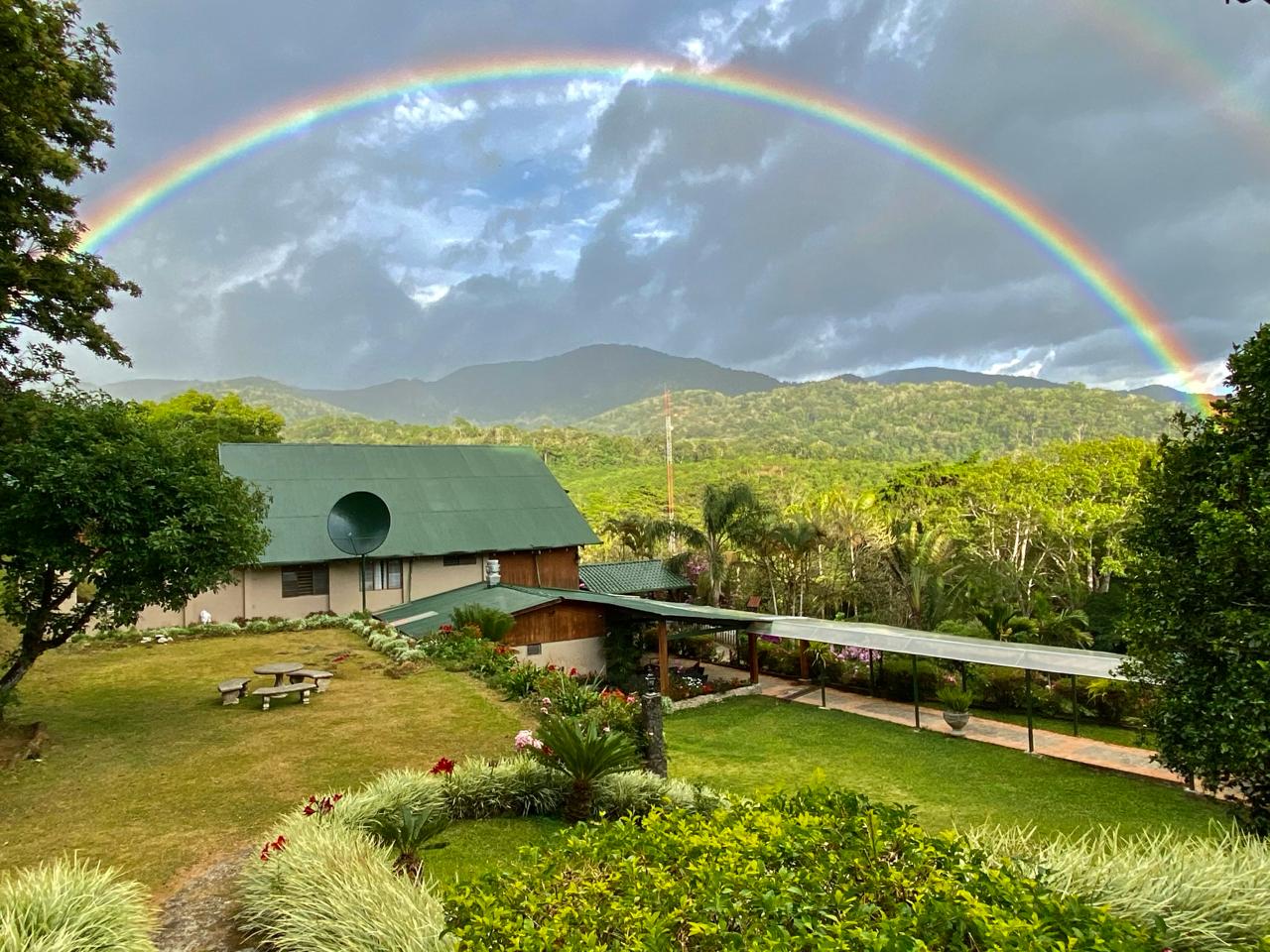
Starting in early 2024 we began rethinking all of our coffee labels. We approached the task region by region, with the blends and the single estates following a common design style. We saved this coffee for last, for no particular reason, but yesterday the rainbow over the farm was our signal that it was time to release the new label:

Hacienda La Amistad March 10, 2024

Thank you to the farm for the inspiration:

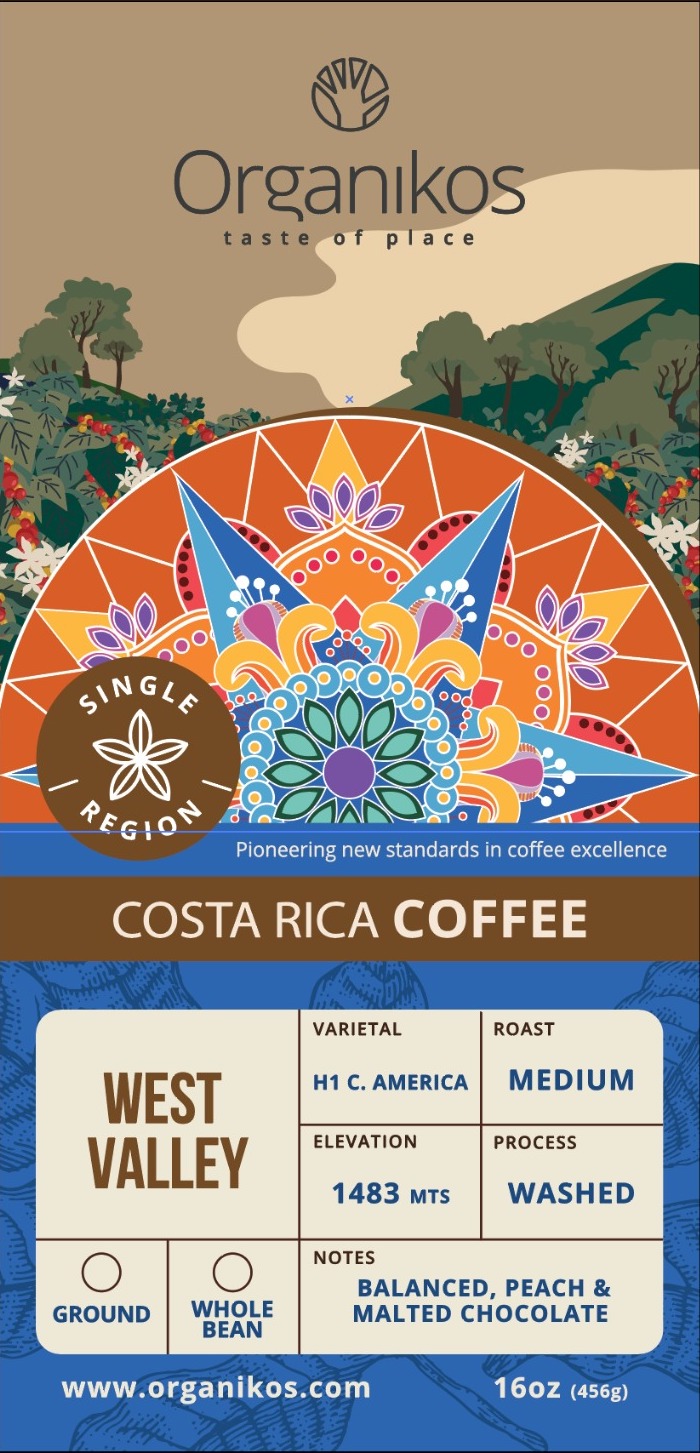
Amistad label, 2024

Costa Rica’s West Valley Coffee Region

Historically the West Valley region of coffee farms were different from other coffee-growing regions of Costa Rica. One of the hallmarks of this country’s coffee farming culture has been the regional cooperative into which virtually all top quality beans get sold to. West Valley also had its own cooperative, but not the type of solidarity typical of Tarrazu.

That has changed recently, as a new generation of farmers have taken over the family enterprise, many educated now not only in agronomy but also entrepreneurship. They see that innovative practices–crop yield and quality improvements–can be advanced in conjunction with those who are otherwise competitors. West Valley farmers learned this and practice it, now making some of the best coffee on hand.

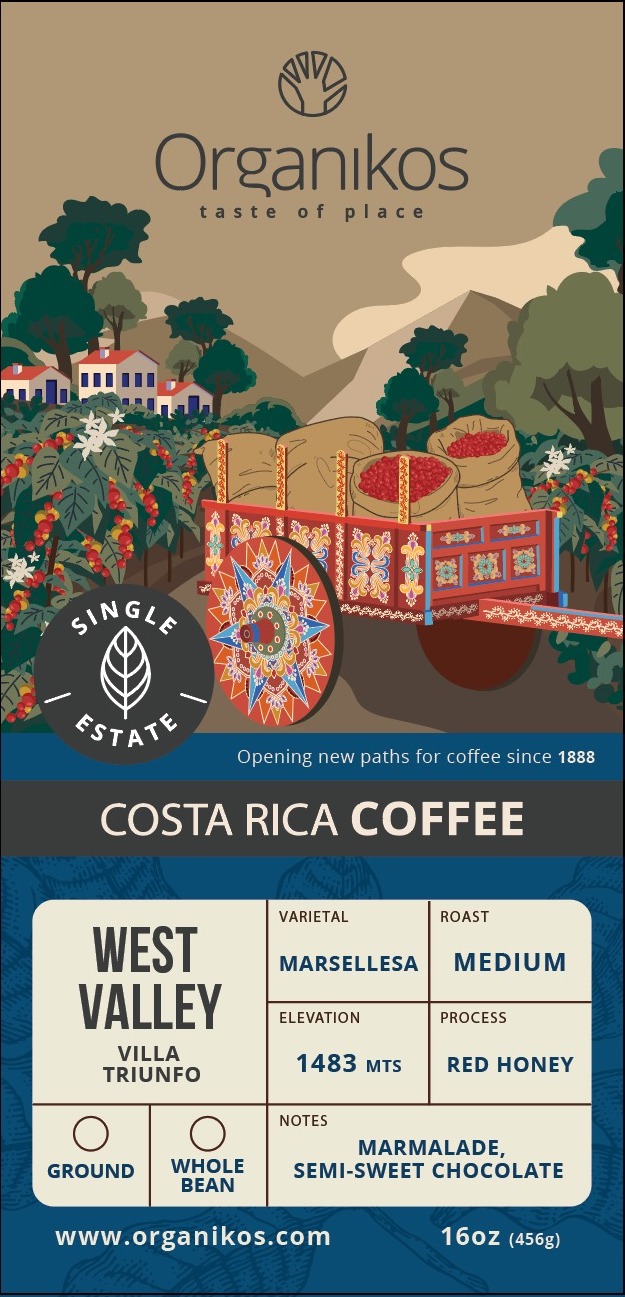
Villa Triunfo, Old Farm & New School

We have shared a few posts in these pages mentioning Villa Triunfo, but now we have designed a new label for it. So, time to celebrate that. What is most important to us about the farm is that it is one of the oldest continuously operating coffee farms in Costa Rica, since its first plantings in the late 1800s.

That, and the fact that today it is also one of the more innovative in terms of pioneering hybrids that help the coffee stay fit in the context of climate change and the various challenges (such as the uniquely problematic mold that is called rust). It is the end of harvest season, when coffees in the West Valley are being processed. The red honey process used for this coffee allows all the sugars from the juicy fruit to absorb into the beans. We look forward to cupping it soon.

Central Valley Reserve

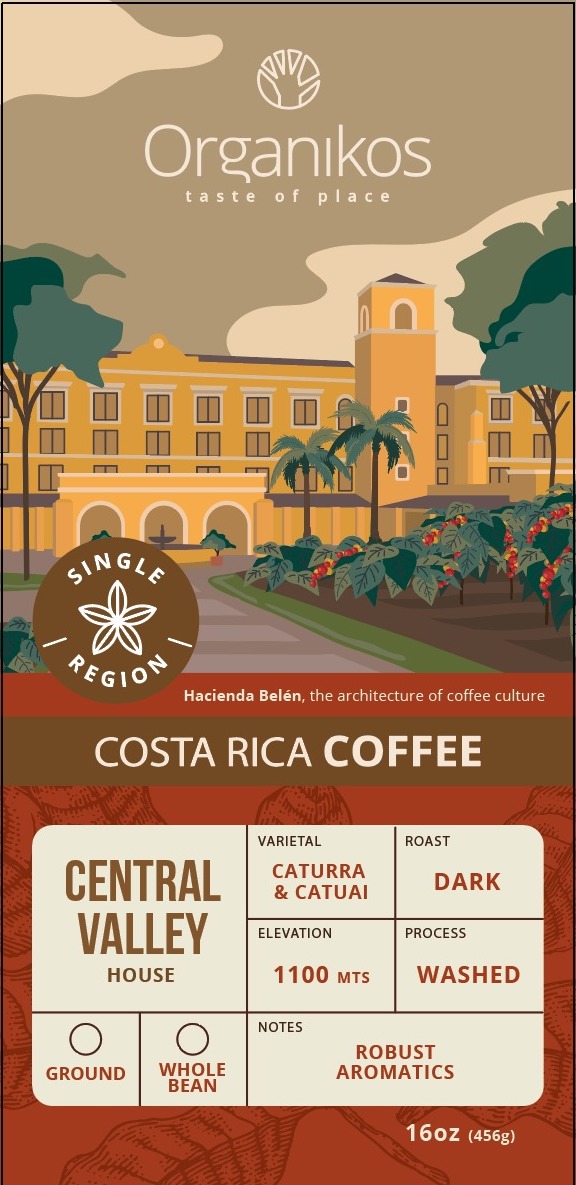
Central Valley coffee farms produce reliably high quality beans. A few farms produce beans of unusual quality, and we source from these farms to create a blend worthy of the name Reserve. Unlike the chocolate notes typical of a Los Santos coffee, or more fruity or floral notes from other regions, here we find a special toasted nut sensation.

The “architecture of coffee heritage” caption for the image on this label refers to the fact that this building from the 1990s pays tribute to the history of coffee in Costa Rica. It was built within a coffee hacienda, and this year thousands of coffee plants are being replanted on the property. If you have an interest in the feeling of a coffee plantation, and plan to visit Costa Rica, you could not do better than spend a few days here.

Hacienda House, Dark Roasted

The same principles in the description of Italian roast apply in moderation to this dark roast of beans from the Central Valley. This region has not racked up prizes in competitions the way Los Santos coffees have. You might characterize it the way a work horse is different from a race horse. High utility; gets the job done with strength and consistency.

That metaphor has its limits but works for the same reason we call this our house coffee. For those who want to start the day with the energy that coffee offers and the strength of character that a dark roast provides, this is a reliable choice. The illustration on the label is of one of the first two locations where we set up shop when Organikos was being introduced through the Authentica shops.

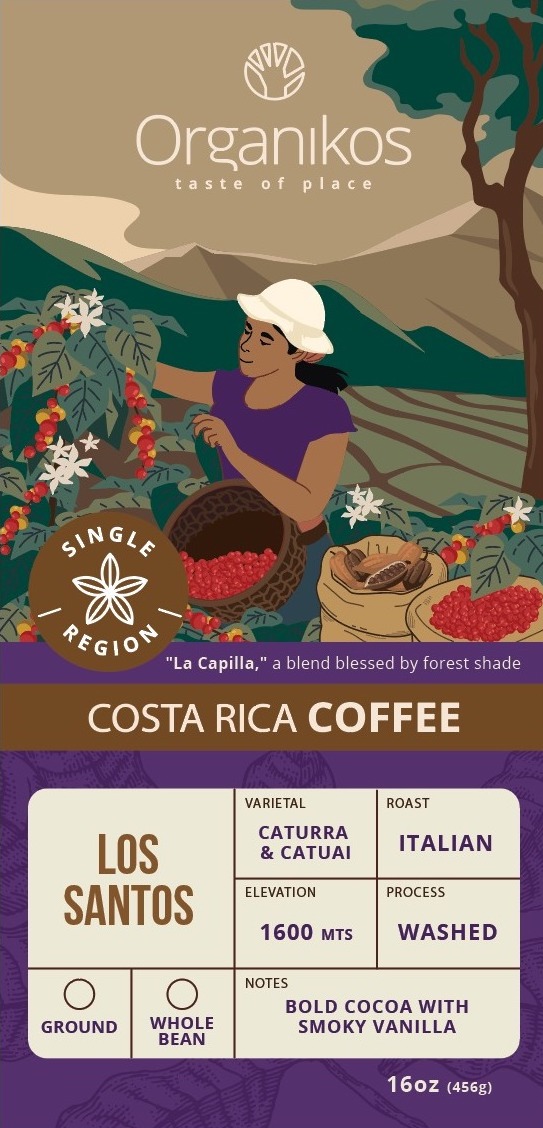
La Capilla, Italian Style

We offer La Capilla roasted at a higher temperature, around 480°F, and for 5–10 minutes longer than the medium roast. When roasted to the Italian level these beans arrive at a much darker brown color, closer to black, covered in oils released from the high temperature and length of exposure to that heat. It has a lower acidity level, leading to a boldness that is not the characteristic of the same beans roasted medium, which have a mellower mouthfeel.

Roasted hotter and longer also creates a slight smokiness, with notes of chocolate and a particular type of sweetness from the beans’ internal sugars being caramelized. Something about this combination, we have found, either you love, or you do not love. If you do, this is your coffee. If not, go medium.

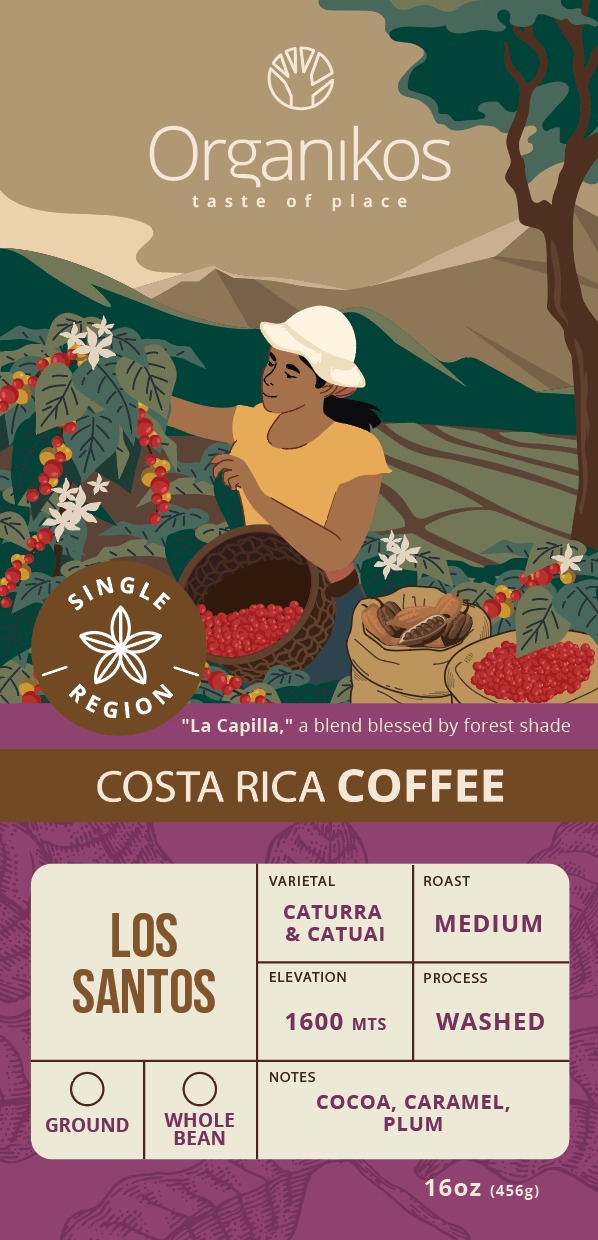
La Capilla, A Plum Assignment

These beans, blended from a select group of smallholder coffee farms collectively known as “the chapel,” have a new illustration. This week it debuts in our shops in Costa Rica. A year after we introduced this coffee in our shops we could only guess it was to become the bestseller it now is.

During the pandemic, when the airports were shut down and there were few visitors to our shops, honoring the contracts we had with these farmers got us thinking creatively. We started offering this and a few other of our coffees for sale in the USA. Because it was a favorite in our home, La Capilla was chosen for this plum assignment. Then we knew.

Tarrazu started its qualification for denomination of origin status the same year we started roasting it, and qualified two years later. The rules are still being clarified on how to use the name, so on our labels we have reverted to the region’s traditional name Los Santos.


Single Estate Coffee, Double Taste Of Place

The last time we introduced a varietal of coffee that was new to Organikos it had taken about a year to settle on the farm we would source from for the longer term. For the geisha varietal that farm is Hacienda La Pradera. During the last two years offering their coffee we have underestimated the demand and run out of coffee long before the new harvest is available. So, as of now, we have no geisha to offer until April.

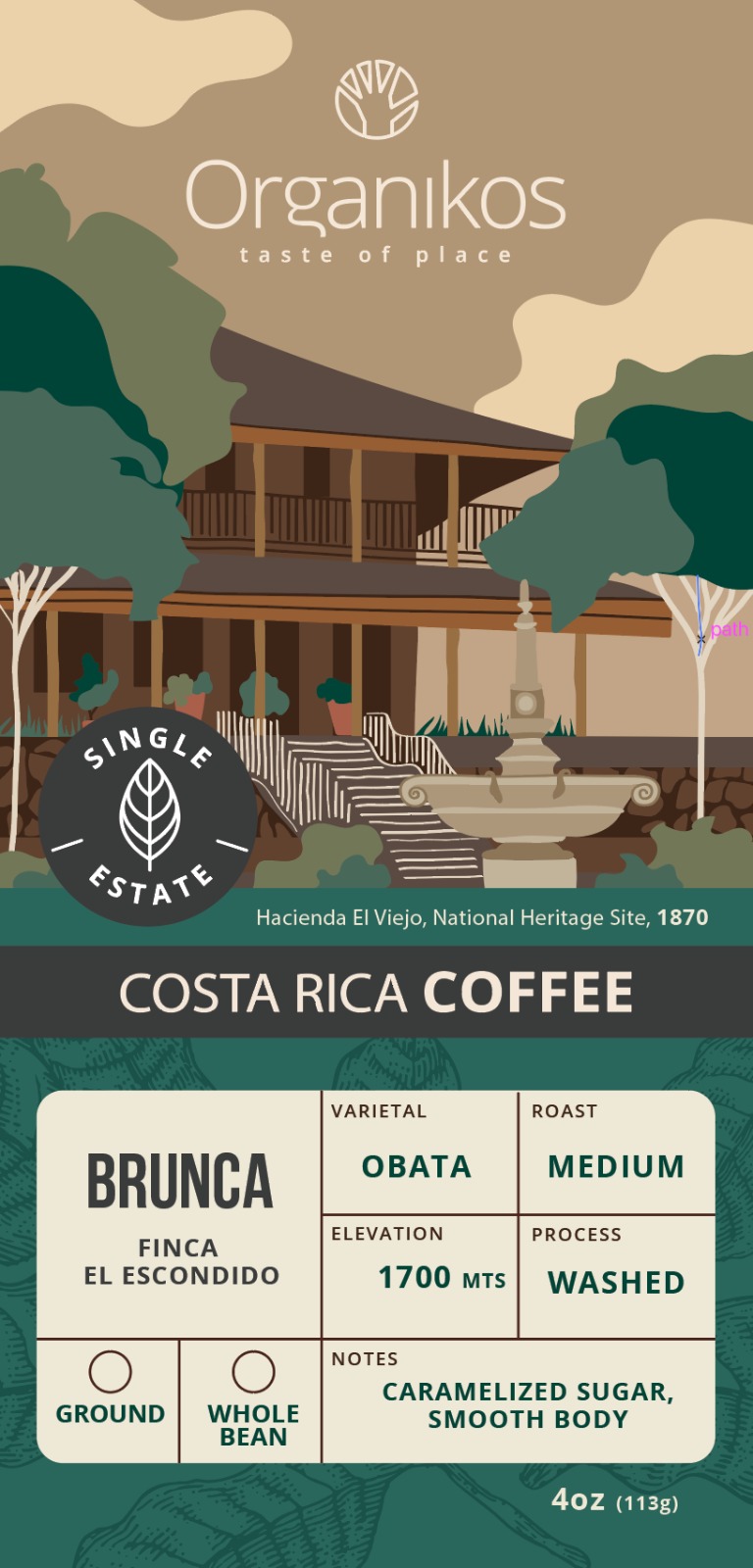
But as of this week, we have a new (to us) varietal, from a new (to us) farm. Obata is a hybrid brought to Costa Rica in 2014 by the Costa Rican Coffee Institute (ICAFE), prized for its resistance to rust. Finca El Escondido, in the Chirripo sub-region of Brunca may be the most successful farm to grow it so far. Continue reading
Authentica, Nicoya Peninsula

Traveling by car from Monteverde to Palo Verde National Park should take about 90 minutes

The Nicoya Peninsula is one of the Blue Zones we have mentioned previously. For our family there is a memorable connection to the wetlands area where we are opening a shop this month, just as there was in Tamarindo. In 1998 we had a dozen family members visiting and organized a small bus to transport us to Arenal, Monteverde, and onward to the Palo Verde National Park. Continue reading

Carlos Manuel Rodriguez, Leading The Conversation, Again

We are grateful to the GEF for sharing this, and to Carlos Manuel Rodriguez for leading the conversation, as he has always done:

Creating space for young people to affect climate policy

In a recent conversation at his home, GEF CEO and Chairperson Carlos Manuel Rodríguez heard from members of the Youth and Climate Change Network of Costa Rica about how the climate emergency is impacting young people. Continue reading
Organikos Taste Of Place, Fruits Of Costa Rica

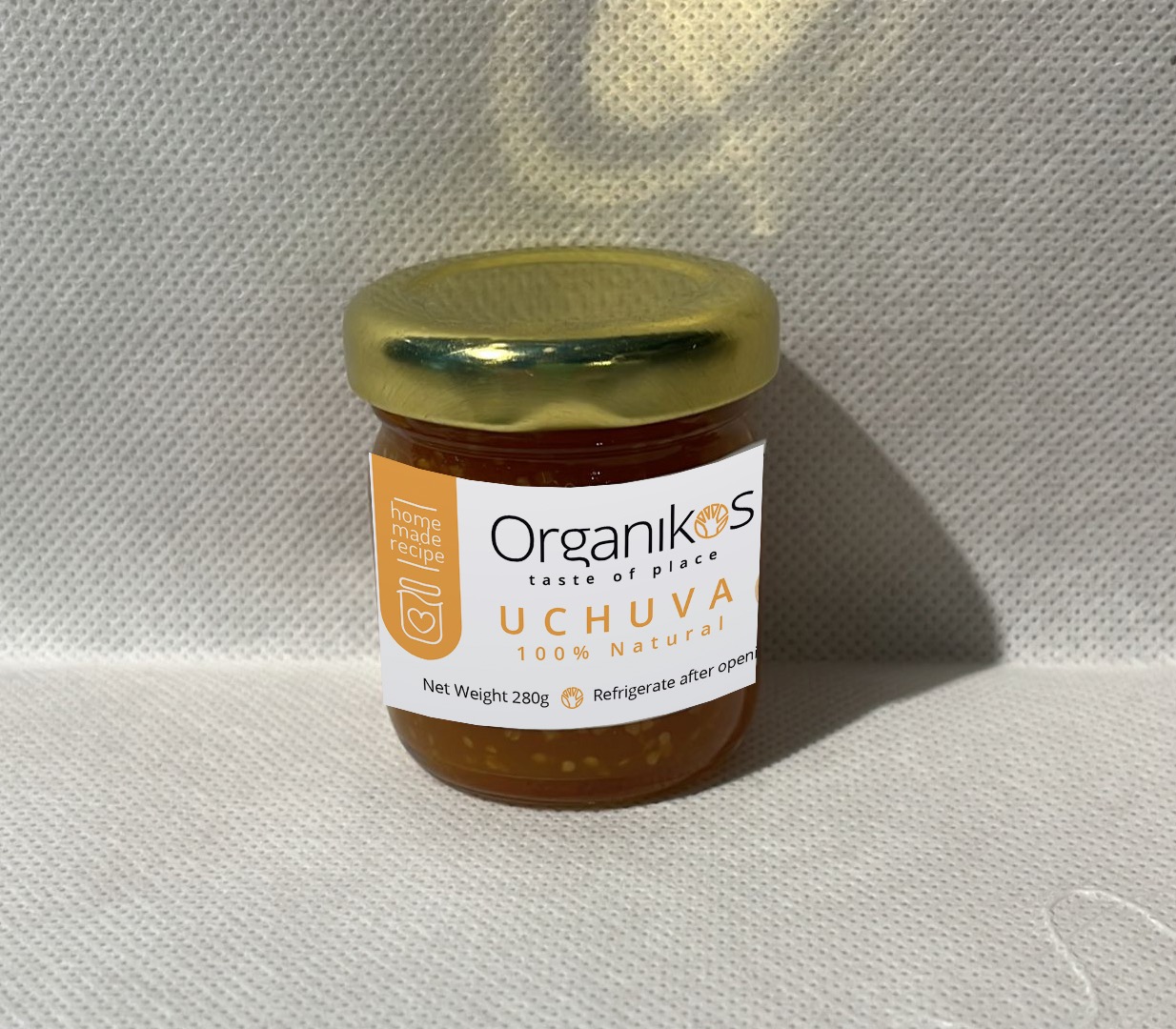
Mini-jar goldenberry jam

Organikos has focused on coffee varietals, an iconic taste of place product, until now. In addition to supporting farmers all over the country, the sale of these coffees allow travelers to continue tasting Costa Rica once they are back home.  We are close to introducing a new line of jams and marmalades using fruits from local farms and typical of what you will find in Costa Rica’s farmer’s markets. Same goal.

Costa Rica’s Ceramic Craft

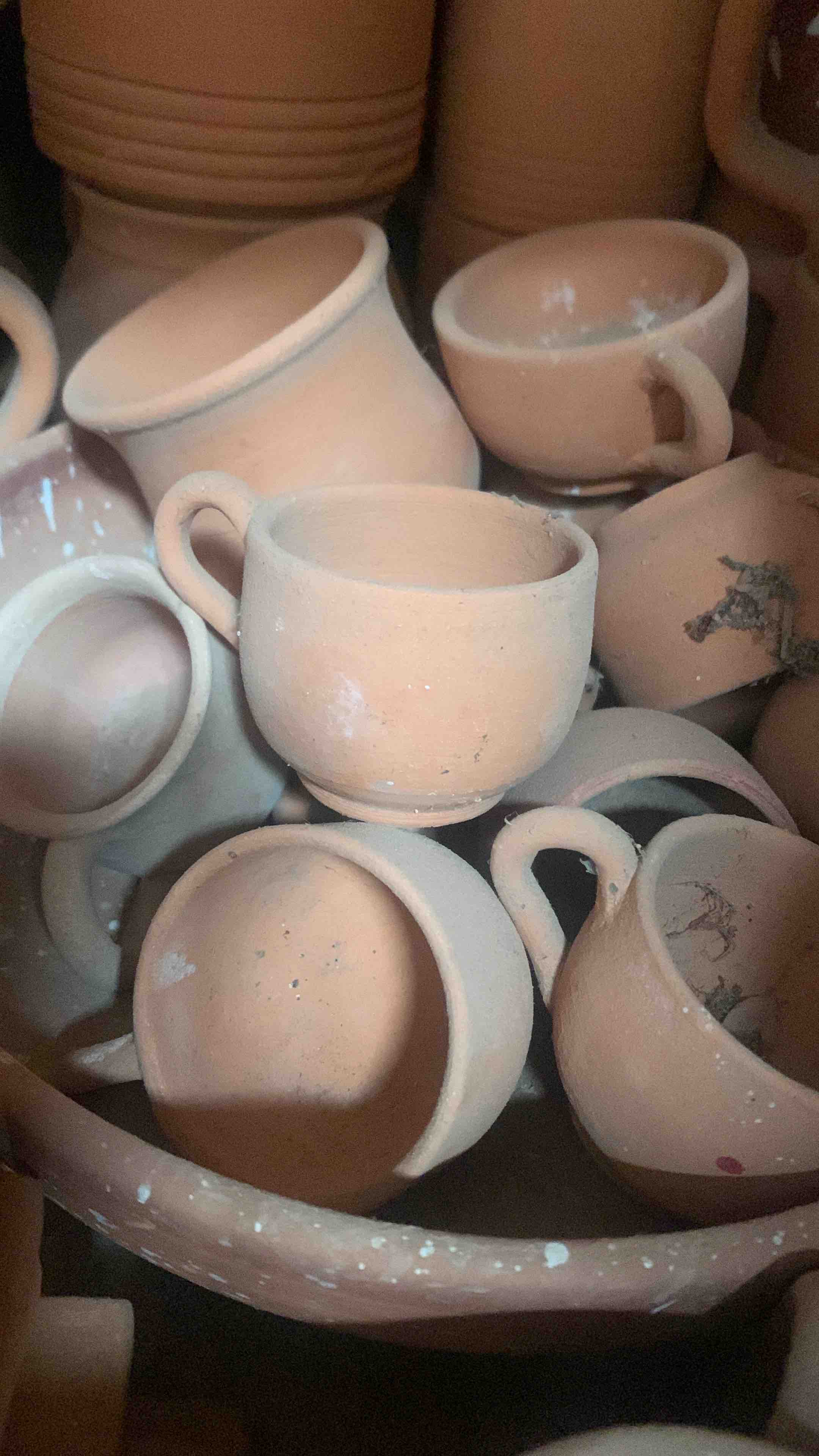
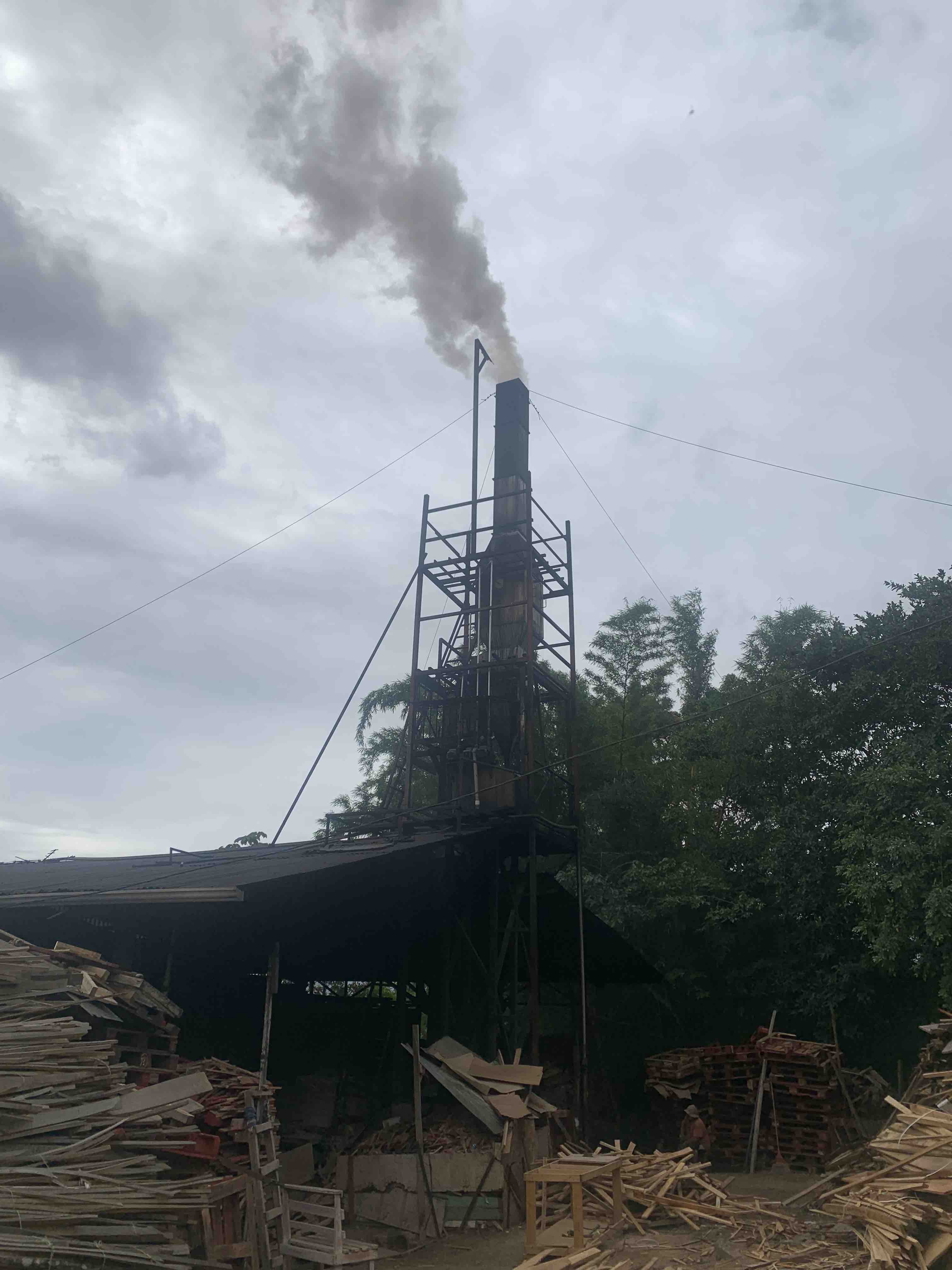
Amie and I work together, but most of my days are consumed by coffee. Especially in the March to May period, when coffee harvests are finishing and the first cuppings of the new crops are possible, my time for other activities is limited. But in June, there is more time. For the past 4+ years our shared work has included my joining her to meet artisans whose work our shops might carry. This work never disappoints, even if we conclude that the product is not a good fit for Authentica. Recently we had an afternoon together with a ceramicist we knew about, but had not yet had the opportunity to spend time with. The biggest surprise was seeing this smoke stack in the photo below.

It is rustic, and at first sight not much to look at. But listening to him tell its history you can appreciate how often in history artisans lead the way that industrialists eventually follow. This was the first smokestack in Costa Rica using technology that reduces carbon and particulate emissions. Continue reading

Butterfly Origin Story

A blue morpho butterfly sits on a leaf. A new study finds that butterflies likely originated somewhere in western North America or Central America around 100 million years ago. Kristen Grace/Florida Museum

It is almost a certainty that if you visit Costa Rica you will see the blue morpho fluttering by somewhere. And you may be in the location of its origin story:

Butterflies originated in North America after splitting from moths, new study suggests

Akito Kawahara remembers being eight years old when he went on a special tour of the insect collection at the American Museum of Natural History in New York City. He marveled at the vast array of pinned bugs before stopping in front of a large picture of the butterfly family tree.

A red lacewing butterfly perches on a plant. Rachit Pratap Singh

A number of spots on that tree, he saw, were curiously blank.

“Just looking at it, realizing that scientists at these museums still don’t know these basic things — I’ll never forget that day,” Kawahara says.

That moment sparked a lifelong passion in Kawahara to fill in those blanks and determine where these charismatic insects originated. Now, he’s gotten a little closer to an answer. His latest research shows that butterflies probably first flapped their wings in present-day western North America or Central America. Continue reading

Keeping It Honest In Costa Rica

The Nairi Awari Indigenous community in Limón, Costa Rica. EZEQUIEL BECERRA / AFP VIA GETTY IMAGES

We are proud of the country we call home, and where our work us based. But even as I celebrate it from time to time, I never mistake it for perfect. There is always more work to be done. Thanks to Fred Pearce, as always, for the details we need to know:

Lauded as Green Model, Costa Rica Faces Unrest in Its Forests

Indigenous park ranger Osvaldo Martinez tours the Nairi Awari indigenous community in Limon, Costa Rica on November 9, 2021. – The indigenous people of this community are payed for caring for the environment, as part of a program awarded by the British royalty. (Photo by Ezequiel BECERRA / AFP) (Photo by EZEQUIEL BECERRA/AFP via Getty Images)

Costa Rica has won international acclaim for its initiatives to restore its forests. But those successes are now jeopardized by conflicts over the government’s failure to return traditional lands to the Indigenous people who are regarded as the best forest stewards.

Costa Rica has a green halo. In recent decades, the small Central American nation has transformed itself from a notorious hotspot for deforestation into a beacon of reforestation that is the envy of the world. Many of its more than 12,000 species of plants, 1,200 butterflies, 800 birds, and 650 mammals, reptiles, and amphibians have gone from bust to boom, and eco-tourists are savoring the spectacle. Continue reading

Authentica Manuel Antonio

After the opening years helped us strengthen our resolve, 2022 was the year we expanded Authentica beyond the first two locations. I will feature images of the new shop, in Manuel Antonio, in a later post. For now, just a look at the signage art in front of the new shop.

Carbon Cowboys

Levi Sucre Romero at the UN biodiversity conference in Montreal last week.

Levi Sucre Romero at the UN biodiversity conference in Montreal last week. ANDREJ IVANOV / AFP VIA GETTY IMAGES

Carbon credit brokers are busier than ever, and that is welcome news, but Levi Sucre Romero’s concerns give pause:

Forest Equity: What Indigenous People Want from Carbon Credits

To Indigenous leader Levi Sucre Romero, carbon credit markets have failed to respect Indigenous people and their key role in protecting their lands. In an e360 interview, he talks about how carbon brokers have taken advantage of local communities and why that must change.

Indigenous protesters at the opening ceremony of the UN biodiversity conference in Montreal this month.

Indigenous protesters at the opening ceremony of the UN biodiversity conference in Montreal this month. ANDREJ IVANOV / AFP VIA GETTY IMAGES

In a world where carbon credit markets are taking advantage of Indigenous people and their forests, the United Nation is losing its leadership on combating climate change, says Indigenous leader Levi Sucre Romero.

In an interview with Yale Environment 360, Romero, who is from Costa Rica and is coordinator of the Mesoamerican Alliance of Peoples and Forests, calls out the “carbon cowboys” — the brokers who he says are wrecking efforts to allow Indigenous communities to have ownership of the carbon credits generated on their land, and who, by acting unscrupulously and secretively, are undermining global hopes of using nature to mitigate climate change. Continue reading