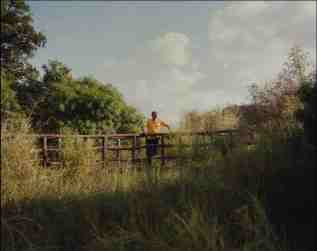
When Pradip Krishen began creating Jaipur’s Kishan Bagh Desert Park, it was a wasteland of dunes and bald hillocks, strewn with trash. Looking at the landscape, he said, “Now, this is something I’d love to work on. ”Photographs by Bharat Sikka for The New Yorker
If I had to bet, based on our period living in India from 2010 to 2017, I would bet on the prime minister winning. That implies the country making less progress on conservation, if any, and more on development. As Dorothy Wickenden‘s article implies, it may be a zero sum game:
The Promise and the Politics of Rewilding India
Ecologists are trying to undo environmental damage in rain forests, deserts, and cities. Can their efforts succeed even as Narendra Modi pushes for rapid development?
Krishen’s first major restoration job was reclaiming the landscape around Mehrangarh Fort, in the Thar Desert.
On May 12, 1459, the Rajput warrior ruler Rao Jodha laid the first foundation stone of an impregnable fort, atop a jagged cliff of volcanic rock in the Thar Desert of Marwar. He called the citadel Mehrangarh, or “fort of the sun”—and, legend has it, he insured a propitious future by ordering a man buried alive on its grounds. Over time, as the royal clan secured its power, the compound grew to colossal proportions, with soaring battlements, ornately furnished palaces, and grand courtyards enclosed by intricate sandstone latticework. Four hundred feet below, the capital city of Jodhpur became a flourishing trade center. Continue reading























 Organikos