How Do We Love Thee, Forests, Let Us Count The Ways

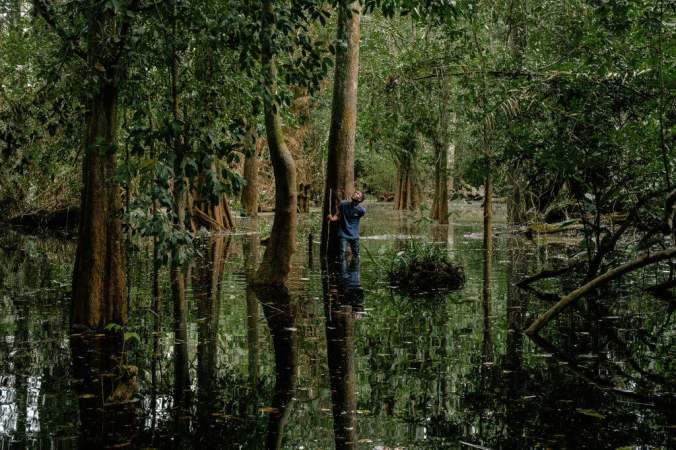
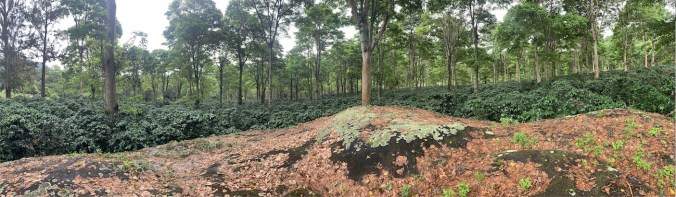
Forests, such as this one in Indonesia, do lmore than just store carbon. Photograph: Xinhua/Rex/Shutterstock

It may sound obvious, but until now it was not quantified: The world’s forests do more than just store carbon, new research finds

New data suggests forests help keep the Earth at least half of a degree cooler, protecting us from the effects of climate crisis

The world’s forests play a far greater and more complex role in tackling climate crisis than previously thought, due to their physical effects on global and local temperatures, according to new research. Continue reading

The Force Of Law, On Top Of Information & Protest

A protest in Marseille against the French supermarket chain Groupe Casino for allegedly selling meat products linked to deforestation. Photograph: Christophe Simon/AFP/Getty

What can we do when commercial interests damage our collective future? The identification of and protest against companies doing business in ways that cause environmental destruction are two important forces, but the force of law is another. Thanks to the Guardian for its ongoing coverage of these:

Legal eagles: how climate litigation is shaping ambitious cases for nature

Plans for an airport in the Tagus estuary have failed to take into account its impact on the wetlands, lawyers argue. Photograph: Handout

Environmental lawsuits are nothing new but now lawyers are turning their attention to cases that address the loss of biodiversity

The Tagus estuary near Lisbon is Portugal’s largest wetland, a vital habitat and stopover for tens of thousands of migratory birds, including flamingos, black-tailed godwits and glossy ibis. Continue reading

What Remains, A Documentary

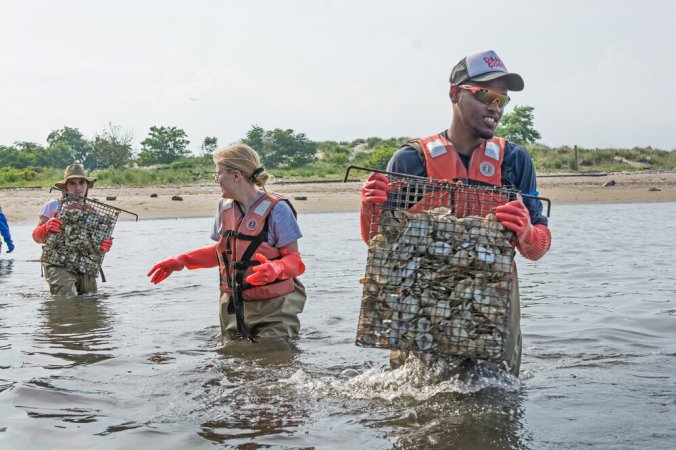
In this short documentary film by Paavo Hanninen, with text by David Kortava, the director says “It’s kind of a tragic story of the herculean effort that’s required just to build 1.3 miles of coastline”:

Protecting Louisiana’s Coastline with Oyster Shells in “What Remains”

Paavo Hanninen’s documentary looks at a surprisingly simple intervention with the potential to slow runaway land loss along the state’s fragile coast.

As early as the nineteen-thirties, oystermen in southern Louisiana began to notice the shoreline that they worked was creeping inland. Continue reading

Keep Peat In Place

Nanna Heitmann for The New York Times

Peat is back on our radar, with this excellent report by Matthew Thompson in the New York Times. It is part of a new series called Headway, an initiative “exploring the world’s challenges through the lens of progress,” which is exactly the founding sentiment of our platform here. So, read on:

Rural Congolese villagers are being asked to protect one of earth’s most precious ecosystems. What can other places contribute to our shared future?

Imagine someone showed up on your doorstep one day and told you that the swampy forest not far from your home contained a rare and precious soil, so powerful that the planet’s future hinges on its preservation. The world is relying on you to keep the soil undisturbed, you’re told, or sinister forces will be unleashed, large enough to doom us all. Continue reading

Why War On Wolves?

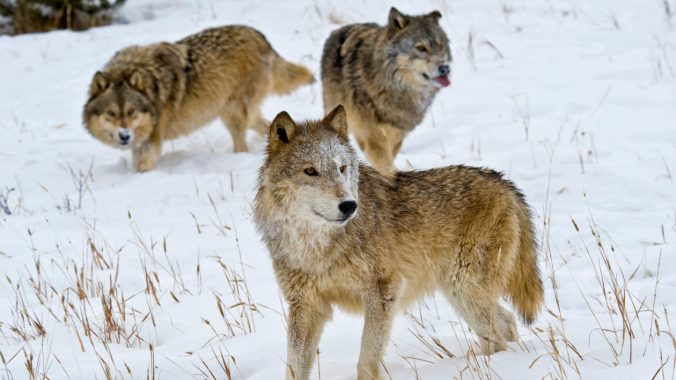
Gray wolves in Montana. DENNIS FAST / VWPICS / UNIVERSAL IMAGES GROUP VIA GETTY IMAGES

At Yale e360 this opinion by Ted Williams is an important read:

America’s New War on Wolves and Why It Must Be Stopped

Hunting of wolves is again legal in the Northern Rockies, where running them over with snowmobiles or incinerating them in their dens is now permitted. The Biden administration must stop the slaughter of these wolves and protect their recovery from the brink of extinction.

America’s tradition of persecuting wolves has resumed. And although it’s mostly happening on federal land, the Biden administration appears singularly unmoved and unconcerned. Continue reading

Agave, Night, Nectar

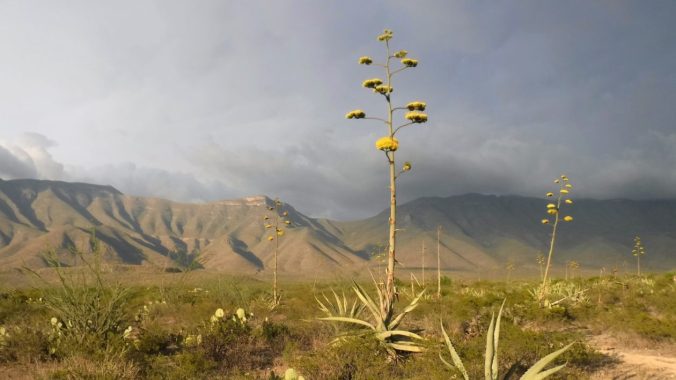
Video (click image above): Mexican long-nosed bats drinking nectar from agave flowers at night. Credit: Bat Conservation International

Bats, agave, and half a minute of night-time feeding are in the video above, which is also embedded in this article by Janet Marinelli, published in Yale e360:

How Preserving Agave Could Help Save an Endangered Bat

Drought linked to climate change, along with overgrazing, is destroying the agave plants on which the Mexican long-nosed bat depends. Now, an initiative is trying to restore the balance between the agaves, the bats that feed on them, and the people who live on these lands.

Agaves blooming in Estanque de Norias, Mexico. KRISTEN LEAR / BAT CONSERVATION INTERNATIONAL

At the southeast tip of a large valley in the northern Sierra Madre Oriental is the small Mexican town of Estanque de Norias, some 200 miles west of the Texas border at Laredo.

Continue reading

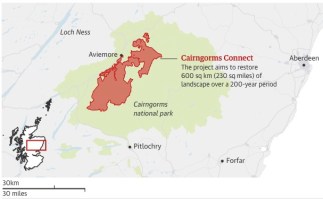
Cairngorms Connect & Scotland’s Rewilding

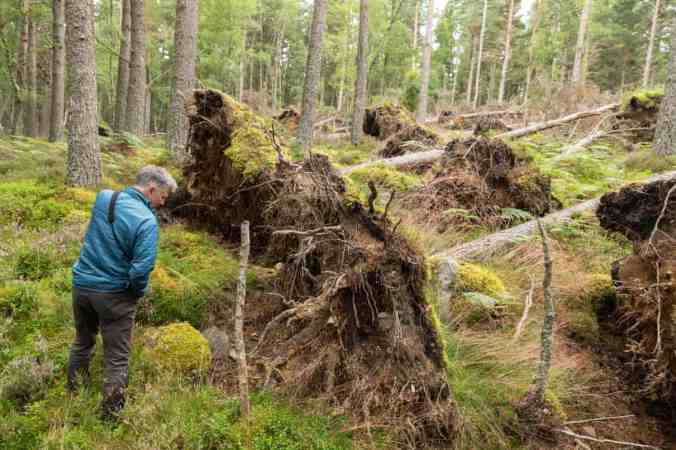
Jeremy Roberts examines the root plate of a felled Scots pine. Photograph: Mark Hamblin/The Guardian

Rewilding looks different in earlier posts about Scotland’s pioneering projects. But here is an additional piece of the puzzle worth understanding:

Chopping, twisting, felling: the unruly way to rewild Scotland’s forests

Orderly pine plantations in the Cairngorms are being messed up as part of a plan to let nature thrive

Cairngorms Connect is the UK’s largest land restoration project

The Scots pine plantations in Abernethy forest are the crème de la crème in forestry terms: tall, straight and dense. These plantations were created in the 1930s, and the wood had a variety of uses, from ships’ masts to trench timbers. Now, this woodland is being retrofitted for wildlife as part of the UK’s largest land restoration project because, although it is striking to wander in such a regimented landscape, nature prefers things to be less orderly. Continue reading

Yakutia’s Outsized Impact

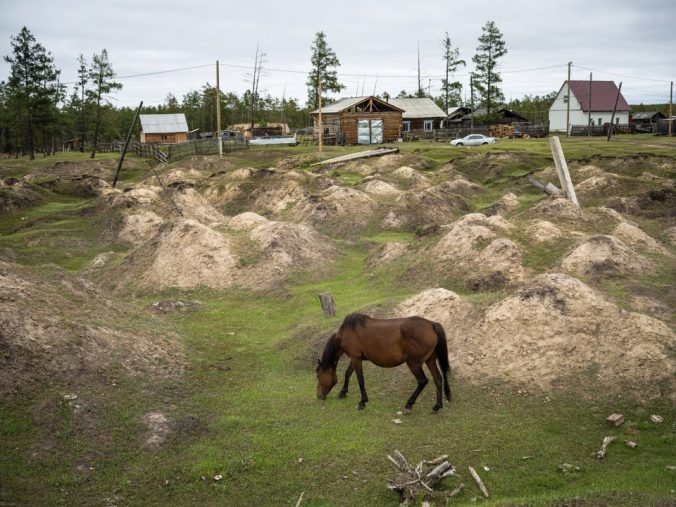
“The problem is, you can’t just turn off, let alone reverse, permafrost thaw,” one scientist said. “It won’t be possible to refreeze the ground and have it go back to how it was.” Photographs by Alexander Gronsky for The New Yorker

Joshua Yaffa reminds me, vividly, that my work in Yakutia 16 years ago was an exercise in futility:

The Great Siberian Thaw

Permafrost contains microbes, mammoths, and twice as much carbon as Earth’s atmosphere. What happens when it starts to melt?

Flying over Yakutia, in northeastern Russia, I watched the dark shades of the boreal forest blend with patches of soft, lightly colored grass. Continue reading

Really, Joe?

The Build Back Better legislation included billions to accelerate clean energy like rooftop solar, but with the bill now stalled in Congress, cutting U.S. emissions will be tougher. Justin Sullivan/Getty Images

Really? is a question we have to ask every now and then. We had no time to waste, because the country with the biggest carbon footprint per capita needed to change something(s) substantially to allow the planet a chance. But one senator stood in the way. Thanks to National Public Radio (USA) for laying out clearly what the stakes were, and now are:

What losing Build Back Better means for climate change

With billions of dollars for clean energy, the Build Back Better legislation has the potential to substantially and rapidly cut heat-trapping emissions in the U.S. But after West Virginia Senator Joe Manchin rejected the bill on Sunday, Build Back Better is effectively dead, at a time when scientists say the world can’t afford to wait on climate change. Continue reading

Bottled Green Revolution?

Not  sure whether this changes anything we read about yesterday, but at least for some it could be interesting to read about how this 80-Year-Old Man Hasn’t Watered This Sealed Bottle Garden Since 1972 And It’s Still Alive:

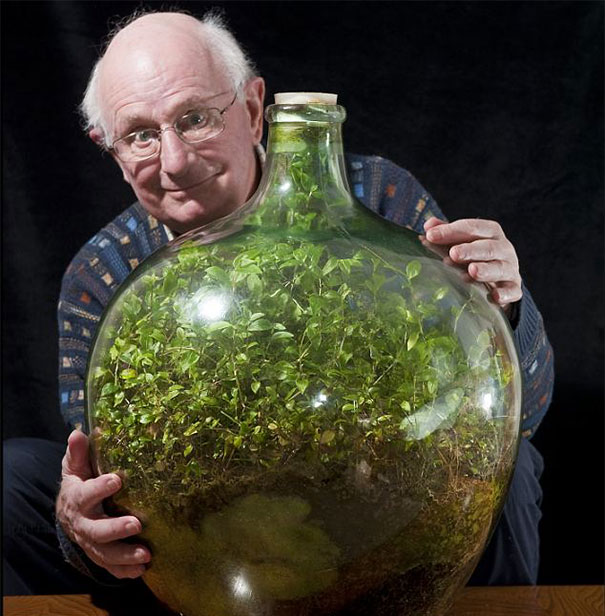
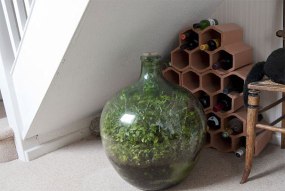
In a beautiful example of a closed but functional ecosystem, David Latimer has grown a garden sealed inside a giant glass bottle that he has only opened once since he started it almost 60 years ago.
Latimer planted the terrarium garden on Easter Sunday in 1960. He placed some compost and a quarter pint of water into a 10-gallon glass carboy and inserted a spiderwort sprout, which is not typically an indoor plant, using wires. Continue reading

David Attenborough’s Green Planet

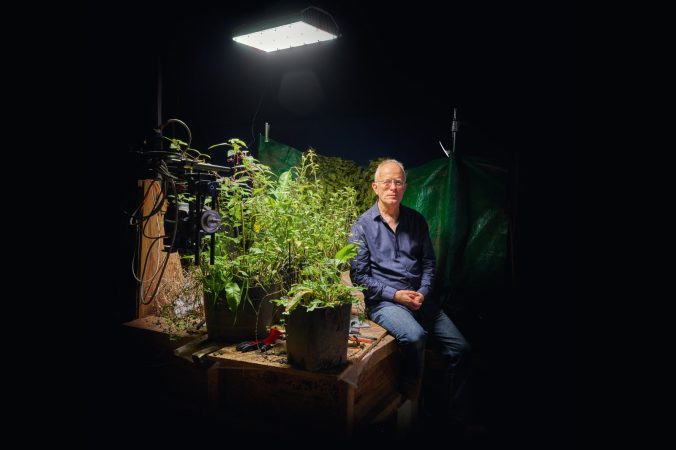
Mike Gunton, creative director of the BBC Natural History Unit and a long-time collaborator with David Attenborough.PHOTOGRAPH: BENEDICT REDGROVE

David Attenborough has been a frequent feature in our pages over the years. Each conversation with him repeats something we already knew but shares something we had not previously known:

David Attenborough’s Unending Mission to Save Our Planet

“We tend to think we are the be all and end all—but we’re not. The sooner we can realize that the natural world goes its way, not our way, the better.”

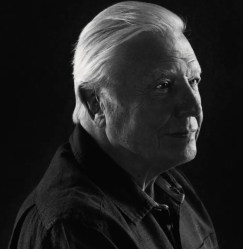
David Attenborough’s Green Planet is his latest series in a career that began in the 1950s and is as notable for its variety of firsts—pioneering 16-mm film in TV; first to film a Komodo dragon; first to use drone cameras—as it is for his long-standing commitment to bringing wildlife and environmental issues into the homes of viewers around the world. PHOTOGRAPH: NADAV KANDER

WE MAKE LOTS of programs about natural history, but the basis of all life is plants.” Sir David Attenborough is at Kew Gardens on a cloudy, overcast August day waiting to deliver his final piece to camera for his latest natural history epic, The Green Planet. Planes roar overhead, constantly interrupting filming, and he keeps putting his jacket on during pauses. “We ignore them because they don’t seem to do much, but they can be very vicious things,” he says. “Plants throttle one another, you know—they can move very fast, have all sorts of strange techniques to make sure that they can disperse themselves over a whole continent, have many ways of meeting so they can fertilize one another and we never actually see it happening.” He smiles. “But now we can.” Continue reading

Thames Is Alive, Again

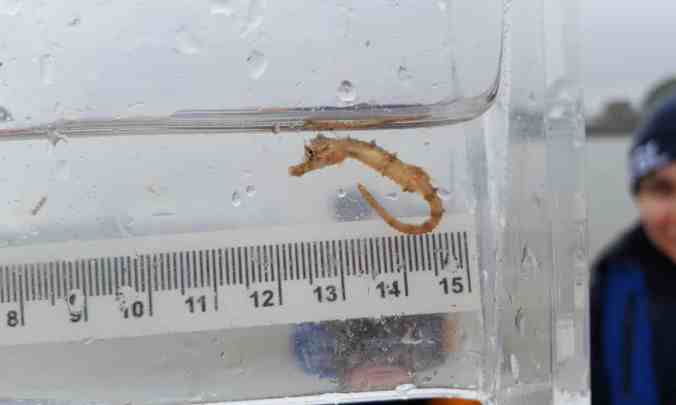
Species living in the Thames include seahorses and sharks. Photograph: ZSL

We will take good news where and how we can get it:

Seahorses and sharks living in River Thames, analysis shows

Zoological Society of London carries out most comprehensive survey since 1950s

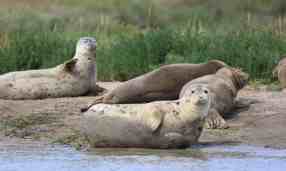
Since 2003 there has been as steady increase in seal populations in the Thames estuary. Photograph: ZSL

Seahorses, eels, seals and sharks are living in the tidal Thames, according to the most comprehensive analysis of the waterway since it was declared biologically dead in the 1950s.

But scientists from the Zoological Society of London (ZSL), who carried out the work, warn that the 95 miles of the tidal Thames is suffering from rising nitrate levels as a result of industrial runoff and sewage discharges. Water levels and temperature are also rising as a result of global heating. Continue reading

Seawalls Seem Inevitable

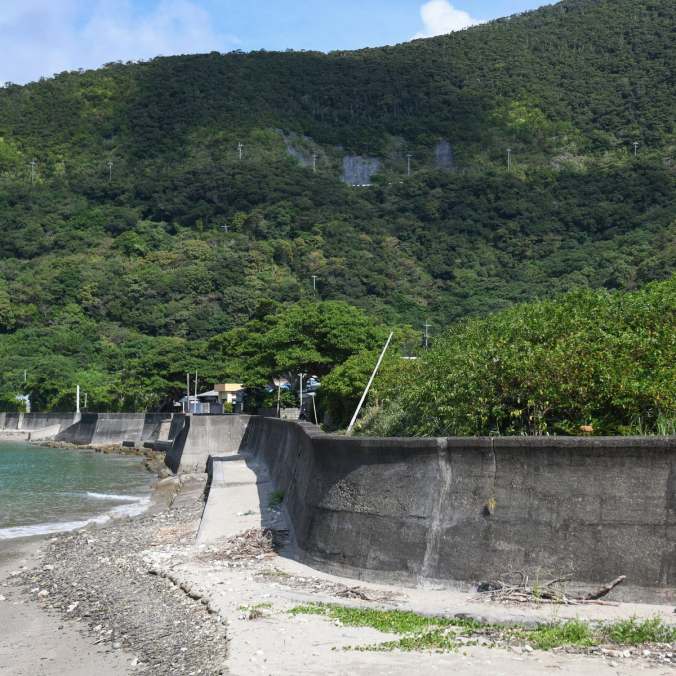
The seawall in front of Aminoko, a village near Katoku. Noriko Hayashi for The New York Times

This Pristine Beach Is One of Japan’s Last. Soon It Will Be Filled With Concrete.

In rural Japan, the unstoppable forces of nature meet the immovable determination of the construction state. Can this village survive?

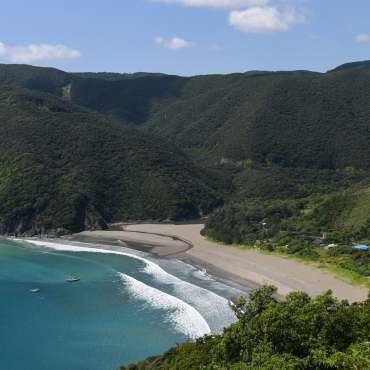
Katoku beach and its village are wrestling with how to cope with increasingly damaging storms. Noriko Hayashi for The New York Times

KATOKU, Japan — Standing on its mountain-fringed beach, there is no hint that the Japanese village of Katoku even exists. Its handful of houses hide behind a dune covered with morning glories and pandanus trees, the chitter of cicadas interrupted only by the cadence of waves and the call of an azure-winged jay.

In July, the beach became part of a new UNESCO World Heritage Site, a preserve of verdant peaks and mangrove forests in far southwestern Japan that is home to almost a dozen endangered species. Continue reading

Monbiot’s Scrutiny In Perspective

Illustration by Eva Bee

The first I heard of him, nearly a decade ago, I was immediately hooked on his writing, and the ideas he was offering were surprising to read in a mainstream, if progressive, publication. He introduced me to rewilding. If you have not been reading or perhaps listening to George Monbiot during this decade you may not have noticed how his radicalism has evolved. In this editorial ostensibly about the Pandora Papers I learned something about Madeira that I want to read more about:

…A few decades after the Portuguese colonised Madeira in 1420, they developed a system that differed in some respects from anything that had gone before. By felling the forests after which they named the island (madeira is Portuguese for wood), they created, in this uninhabited sphere, a blank slate – a terra nullius – in which a new economy could be built. Continue reading

Smog, Ozone & Biodiversity

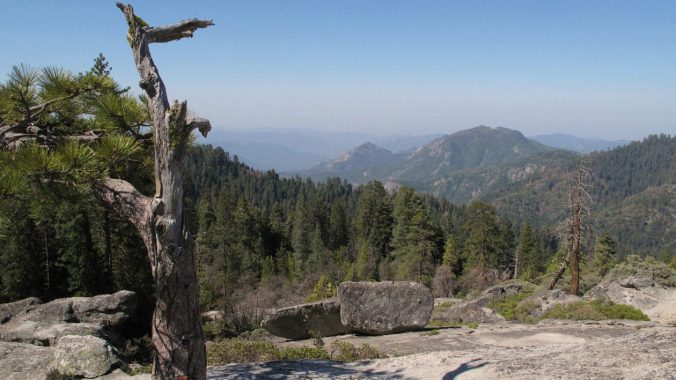
The view from Beetle Rock in Sequoia National Park, California. Smog, containing high levels of ozone, blows in from the San Joaquin Valley. TRACIE CONE / AP PHOTO

Thanks to Jim Robbins for updating our understanding of ozone’s ongoing threat (we had thought it was lessening):

Ozone Pollution: An Insidious and Growing Threat to Biodiversity

Ground-level ozone has long been known to pose a threat to human health. Now, scientists are increasingly understanding how this pollutant damages plants and trees, setting off a cascade of impacts that harms everything from soil microbes, to insects, to wildlife.

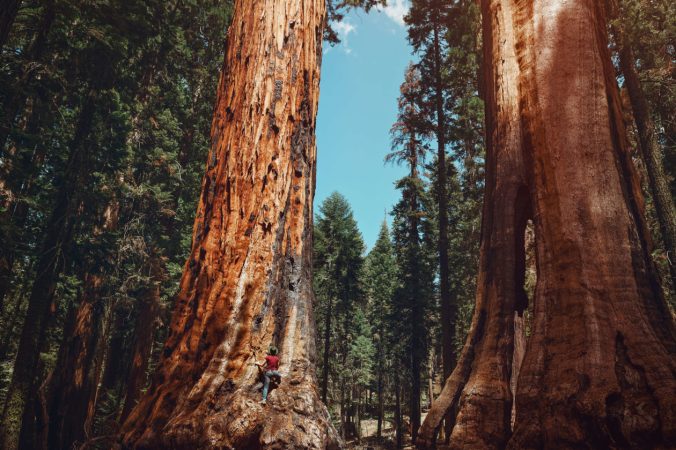
Giant sequoias in Sequoia National Park, California. MARJI LANG/LIGHTROCKET VIA GETTY IMAGES

Sequoia National Park’s famous groves of stout, 300-foot-tall trees sit high on the western side of the Sierra Nevada, above California’s San Joaquin Valley. They are threatened as never before: Wildfires have burned much of the forest, and now, for the first time, insects are killing sequoias. Continue reading

Verdant, Drenched & Down At Ground Level

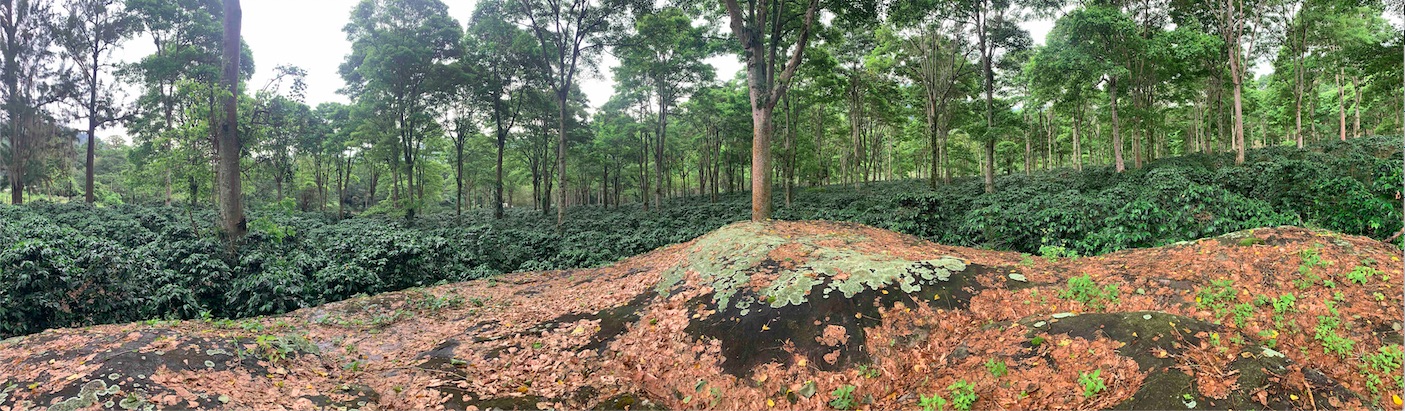
During the last six weeks or so of rainy season in Costa Rica, the word verdant is the perfect word for describing coffee plantations, especially those with long-lived canopies. The photo above, which I took while visiting a coffee farm in the Turrialba region, shows a mature canopy and coffee that is thriving under it, as are the lichens and moss on the gigantic rock in the foreground. Greenest this time of year, the coffee will have red cherries ready for picking within the next two months as the rains subside.
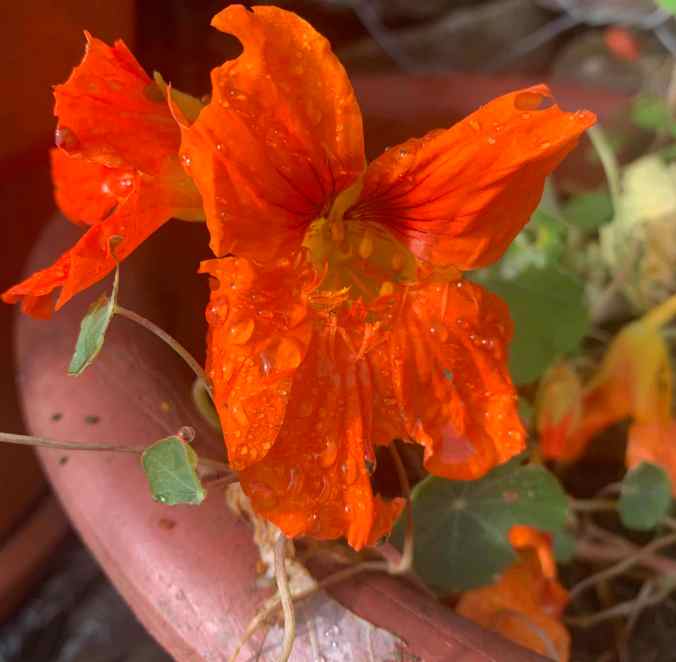
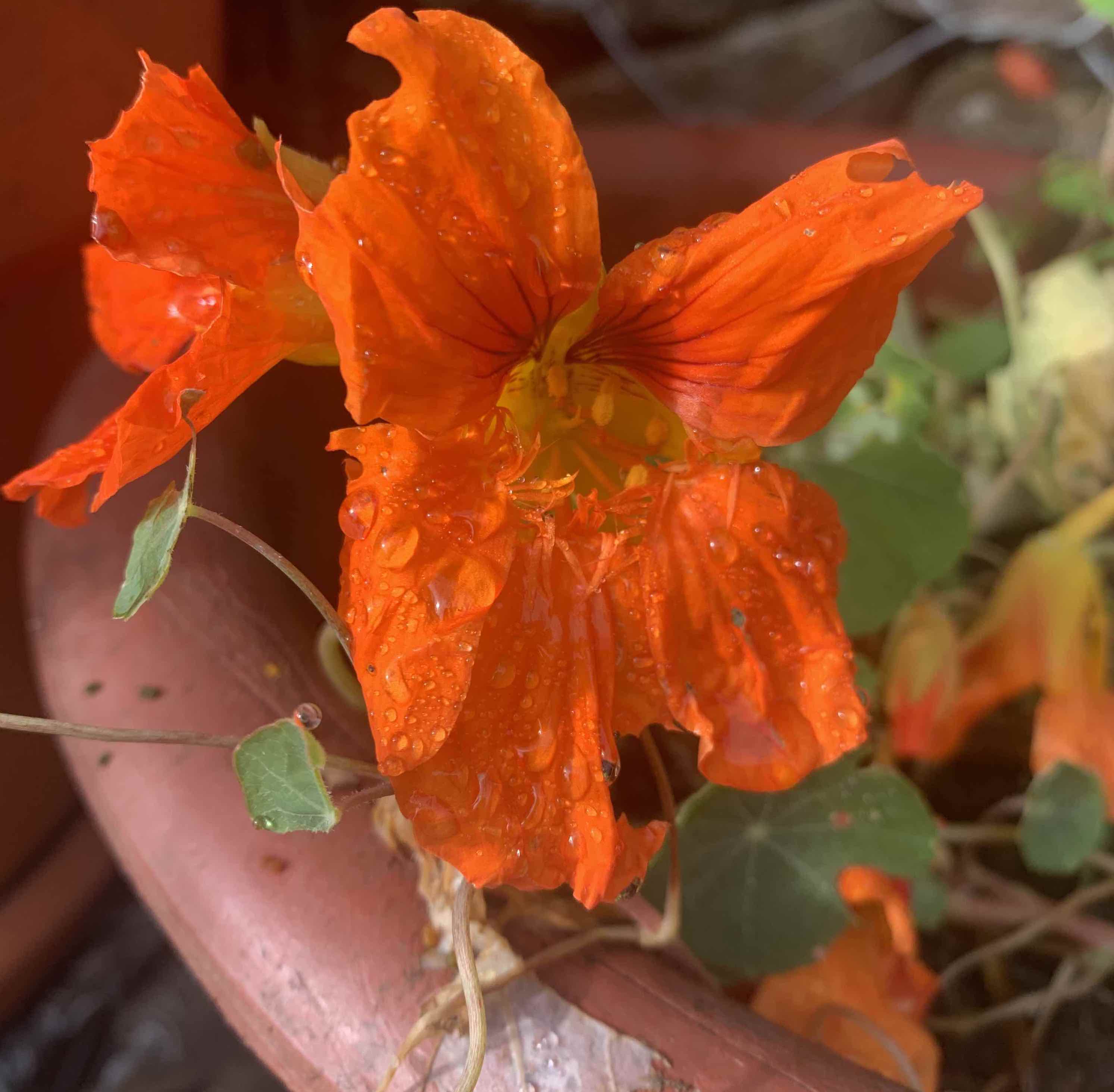
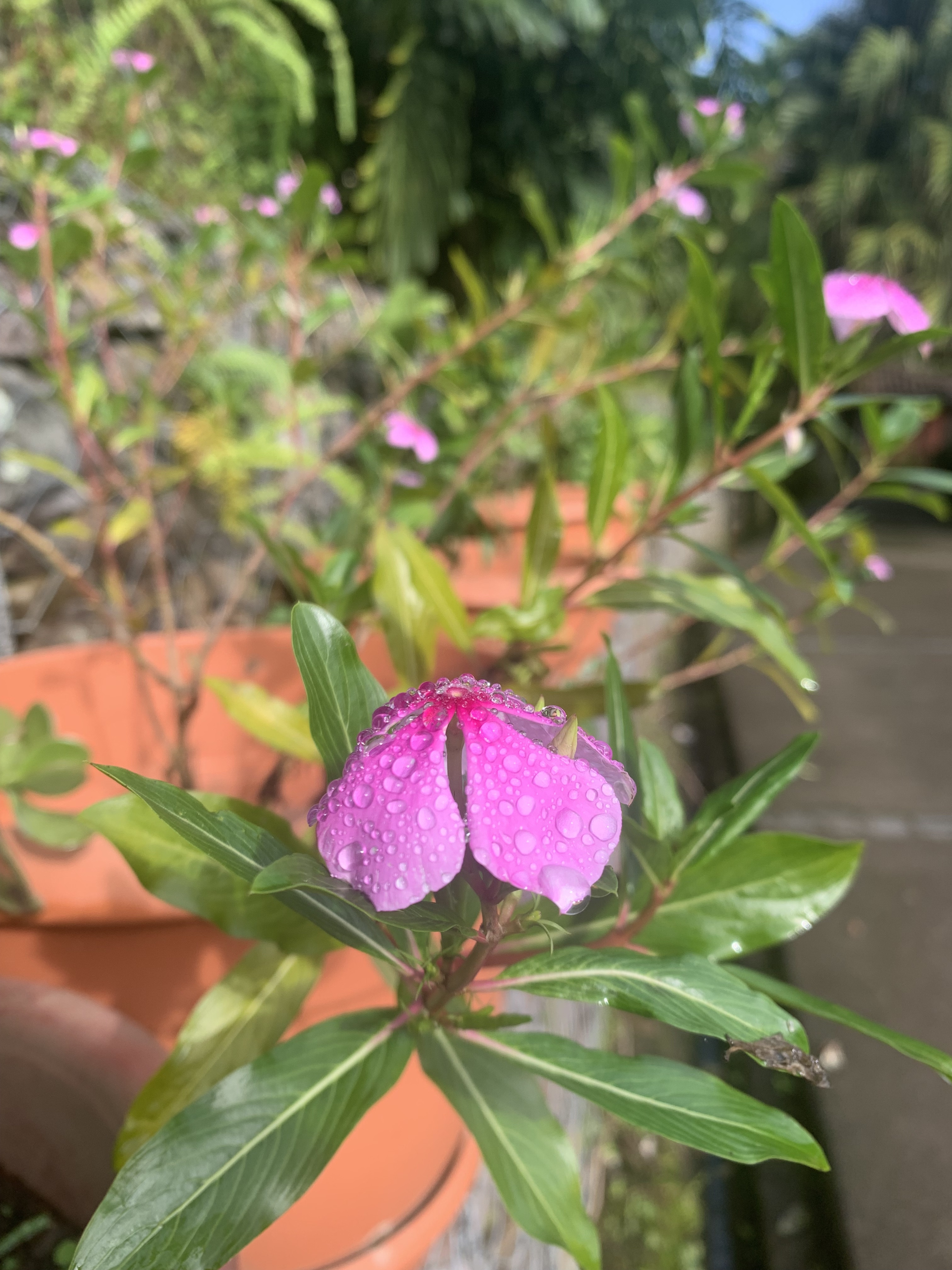
At home, potted flowers that have been providing color on a rock wall near our terrace are getting that drenched look.
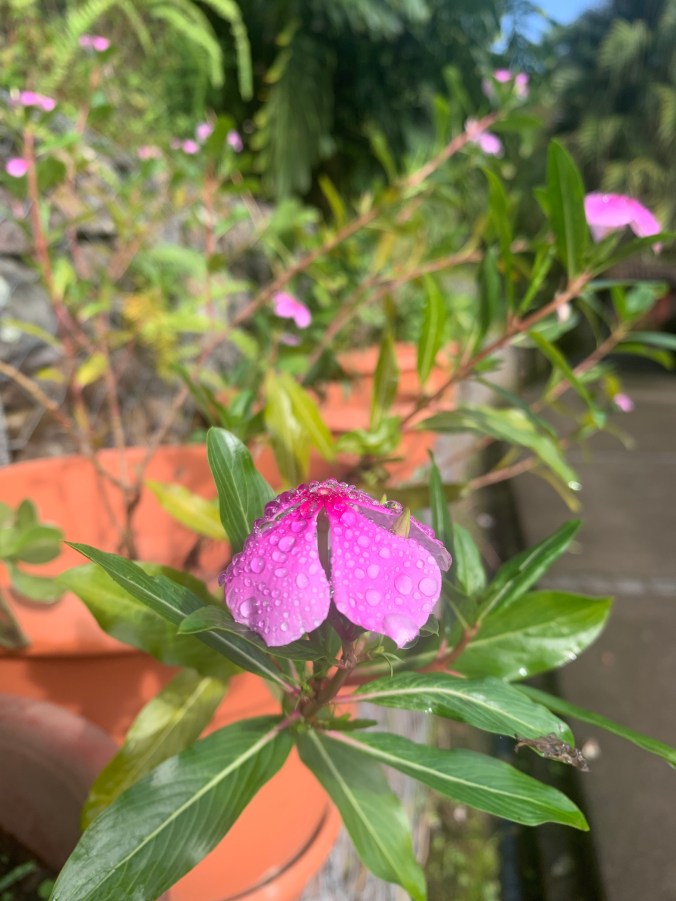
Drenched does not have the same beautiful implication of verdant, but it will have to do. I cannot find a prettier alternative to describe the look of flowers that have absorbed as much water as possible and now just let the morning mist roll off.
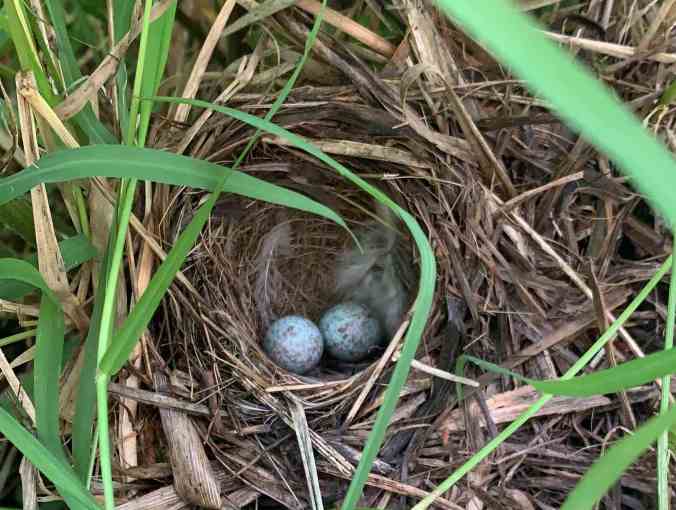
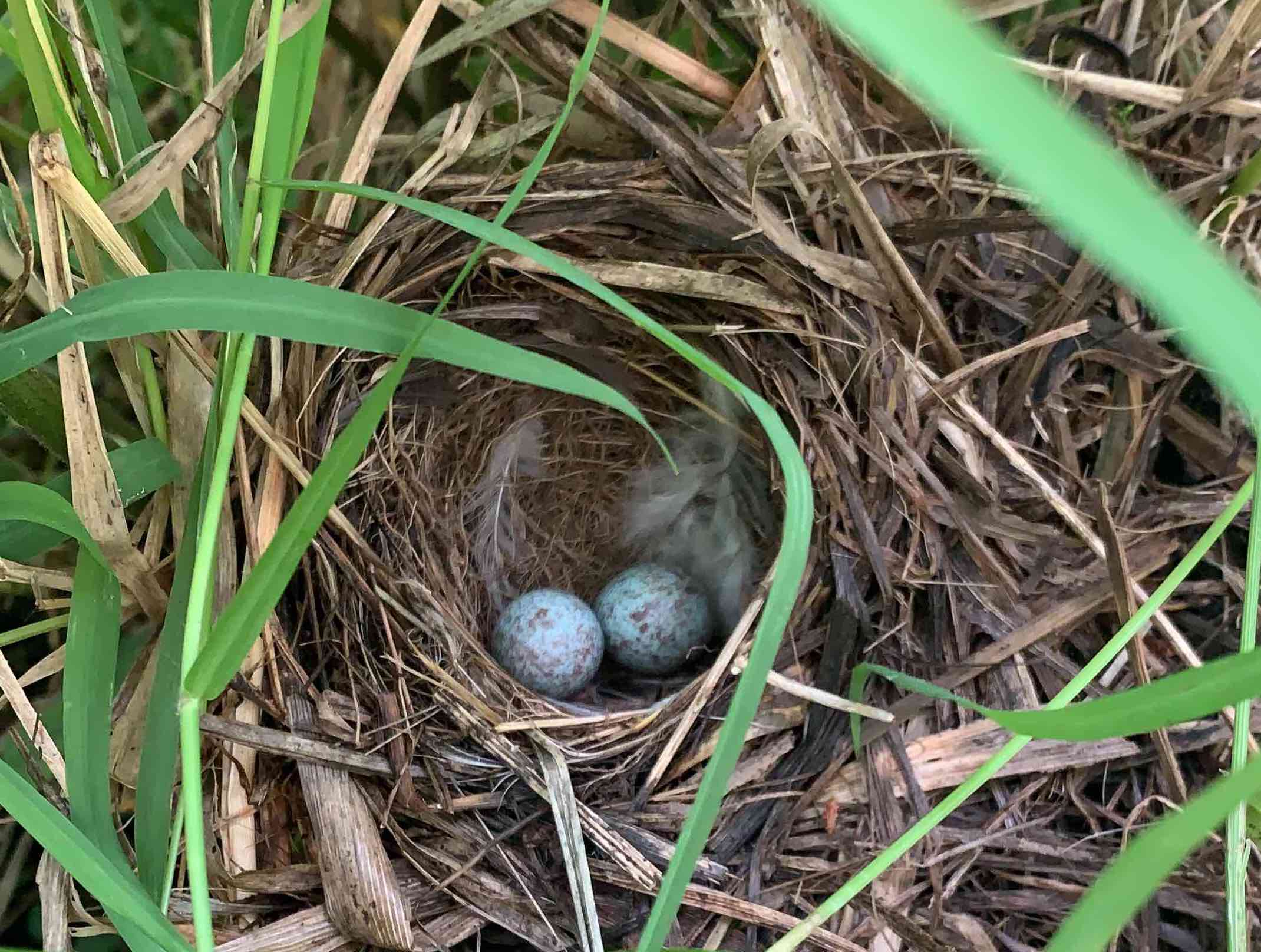
I was surprised to find this nest while tending to some overgrown grass yesterday. It was right by a post of the fence that protects the land we are replanting. The surprise was a nest at ground level. According to Seth these are most likely eggs from this bird. Good luck, eggs. Good luck, birds.
Keep Peat In Place

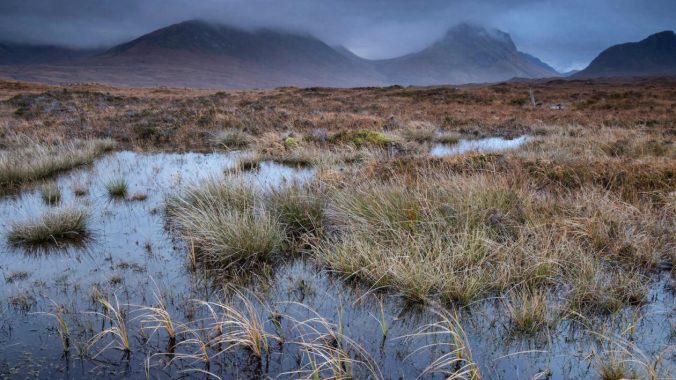
Peat bogs on the Isle of Skye, Scotland. ALAN NOVELLI / ALAMY STOCK PHOTO

Peat made two appearances in our pages in 2014, both underscoring the importance of this type of landscape for storing carbon. More such stories in 2017 and again last year made it clear how the case has been building over the years:

Why Saving World’s Peatlands Can Help Stabilize the Climate

Peatlands make up 3 percent of the earth’s landscape, yet absorb large amounts of carbon and harbor surprising biodiversity. Although peat bogs and fens are under increasing environmental threat, efforts to protect and restore these ecosystems are gathering momentum.

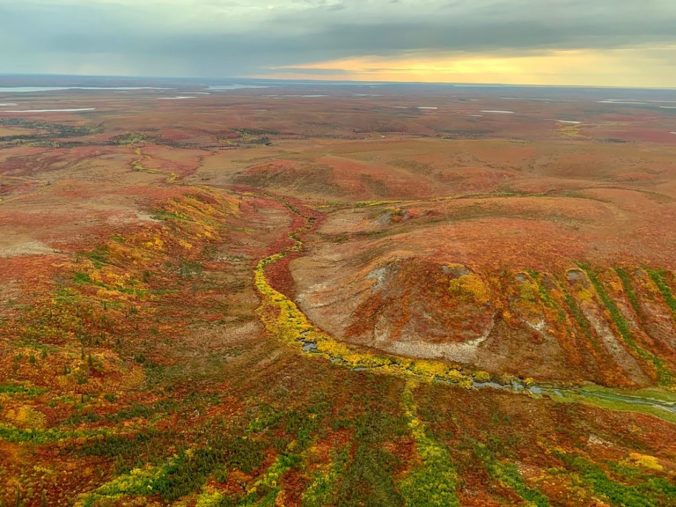
Peatlands in northern Canada’s Mackenzie Valley, seen here in autumn. ED STRUZIK

The Aweme borer is a yellowish-brown moth with an inch-and-a half wingspan. In the often-colorful world of lepidopterology — the study of moths and butterflies — it’s not particularly flashy, but it is exceedingly rare. For decades, entomologists thought the moth lived in the sand dunes and oak savannahs in southern Manitoba and the Great Lakes region. Continue reading

Romania’s Carpathian Mountains, Forever

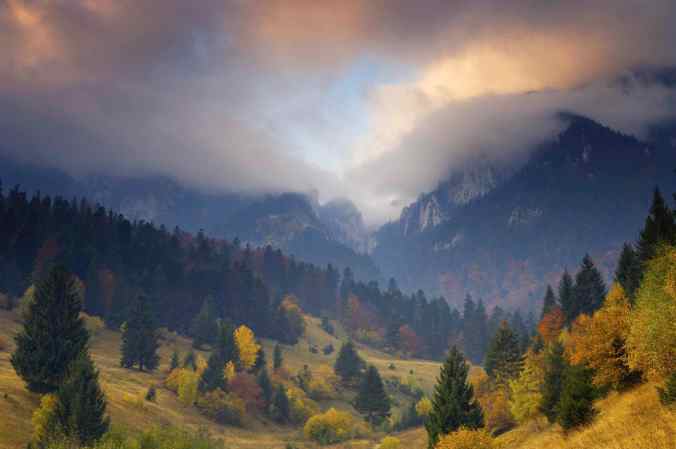
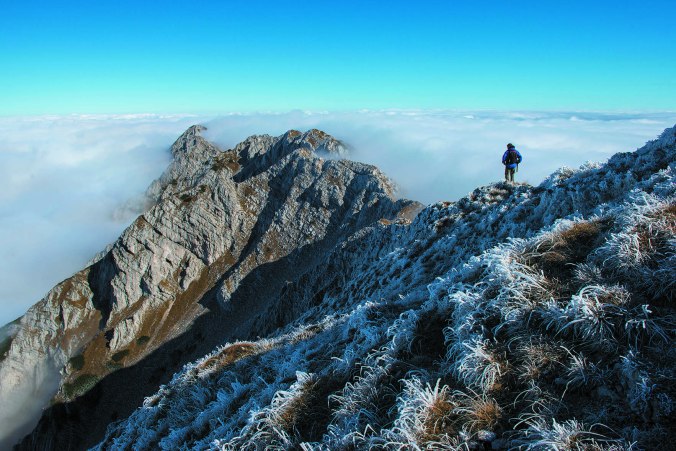
Rock of the King, NP Piatra Craiului, Transylvania, Southern Carpathian, Romania

The word Carpathian appears, to my surprise, only once in a post before today. Likewise Romania is underrepresented except in passing, and was the focus of just one post, five years ago in our pages. Today I will correct the oversight.

FOUNDATION CONSERVATION CARPATHIA
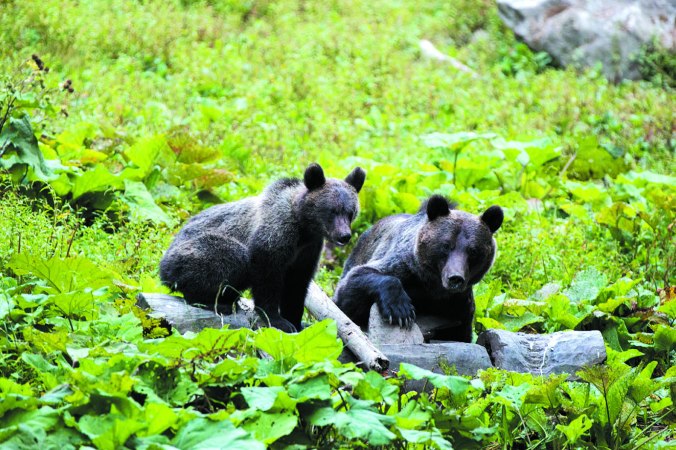
Bears in the Southern Carpathian Mountains, Romania.

It is surprising because after I was exposed to the idea of rewilding, I started receiving The European Nature Trust’s newsletter. Frequently the newsletter highlights one of the projects they support, in Romania’s Carpathian Mountains. I have been admiring the photographs for years now, and silently supporting TENT’s joint mission with the FCC. Silent no more. Let’s all actively support the Carpathian Mountains of Romania being there forever, intact:

DANIEL ROSENGREN
A frosty morning in the Piatra Craiului National Park, Romania.

TENT is committed to the protecting and restoration of Romania’s natural resources through supporting Foundation Conservation Carpathia.

Romania has 250,000 hectares of virgin forest, mostly in the Southern Carpathians, which constitutes the largest unfragmented forest area in Europe. They contain an extraordinarily high number of indigenous species, one third of all European plant species and are home to the largest European populations of large carnivores. Continue reading

Know Where Your Coffee Comes From

Illustrations by Hokyoung Kim

Most of the coffee stories I tell here are short reports on our efforts to regenerate a onetime coffee farm. Plenty of others we link to are about challenges facing coffee farmers and efforts to improve their lot . I cannot find a story like the one below that we have featured previously, where coffee farming is effectively undermining conservation. Reading this new longform work by Wyatt Williams will not make anyone happy, but that must be the point. The illustrations by Hokyoung Kim are a perfect accompaniment:

The Case of the Vanishing Jungle

It seemed like an easy crime to stop: protected Indonesian rainforest, cut for coffee farms. But a globalized economy can undermine even the best-laid plans.

In the fall of 2015, Matt Leggett, a newly hired senior adviser for the Wildlife Conservation Society, found himself sitting in a meeting in Jakarta, Indonesia, wondering if someone had missed the point. The meeting, as he remembers it, was meant to unveil some good news about tigers. In brief: Back in 2002, a survey of one of the last habitats of the critically endangered Sumatran tiger, Bukit Barisan Selatan National Park, showed a tiger population that, in biologist-speak, amounted to only 1.6 tigers per 100 square kilometers. Continue reading

Nature, Intervention & Protection

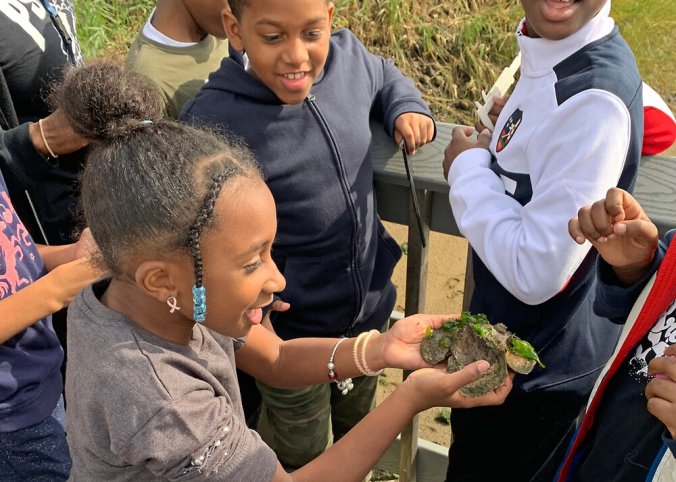
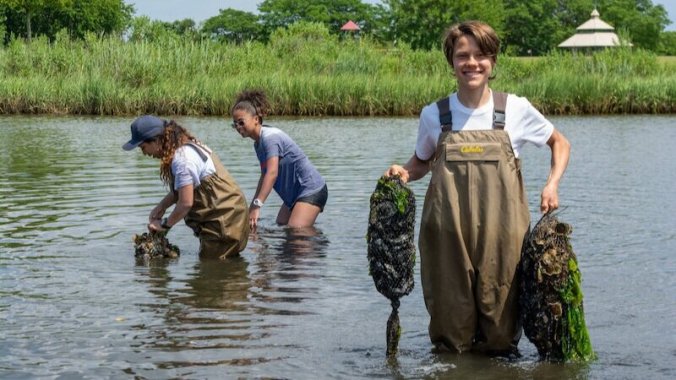
Discovery inspires.

Participation motivates.

Discovery + Participation + Organization =

Results

Click any of the images above to go to the website of this organization featured once before in our pages and now again in the article below. It will make more sense after reading the article. But do visit the site and consider volunteering. Take some kids along.

In New York, Kate Orff will use oyster reefs to mitigate storm surges. Photograph by Thomas Prior for The New Yorker

Eric Klinenberg‘s work on the topic of libraries provided a sense of common cause. After featuring so many stories about libraries and librarians (my more recent personal anecdote was purposely brief so did not relay how many ways my local library impacted my young life, a topic for another day), his book summed up much of why the institution matters to us. And then some. Advocating for libraries was something a talented academic could do on a larger scale than we could in these pages, especially with publications like those. Bravo. And now this.

After lots of attention to rewilding in these pages, plenty of it related to urban landscapes, the same author that further illuminated our understanding about the value of libraries has convinced me of how much more there is to learn on this topic:

The Seas Are Rising. Could Oysters Help?

How a landscape architect is enlisting nature to defend our coastal cities against climate change—and doing it on the cheap.

On a windy afternoon in April, the landscape architect Kate Orff stood on the open walkway of a container crane, some eighty feet above the Red Hook Terminal, in Brooklyn, and the Buttermilk Channel, a tidal strait on the southeast side of Governors Island. Continue reading