MycoHab & Other Namibian Wonders

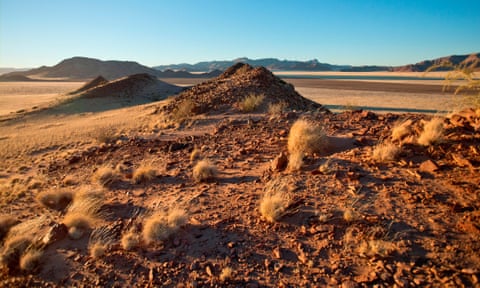
Desert in Namibia

Namibia has a severe housing shortage, with woody encroacher bush reducing the amount of land available for building. Photograph: Hoberman Collection/Universal Images Group/Getty

Mycological options for solving problems are abundant. We had not considered odor as a key potential obstacle, so thanks to Ester Mbathera for this reporting from Namibia:

‘People think they’ll smell but they don’t’: building homes from mushroom waste and weeds

A sustainable project aims to repurpose encroacher bush to create building blocks to solve Namibia’s housing crisis

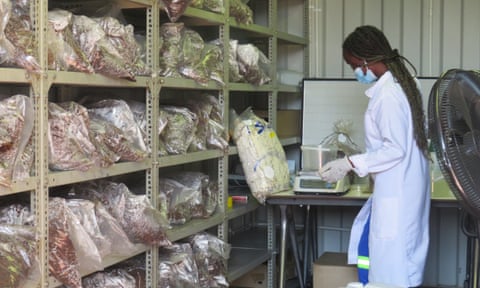
Oyster mushrooms in bags on a shelf with a woman using weighing scales

The remnants of the oyster mushrooms grown on weeds of encroacher bush will be used to create building blocks. Photograph: Ester Mbathera

People think the house would smell because the blocks are made of all-natural products, but it doesn’t smell,” says Kristine Haukongo. “Sometimes, there is a small touch of wood, but otherwise it’s completely odourless.”

Haukongo is the senior cultivator at the research group MycoHab and her job is pretty unusual. She grows oyster mushrooms on chopped-down invasive weeds before the waste is turned into large, solid brown slabs – mycoblocks – that will be used, it’s hoped, to build Namibian homes. Continue reading
Conservation, Tourism & Introspection

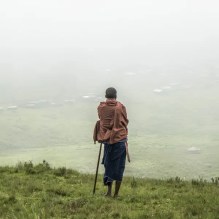
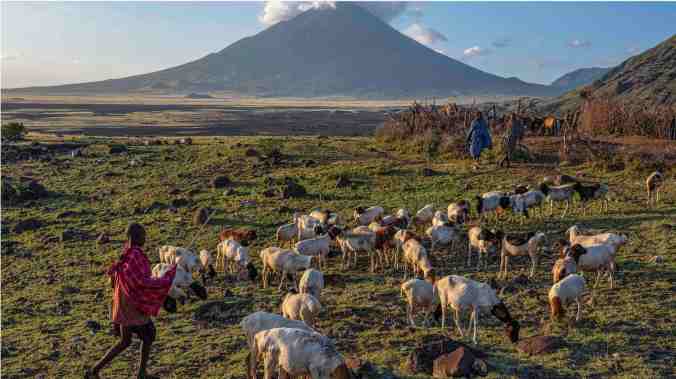
A Maasai boy herds goats and sheep in the shadow of Ol Doinyo Lengai—known to the Maasai as the Mountain of God—in northern Tanzania. Government plans call for the removal of the Maasai from this region, the latest in a long series of evictions.

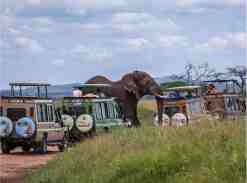
Bumper-to-bumper in Serengeti National Park, the first enclave in northern Tanzania to be set aside for conservation and tourism (Nichole Sobecki for The Atlantic)

If your professional focus is at the intersection of tourism and conservation, this article in The Atlantic, by Stephanie McCrummen with photos by Nichole Sobecki, forces introspection. At least it did for me:

‘THIS WILL FINISH US’

How Gulf princes, the safari industry, and conservation groups are displacing the Maasai from the last of their Serengeti homeland

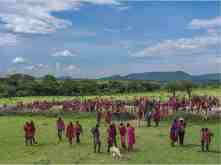
Maasai gather at a livestock market, one stop on Songoyo’s 130-mile circuit from Tanzania to Kenya and back. (Nichole Sobecki for The Atlantic)

It was high safari season in Tanzania, the long rains over, the grasses yellowing and dry. Land Cruisers were speeding toward the Serengeti Plain. Billionaires were flying into private hunting concessions. And at a crowded and dusty livestock market far away from all that, a man named Songoyo had decided not to hang himself, not today, and was instead pinching the skin of a sheep. Continue reading
Is That Safari In Tanzania A Good Use Of Your Money?

Brian Otieno

This guest opinion, written by Professor Robert Williams of the Indigenous Peoples Law and Policy Program at the University of Arizona, and published in the New York Times, should make you think twice about the safari that might be on your bucket list:

Over 600,000 tourists travel to Tanzania’s Ngorongoro Conservation Area each year, and many will catch a glimpse of the Great Migration: the famed trek of more than one million wildebeests and thousands of zebras, gazelles and other animals crossing over the Mara River into Kenya and back again. Continue reading
Fossil Fuel-free Ammonia

A fossil fuel-free ammonia plant at the Kenya Nut Company, near Nairobi. TALUS RENEWABLES

Alternative fertilizer has been something of an environmental holy grail, and this technology looks to be large step in the right direction. Have a look at the two companies mentioned in this Yale e360 news short:

Farm in Kenya First to Produce Fossil-Free Fertilizer On Site

The Kenya Nut Company, near Nairobi, will be the first farm in the world to produce fertilizer, on site, that’s free of fossil fuels.

small fertilizer plant, built by U.S. startup Talus Renewables, will use solar power to strip hydrogen from water. Continue reading
Credibility & Carbon Credits

Sapo National Park in Liberia. Under a deal now being negotiated, Blue Carbon would sell carbon credits from the park. EVAN BOWEN-JONES / ALAMY STOCK PHOTO

For the decade during which the market for carbon credits has been on our radar, concerns about credibility have been lurking. Now this:

In New Scramble for Africa, an Arab Sheikh Is Taking the Lead

A company established by a Dubai sheikh is finalizing agreements with African nations to manage vast tracts of their forests and sell the carbon credits. Critics are concerned the deals will not benefit Africans and will just help foreign governments perpetuate high emissions.

A forest in Mbire, Zimbabwe that is generating carbon credits. Blue Carbon has signed a memorandum of understanding with Zimbabwe to sell carbon credits from its woodlands. CYNTHIA R. MATONHODZE / BLOOMBERG VIA GETTY IMAGES

A prominent sheikh in the oil-rich Gulf state hosting this year’s UN climate negotiations, COP28, is heading a new rush to capture and sell carbon credits by managing tens of millions of acres of forests across Africa. Sheikh Ahmed Dalmook Al Maktoum, a member of the royal family of Dubai, which is part of the United Arab Emirates (UAE), wants to sell those credits to rich governments in the Gulf and elsewhere, so they can offset their carbon emissions to help them meet their carbon pledges under the 2015 Paris Agreement. Continue reading
If Turtles Could Talk–A Short Documentary

The film follows the perilous journey that sea turtles make to lay their eggs on their ancestral land on a beach in Kenya.

Above is a screenshot from the film by Juma Adero, with text by Natalie Meade, that will likely interest anyone who has been exposed to turtle conservation initiatives:

On a Tropical Beach, Conservationists and Poachers Collide

Juma Adero’s short documentary “If Turtles Could Talk” chronicles the effort to save endangered sea turtles near Mombasa, Kenya.

The shoreline where a green sea turtle hatches from her egg is often the same place she’ll return to nest for the first time. One such inlet is Jumba beach, which abuts the site of an old Swahili village near the bustling city of Mombasa, in southern Kenya. Continue reading

Climate Migration’s Upsides

Reporting from Niger, the Economist offers a glass-half-full consideration of a daunting topic (the podcast version of this story is excellent), and pulls it off:

image: josh haner/the new york times/redux/eyevine

The surprising upside of climate migration

To adapt to climate change, people will move. The results will not be all bad

On the outskirts of Niamey, the capital of Niger, it looks as if the countryside has moved to the city. Clusters of dome-like wooden huts have popped up. Cows and goats are tethered in the shade. Waves of rural folk have arrived, largely because of climate change. Continue reading
Taking Inspiration From Smallhold Farms In Africa

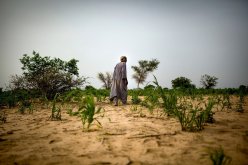
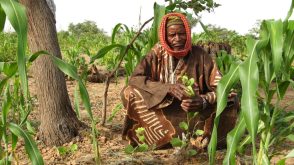
A farmer in Niger tends to a tree sprout growing among his millet crop. TONY RINAUDO / WORLD VISION AUSTRALIA

I am nearing the point where I can offer an update on the trees we have planted in advance of 1,000+ coffee plants going into the ground in their shade. Thanks to Fred Pearce, reporting in Yale E360, I have some inspiration coming from across the Atlantic on the broader value of those trees:

Dooki (Combretum glutinosum) trees grow on a millet field in Niger. P. SAVADOGO / ICRAF

As Africa Loses Forest, Its Small Farmers Are Bringing Back Trees

The loss of forests across Africa has long been documented. But recent studies show that small farmers from Senegal to Ethiopia to Malawi are allowing trees to regenerate on their lands, resulting in improved crop yields, productive fruit harvests, and a boost for carbon storage.

For decades, there have been reports of the deforestation of Africa. And they are true — the continent’s forests are disappearing, lost mainly to expanding agriculture, logging, and charcoal-making. But the trees? Continue reading
Ghana Says No Thank You To Europe’s Fast Fashion

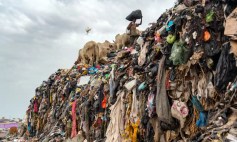
Some of the 6m items of clothing that arrive at Kantamanto Market each week. With the rise of fast fashion in the west, more is discarded as the quality drops. Photograph: Muntaka Chasant/Rex

When  the clothes cast off by the wealthy are cast on to those less wealthy, it should be done so according to the golden rule:

Stop dumping your cast-offs on us, Ghanaian clothes traders tell EU

With 100 tonnes of clothing from the west discarded every day in Accra, ‘fast fashion’ brands must be forced to help pay for the choking textile waste they create, environmentalists say

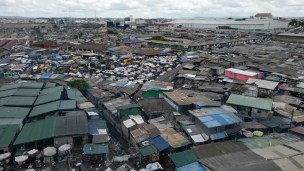
An aerial view of Kantamanto market in Accra, where 100 tonnes of secondhand clothing a day are discarded. Photograph: Misper Apawu/The Guardian

A group of secondhand clothes dealers from Ghana have visited Brussels to lobby for Europe-wide legislation to compel the fashion industry to help address the “environmental catastrophe” of dumping vast amounts of textiles in the west African country. Continue reading

Birds, Citizen Science & You

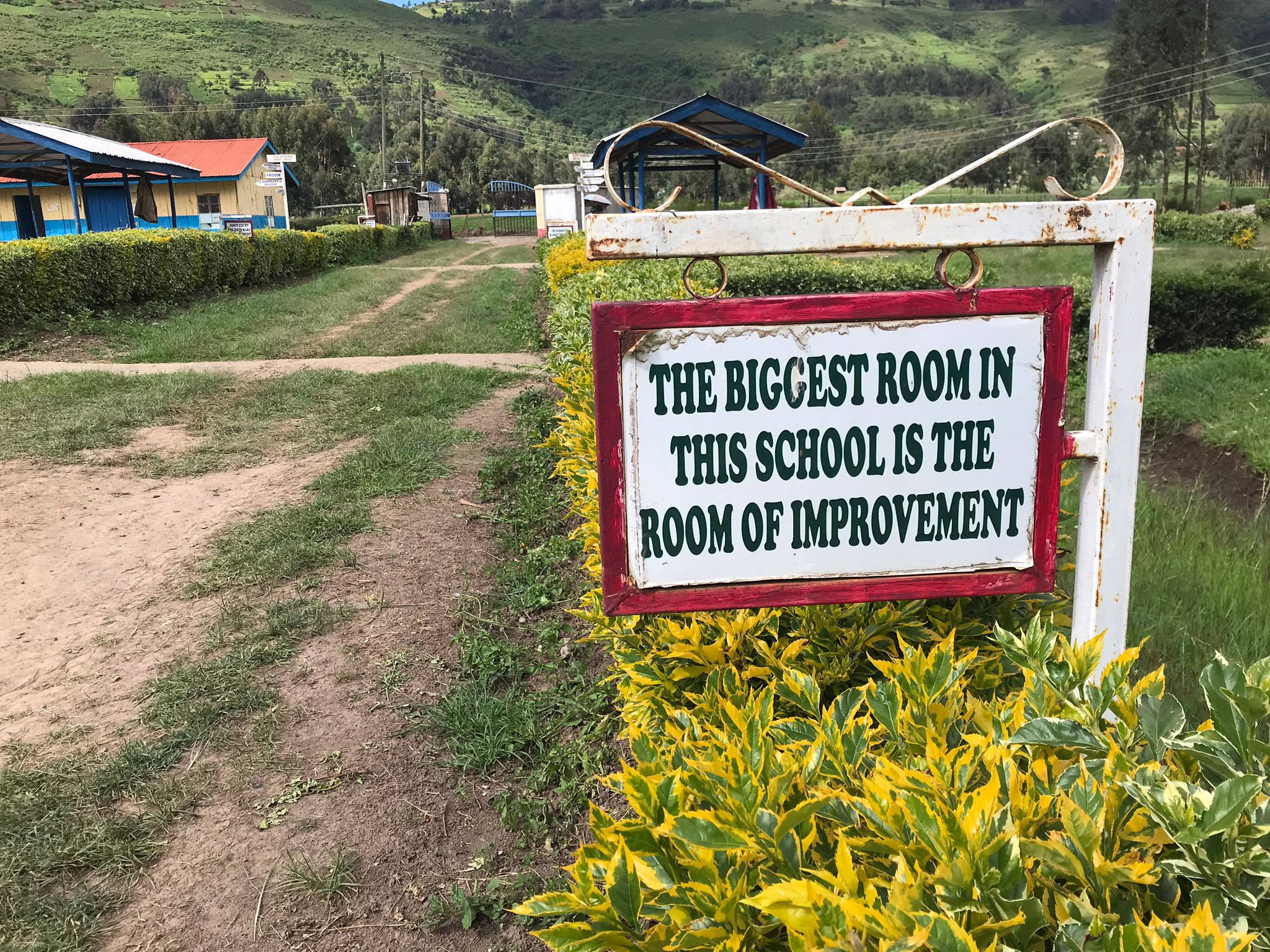
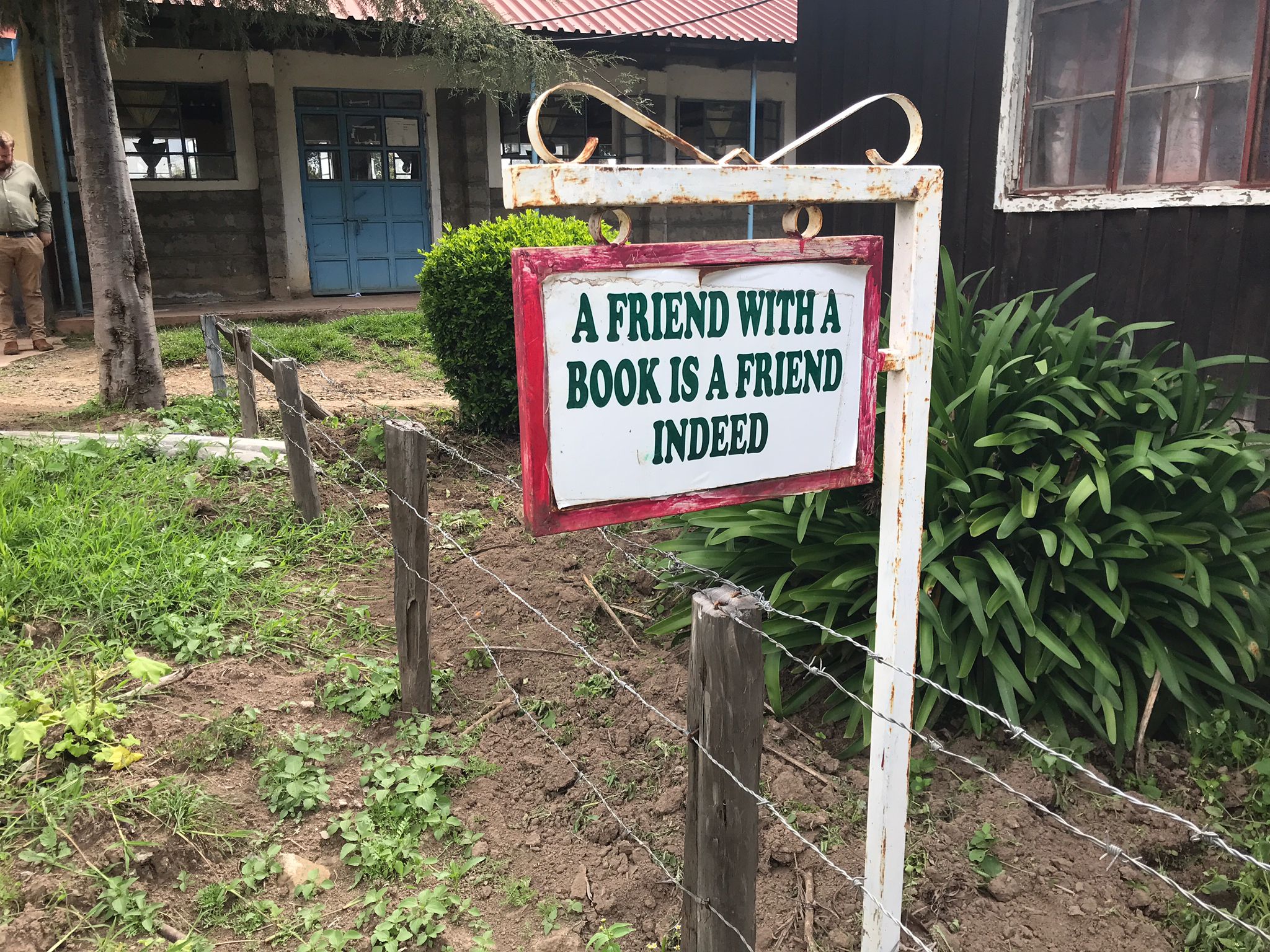
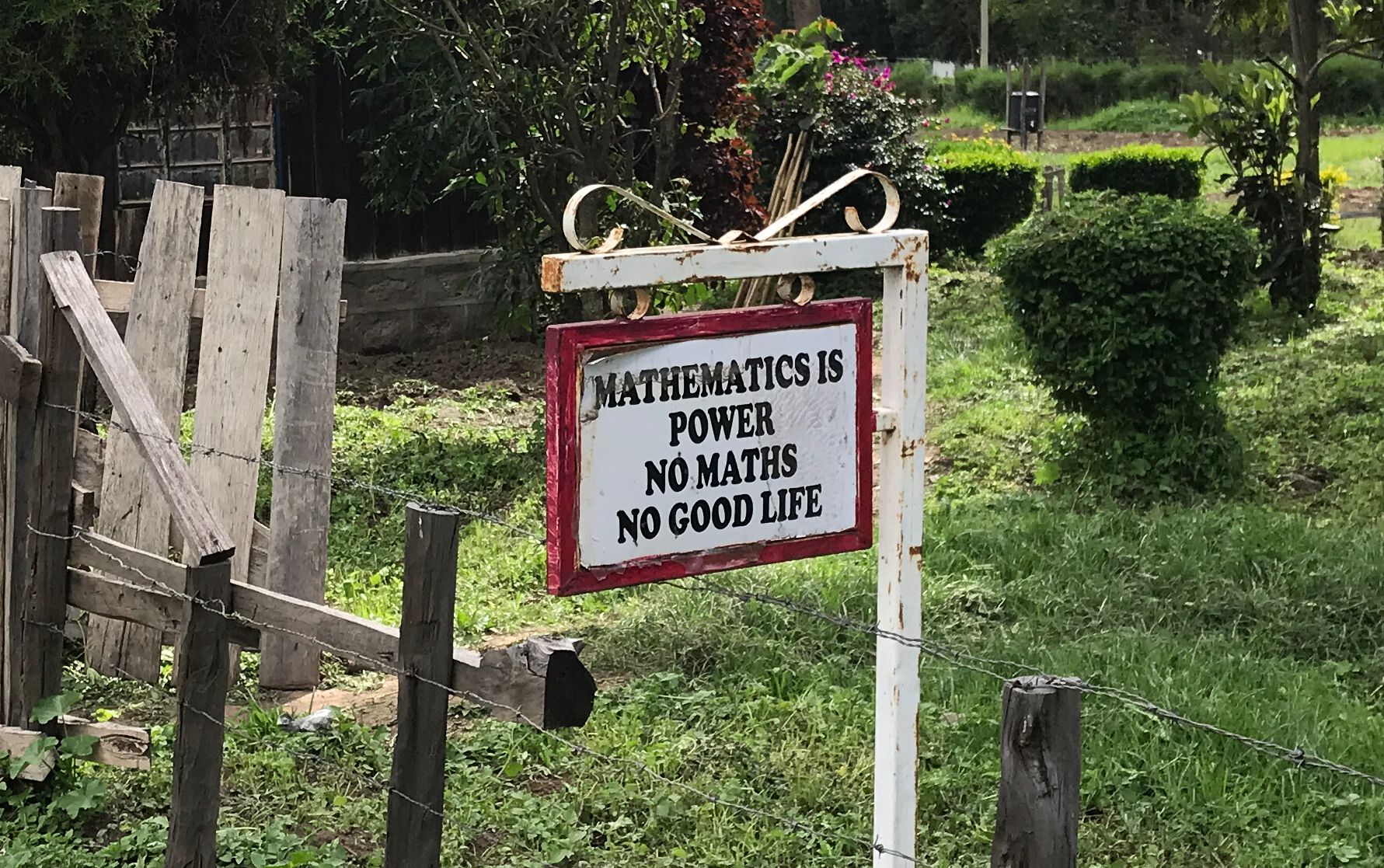
Seth has been working in various African countries recently, and is somewhere in Kenya at this moment, for work. There is a school in the vicinity, with these signs. We have not yet had the chance to hear any details about the school, but these signs anyway say most of what we might want to know.

His work, related to forest management, clearly intersects with his longstanding interest in birds, strengthened by his three years working at the Cornell Lab of Ornithology. That period coincides with our learning about citizen science and in the years since we have shared many stories from the field.

The pictures arrived from Kenya just as this initiative between the Cornell Lab of Ornithology and the New York Times comes to my attention, which you might find interesting:

Mike McQuade

Go Birding With The Times

Our understanding of birds has been profoundly shaped by the work of everyday people. After all, anyone can step outside and pay attention to an untamed world swooping above. Continue reading
Chilekwa Mumba, 2023 Goldman Environmental Prize Winner

https://youtu.be/8TG_1ILhxcU

The 2023 Goldman Prize goes to this man:

Alarmed by the pollution produced by the Konkola Copper Mines operation in the Copperbelt Province of Zambia, Chilekwa Mumba organized a lawsuit to hold the mine’s parent company, Vedanta Resources, responsible. Chilekwa’s victory in the UK Supreme Court set a legal precedent—it was the first time an English court ruled that a British company could be held liable for the environmental damage caused by subsidiary-run operations in another country. This precedent has since been applied to hold Shell Global—one of the world’s 10 largest corporations by revenue—liable for its pollution in Nigeria.

Our thanks to Jocelyn C. Zuckerman for this conversation with him:

The Nchanga copper mine, operated by Konkola Copper Mines, in Chingola, Zambia. WALDO SWIEGERS / BLOOMBERG VIA GETTY IMAGES

This Zambian Took on a U.K. Mining Giant on Pollution and Won

Chilekwa Mumba led a court battle to hold a U.K.-based company responsible for the gross pollution from a copper mine it owns in Zambia. In an interview, he talks about how he and local villagers faced arrest to overcome long odds and finally win a landmark legal victory.

The southern African nation of Zambia is home to a wealth of minerals — in particular, lots of the copper and cobalt that the world will require to power a green economy. Continue reading
Tagging Large Land Animals

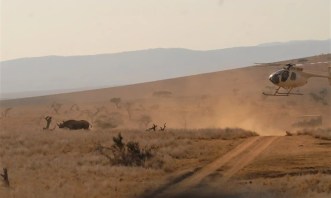
The team secure a darted rhino with nylon rope, then take its temperature and use a pulsemeter to monitor its heart rate and blood oxygenation

We have previous links to articles on tagging animals, but few land animals this big:

How to tag a rhino? Use tech, tact … and plenty of caution – a photo essay

Fewer than 2,000 rhino remain in Kenya, and the country’s wildlife service needs to keep tabs on them to make sure they thrive. It’s a major undertaking, involving a helicopter, 4x4s and a lot of rangers

Here comes a chopper … a helicopter is used to dart the highly aggressive black rhino

Kenya has the world’s third largest rhinoceros population: a total of 1,890 including 966 black rhinos, 922 southern white and two northern white. But how to keep track of them and ensure the species are thriving? Every two or three years, Kenya Wildlife Service (KWS) carries out an ear-notching exercise in all rhino sanctuaries in the country to ensure that at least 60% of the animals are uniquely identifiable. Continue reading
Glaciers In Uganda?

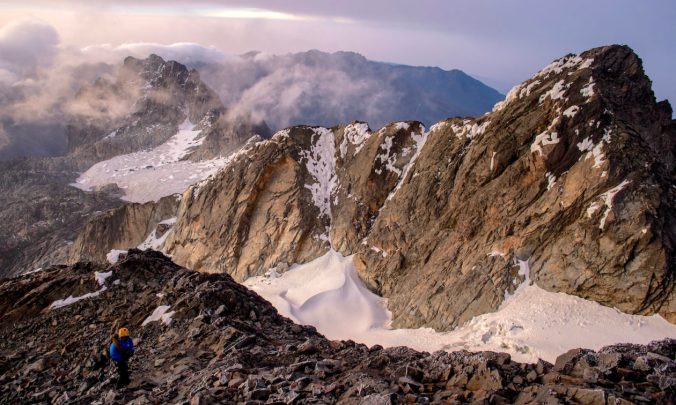
Margherita Peak, with mountain guide Uziah Kule (lower left) ascending. The Stanley Glacier is in the background. JOHN WENDLE

We should not be surprised that there are glaciers anywhere in Africa, especially given the title of a book many of us have read that name checks one of the continent’s highest mountains with reference to its snow. But still, surprise:

For Uganda’s Vanishing Glaciers, Time Is Running Out

A trek through tropical forest, mud fields, and scree reveals the last remnants of the once-sprawling ice fields in Uganda’s Rwenzori Mountains. Their loss has profound implications for local communities, uniquely adapted species, and scientists studying the climate record.

Enock Bwambale stopped at the lip of the dying glacier, its blunted nose arcing steeply down to scoured rocks, then shouted up to his fellow guide Uziah Kule that the ice was too sheer to descend on foot. Continue reading
Trashy Fashion

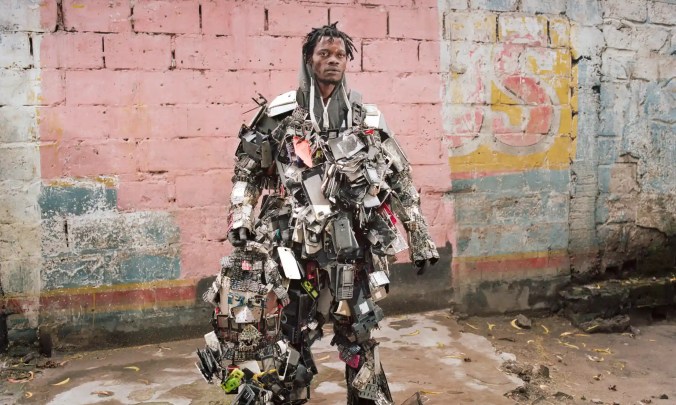
Congolese artist Nada Thsibwabwa photographed by Colin Delfosse wearing a costume made of mobile phones in Matonge district, Kinshasa, Democratic Republic of the Congo. All images © Colin Delfosse

Congolese artist Hemock Kilomboshi posing in his rubber costume in Matonge district, Kinshasa. A member of the Kinact platform, Kilomboshi performs in Kinshasa’s streets to raise issues about globalisation and economic plunder in the DRC.

We featured an African social enterprise in our pages, back in the days of our Ghana work, that today’s story reminds us of. Whether on the streets of Accra, or the streets of Kinshasa, we love the creative approach. Click any image, or the title link below, to see the entire collection in the Guardian:

Rubbish fashion: street art costumes of Kinshasa – in pictures

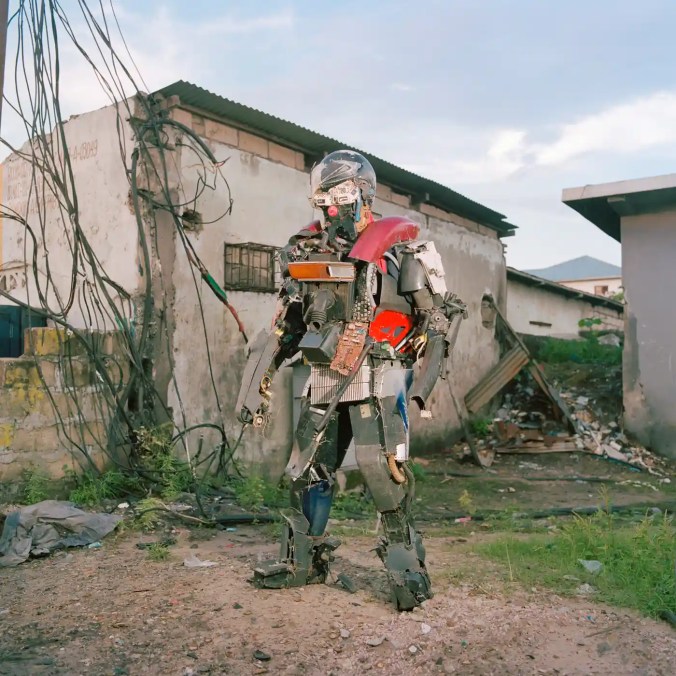
In his series Fulu Act, Brussels-based documentary photographer Colin Delfosse captures street artists in Kinshasa, who craft striking costumes out of everyday objects found littering the streets, such as discarded wigs, wires, soda cans and bottle lids, to raise awareness of environmental issues facing the Democratic Republic of the Congo. “The statement behind their costumes is to condemn and inform about overconsumption and its side effects, namely pollution, poverty, lack of reliable investments and so on,” says Delfosse. “By capturing these images, I’m giving an echo to their crucial work.”

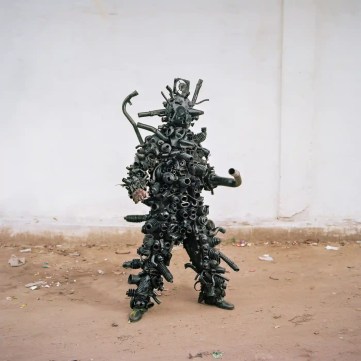
Congolese artist Jean Precy Numbi Samba, AKA Robot Kimbalambala, pictured in his costume made of car spare parts in the Ngiri-Ngiri district, Kinshasa, December 2019. The car market in the capital’s suburbs is mostly made of highly polluting secondhand (or thirdhand) vehicles from Europe.


Aggressive Tourism

A group of safari vehicles packed closely together as passengers look out windows and open roofs at animals grazing on a yellow plain.

About 60 vehicles waited near the Mara River in Kenya as wildebeests and zebras gathered in August to cross the waterway as part of their migration on the Serengeti Plain. Simon Espley

We have Maria Cramer and Costas Christ to thank for this reminder about our responsibilities as producers and consumers of travel experiences:

A video showing dozens of vehicles moving in on a pair of big cats in a Kenyan game reserve highlights how “aggressive tourism” can put endangered animals at even greater risk.

The video surfaced online around October. Filmed from a distance, it shows an antelope grazing on the African plain. Suddenly, two cheetahs race toward it and the antelope takes off, running toward the camera. But the cats are too fast. They converge on it and bring it down. They begin to feed. Continue reading
Quiet Catches Criminals

PHOTOGRAPH: JUSTIN SULLIVAN/CAKE

We have always had a soft spot for creative approaches to reducing, if not ending, poaching. And now this, thanks to Andy Jones at Wired:

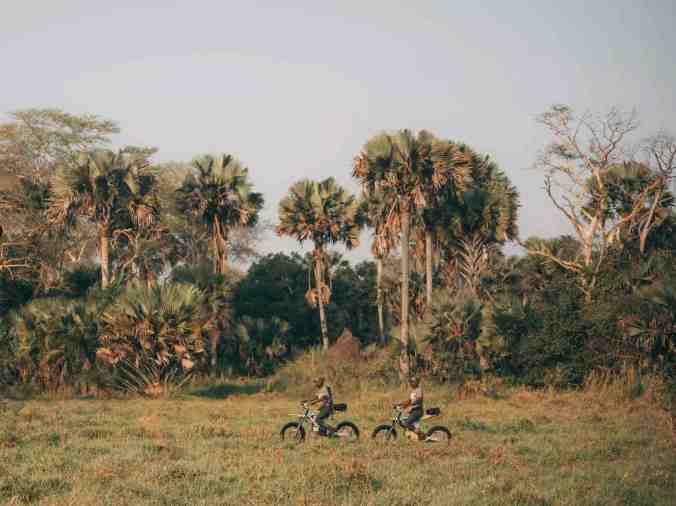
Park Rangers Are Using Silent Ebikes to Catch Poachers

A Swedish electric bike is helping Mozambique’s park rangers protect game and reducing the need for fossil fuel infrastructure in Africa’s remotest areas.

AT THE END of 2021, a group of night poachers in a Mozambique national park—using torchlight to blind antelopes—were suddenly the ones left stunned in the dark. Continue reading
Rwanda’s Cold Chain Challenge

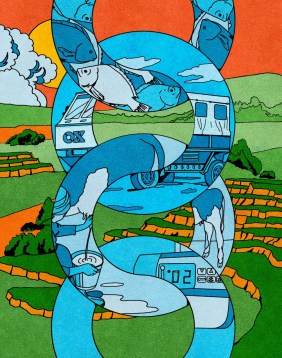
A “cold chain” protects food as it makes its way from farm to table. Illustration by María Jesús Contreras

A five year gap since the last time we linked to a Nicola Twilley story is not a sign of anything; back with a story on an African nation we have had our eyes on, we are gratified by her latest:

Africa’s Cold Rush and the Promise of Refrigeration

For the developing world, refrigeration is growth. In Rwanda, it could spark an economic transformation.

At one in the morning, several hours before fishing boats launch, François Habiyambere, a wholesale fish dealer in Rubavu, in northwest Rwanda, sets out to harvest ice. In the whole country, there is just one machine that makes the kind of light, snowy flakes of ice needed to cool the tilapia that, at this hour, are still swimming through the dreams of the fish farmers who supply Habiyambere’s business. Flake ice, with its soft edges and fluffy texture, swaddles seafood like a blanket, hugging, without crushing, its delicate flesh. Continue reading

Sometimes, You Just Have To Say…

Photo by Seth Inman taken in Kenya’s Samburu Game Reserve

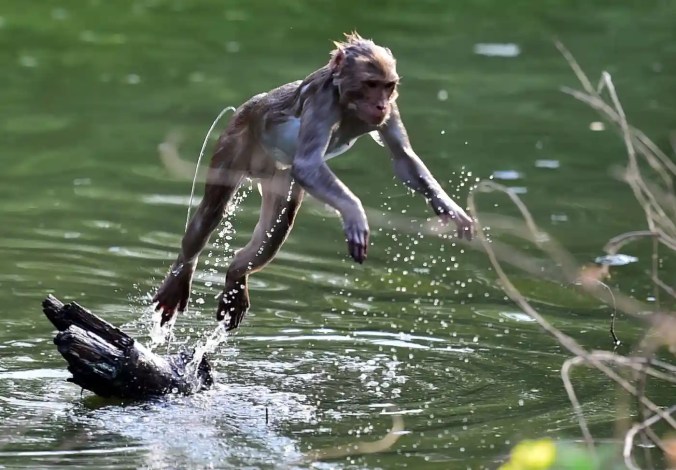
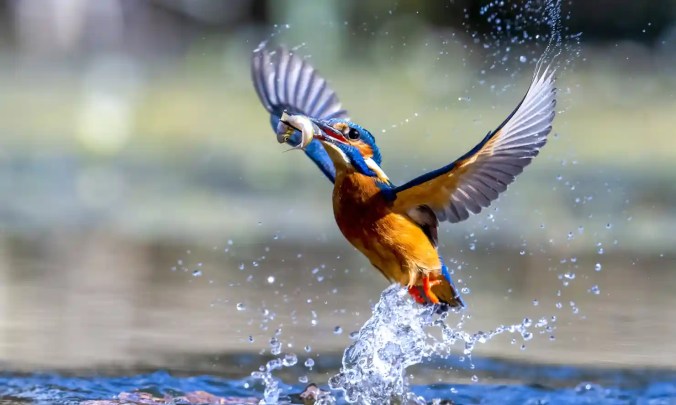
… Show me a photo. When atrocities dominate the news, and threaten to overwhelm, I lean on old photographs taken by family members that offer a meditative opportunity. Recently I have found myself leaning on those that transport me to some natural phenomenon I have not myself witnessed. Recently, three years after his last work on the African continent, Seth was on a work assignment in Kenya and took the photo above. That has been my meditative escape mechanism recently, but today the Guardian’s occasional series offers some others, thanks to Joanna Ruck:

A monkey leaps in a pond during a hot summer day in Allahabad, India. Photograph: Sanjay Kanojia/AFP/Getty

For more pictures in the series, click either image.

Main image: A kingfisher bags a meal in Lincolnshire, UK. Photograph: Charlotte Graham/Rex/Shutterstock

Tracking Disappearing Species

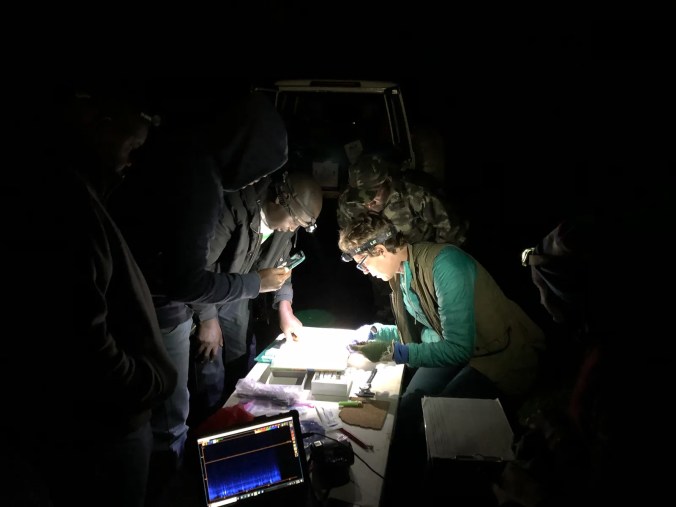
Researchers work through taxonomic keys to determine whether they had just caught a Hills’ horseshoe bat in Rwanda’s Nyungwe National Park.Photograph by Jon Flanders / Courtesy Bat Conservation International

Disappearing species as a topic in these pages has taken many forms. Hunters of disappearing species, less so. My exposure to this topic is limited to one project that Seth participated in. But the fact that Seth also had experience on a different type of project in Rwanda’s Nyungwe National Park made this article particularly of interest. Carolyn Kormann, once again, thank you:

The Hunt for a Lost Bat

The obsessive people who track down disappearing species are their own variety of rare—sparsely found across a wide geographic range, in all sorts of habitats.

In January, 2019, a multinational team of biologists set out into the rain forest of southwestern Rwanda, in search of a near-mythical bat that they thought might be extinct. Continue reading

When Fences Are Un-Neighborly

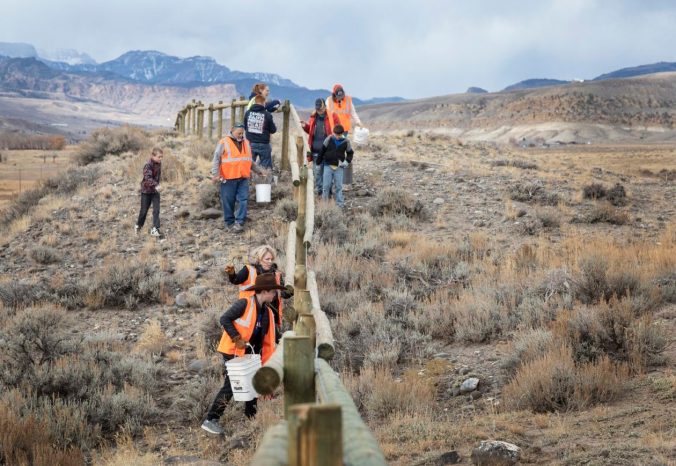
Volunteers modify a wire fence in Wyoming to allow wildlife to pass through. ABSAROKA FENCE INITIATIVE

If we take Robert Frost’s poetic license into the realm of how humans and wildlife might coexist more successfully, then the image above is powerful. Good fences might make good neighbors if they allow wildlife to migrate as needed.

A guanaco at a fence in southern Chile. WOLFGANG KAEHLER / LIGHTROCKET VIA GETTY IMAGES

While working in the Patagonia region of Chile, 2008-2010, I saw images like this in the photo to the right regularly. On occasion the sight would be more gruesome. Ranchers had erected fences without regard for the need of guanacos to wander.

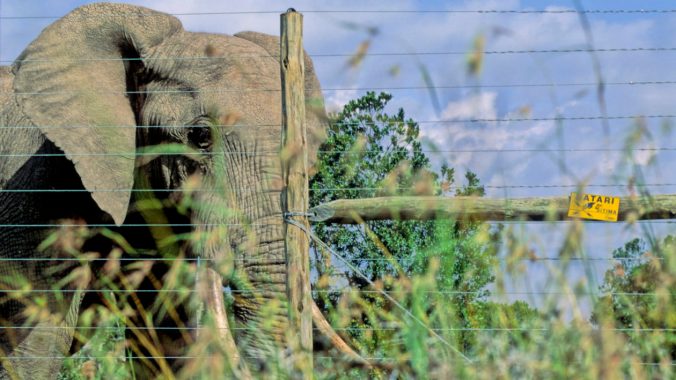
During our seven years living in India the human-elephant relationship was often one of worshipful respect, but included too many stories of fences, or worse, as methods farmers used to protect their properties from elephant intrusions. As is the case in Kenya (see the image below) fences are unneighborly. So, we were on the lookout for creative solutions. The following article by Jim Robbins, in Yale e360, is timely and welcome in this regard.

An African elephant alongside an electric fence in Laikipia, Kenya. AVALON / UNIVERSAL IMAGES GROUP VIA GETTY IMAGES

Unnatural Barriers: How the Boom in Fences Is Harming Wildlife

From the U.S. West to Mongolia, fences are going up rapidly as border barriers and livestock farming increase. Now, a growing number of studies are showing the impact of these fences, from impeding wildlife migrations to increasing the genetic isolation of threatened species.

The most famous fence in the United States is Continue reading