Cambium Carbon’s Reforestation Hubs

When we started this platform for sharing news and experiences related to innovative approaches to conservation, Seth was in Nicaragua and wrote multiple posts on Simplemente Madera  It is odd not to find a more recent post about their One Tree initiative because in early 2019 while sourcing for Authentica we sought out products that supported tree-planting. Today I am reminded of all that from a link I followed to Cambium Carbon in this story:
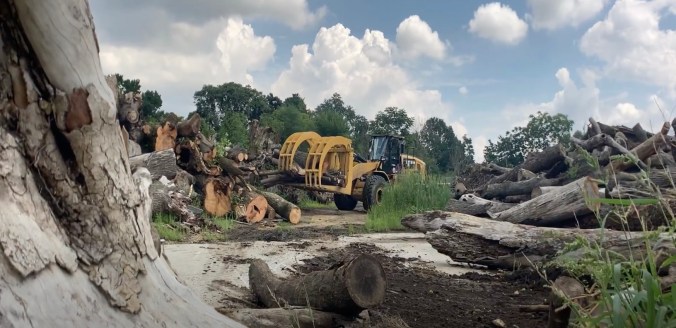
Courtesy of Cambium Carbon. Cambium Carbon aims to turn cut or fallen urban trees into wood products that can be sold to fund tree-planting efforts. Currently, most trees removed from cities are either chipped for low-grade application or hauled to a landfill at a significant cost.

Reforestation Hubs, ‘Coming Soon’ to a City Near You

Cambium Carbon, an initiative founded by YSE students to combat climate change and revitalize urban communities by reimagining the urban tree lifecycle, has earned a $200,000 Natural Climate Solution Accelerator Grant from The Nature Conservancy, in partnership with The Arbor Day Foundation. Continue reading
Acacia Trees & Anti-Desertification

Credit: Getty

Thanks to the BBC for this:

The ancient trade holding back the Sahara Desert

For millennia, the gum of the acacia tree has been prized for its unusual culinary and medical uses. Now, the trees are part of a continent-wide effort to hold back the Sahara Desert.

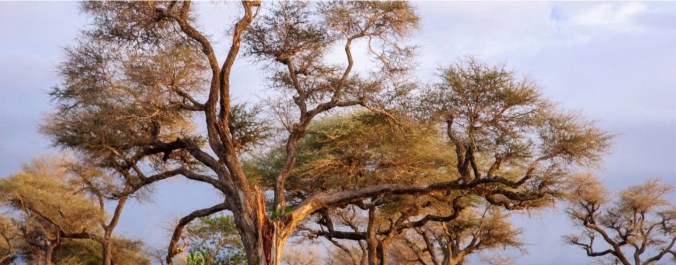
In the Malian bush, a scattering of acacia trees grow through the wild grass and shrubs that spread for miles across the semi-arid scrub. Herders graze cattle nearby and local people fetch firewood. The acacias are among the taller and faster-growing trees of this habitat, with old individuals reaching high above the surrounding scrub.

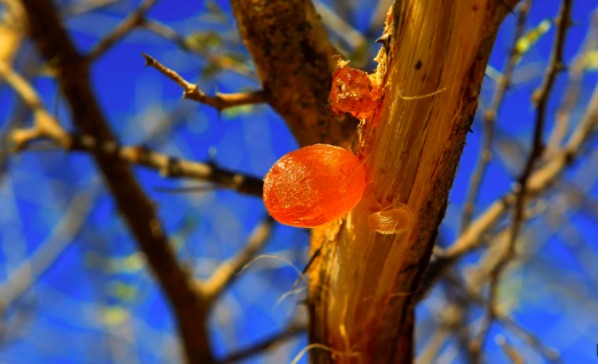
Gum arabic spills out naturally from wounds in the acacia tree, but it can also be extracted by making deliberate incisions into the bark (Credit: Reuters)

This is the Sahel, a savannah that stretches across six countries in mainland West Africa. This dry strip of land between the tropical rainforests to the south, and the Sahara to the north, sees just three months of rain a year. It’s a region that is changing quickly. Climate change has seen the Sahara Desert grow around 100km (62 miles) southward since 1950, and is expected to continue the same trend in the coming decades. Continue reading

Some Of Nature’s Miniature Pharmaceutical Factories Are Also Culinary Powerhouses

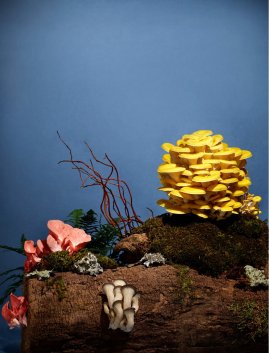
Photograph by Mari Maeda and Yuji Oboshi. Styled by Suzy Kim

I have not done a count, but I would guess the New York Times has been the source of as many stories we link to as any other publication. Mostly that would be due to the excellence, and relevance to our goals, of the Science section. The New York Times Style Magazine is not normally a source for us. I cannot find a single link to that publication on this platform in 9+ years and among 4,000+ posts. We feature plenty of shiny pretty things but only those that offer insight relevant to this platform. On occasion the trendy and/or the fashionable intersect well with the stories we favor, and we have no problem pointing those out.

A selection of herbal and mushroom powders from Apothékary. Sarah Gurrity

So it goes with fungi. There are many fungi-focused posts on this platform, few of which would be seen as glamorizing. Surely we are trying to validate the topic by shining an attractive light on it. But we favor knowledge over visual stimulation. Aesthetics are not lost on us, nor is the intent to get more people interested in a topic we care about, so:

Are Mushrooms the Future of Wellness?

Long thought to have medicinal benefits, fungi including reishi, lion’s mane and chaga are gaining popularity in the wellness world.

Even before the onset of the pandemic, which has increased the demand for all manner of so-called organic immunity elixirs, wellness-minded Americans were warming to mushrooms. To be clear, mushrooms don’t cure Covid-19, but they are thought to provide a host of other benefits, from serving as an aphrodisiac to bolstering one’s defenses to toxins…

Not one, but two articles in the same issue, both with fabulous photography. The first, by Arden Fanning Andrews, deals with the health benefits of fungi; the second, by Ligaya Mishan, focuses on the culinary:

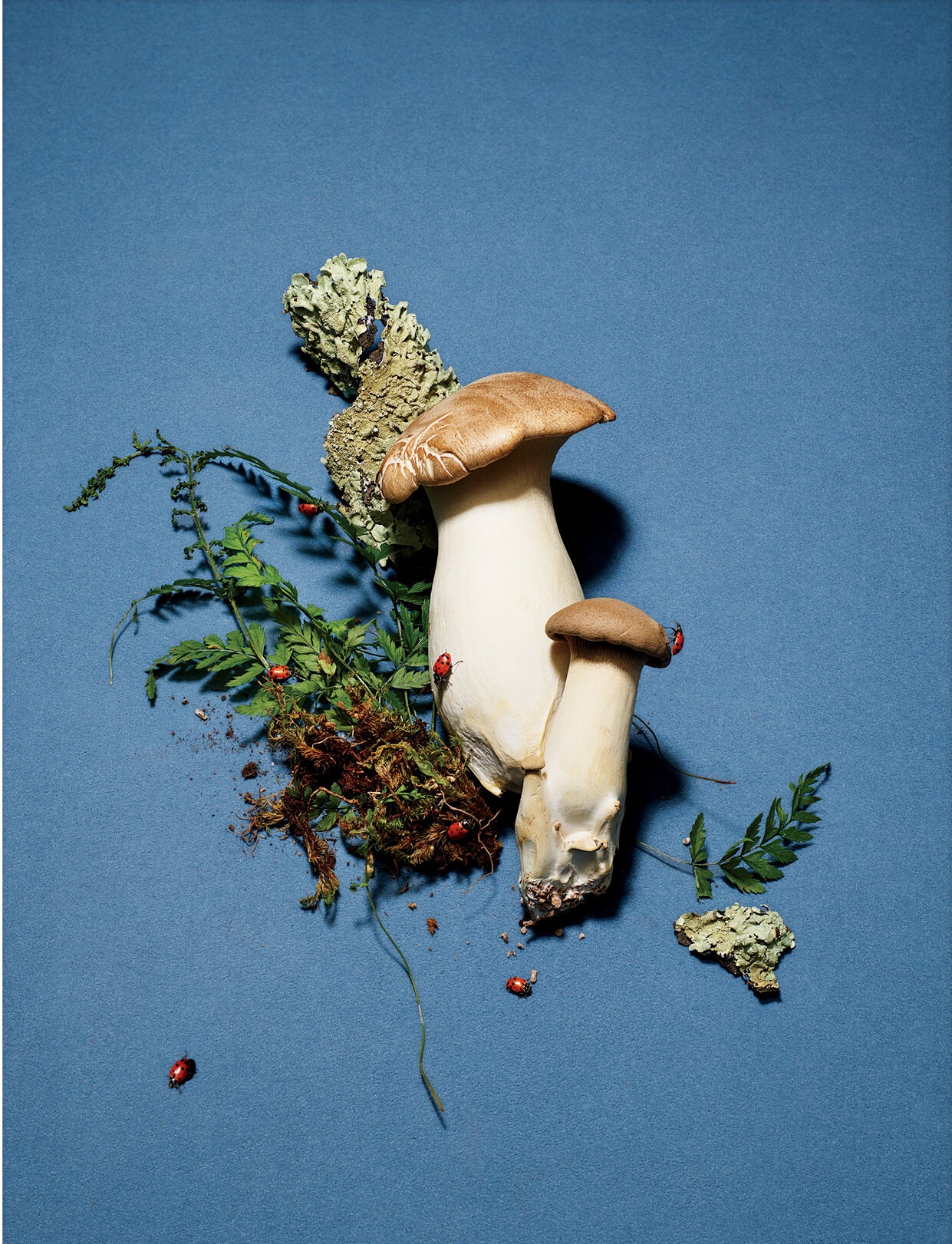
A duo of royal trumpet mushrooms alongside ladybugs, lichen and wild ferns.Credit…Mari Maeda and Yuji Oboshi

Mushrooms, the Last Survivors

Neither plant nor animal, mushrooms have confounded humans since ancient times. Now, they’re a reminder of our tenuous place in an uncertain world.

The mushrooms sit on high, behind glass, above bottles of Armagnac and mezcal in a bar at the Standard hotel in Manhattan’s East Village. They are barely recognizable at first, just eerie silhouettes resembling coral growths in an aquarium, blooming in laboratory-teal light: tightly branched clusters of oyster mushrooms in hot pink, yolk yellow and bruise blue, alongside lion’s mane mushrooms, shaggy white globes with spines like trailing hair…

Think Twice About Whatever It Takes For Honeybees

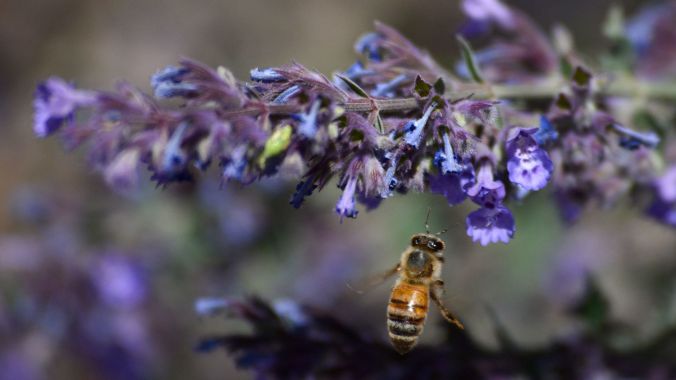
A honey bee visits a blooming catmint plant in New Mexico. ROBERT ALEXANDER/GETTY IMAGES

Since Milo’s 2011 post on this topic we have paid attention to the plight of honey bees and their human keepers, and might have had a “whatever it takes” perspective on letting those human keepers find solutions to keep their colonies alive. Jennifer Oldham’s article in Yale e360 has us thinking twice:

Will Putting Honey Bees on Public Lands Threaten Native Bees?

As suitable sites become scarce, commercial beekeepers are increasingly moving their hives to U.S. public lands. But scientists warn that the millions of introduced honey bees pose a risk to native species, outcompeting them for pollen and altering fragile plant communities.

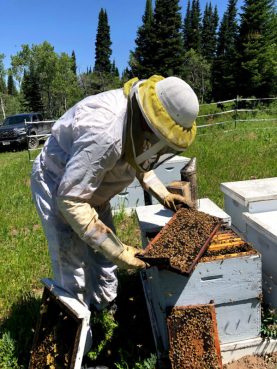
Beekeeper Dennis Cox checks his hives in Strawberry Valley, Utah in July. JENNIFER OLDHAM / YALE E360

Honey bees heavy with pollen and nectar foraged from wildflowers on Utah’s Uinta-Wasatch-Cache National Forest collide with tall grass and tumble to the ground. They are attempting to land alongside a hive, and I watch as they struggle to stand, fly into the box, and disgorge nectar to be made into honey.

The pollinators belong to a 96-hive apiary, trucked here to Logan Canyon for the summer to rest and rebuild their population, replenishing bees lost to disease and pesticides after months pollinating California’s almond groves. By Labor Day, the yard could house 5 million domesticated pollinators. Continue reading
Preparing For An Entangled Future

The Science section of the Guardian’s website has an article profiling an author and his new book (click above to find the book on the author’s website) that relate to a topic we care about as much as any we post about on this platform.

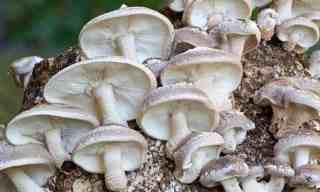
Shiitake mushrooms (Lentinula edodes) being home cultivated. Photograph: Gerry Bishop/Alamy

When Amie and Milo and I moved to Kerala, India in 2010 it was ostensibly for the sake of our client. But it was also for Milo. He was 16 years-old with a strong interest in mycology, and was motivated to translate his knowledge into practice. Within the first year he set up a small farming operation for culinary mushrooms.

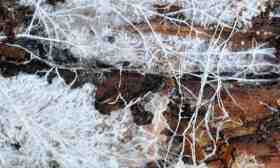
Underground network: a wood-rotting fungal mycelium exploring and consuming a log. Photograph: Alison Pouliot

He was adept at explaining the importance of complex networks like those in the image to the left, and made me a believer: the future is fungal, for culinary, medicinal, and bio-remediation purposes. When restoration of this coffee farm started, I built a berm with logs at the core, expecting a mycelium network to develop, creating a healthy border for the shade trees planted.

These days Milo has his own forest tract to continue these pursuits and I keep a lookout for related stories of interest. Merlin Sheldrake has my full attention today:

The future is fungal: why the ‘megascience’ of mycology is on the rise

The study of fungi has long been overshadowed by more glamorous scientific quests. But biologist Merlin Sheldrake is on a mission to change that

Merlin Sheldrake is convinced fungi will play a crucial role in our growing understanding of the environment. Photograph: Cosmo Sheldrake

As a boy, Merlin Sheldrake really loved the autumn. In the garden of his parents’ house – he grew up a few moments from Hampstead Heath, which is where he and I are walking right now, on an overcast summer morning – the leaves would fall from a big chestnut tree, forming gentle drifts into which he liked nothing more than to hurl himself. Wriggling around until he was fully submerged, Sheldrake would lie there, quite content, “buried in the rustle, lost in curious smells”. As he writes in his wondrous new book, Entangled Life, these autumnal piles were both places to hide and worlds to explore. Continue reading

Rewilding: Restoring Ecosystem & Community

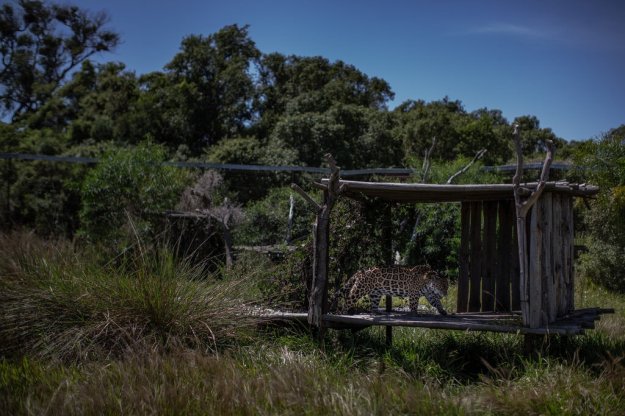
The jaguar Isis in her pre-release pen; she is part of a rewilding project in Iberá National Park in Argentina.

Rewilding, once a novelty idea, has been scaling and we are gratified to see Argentina’s progress:

‘Fixing the Damage We’ve Done’: Rewilding Jaguars in Argentina

Bringing back the top predator to Argentina’s wetlands could restore the health of an entire ecosystem. But inducing five felines with troubled pasts to hunt, and mate, is not easy.

IBERÁ NATIONAL PARK, Argentina — They had a big job to do, drafted as the first few jaguars to be reintroduced to Argentina’s wetlands after more than seven decades of absence.

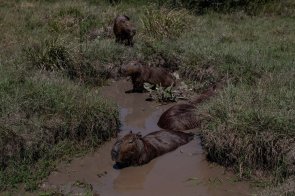
Capybaras, a giant rodent, at the park.

But they were a troubled bunch.

Tobuna came from an Argentine zoo and was fat and lethargic, in the twilight of her reproductive life. Her daughter, Tania, had been hidden from view in the same zoo because a tiger had mauled one of her legs as a cub. Continue reading

Gastropod Defense Team? Not so fast…

Visitors to this site know that coffee plays a significant role in the lives of many of our contributors, so the threat of rust is something we’ve been aware of for some time as well. We’re usually in favor of finding natural and non-invasive solutions to pest problems, but are quite aware that “non-invasive” must be the operative word.

The unintended consequences of using the invasive Asian tramp snail as a biological control could be significant, causing more harm than help. The studies here suggest that selective planting amid the coffee could provide various solutions, which consider the benefits of the polyculture planting methods of shade-grown coffee.

What Tiny Snail Poop Could Mean For Latin America’s Coffee Farms

Zachary Hajian-Forooshani never expected to find snails in the mountainous, coffee-producing heart of Puerto Rico. In 2016, when he was a University of Michigan masters student, he and his peers noticed some curious excrement on the undersides of coffee plants, which they eventually traced to the invasive Asian tramp snail. “Cool things pop out and you follow up with them,” says Hajian-Forooshani, who has made the snails and their colorful poop the subject of his doctoral research. “I just followed a trail of excrement.”

The oddly colored snail poop was, not coincidentally, the same bright-orange color as coffee rust, a parasitic fungus that’s coming for your morning buzz.

Central American farmers have tried breeding hybrid coffee species that are rust-resilient, but the fast-moving fungus is quick to develop an immunity to that resistance. ADAM KEOUGH/PUBLIC DOMAIN MARK 1.0

Coffee leaf rust has been a menace for more than a century. After appearing on Sri Lanka in the late 1800s, it enveloped the island within 20 years, ridding what was once the world’s greatest coffee exporter of its cash crop in near entirety. Traveling on the wind across Africa’s coffee belt, coffee rust reached the Atlantic coast by the 1950s. Its arrival in Brazil in 1970 sowed panic in a heavily coffee-reliant economy, and within 12 years, no coffee-producing region in Latin America, where seven-eighths of the world’s joe is produced, was rust-free. Today, 70 percent of Central American farms are infected, costing the region $3.2 billion in damage and lost income. Continue reading
September Gardens

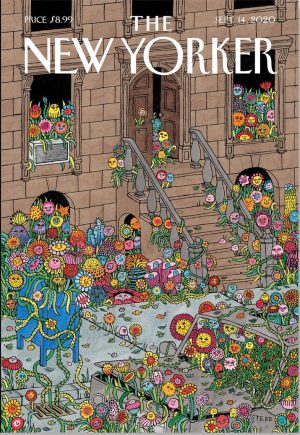
My media diet for posting on this platform is made up of 134 websites and counting, including half a dozen that I visit daily. This magazine cover, which was powerfully relevant to one of our longstanding themes, is from one of those half dozen, and the image to the right is from another. When Milo started a culinary fungi farm for us in India, small scale agriculture became a regular theme. So the growth in the cityscape combined with this story, The Culinary Potential of Bolting Vegetables, feels right at home with our garden theme:

The flavor of green coriander is a perfect complement to all the vegetables in season when it starts to bolt, even if the bolting happens earlier than expected.Photograph from Cavan / Getty

Did your garden bolt early this year? Maybe you didn’t even notice, because of how jagged and asymmetrical the passage of time has been since spring. Maybe you even spent a period in denial, thinking, This must just be what my cilantro, and lettuce, and parsley did last summer: briefly leaf in a friendly vegetative way, then sprint in suicidal mania toward a flowering death. That’s what happened to me, anyway. Continue reading
CSA + NGO = 100% Forward

Organikos had a life before Authentica, but when Authentica opened one year ago the context was different. The Adriatic island and the outpost in India were temporary homes where we were launching projects for clients. Costa Rica is where the entrepreneurial conservation work began, so now we were coming home to stay and build a platform of our own. The logic for Authentica? Several million visitors per year had become the norm for the country over the last couple decades. And for Organikos? On average one million bags of coffee went home in the luggage of those visitors each year, mostly to the USA. Authentica’s location in two of Costa Rica’s most successful hotels would allow Organikos coffee to increase that flow. Good logic, no question.

Until now. This year international tourism is a fraction of that norm, and next year is likely to be similar. It would be easy to see the glass as less than half full, but instead we are looking for ways to refill the glass. We want those million bags of coffee to reach all the people who have either already fallen in love with Costa Rica, or are yet to.

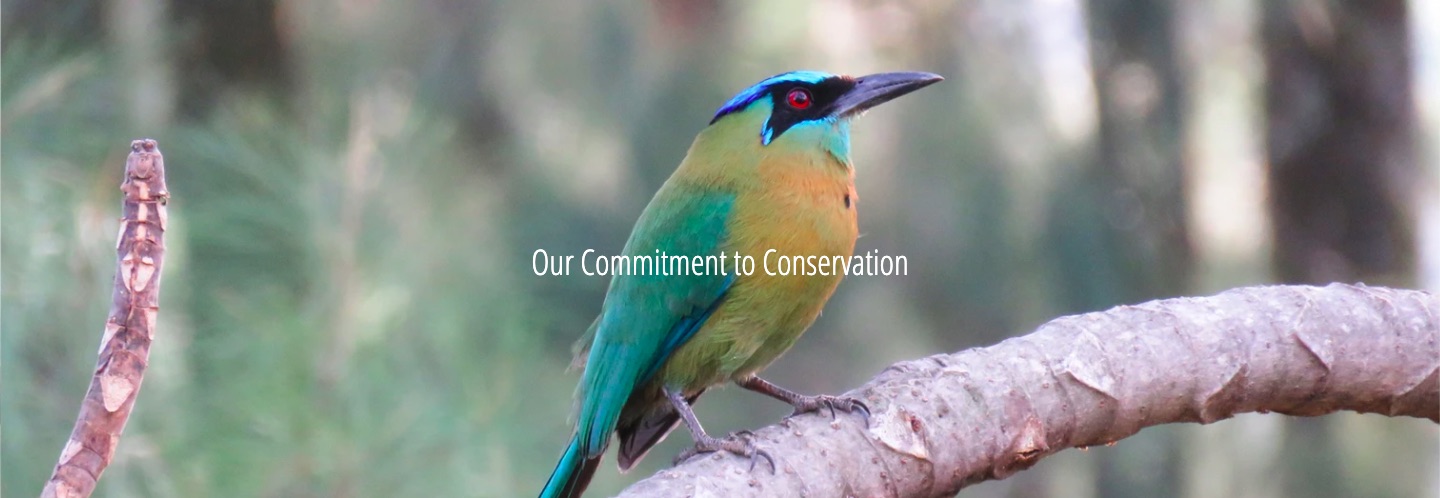
Particularly for those people who have come, or want to come to Costa Rica to support its conservation commitments, our goal now is to provide an alternative way to lend that support. With our coffee as a taste of place alternative while travel is on hold, we have set up a platform for roasting and delivering 4 of our 12 coffee selections in the USA. And we continue to commit that 100% of the profits from the sale of these coffees goes to bird habitat regeneration initiatives in Costa Rica. Our first such initiative is in progress, but we want to expand our conservation outreach. One way to do this might be by partnering with conservation NGOs in Costa Rica. We are starting to explore this option.

World Shore Birds Day

Bird conservation goals play an important role on this site, and in the lives of many of our contributors, and Birds Caribbean has spearheaded many projects we’ve been actively involved in.

We look forward to hearing more about this initiative and wish all participants happy, healthy, safe birding!

Join Us As We Celebrate World Shorebirds Day: September 3-9, 2020

September is right around the corner and migratory birds are making their way south.  World Shorebirds Day 2020 is Sunday, September 6th and we need your help to count Caribbean shorebirds at your favorite birding spot (or spots)!

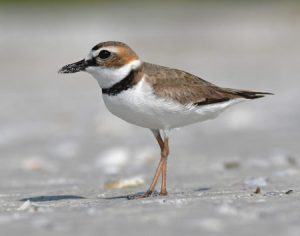
Wilson’s Plovers are one of the many shorebird species found in the Caribbean. (Photo by Hemant Keshan)

Where are these fascinating birds to be found? While you will find them on shores and beaches, some shorebirds use habitats further inland, including freshwater and brackish marshes and ponds. Shorebirds are also fond of salt ponds, mud flats, mangrove areas, and tidal flats.This year’s Global Shorebird Count will take place from September 3 to 9, 2020. All across the Caribbean, birders will be compiling checklists from island to island and recording them on eBird Caribbean. Our migratory shorebirds are more vulnerable than ever, threatened by human activities that have changed or destroyed their habitat. Most species of shorebirds are in decline around the world.

eBird Caribbean is a critical tool for tracking and understanding bird migration and population changes – never more so than for our shorebirds. If you do not have an account, it is easy to register – here’s a quick guide to enter eBird data online.  There is even a free eBird Essentials course to get you fully oriented.  Download the free mobile app for recording your data in the field.

Note that shorebirds are a type of waterbird and any counts you do at wetlands, mangroves, mud flats, coastal areas or beaches count as Caribbean Waterbird Census counts. To increase the value of your count to science, be sure to count ALL birds at your site, including seabirds, herons and egrets, land birds, etc.

Continue reading

Puzzling Palm Positivity

Palm-Full-Width-3

I saw this photo while skimming the headlines in the Environmental News section of the Guardian’s website. I have been skimming that section most mornings since July, 2011. Out of 3,000+ times skimming and always finding at least one news story to click through to read, today was the first time I ever clicked on an image that I could see was part of a paid advertisement. I landed on a screen filled with this:

Mars1

I have replicated as best I can what I saw, including the links to the messages embedded behind each of the images. The images of palm plantations are so pretty. The messages are so positive.

I am puzzled.

Palm?

Positive?

Lost & Found, Organized

LostFound1

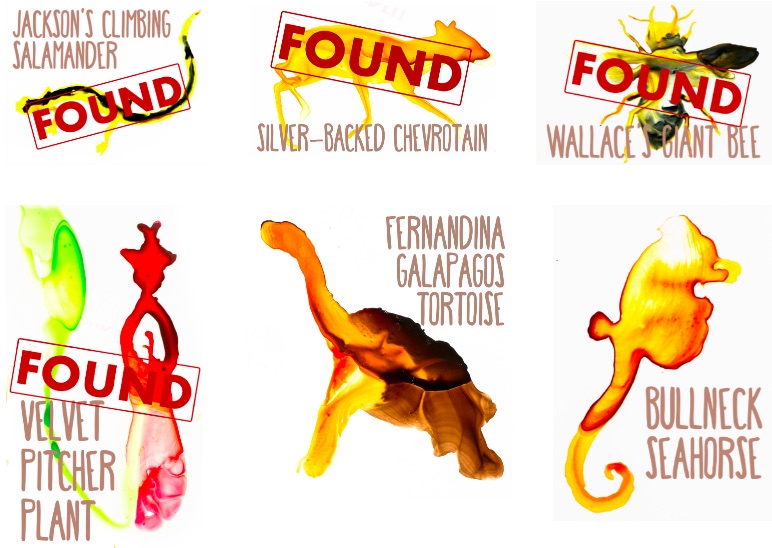
Yesterday’s happy surprise is the reason for today’s look at one organization’s work to support finding lost species. If you look at the image below you will see in the upper right quadrant the species mentioned yesterday, and that find is so fresh they still have not stamped FOUND on it.

LostFound2

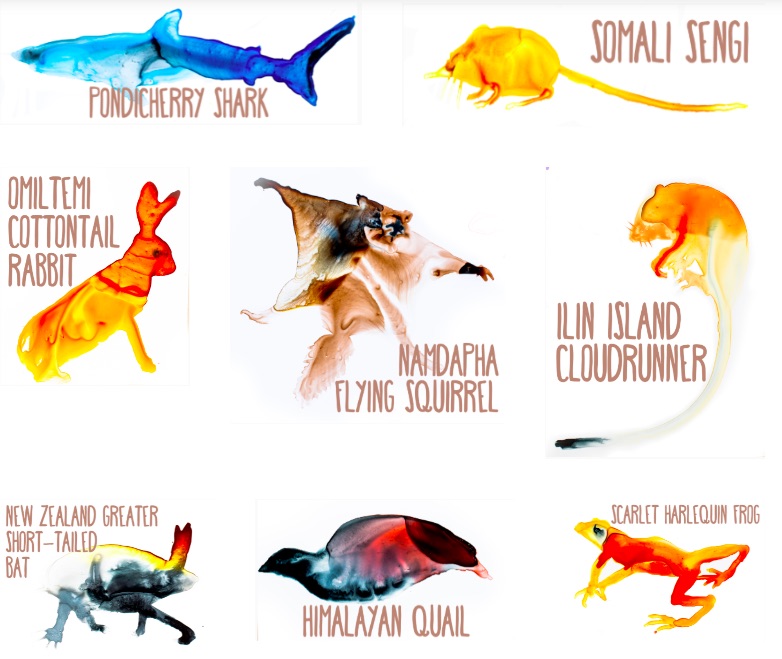
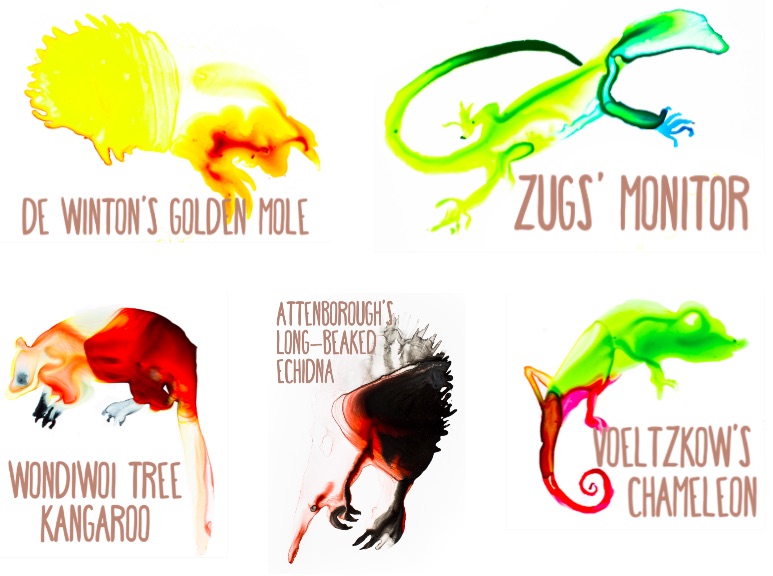
LostFound3Global Wildlife Conservation has created a graphic for what they consider the 25 Most Wanted species, and this colorful display is the trigger to get you hooked on helping:

In collaboration with more than 100 scientists, Global Wildlife Conservation has compiled a list of 1,200 species of animals and plants that are missing to science. GWC and our partners search some of the planet’s forgotten places and then work to protect species once found.

LostFound4

But this is about much more than the expeditions GWC is directly involved in. We’re calling on others to join the search and conduct their own expeditions for the lost species that have captured their hearts. GWC is working with teams and individuals the world over to publicize their stories of rediscovery and adventure as part of this shared campaign of hope and celebration. Read more in our FAQ and explore the partners behind the search.

LostFound5

For those of you not triggered by this display, there is also a photo of Daniel Craig holding a lost & found tortoise. He is looking you in the eye, asking you to donate. Resistance is futile.

Thank You, Cameroon, For Rethinking This

Ebo-forest-view-2-ZSSD-Daniel-Mfossa_web

View of the Ebo Forest. DANIEL MFOSSA / SAN DIEGO ZOO GLOBAL

Yale e360 brings us this story, a reminder from one year ago when Seth was in the neighborhood:

Cameroon Cancels Plan to Log Half of the Ebo Forest, a Key Biodiversity Hotspot in Central Africa

Ebo-gorilla-SDZG_web

A gorilla in the Ebo Forest, located in southwestern Cameroon. SAN-DIEGO GLOBAL ZOO

The Cameroon government has announced it is canceling a plan to log nearly 170,000 acres of the Ebo Forest following sharp criticism from indigenous communities, conservation groups, and scientists. The ecosystem is one of the last intact forests in central Africa and a biodiversity hotspot, harboring hundreds of rare plant and animal species, including the tool-using Nigeria-Cameroon chimpanzee, western gorilla, and giant frogs. Continue reading
Nature Nurtures

First, a recommendation of AbeBooks, one of the many alternatives you might consider for buying this or other books. Second, I recommend Rebecca Mead‘s riff on the book, The Therapeutic Power of Gardening in the current issue of the New Yorker.  When I last read her work there it was a stretch of the culinary imagination. This time, the opposite, with the subtitle of the essay asking “Can anxious minds find solace working with plants? A therapist and her husband, a garden designer, say yes.” We are in the middle of a perfect case study for the core thesis of the book and of Mead’s essay.

In the last six days we planted nearly 100 trees, like those pictured here, which will fix nitrogen in the soil, provide shade for the coffee, and beckon birds for both food–parrots in particular mob these trees when the flowers are in bloom–and nesting. There is an obvious connection between the concept of biophilia and what is discussed in this book and essay, but this quote captures a nuanced point differentiating cultivated versus wild nature:

“When we sow a seed, we plant a narrative of future possibility,” Sue Stuart-Smith, a British psychiatrist and psychotherapist, writes in her new book, Continue reading
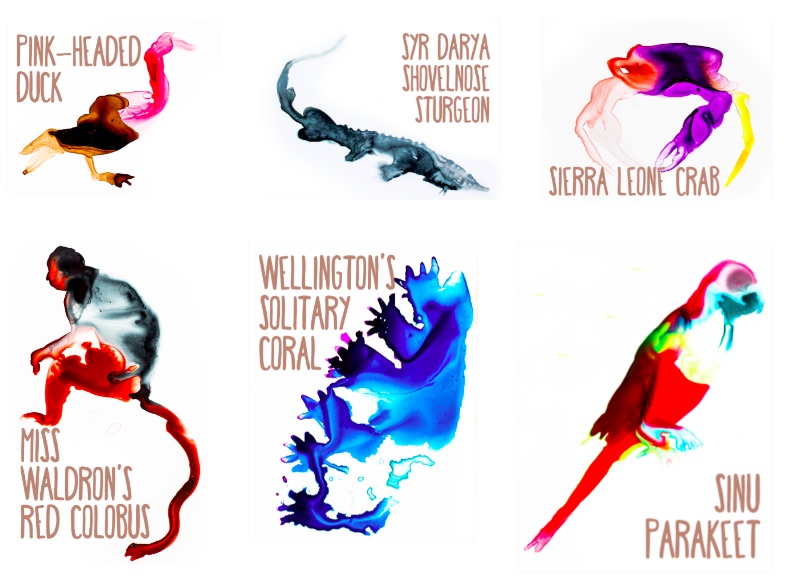
A Day in the Life of a Birder at Macaw Lodge

Macaw Lodge’s gardens fill the landscape with color and provide shelter and food for hundreds of species of animals. All photos by Hugo Santa Cruz

It is regularly the first to wake, its song encouraging us all to do the same. It is still dark but the Great Tinamou is already singing, while a couple of hundred more species begin to flap their wings, to soon sing different songs––some very complicated and sophisticated, to make them stand out from the rest.

As I get ready for the day, I mentally identify and count the different sounds I hear––trying to imitate some of them with little success. While brushing my teeth I go through the 13 identified species, leaving 2 or 3 that I don’t recognize.

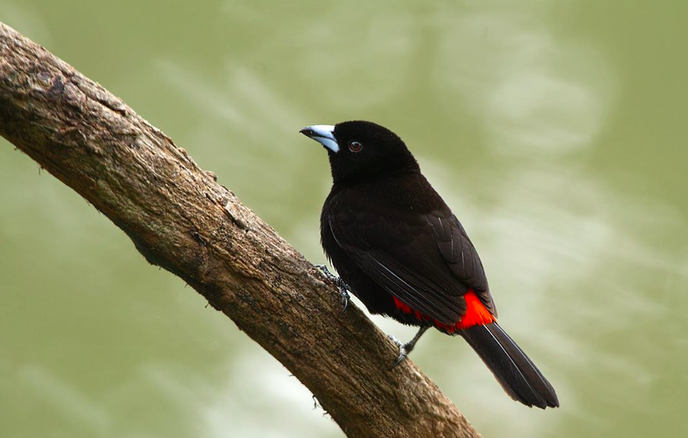
Scarlet-rumped Tanager by Hugo Santa Cruz - Organikos

Male Scarlet-rumped Tanager

The recognition of birds by songs and calls is essential to count effectively; some of these songs will delight the most demanding ears, as much as good jazz; and others not so much. Some people living in wilderness areas like this may even come to hate some of the calls, such as the tireless, insistent and unending calls of the Ferruginous Pygmy-Owl. You will feel that it follows your steps day by day, night by night; wherever you move or where you try to sleep…  Unfortunately you’re unlikely to  actually see it, because it has excellent camouflage, and at scarcely 15 cm tall but living 20m high in the trees, it will remain invisible, but you will know it is there, because you’ll hear it even in your dreams…
If you’re “lucky” to encounter the little owl when he’s looking for a girlfriend, you’ll understand what I mean … and that’s that all people in this area have their history with the “Maja-Fierro” – local name of the owl, due to his shrill and constant monotonous whistle. Continue reading
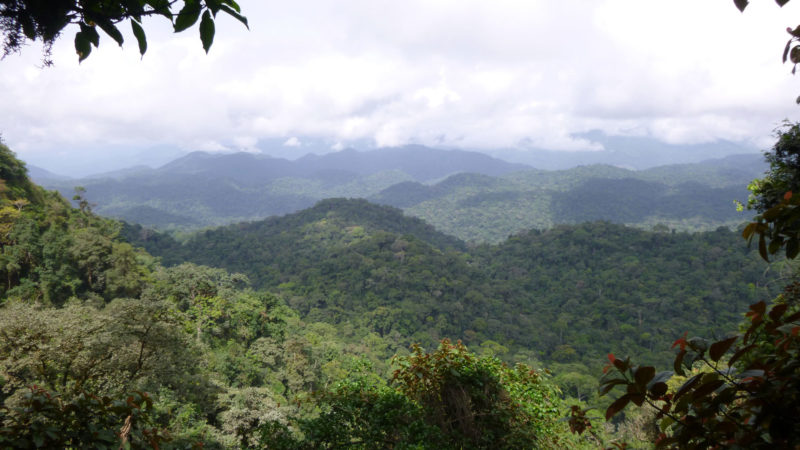
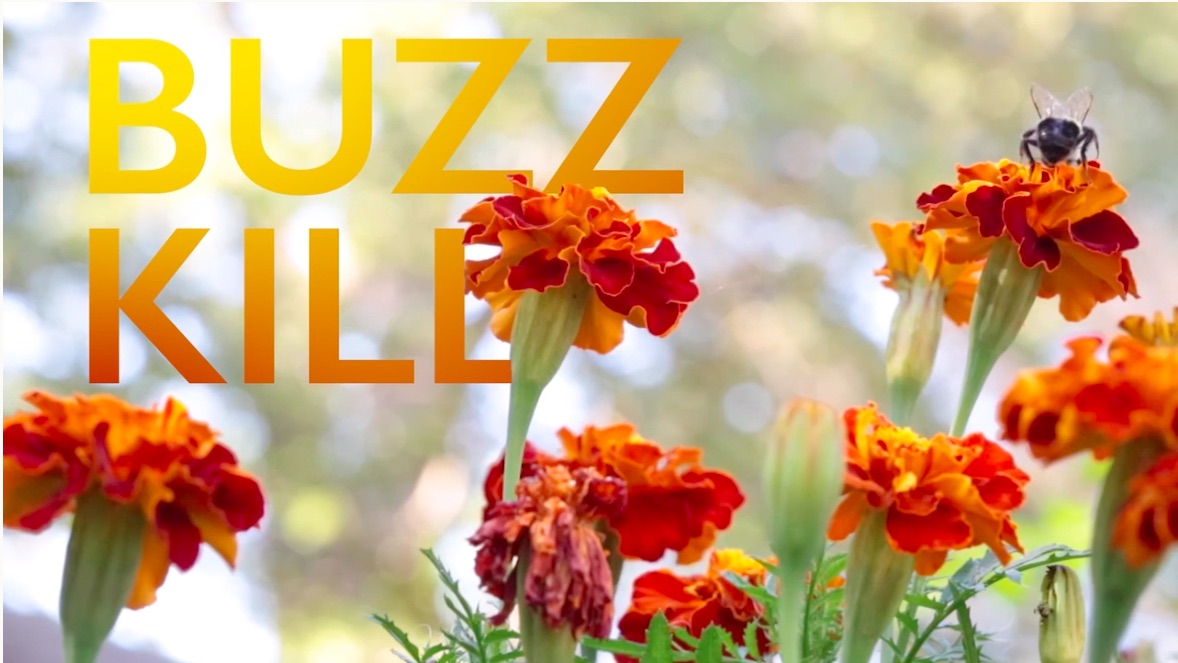
Buzz Kill, The Yale e360 Video Contest Winner

Buzzkill

Thanks to Yale e360, as always, for at minimum illuminating important environmental questions and, on days like today, lifting our spirits in the process. Click the image above to go to the award winning video:

Backyard Battle: Helping Native Bees Thrive in a Honeybee World

Native bees are at risk across the United States. “Buzz Kill” — winner of the 2020 Yale Environment 360 Video Contest — depicts the beauty and key ecological role played by these bees and shows how industrialized agriculture and its use of honeybee colonies threatens endemic bee species. Continue reading
Smelling Without A Nose

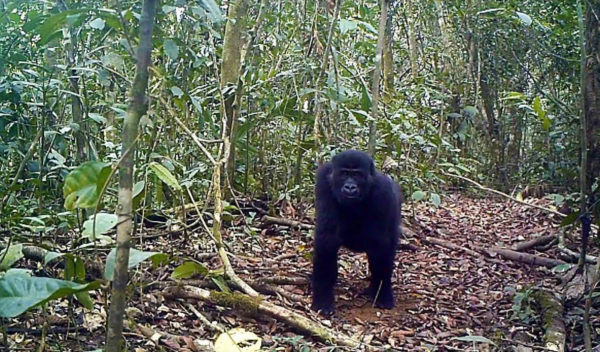
Common blue butterfly in Weymouth, Dorset, UK. © Verity Hill

Common blue butterfly in Weymouth, Dorset, UK. © Verity Hill

Thanks to Alex Morss for this second opportunity to feature her work:

How can butterflies and moths smell?

How can butterflies and moth find food-plants and mates by smell if they don’t have a nose? Ecologist Alex Morss explains how they can sense with other parts of their body. Continue reading
Mysterious Eels

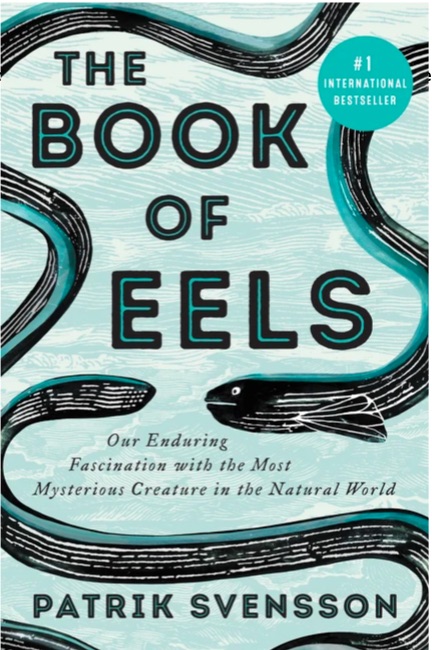
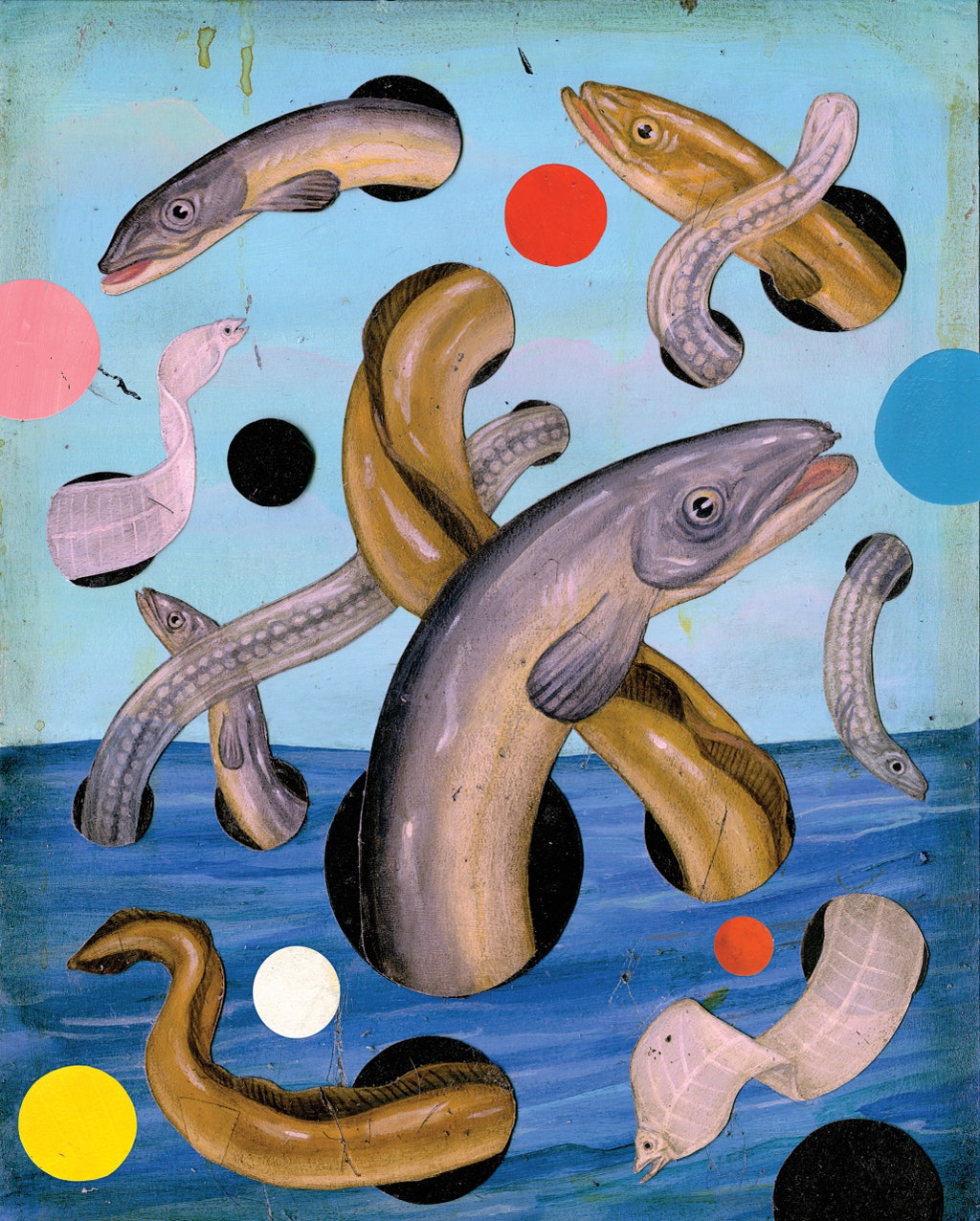
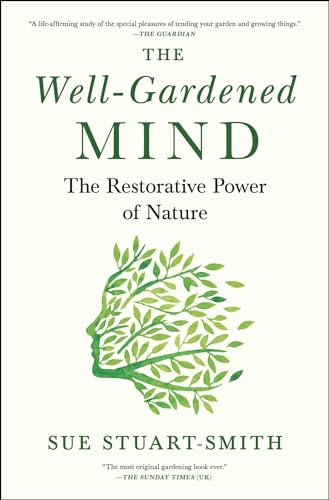
BookOfEelsThis book (click the image to the left to go to the publisher) has become an unexpected bestseller. The other times we have posted on the topic of eels, a couple of them were artistic in nature and the other were scientific in nature. I would not have predicted that a whole book on the topic was something I would want to read, let alone that a very sizable audience would develop. I would expect that if there were to be more than four posts mentioning eels in the nine years we have been posting, we might have covered the topic of aquatic agriculture. But, no.

BookOfEelsNPRWhen I listened to a conversation (click the image to the right to go to the podcast) with the author of The Book of Eels it reminded me that I had already read a review of the book by Brooke Jarvis a few months earlier. And that we should post more on eels The illustration adorning the review was fun. The opening paragraphs were compelling:

200525_r36517

The mysterious creature has attracted avid detectives since ancient times. Illustration by Jason Holley

In the spring of 1876, a young man of nineteen arrived in the seaside city of Trieste and set about a curious task. Every morning, as the fishermen brought in their catch, he went to meet them at the port, where he bought eels by the dozens and then the hundreds. He carried them home, to a dissection table in a corner of his room, and—from eight until noon, when he broke for lunch, and then again from one until six, when he quit for the day and went to ogle the women of Trieste on the street—he diligently slashed away, in search of gonads. Continue reading

Curvy Berms, Seedlings & Fertile Earth

OrgLand3

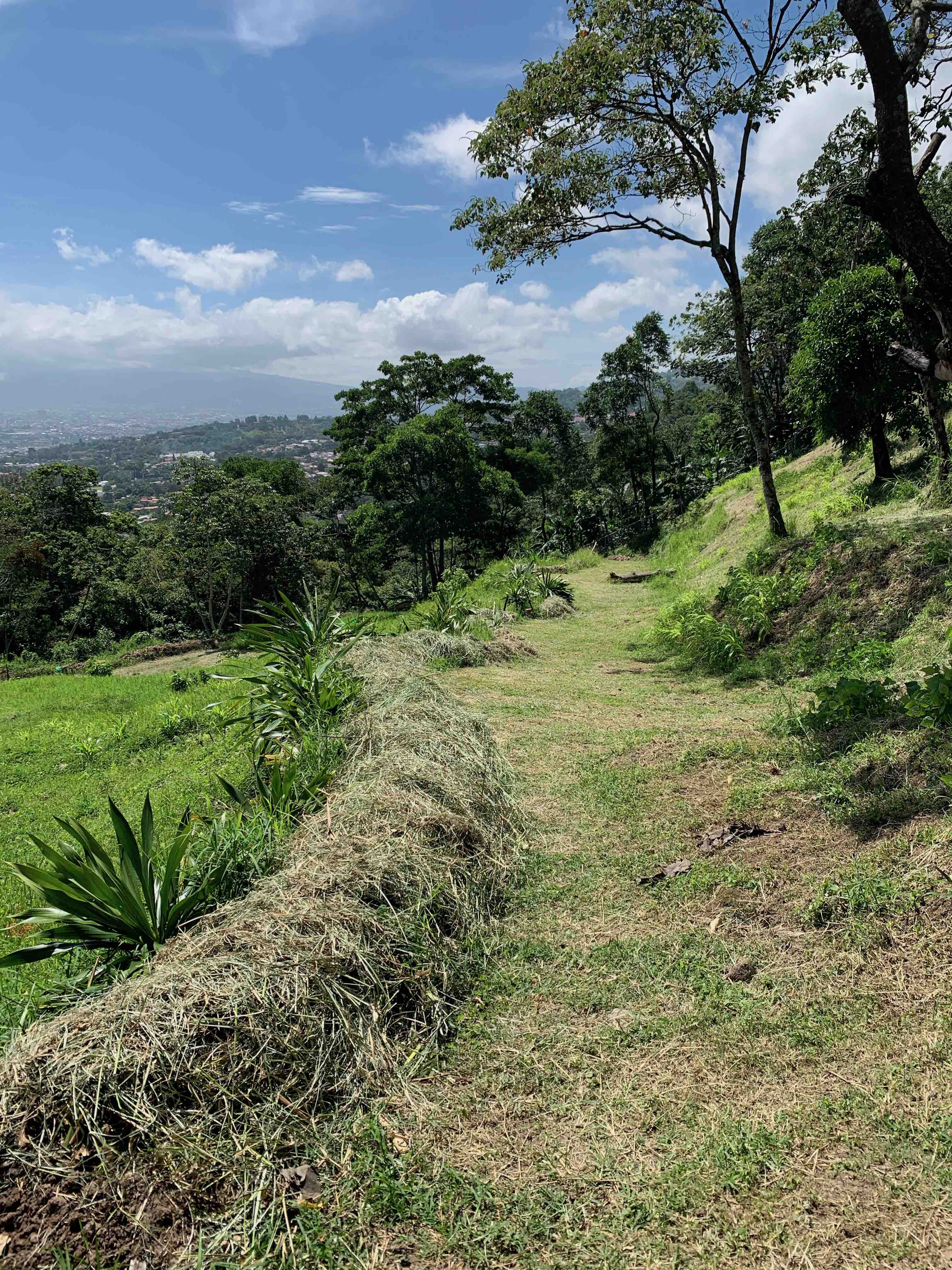
Curvy berm

What looks like an elongated haystack curving downslope in this photo we call a berm. No hay there, just a mix of cut grass covering branches, logs, and such. The purpose of a berm, diagonally traversing this hill, is explained better by others. When we prune trees and bushes, cut grass, and find old logs on the land their biomass help build this berm. Recently we trimmed all our vetiver grass, a soil retention ally that grows waist-high in rows throughout our hills. We cut it back twice a year, and added it to the  top of the curvy berm.

PoroSeedlings

Poro seedlings

To the left of that berm are re-plantings of a type of palm that we had growing on the property already, which birds love for the orange fruit it provides and for nesting. Those 20 palms join the 30 banana and plantain trees on the flat area below, and the dozen or so citrus trees recently planted. The shade-providing and nitrogen-fixing tree called poro will be planted during the next waning moon cycle.

Poro

Poro trees, parents of the seedlings, with vetiver grass downslope

We have collected hundreds of seedlings from the poro trees originally planted when this land was part of a coffee farm.

OrgLand2

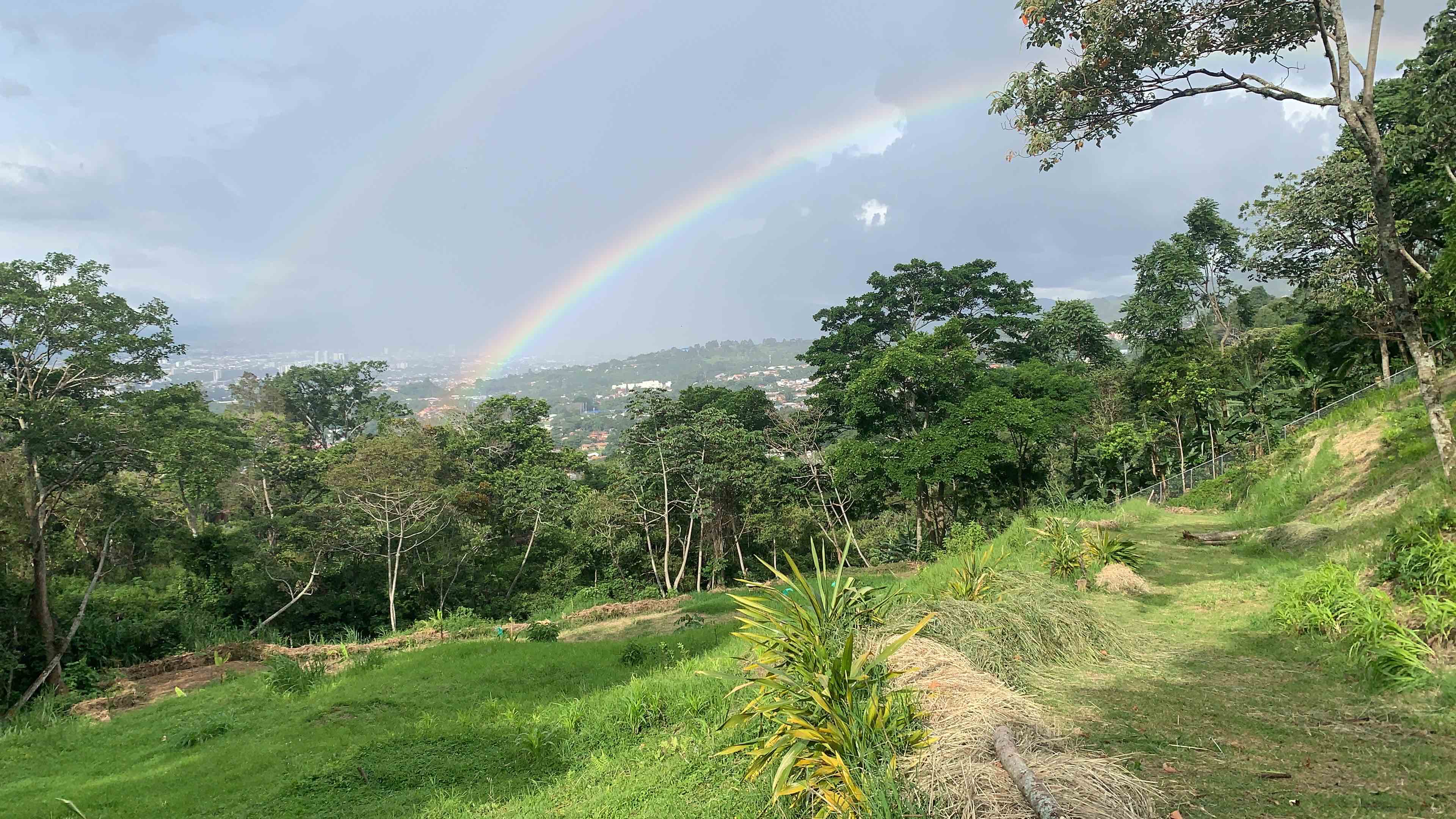
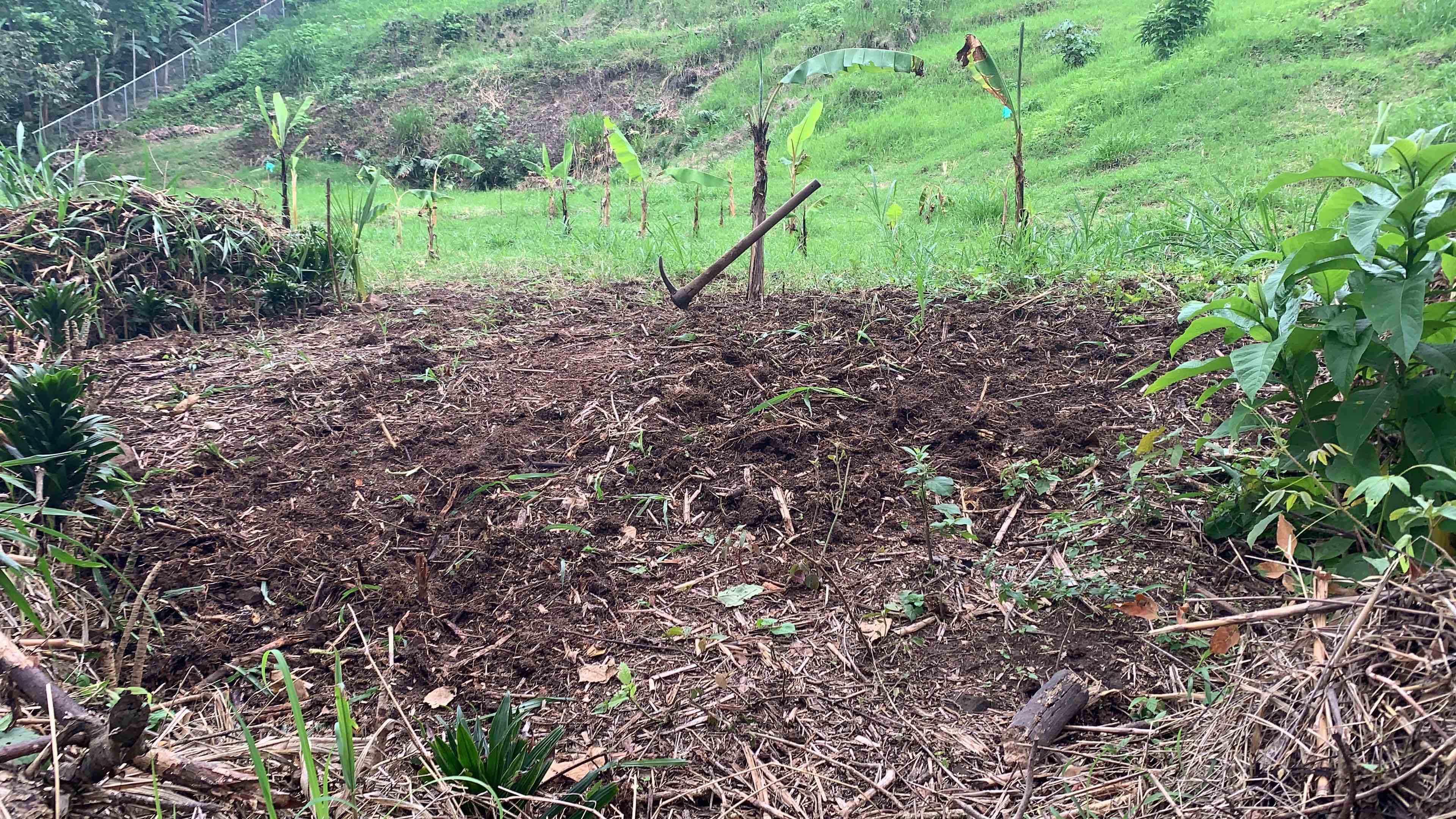
This rainbow reminded me to document the work on the land where the bees are, and where the coffee will be. For now, just a quick note. On the lower left of the photo above you can see where I have been using a pickax to loosen soil, dark and rich and teeming with earthworms, for planting in between the rows of bananas. I last cleared this space before we moved to Croatia in 2006. The grasses and vines that occupied this space for the intervening years until recent months, now our enemy for growing plants we favor, have performed an amazing ecosystem service. The earthworms and smell of the soil tell me that.

OrgLand4

End of day, sunset time, back on the terrace of our home, an unexpected spectacle. In the photo below, which is looking due east, the sun is coming from the west, hitting Irazu volcano and lighting it up in such a way that it almost looks like golden lava is flowing down its cone. I’ll take that view, with thanks to whatever caused it.

OrgLand1

Sunset-illuminated Irazu volcano in the distance

Swifts Here & There

Knight-Swifts

Watching a flock of swifts power and zoom all over the sky in Cornwall, I realized that the feeling of being trapped by the coronavirus is not just about wanting to be somewhere else—it is about wanting to escape this time entirely. Photograph from Alamy

53386951

Costa Rican Swift. Chaetura fumosa. Smallest swift in most of range. All dark gray with contrasting pale rump and paler throat, both of which can be difficult to see in many viewing conditions. A good look at the rump is necessary for a firm visual identification, otherwise Vaux’s Swift can look very similar. However, in some parts of its range (the Osa Peninsula, for example) this is the only small Chaetura swift. Makes twittering calls similar to many other swifts. Usually found in flocks over forests and more open areas.

I am not even the second birdiest member of our family. I enjoy birding events and join the fun from time to time. Apart from such events I do not travel specifically for birds, even the one to the right.  We see it on occasion and it is a particular pleasure. Not as thrillingly colorful as a scarlet macaw, nor as resplendent as a quetzal, but it is part of a famed family of birds. The essay below explains why. In Costa Rica the airports will be opening up again on August 1. Until then, and still for the foreseeable future, tourism is primarily locals going on weekend outings. Birding is usually thought of as a motivator for foreigners visiting Costa Rica–especially those from the UK–but now is an activity appreciated by more locals than usual. Sam Knight‘s perspective from the UK, where tourism is also primarily local currently, can be especially well appreciated from our vantage point in Costa Rica:

Letter from the U.K.

Swifts and the Fantasy of Escape

On July 17th, I drove out of London for the first time since the start of the pandemic. The last time I had seen a field or sensed a broad horizon was four months earlier, when we escaped the city in the early days of the coronavirus, feeling faintly ridiculous, to celebrate my daughter’s third birthday with an Easter-egg hunt on a quiet country lane. Last week, I was taking my daughters to stay with their grandparents for a few days, in the town of Helston, in Cornwall. It’s about three hundred miles from London—no great shakes by U.S. standards but about as far as you can drive in England without crossing into Scotland or falling into the sea. We left at 5:30 a.m., heading west, and arrived in Helston in the early afternoon. It’s hard to describe the effect of movement after being confined in a dense urban neighborhood for so long. The monotonous walks to the shitty park. I felt like I was being unpeeled. As we stood in my mother-in-law’s garden, in the bright July sun, a party of swifts, tipping from right to left, their long wings like blades, came over our heads and spiralled higher and higher into the sky, screaming. Continue reading