Alerce, A Mysterious Phenomenon Examined Scientifically

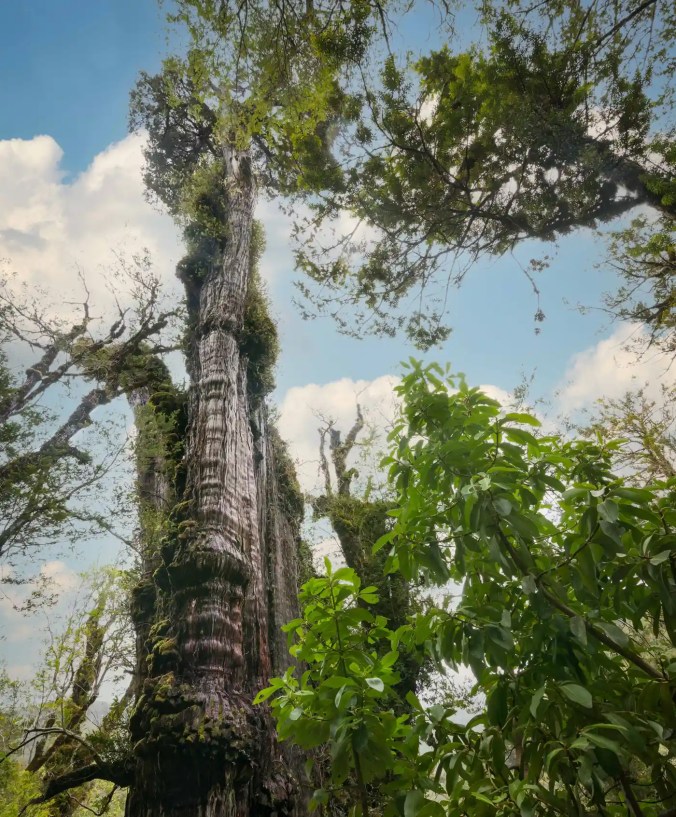
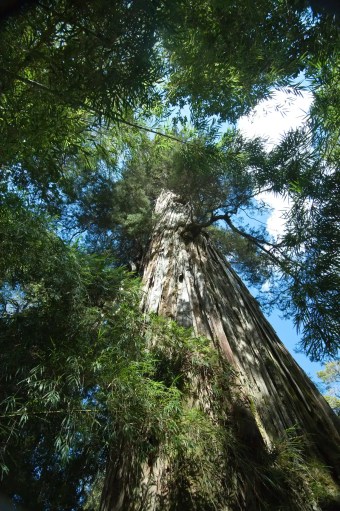
The Gran Abuelo tree in Alerce Costero national park, Chile. Buried alerce trunks can hold carbon for more than 4,000 years. Photograph: Salomón Henríquez

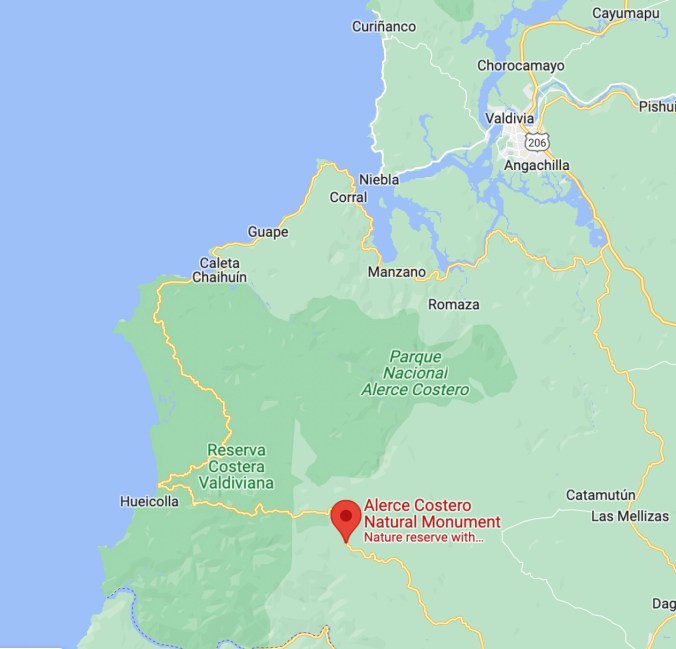
I do not recall whether we saw the tree pictured above, but we certainly breathed in the oxygen it expired. We spent the summer of 2009 in southern Chile, some of it working in the Chaihuin River Valley–a portion of the Reserva Costera Valdiviana co-owned at the time by WWF and The Nature Conservancy. The “Caleta” entrance to Chaihuin can be seen in the map below.
We have also seen the redwood trees in California, distant cousins of the alerce. Spectacular is an insufficient word to describe them, but hours-long visits to redwoods cannot compare to sleeping night after night under alerces. Chaihuin was for our family an immersion into the alerce ecosystem. Although I reserve the word miracle for other types of mysterious phenomena, I have no problem with a scientist using the word in this manner:

Alerce shingle was used as currency by local populations throughout the 1700s and 1800s. Photograph: Krystyna Szulecka Photography/Alamy

‘It’s a miracle’: Gran Abuelo in Chile could be world’s oldest living tree

100ft alerce has estimated age of 5,484, more than 600 years older than Methuselah in California

In a secluded valley in southern Chile, a lone alerce tree stands above the canopy of an ancient forest.

Green shoots sprout from the crevices in its thick, dark trunks, huddled like the pipes of a great cathedral organ, and water streams down its lichen-streaked bark on to the forest floor from bulbous knots in the wood. Continue reading
Patagonia 2.0

Details of a desk in a Patagonia office with a stack of orange and brown stickers that read “defend bears ears national monument’ on top of stacks of magazines and papers.

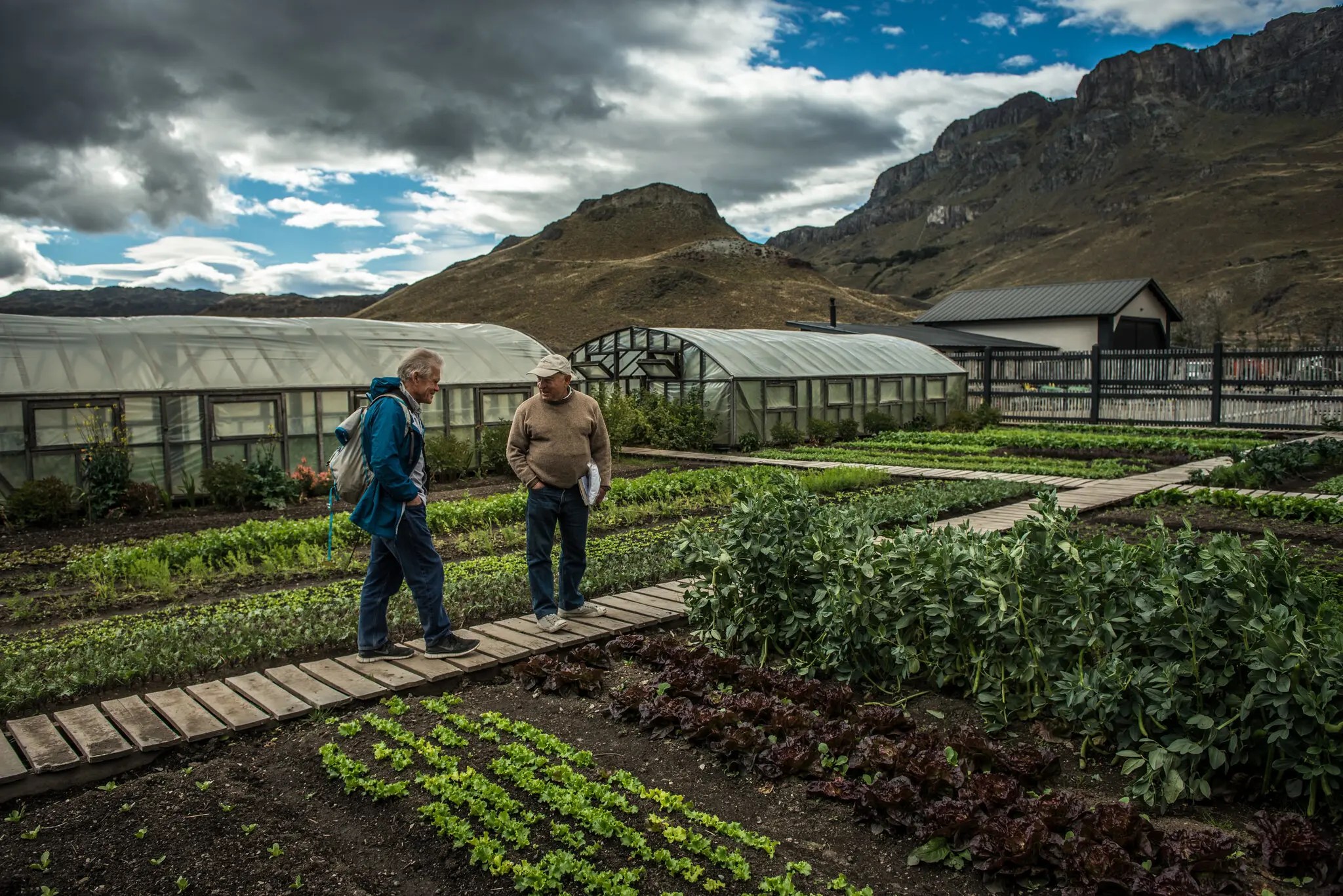
Patagonia has become more politically active, going so far as to sue the Trump administration in a bid to protect the Bears Ears National Monument. Laure Joliet for The New York Times

We have mentioned this company multiple times in our pages over the years, because we take inspiration from it, the same way we have taken inspiration from the example set by Chuck Feeney. It is worth noting that I also value everything I have ever bought from Patagonia. The day of this blizzard in New York I took an old beat up backpack in to see if they could repair it in the nearby shop; instead, they gave me a new one.

Good quality products, combined with good service, make the good environmental values of the company all the better:

“Hopefully this will influence a new form of capitalism that doesn’t end up with a few rich people and a bunch of poor people,” said Mr. Chouinard. Meridith Kohut for The New York Times

Billionaire No More: Patagonia Founder Gives Away the Company

Mr. Chouinard filmed an announcement for his employees at home in Wyoming. By giving away the bulk of their assets during their lifetime, the Chouinards have established themselves as among the most charitable families in the country. Natalie Behring for The New York Times

A half century after founding the outdoor apparel maker Patagonia, Yvon Chouinard, the eccentric rock climber who became a reluctant billionaire with his unconventional spin on capitalism, has given the company away.

Rather than selling the company or taking it public, Mr. Chouinard, his wife and two adult children have transferred their ownership of Patagonia, valued at about $3 billion, to a specially designed trust and a nonprofit organization. They were created to preserve the company’s independence and ensure that all of its profits — some $100 million a year — are used to combat climate change and protect undeveloped land around the globe. Continue reading

Solar@School, Win-Win-Win

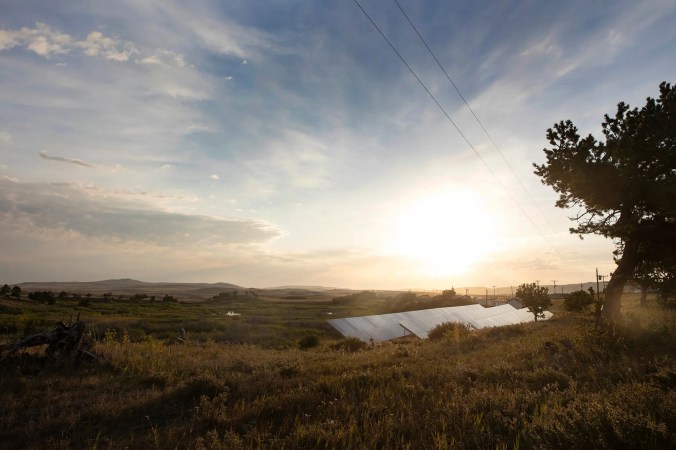
Solar panels installed near the Heart-Butte schools in Montana. Janie Osborne for The New York Times

Two elementary school students stand at table covered in papers, markers and other school materials, and face a wall with a poster map of Montana, divided by tribal territories. The child at left uses an orange marker to point at an area called “Blackfeet & Gros Ventre.”

Students at Heart-Butte School exploring their area of the world on a map in the “Blackfeet Immersion” classroom. Janie Osborne for The New York Times

In the USA it has become normal to think that partisan divisions prevent collaboration on issues of common interest. The partisan divisions are real, and then some; but there are silver linings here and there.  Cara Buckley, a climate reporter, continues to demonstrate a talent for finding cases where communities benefit from collective action in the act of taking better care of the environment:

Black and white goats frolic in grass on a field, which is fenced off and behind which is a series of solar panels angled at the sun. Trees line the horizon.

Goats cared for by Batesville High School’s 4-H students, next to the school’s solar panels. “If you’re conservative, we didn’t ask you for more taxes, if you’re liberal, you love the green concept,” Dr. Hester said. Terra Fondriest for The New York Times

Facing Budget Shortfalls, These Schools Are Turning to the Sun

Public schools are increasingly using savings from solar energy to upgrade facilities, help their communities, and give teachers raises — often with no cost to taxpayers.

One school district was able to give pay raises to its teachers as big as 30 percent. Another bought new heating and ventilation systems, all the better to help students and educators breathe easier in these times. The improvements didn’t cost taxpayers a cent, and were paid for by an endlessly renewable source — the sun.

Mike Tatsey, in jeans and a light blue plaid short sleeve shirt, his thumbs hooked into his jean pockets, stands in a field with solar panes in the background. Brush partially obscures the foreground.

Mike Tatsey, superintendent of schools in Heart-Butte, believes that freeing up extra money for staples like groceries and shoes could have a ripple effect in classrooms. Janie Osborne for The New York Times

As solar energy gains traction across the country, one beneficiary have been schools, particularly those in cash-strapped districts contending with dwindling tax bases.

From New Jersey to California, nearly one in 10 K-12 public and private schools across the country were using solar energy by early 2022, according to data released Thursday by Generation180, a nonprofit that promotes and tracks clean energy. That’s twice as many as existed in 2015. Continue reading

Cornell Botanic Gardens & Promises Fulfilled

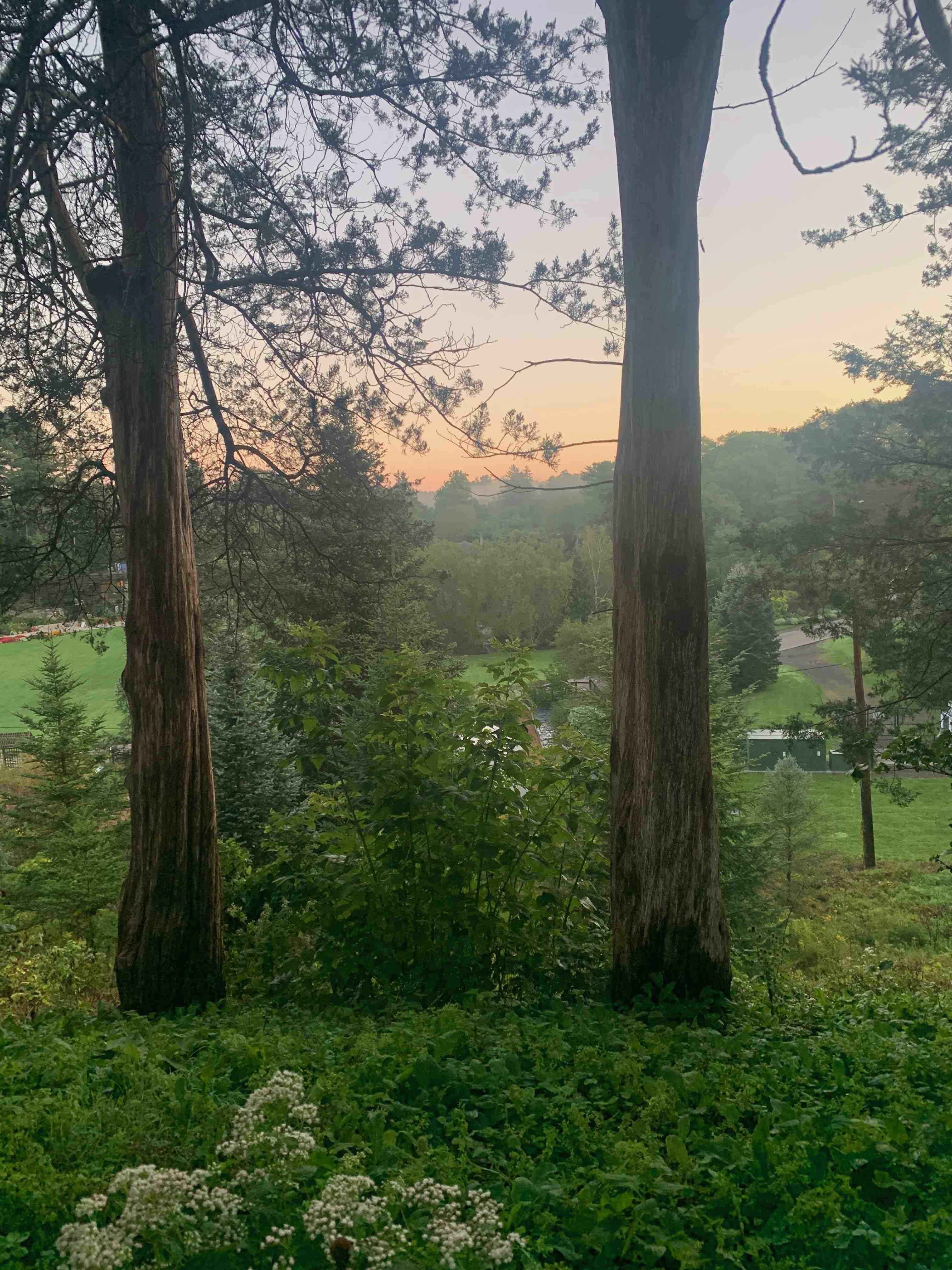
Picking up where I left off yesterday, this group of photos captures the essence of my morning walk. Destination: the Botanic Gardens on the campus of Cornell University. The photo above is from one of the main campus roads, looking down onto my destination. Continue reading

Olives, Farmers, Beauty & Beastly Heat

Emilio Parra Doiztua for The New York Times

My thoughts today start with the people who farm olives in this location deprived of the water needed to sustain their livelihoods. Because my mother was born on an olive-producing farm in an olive-privileged region of Greece, my eye is always drawn to stories about olive farmers.

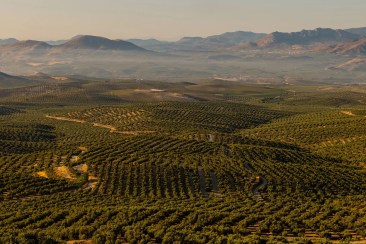
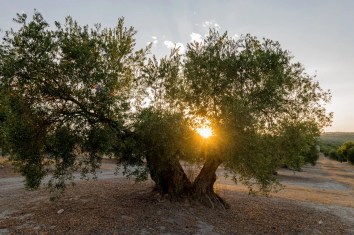
Jaén, a province of Andalusia, has over 67 million olive trees. Emilio Parra Doiztua for The New York Times

When there are photos of olive trees, I am in for the whole story. My strongest, earliest memories are of the olive trees surrounding the terrace of the farmhouse my mother grew up in. Stories about olive farmers challenged by climate change are more difficult to read without sympathy pain, but I do so knowing that olive trees are survivors.

Panacite, a store in Ubeda, sells a range of variants of oil production from the region. Emilio Parra Doiztua for The New York Times

David Segal and José Bautista have reported this story with compassion and clarity:

Spain’s Jaén Province, home to one fifth of the world’s supply of “green gold,” copes with climate change and threats to its way of life.

The branch, plucked from one of thousands of trees in this densely packed olive grove, has browning leaves and a few tiny, desiccated buds that are bunched near the end. To Agustín Bautista, the branch tells a story and the story is about a harvest that is doomed. Continue reading
Lionfish, Competition & The Big Tournament

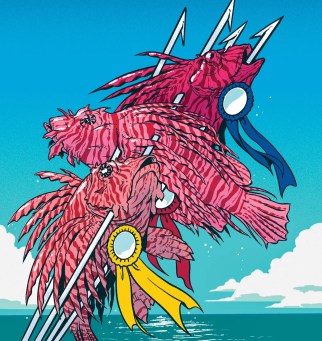
“What you’re hunting isn’t prey,” a lionfish diver told me. “It’s the enemy.”Illustrations by Johnny Dombrowski

D. T. Max has vividly sketched humans in competitive mode, harnessing tournament rules to address the aggressions of this introduced species. In the decades-long perspective, lionfish are winning the bigger tournament by adapting and expanding their range; but we admire the drive to end that success:

Killing Invasive Species Is Now a Competitive Sport

In the Panhandle, where swarms of lionfish gobble up native species, a tournament offers cash prizes to divers skilled at spearing one predator after another.

Rachel Bowman is a diver who specializes in the hunting, catching, and killing of lionfish, a species native to Indo-Pacific waters. Continue reading
The Philosophers’ Stone In Appalachia

Illustration by Leif Gann-Matzen

Our gratitude to Eliza Griswold, writing in the New Yorker this week, for a look at research hinting at a potential solution to myriad challenges, that has the ring of alchemy to it:

Could Coal Waste Be Used to Make Sustainable Batteries?

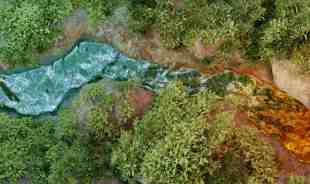
Acid mine drainage has long been a scourge in Appalachia. Recent research suggests that we may be able to simultaneously clean up the pollution and extract the minerals and elements needed to power green technologies.

On a recent afternoon, near the headwaters of Deckers Creek, in West Virginia, Paul Ziemkiewicz, the biological scientist who directs the Water Research Institute at West Virginia University, squatted by a blood-red trickle seeping from a hillside. Continue reading
Carbon Burial Venturing

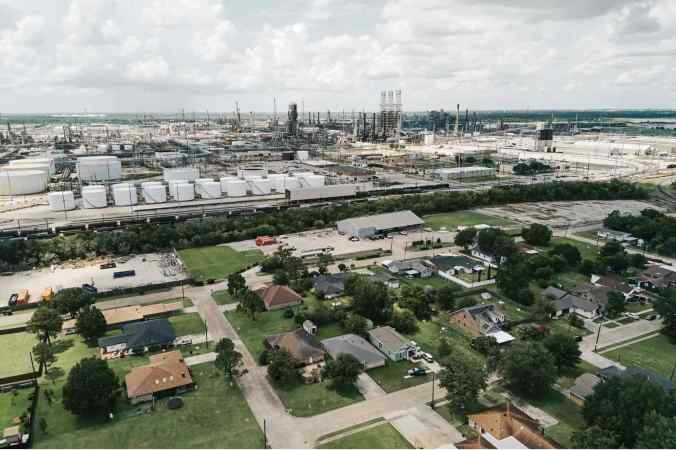
Port Arthur’s Motiva Oil Refinery.PHOTOGRAPH: KATIE THOMPSON

The capturing of carbon is a concept we have been working to understand, but questions about where it goes  and how it is stored, have been fuzzy until now (thanks to Jeffrey Ball at Wired):

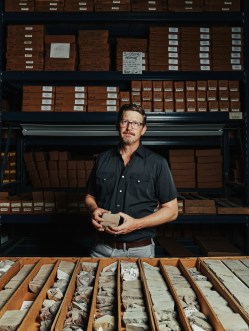
Tip Meckel holds a sandstone sample. PHOTOGRAPH: KATIE THOMPSON

The Big Business of Burying Carbon

The porous rock beneath the Gulf Coast launched the petroleum age. Now entrepreneurs want to turn it into a gigantic sponge for storing CO2.

SOMETIME AFTER THE dinosaurs died, sediment started pouring into the Gulf of Mexico. Hour after hour the rivers brought it in—sand from the infant Rockies, the mucky stuff of ecosystems. Year after year the layers of sand hardened into strata of sandstone, pushed down ever deeper into the terrestrial pressure cooker. Continue reading
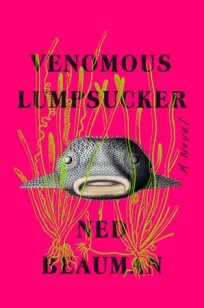
Ned Beauman’s Venomous Lumpsucker

The reviews are  coming in, and especially this one by David Annand in TLS makes Ned Beauman’s new book look worthy of this moment in human history:

Whimsical and cruel

A tale of capitalism, penance and species extinction

In the 1980s the American literary critic Tom LeClair identified what he called the “systems novel”, a genre of fiction concerned with the characters, acts and situations of the conventional novel while simultaneously speculating on the complex social structures – Continue reading
When Is Organic The Worst Option?

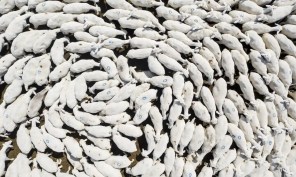
Some 28% of the world’s land is used for grazing. Photograph: Anadolu Agency/Getty Images

We favor organic, for our coffee, for just about everything, almost always. And yet George Monbiot offers a fully obvious answer to the counterintuitive question in the title:

The most damaging farm products? Organic, pasture-fed beef and lamb

You may be amazed by that answer, but the area of land used for grazing is vast compared with the meat and milk produced Continue reading
Almost Missed

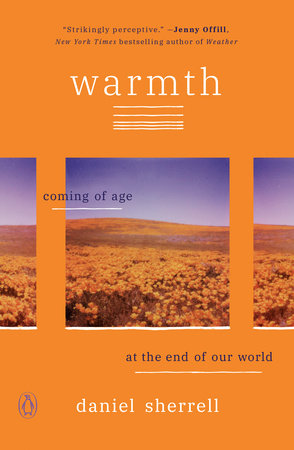
I have missed plenty of good articles, books and other sources of news and analysis that relate to our goals with this platform. When I am late to see something important, like the book to the right, no regrets. Especially when it comes to my attention through an essay like this one by Daniel Sherrell:

The Democrats’ climate bill is a historic victory. But we can’t stop here

Passage of the Inflation Reduction Act filled me with joy and rage, relief and apprehension, exhaustion and vigilance. We must celebrate, but also mourn, rage and organize

I was at a Mets game when news broke that the climate bill had enough votes to pass in the Senate. It was the bottom of the eighth, and Edwin Díaz had just struck out the heart of the Braves’ lineup. The crowd at Citi Field was feeling good. Everyone could sense a win was at hand.

I read the push notification then sat there stunned for several minutes, watching the Mets clinch the game, waiting for the world-shaping news to register. Continue reading
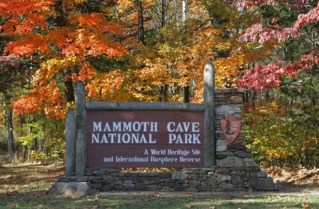
50 Years Protecting The Longest Cave

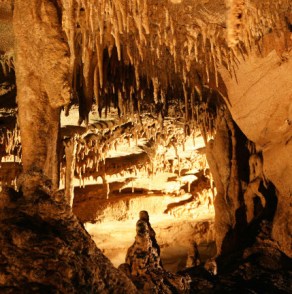
Stalactites and stalagmites line the floors and ceilings of Mammoth Cave. (Credit: NPS)

National parks, sometimes called the greatest idea and always best thought of as the gifts that keep giving, have been well covered in our pages.

Protecting them, beyond what their legal status provides has been a sub-theme. Today, a story with a different niche of a sub-theme, pointing to the longest cave system in the world, protected by park status:

(Credit: NPS)

50 Years Ago, Cavers Connected Mammoth Cave and Flint Ridge

The half-century anniversary marks the connection that established Mammoth Cave as the longest cave in the world.

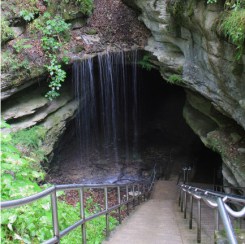
Mammoth Cave’s historic entrance is a natural opening that has been used by humans for 5,000 years. (Credit: NPS)

It was the summer of 1972, and Tom Brucker was in a tight spot two generations in the making. His father Roger had created a nonprofit dedicated to the research of caves (aptly named the Cave Research Foundation) alongside colleagues who were exploring the Floyd Collins Crystal Cave in the 1950s — one of the main gateways to the Flint Ridge Cave System. Two decades later, the younger Brucker was squeezing through an extremely narrow passage deep inside Flint Ridge, considered the longest cave system in the world at the time, in an effort to see if it might connect with the similarly spectacular and storied Mammoth Cave system. Continue reading
Wild Celery Grass & Cleaner Waterways

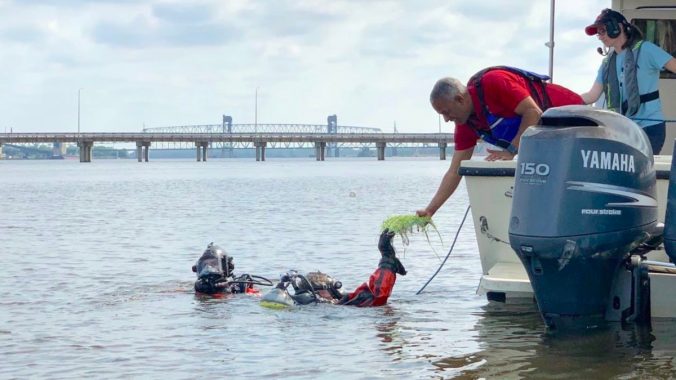
Camden Mayor Vic Carstarphen hands a flat of wild celery to an EPA diver for transplant. KATHERINE RAPIN

Thanks to Katherine Rapin and Yale e360:

River Cleanups Move to the Next Level Using Grasses and Oysters

In the Delaware River and other waterways and estuaries across the United States, scientists and conservationists are restoring aquatic vegetation and beds of mussels and oysters to fight pollution and create a strong foundation for healthy ecosystems.

On a recent summer morning near Camden, New Jersey, two divers from the U.S. Environmental Protection Agency hovered over a patch of sediment 10 feet below the surface of the Delaware River. Continue reading
Save Our Sequioas

Photo by AP Photo/Noah Berger

Our thanks to Lindsey Botts for this story:

Can the Save Our Sequoias Act Match Up to Its Name?

Dozens of conservation groups push back against a pending forestry bill

As the Washburn Fire last month threatened to scorch the Mariposa Grove of giant sequoias in Yosemite National Park, discussions about how to protect the iconic trees heated up. While most people agree that the trees are treasured monuments that need to be preserved, there is considerable disagreement about how best to do that. Continue reading
Barbados, Leadership & Climate Action

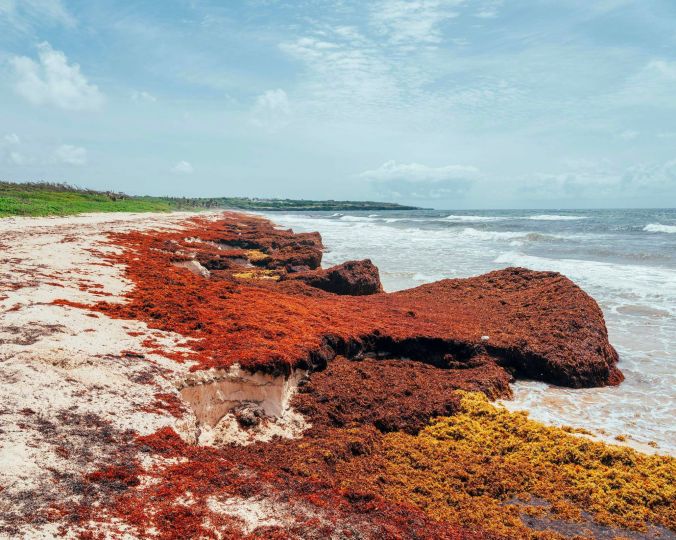
Sargassum seaweed, which thrives in warming oceans, is overtaking a beach in Barbados. Credit: Erika Larsen/Redux, for The New York Times

The region is likely to bear disproportionate challenges from climate change and this island is not taking it lightly. We appreciate the effort described in this story by Abrahm Lustgarten, published by ProPublica:

Until the recent completion of an infrastructure project, Kenneth Blades was able to keep only part of his farmland watered. Credit: Erika Larsen/Redux, for The New York Times

Barbados Resists Climate Colonialism in an Effort to Survive the Costs of Global Warming

Across the Caribbean, soaring national debt is a hidden but decisive aspect of the climate crisis, hobbling countries’ ability to protect themselves from disaster. One island’s leader is fighting to find a way out.

Late on May 31, 2018, five days after she was sworn in as prime minister of Barbados, Mia Mottley and her top advisers gathered in the windowless anteroom of her administrative office in Bridgetown, the capital, for a call that could determine the fate of her island nation. Continue reading
Alerce, Fungi & Futures

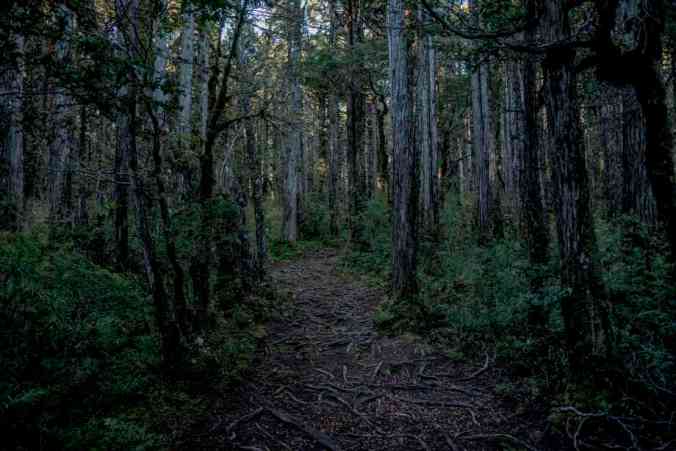
Roots rise from shallow soil. Tomás Munita

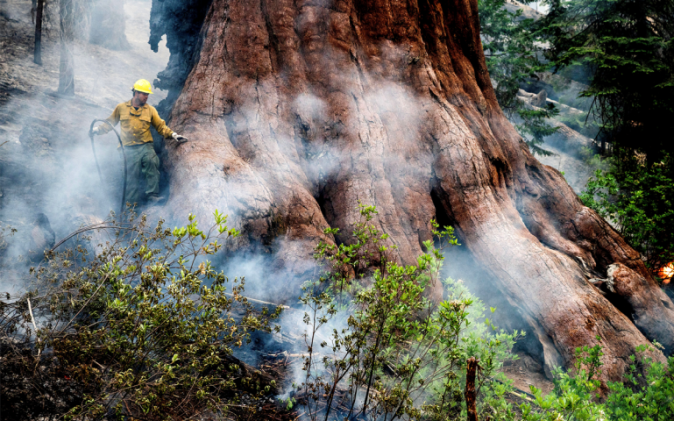
The Valdivian Coastal Reserve was mentioned once in our pages, only in passing.

Tomás Munita

Strange, because if I was asked to name my favorite protected area on the planet it would be at or near the top of my list. The abundant but threatened alerce trees were part of the reason. A family story would explain more of why, and that is part of a larger work story that needs more attention another time.

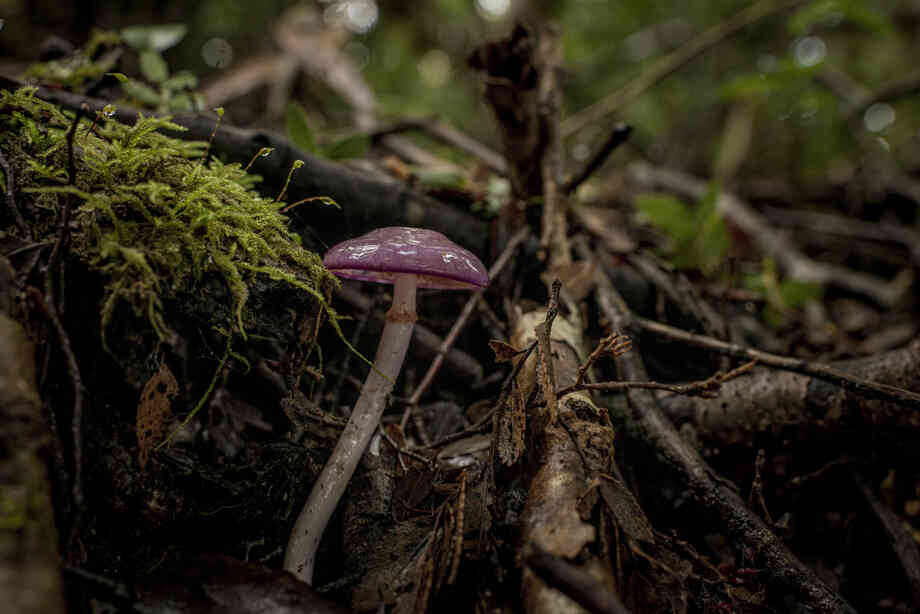
A mushroom rises from the forest floor. Tomás Munita

The story below, featuring an adjacent protected area, stirs an intense place memory, and at the same time reveals much about a topic that was not on our radar at the time. And it says much about potential futures for that place. So, thanks to the New York Times climate correspondent Somini Sengupta (again and again) as well as photographer Tomás Munita:

Unearthing the Secret Superpowers of Fungus

Tomás Munita

In the fight against warming, a formidable ally hides just beneath our feet.

 — Toby Kiers took long strides across the spongy forest floor, felt the adrenaline rush in her veins and stopped at the spot she had traveled so far to reach. Into the ground went a hollow metal cylinder. Out came a scoop of soil.

Tomás Munita

Dr. Kiers stuck her nose into the dirt, inhaled its scent, imagined what secrets it contained to help us live on a hotter planet. “What’s under here?” she asked. “What mysteries are we going to unveil?”

The soil was deposited into a clear plastic bag, then labeled with the coordinates of this exact location on Earth. Continue reading
New (To Us) Creatures Of The Deep

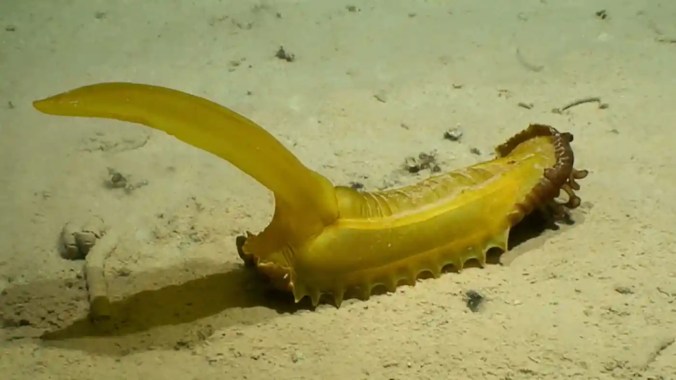
A gummy squirrel – Psychropotes longicauda – is a type of sea cucumber. This specimen is 60cm long with red palps, or lips, with which it feeds on sediment on the ocean floor, 5,100m deep

Discoveries still happen, even as the earth burns. Creatures not previously known are being identified 5,000 meters below the surface of the ocean. Some do not even yet have a name:

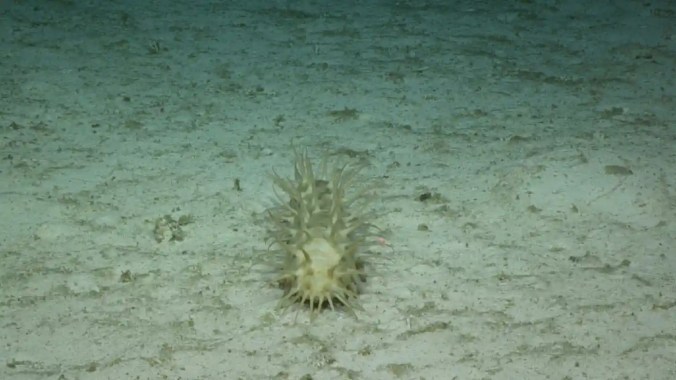
A spiny sea creature on the ocean floor

Scientists find 30 potential new species at bottom of ocean

Natural History Museum scientists seek to unlock mysteries of deep sea but some fear activity will disturb diversity of the depths

Scientists have found more than 30 potentially new species living at the bottom of the sea. Continue reading
Tiger Conservation Progress

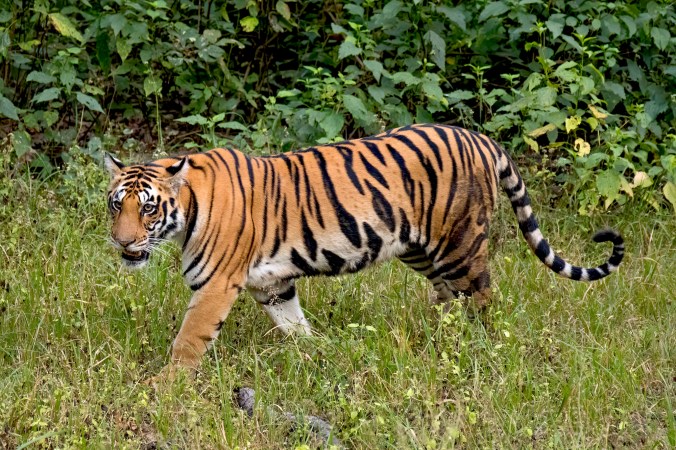
A Bengal tiger in India’s Kanha National Park. CHARLES JAMES SHARP VIA WIKIPEDIA

Tigers were an important part of our lives when this platform started, and for the following few years of our time in Kerala. We have retained an interest, so this news is welcome all these years later:

Wild Tiger Numbers 40 Percent Higher Than Previously Estimated

The number of endangered tigers around the world is 40 percent higher than previously thought, according to new data from the International Union for Conservation of Nature (IUCN). Continue reading
Monarch Butterflies’ Future

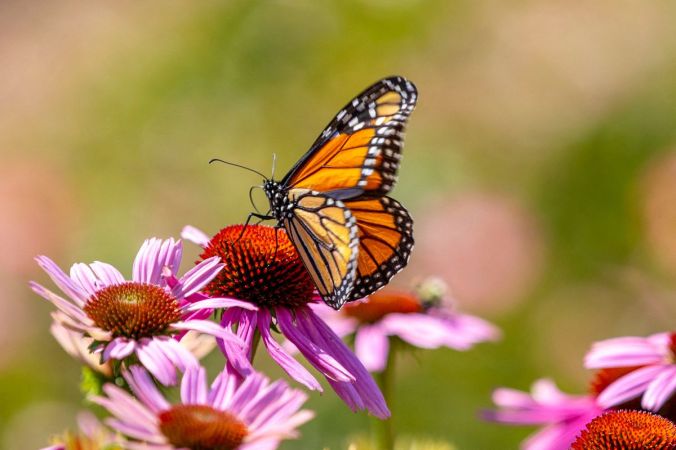
A Monarch butterfly, which is now placed in the endangered category of the International Union for the Conservation of Nature’s Red List of Threatened Species, perches at the Royal Botanical Gardens in Burlington, Ontario, Canada July 21, 2022. REUTERS/Carlos Osorio

Butterflies in general, and this species in particular, have graced our pages more than most other insects over the years. Thanks to Emma Farge and Gloria Dickie, from Reuters, for this:

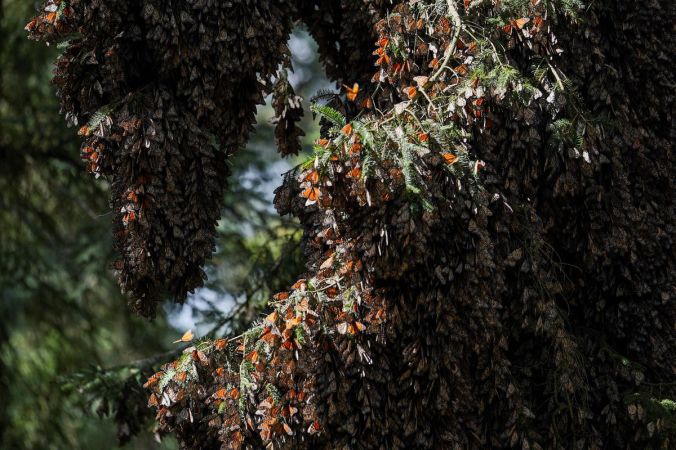
Monarch butterflies rest on a tree at El Rosario sanctuary, in El Rosario, in Michoacan state, Mexico February 11, 2021. Picture taken February 11, 2021. REUTERS/Toya Sarno Jordan/File Photo

Kaleidoscopic migratory monarch butterfly joins global endangered species list

GENEVA, July 21 (Reuters) – The migratory monarch butterfly, which has for millennia turned North American woodlands into kaleidoscopes of colour in one of nature’s most spectacular mass migrations, is threatened with extinction, international conservationists said on Wednesday. Continue reading
Trillion Tree Puzzles

Villagers hired by Eden Reforestation Projects planting trees in the northern part of Goiás State, Brazil. Lalo de Almeida for The New York Times
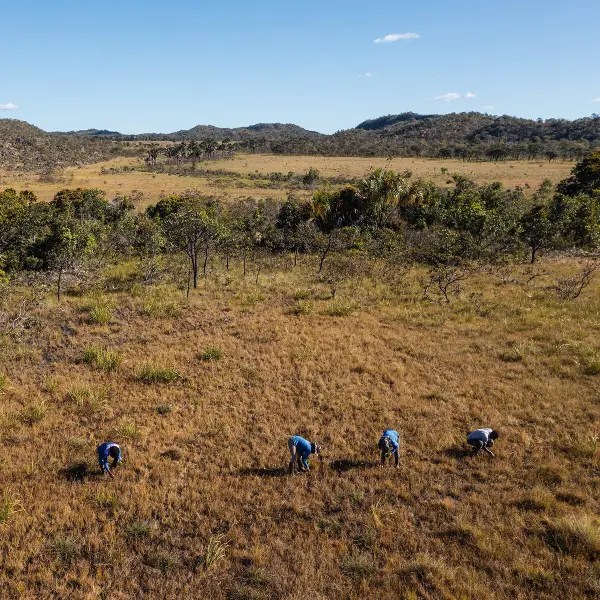
Zach St. George showcases why the compelling idea is problematic, and why the problematic idea is so compelling:

A plant from which Eden separates seeds to plant in Goiás. Lalo de Almeida for The New York Times

To fight climate change, companies and nonprofits have been promoting worldwide planting campaigns. Getting to a trillion is easier said than done.

On a hot morning in April, near the start of Brazil’s dry season, four women and two men walked single file across a sodden field at the edge of Engenho, a village in the northern part of Goiás State. They wore long sleeves and wide-brimmed hats to protect against the sun, and leather gaiters and gloves to protect against snakes. In a plastic tub, they carried an entire forest. Continue reading