Convivial Conservation

Click on this image to go to the page where the illustrative video about convivial conservation is embedded

New to me, but not new, is this pairing of words that have a magical ring to them when said together:

Convivial Conservation

Convivial (literally: ‘living with’) conservation offers a new and integrated approach to understanding and practicing environmental conservation. It is a Whole Earth vision that responds to the major ecological, social and political-economic challenges facing people and biodiversity in the 21st century
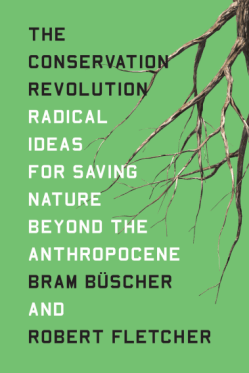
Click on the image above to watch a short video introducing the concept, and click to the right to read more about the book. Click here to read more about ongoing research on this topic. Anyone following our posts on this platform for the last decade+ will have seen a different pair of words frequently used–sometimes related to biodiversity and other times related to culture. Now that I have let this other word pairing have some space in my day, I expect to see the words more frequently in these pages.

Sometimes, You Just Have To Say…

Photo by Seth Inman taken in Kenya’s Samburu Game Reserve

… Show me a photo. When atrocities dominate the news, and threaten to overwhelm, I lean on old photographs taken by family members that offer a meditative opportunity. Recently I have found myself leaning on those that transport me to some natural phenomenon I have not myself witnessed. Recently, three years after his last work on the African continent, Seth was on a work assignment in Kenya and took the photo above. That has been my meditative escape mechanism recently, but today the Guardian’s occasional series offers some others, thanks to Joanna Ruck:

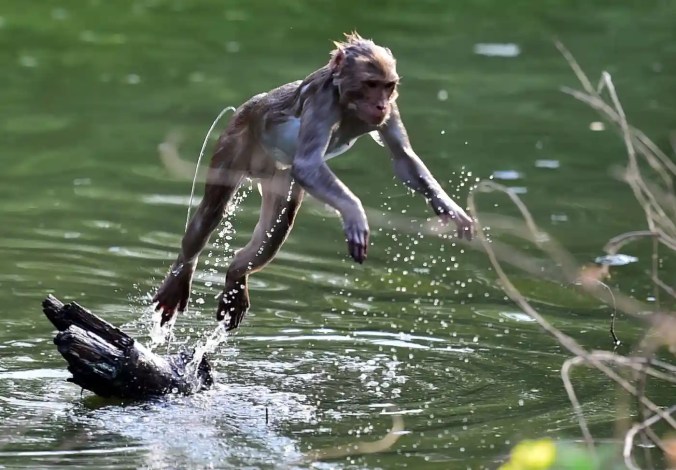
A monkey leaps in a pond during a hot summer day in Allahabad, India. Photograph: Sanjay Kanojia/AFP/Getty

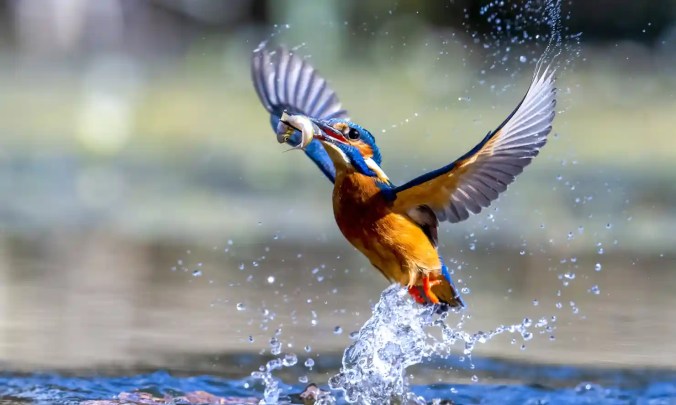
For more pictures in the series, click either image.

Main image: A kingfisher bags a meal in Lincolnshire, UK. Photograph: Charlotte Graham/Rex/Shutterstock

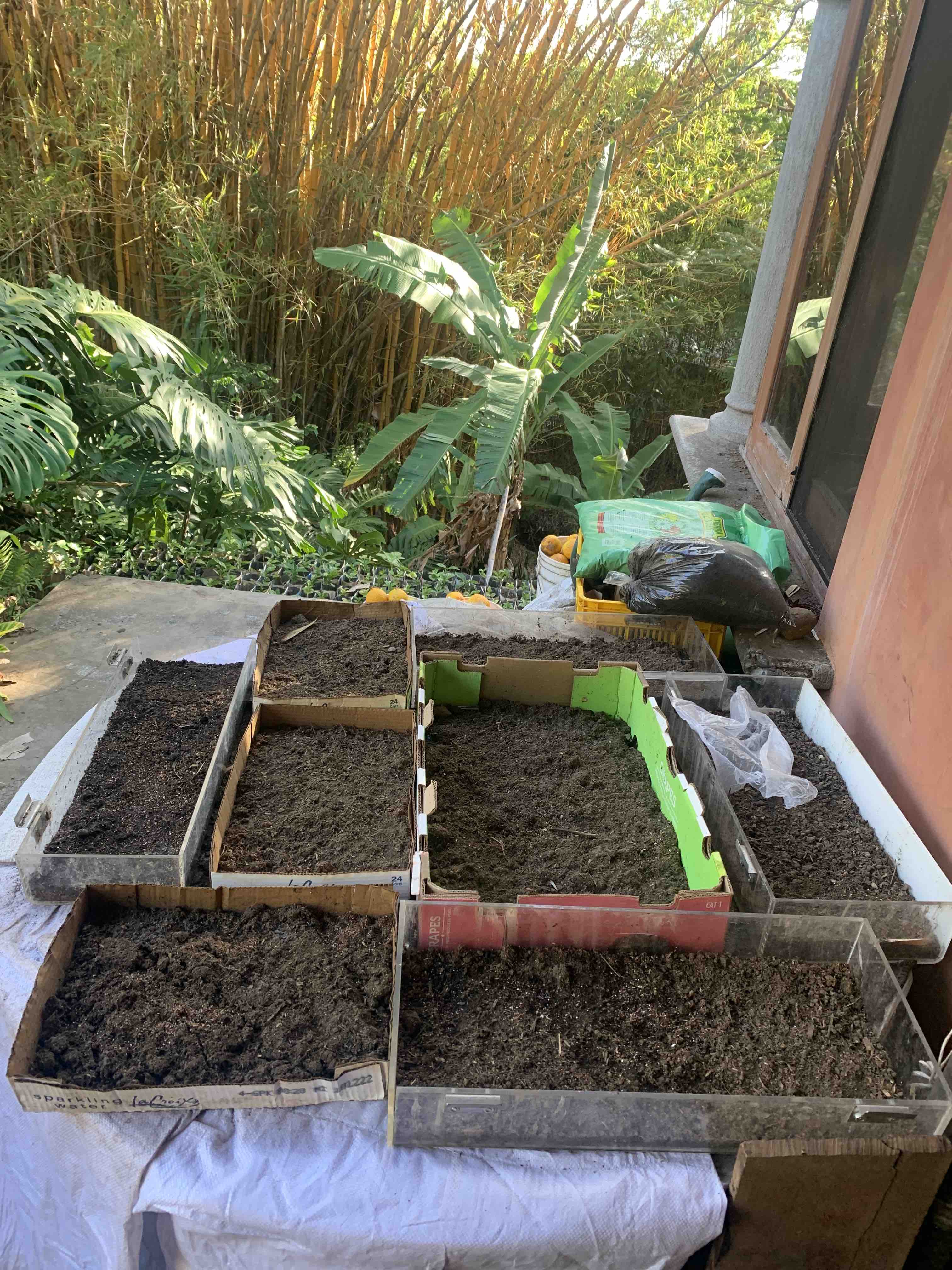
Ivory-billed Woodpeckers In Louisiana

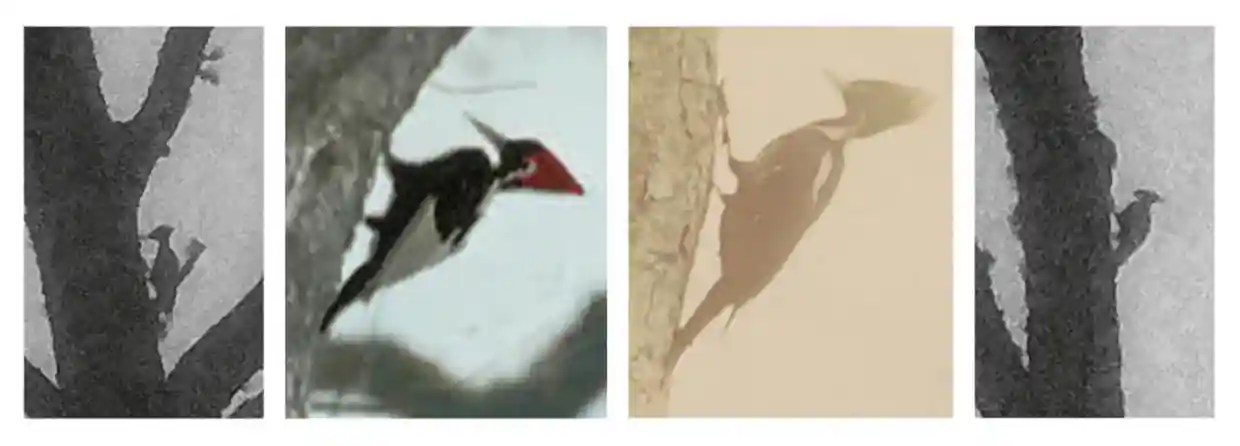
Comparison of photographs taken of apparent ivory-billed woodpeckers in Louisiana from this study (A, D), with a colorized ivory-billed woodpecker, also from Louisiana (B), and a pale-billed woodpecker taken in Central America (C). Photograph: The Guardian

The title of this post should have a question mark at the end of it, or should be considered clickbait. For bird nerds this is likely not even news. But it is important in terms of natural history in general. Ivory-billed woodpeckers have been mentioned a couple of times in our pages; but the chance of seeing one these days was considered to be zero. We can now hope we were wrong about that:

Back from the dead? Elusive ivory-billed woodpecker not extinct, researchers say

An expedition to the forests of Louisiana say extinction of bird, last definitively seen in 1944, has been exaggerated

In terms of elusiveness, it is the Bigfoot or Loch Ness monster of the bird world, so rare and undetectable that the US government declared it extinct last year. But the ivory-billed woodpecker is, in fact, still alive and pecking in the forests of Louisiana, a team of researchers has claimed. Continue reading

The Rights Of Man Versus The Rights Of Nature

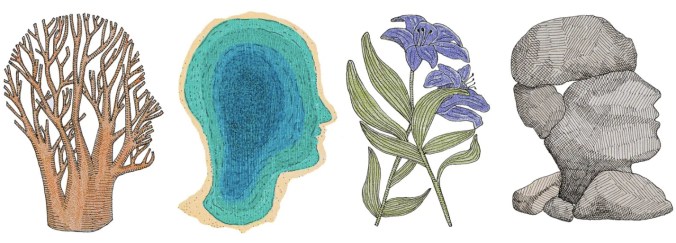
For most of history, people saw themselves as dependent on their surroundings, and rivers and mountains had the last word. Illustration by Marion Fayolle

Florida is on my mind today. Yesterday I listened to some excellent reporting on this podcast episode and was surprised to learn that some consider the political climate in the state environmentally-friendly. Surprising because the entire reporting emphasized what sounded like anti-regulatory business-friendly fervor. And after reading this article by one of my favorite writers, I think the state will be on my mind for the indefinite future (late in the article she writes “Start taking Stone seriously and it’s hard to stop;” so far she is correct):

A Lake in Florida Suing to Protect Itself

Lake Mary Jane, in central Florida, could be harmed by development. A first-of-its-kind lawsuit asks whether nature should have legal rights.

Lake Mary Jane is shallow—twelve feet deep at most—but she’s well connected. She makes her home in central Florida, in an area that was once given over to wetlands. To the north, she is linked to a marsh, and to the west a canal ties her to Lake Hart. To the south, through more canals, Mary Jane feeds into a chain of lakes that run into Lake Kissimmee, which feeds into Lake Okeechobee. Were Lake Okeechobee not encircled by dikes, the water that flows through Mary Jane would keep pouring south until it glided across the Everglades and out to sea. Continue reading

Meat Me Half Way

Changing the way we eat to improve our lives and save our planet has been a common theme over the years on this platform. In case you missed yesterday’s post, this new book by Brian Kateman was mentioned in the newsletter:

We know that eating animals is bad for the planet and bad for our health, and yet we do it anyway. Ask anyone in the plant-based movement and the solution seems obvious: Stop eating meat.

But, for many people, that stark solution is neither appealing nor practical. Continue reading

Coffee, Birds & Bees

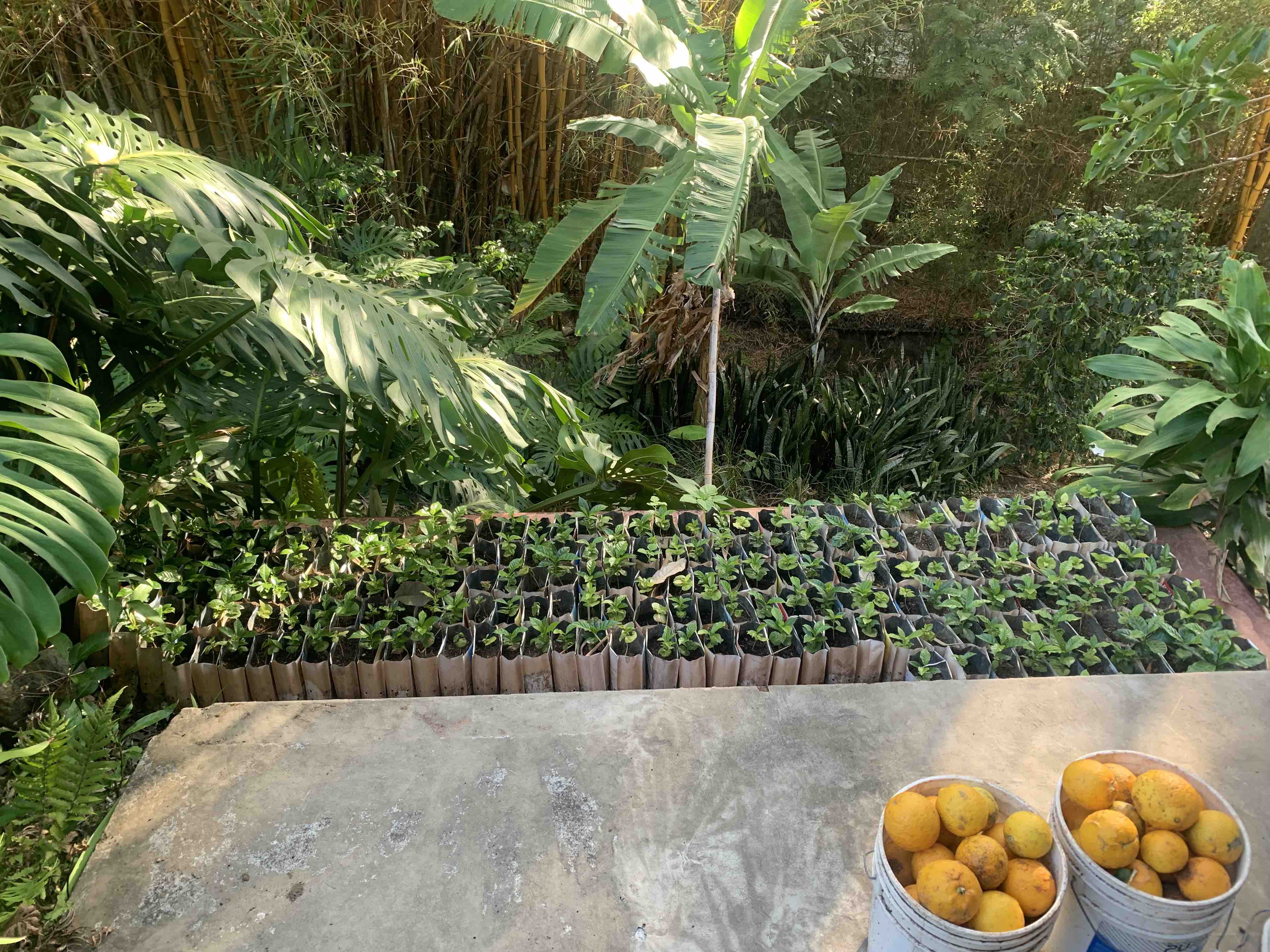
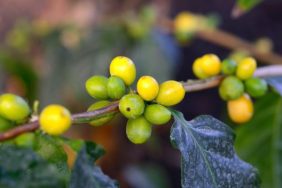
Seedlings from coffee picked in early 2021

On a couple of acres of mountain land in Escazu, on property that once was part of a larger coffee farm, we have been preparing to plant a thousand or so coffee saplings, which will eventually become trees among trees. Above are the thriving seedlings from 2021 germination, and below the early stage of germination from this year’s pickings.

Germination of coffee picked in early 2022

Coffee culture has been a long time in the making, so the slow pace of the Organikos arc has not intimidated me. And yet, if I could speed it up, I would because of the variety of beneficiaries.

Today an article by Cristen Hemingway Jaynes on the website EcoWatch brings to my attention a team of researchers who I will pay more attention to. Some are here in Costa Rica, at CATIE; the others at University of Vermont. Their work makes me appreciate the value of getting on with this:

Birds and Bees Make Better Coffee, Study Finds

Birds and bees work together as pollinators. DansPhotoArt on flickr / Moment / Getty Images

For many people, one rich, pleasant smell signals the start of a new day more than any other: coffee. Different techniques have been used to get the best cup of the caffeine-rich liquid, from a French press to the pour-over method.

A unique new study has found that the secret to better coffee is really in control of the birds and the bees. Continue reading

Vagrancies Better Appreciated

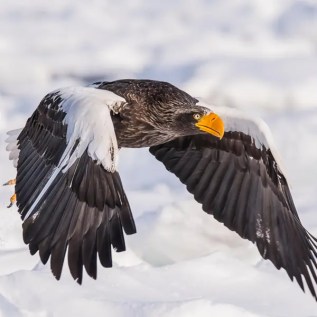
A Stellar’s sea eagle, native to East Asia. Design Pics Inc./Alamy

These two themes, birds and their various forms of adaptation, make Marion Renault’s article These Birds Aren’t Lost. They’re Adapting a perfect fit for sharing here as an excerpt, and recommending that you read the story where it was published:

Bird-watchers love to see vagrants, or birds that have traveled far outside their range. But scientists say they have a lot to teach us in a world facing ecological change.

From what we can tell, the Steller’s sea eagle trekking across North America does not appear homesick.

The bird has strayed thousands of miles from its native range in East Asia over the last two years, roving from the Denali Highway in Alaska down to a potential sighting South Texas before moving eastward and back north to Canada and New England. Its cartoonish yellow beak and distinctive wing coloration recently attracted crowds of rapt birders to Maine before turning up on April Fools’ Day in Nova Scotia. Continue reading

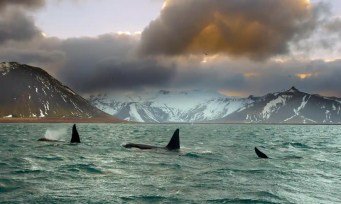
Watching Whales, Hopefully Forever

An orca pod feeding. Iceland, one of the few countries that still hunts whales commercially plans to end the practice from 2024. Photograph: Nature Picture Library/Alamy

Of all the dozens of times in our pages where whales are the central topic, there was once when Icelandic whaling was featured. And that story was about ending the practice of hunting these majestic animals. Today’s story–‘Meet us, don’t eat us’: Iceland turns from whale eaters to whale watchers–is the first time I have heard that travelers are the primary market for whale meat there. Strange, but true:

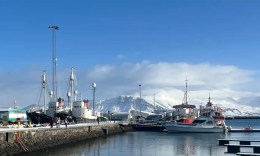
Reykjavik harbour. The small red boat on the right is an Elding whale-watching vessel. The blue one with a tall mast is a whaling boat. Photograph: Abby Young-Powell

The country’s plan to end commercial whaling is driven by falling demand but also a 15-year-long campaign aimed at their biggest consumers of whale meat – tourists

Onboard a small whale-watching boat making its way across the choppy waters of Faxaflói Bay, off the south-west coast of Iceland, a guide urges tourists not to eat whale meat. Continue reading

Tracking Disappearing Species

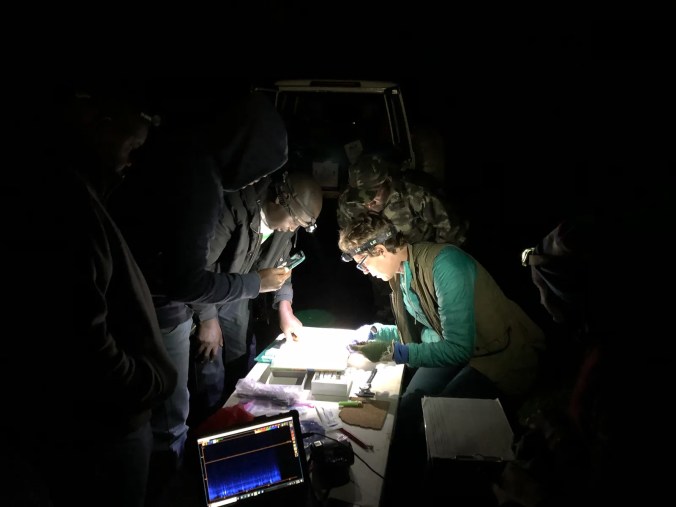
Researchers work through taxonomic keys to determine whether they had just caught a Hills’ horseshoe bat in Rwanda’s Nyungwe National Park.Photograph by Jon Flanders / Courtesy Bat Conservation International

Disappearing species as a topic in these pages has taken many forms. Hunters of disappearing species, less so. My exposure to this topic is limited to one project that Seth participated in. But the fact that Seth also had experience on a different type of project in Rwanda’s Nyungwe National Park made this article particularly of interest. Carolyn Kormann, once again, thank you:

The Hunt for a Lost Bat

The obsessive people who track down disappearing species are their own variety of rare—sparsely found across a wide geographic range, in all sorts of habitats.

In January, 2019, a multinational team of biologists set out into the rain forest of southwestern Rwanda, in search of a near-mythical bat that they thought might be extinct. Continue reading

Pythons, Bobcats & Camera Traps

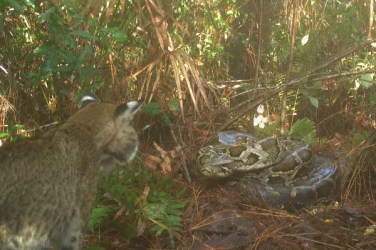
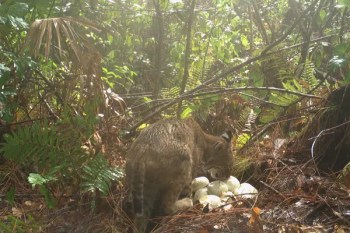
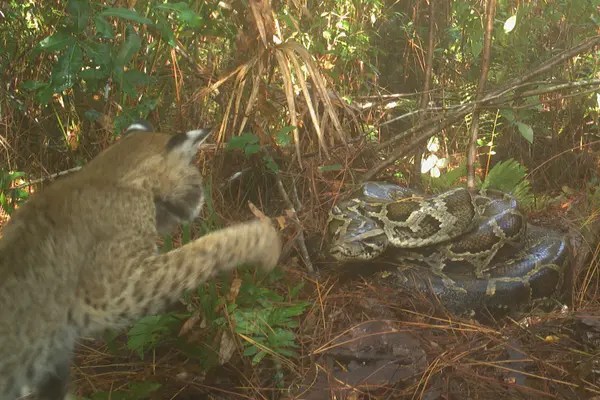
A Burmese python and a bobcat facing off in the Big Cypress National Preserve in Florida last June, captured by a trap camera set up by the U.S. Geological Survey. U.S.G.S.

We have been posting about invasive pythons, as well as plenty of other invasive species, annually for more than a decade now. Likewise, feline wildlife has been a recurring theme. Not to mention camera traps, another theme we care about.

For a surprising overlap of those two themes, or otherwise just a very well-written story about wildlife, read Matt Kaplan’s article about how Bobcats With a Taste for Python Eggs Might Be the Guardians of Florida’s Swamp.

The bobcat eating the eggs. U.S.G.S.

Our congratulations to Dr. Andrea Currylow for the determined pursuit leading this scientific finding, and with no disrespect to pythons as a species in their native territories, in this case may the best cat win:

Cameras captured the wild feline purloining a Burmese python’s eggs, giving hope that the state’s native species are responding to a voracious, invasive predator.

The bobcat took a swipe. U.S.G.S.

The voracious appetite of the invasive Burmese python is causing Florida’s mammal and bird populations to plummet. With little natural competition to control the big snake’s numbers, the situation looks desperate. But new observations suggest that the bobcat, a wildcat native to Florida, might be able to help. Continue reading

Stewart Brand In Perspective

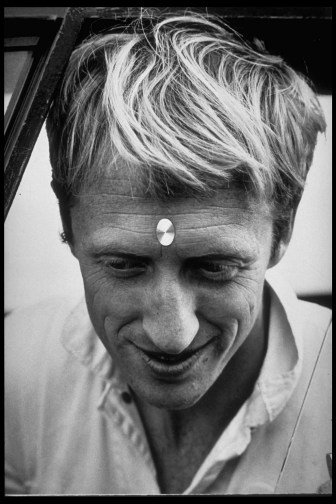
Stewart Brand Ted Streshinsky/Getty Images

He has been mentioned in our pages three times before today. Now, on the fourth occasion, it is about Stewart Brand’s Long, Strange Trip:

In 1966, Stewart Brand was an impresario of Bay Area counterculture. As the host of an extravaganza of music and psychedelic simulation called the Trips Festival, he was, according to John Markoff’s “Whole Earth,” “shirtless, with a large Indian pendant around his neck … and wearing a black top hat capped with a prominent feather.” Four decades later, Brand had become a business consultant. Continue reading

How Do We Love Thee, Forests, Let Us Count The Ways

Forests, such as this one in Indonesia, do lmore than just store carbon. Photograph: Xinhua/Rex/Shutterstock

It may sound obvious, but until now it was not quantified: The world’s forests do more than just store carbon, new research finds

New data suggests forests help keep the Earth at least half of a degree cooler, protecting us from the effects of climate crisis

The world’s forests play a far greater and more complex role in tackling climate crisis than previously thought, due to their physical effects on global and local temperatures, according to new research. Continue reading

Animal Prints & Entrepreneurial Conservation

Conservation-minded scholars hope to harness the cultural power of animal prints. Illustration by Na Kim

It is difficult to judge from Rebecca Mead’s article Should Leopards Be Paid for Their Spots whether and how the idea has a practical future, although the exemplary collaboration between Panthera and Hermes has allure. The concept has plenty of merit, from my vantage point 26 years into an entrepreneurial career that shares some common ground.

If travelers are willing to pay a premium to support the conservation of a place; if they buy things to take home because those things support artisans and farmers; and continue to buy the coffee when back home because it funds bird habitat regeneration (customers tell me via email that in addition to the coffee being excellent, this is a motivator), then why not this too:

Style-setters from Egyptian princesses to Jackie Kennedy to Debbie Harry have embraced leopard prints. Proponents of a “species royalty” want designers to pay to help save endangered big cats.

Jacqueline Kennedy, in 1962. Photograph from Getty

When Jacqueline Kennedy was living in the White House, in the early sixties, she relied upon the taste of Oleg Cassini, the costume designer turned couturier, to supply her with a wardrobe that would befit her role as First Lady, one of the most photographed women in the world. In 1962, Cassini provided her with a striking leopard coat. Knee-length, with three-quarter sleeves and six buttons that fastened across the chest, the coat was not made from a synthetic leopard-patterned fabric. Continue reading

When Fences Are Un-Neighborly

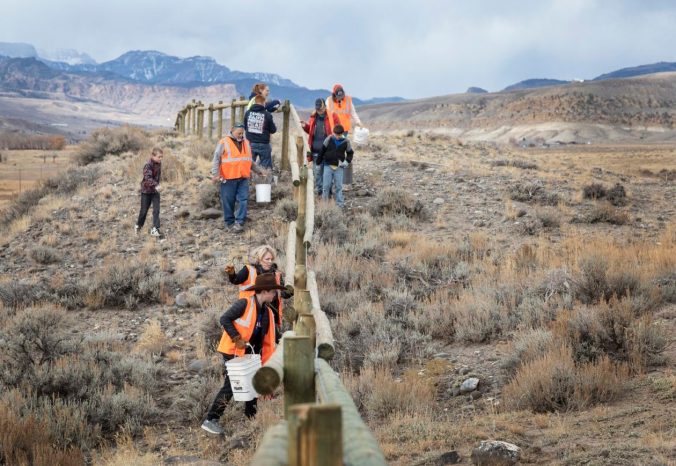
Volunteers modify a wire fence in Wyoming to allow wildlife to pass through. ABSAROKA FENCE INITIATIVE

If we take Robert Frost’s poetic license into the realm of how humans and wildlife might coexist more successfully, then the image above is powerful. Good fences might make good neighbors if they allow wildlife to migrate as needed.

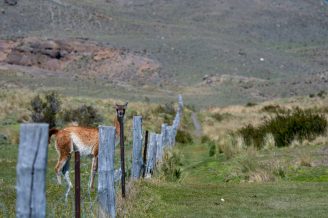
A guanaco at a fence in southern Chile. WOLFGANG KAEHLER / LIGHTROCKET VIA GETTY IMAGES

While working in the Patagonia region of Chile, 2008-2010, I saw images like this in the photo to the right regularly. On occasion the sight would be more gruesome. Ranchers had erected fences without regard for the need of guanacos to wander.

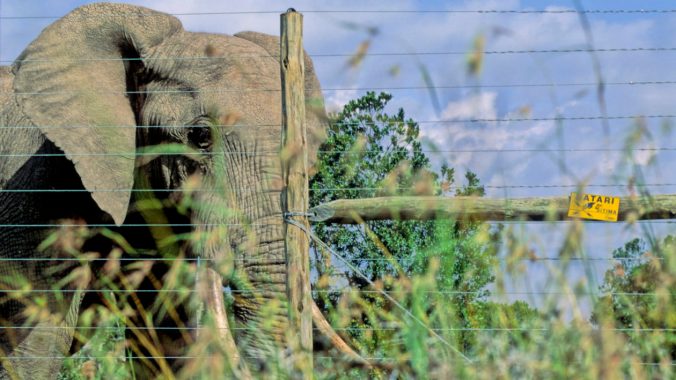
During our seven years living in India the human-elephant relationship was often one of worshipful respect, but included too many stories of fences, or worse, as methods farmers used to protect their properties from elephant intrusions. As is the case in Kenya (see the image below) fences are unneighborly. So, we were on the lookout for creative solutions. The following article by Jim Robbins, in Yale e360, is timely and welcome in this regard.

An African elephant alongside an electric fence in Laikipia, Kenya. AVALON / UNIVERSAL IMAGES GROUP VIA GETTY IMAGES

Unnatural Barriers: How the Boom in Fences Is Harming Wildlife

From the U.S. West to Mongolia, fences are going up rapidly as border barriers and livestock farming increase. Now, a growing number of studies are showing the impact of these fences, from impeding wildlife migrations to increasing the genetic isolation of threatened species.

The most famous fence in the United States is Continue reading

Climate Forests

LET TREES
GROW
PROTECT THE CLIMATE

Last week’s epic essay by Bill McKibben in the New Yorker was followed up by his weekly newsletter, in which he mentions the organization above. Visit and see what they are doing. And the newsletter is a useful footnote to the essay:

…It argues that the time has come for us to end—after 200,000 years—the central place of combustion in human affairs, and rely instead on the fact there’s a flaming ball of gas hanging 93 million miles away in the sky. I won’t repeat the argument here, but I do want to extend it a little. Continue reading

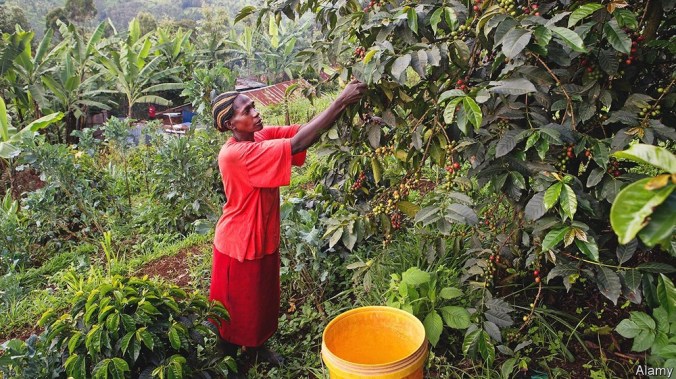
Kenya’s Coffee Climbs

Coffee is climbing uphill in Kenya because the climate up there is more suitable. But there are no easy fixes to the climbing temperatures, for coffee or other crops. Hybrids and wild heirloom varietals had our attention already, and are mentioned in this article from the Middle East & Africa section of the Economist’s print edition under the headline “Hot coffee:”

Why global warming threatens east African coffee

Other cash crops including tea will also be affected

Jeremiah Letting learned about coffee from his father. As a child in the late 1980s, he worked on his family’s one-acre (0.4 hectare) coffee farm in the hills of Nandi county, western Kenya. The cycle ran like clockwork: cultivate, plant, ripen, harvest and sell. “Every year was the same,” he says. “It was timely.” Continue reading

The Force Of Law, On Top Of Information & Protest

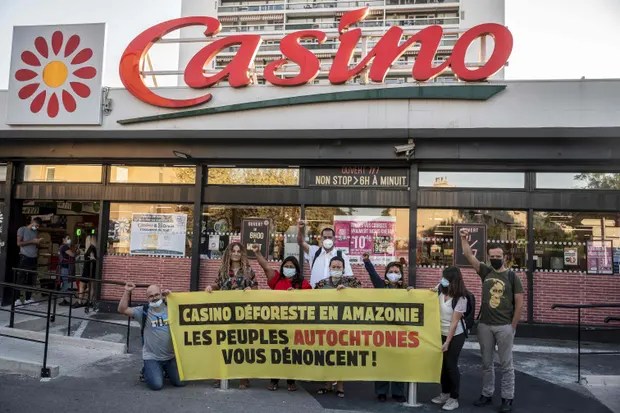
A protest in Marseille against the French supermarket chain Groupe Casino for allegedly selling meat products linked to deforestation. Photograph: Christophe Simon/AFP/Getty

What can we do when commercial interests damage our collective future? The identification of and protest against companies doing business in ways that cause environmental destruction are two important forces, but the force of law is another. Thanks to the Guardian for its ongoing coverage of these:

Legal eagles: how climate litigation is shaping ambitious cases for nature

Plans for an airport in the Tagus estuary have failed to take into account its impact on the wetlands, lawyers argue. Photograph: Handout

Environmental lawsuits are nothing new but now lawyers are turning their attention to cases that address the loss of biodiversity

The Tagus estuary near Lisbon is Portugal’s largest wetland, a vital habitat and stopover for tens of thousands of migratory birds, including flamingos, black-tailed godwits and glossy ibis. Continue reading

Maori Tree-Saving

Tourists visiting Tāne Mahuta, the largest known kauri tree, in Waipoua Forest in New Zealand. The tree is named for a god in Māori mythology. Ruth Mcdowall for The New York Times

A former kauri ambassador blowing a conch shell near Tāne Mahuta. There’s hope among advocates that Māori-led interventions have created enough time for scientists to save the kauri. Ruth Mcdowall for The New York Times

Thanks to Pete McKenzie for this story, How Maori Stepped In to Save a Towering Tree Crucial to Their Identity, in the New York Times:

Tāne Mahuta, an ancient tree named after the god of forests in Māori mythology, is threatened by the slow creep of an incurable disease.

WELLINGTON, New Zealand — In an ancient grove in northern New Zealand, the mighty conifer known as Tāne Mahuta, lord of the forest, is threatened by the encroachment of a deadly enemy. Continue reading

Stenophylla, A Coffee With Real Potential & Poster Child For Food Diversity

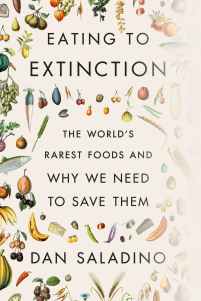
Our thanks to Dan Saladino, a food journalist and author of Eating to Extinction: The World’s Rarest Foods and Why We Need to Save Them as well as recipient of a James Beard Award for food journalism.

He offers an inside look at a relatively unknown coffee varietal with potential, and at the same time, an argument in favor of diversity, in his article Edible Extinction: Why We Need to Revive Global Food Diversity:

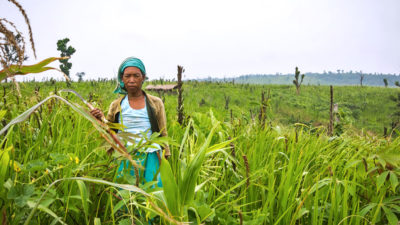
A Khasi farmer growing millet in Meghalaya, India.

A Khasi farmer growing millet in Meghalaya, India. NORTH EAST SLOW FOOD & AGROBIODIVERSITY SOCIETY

The Green Revolution helped feed a surging global population, but at the cost of impoverishing crop diversity. Now, with climate change increasingly threatening food supplies, the need for greater agricultural resilience means restoring endangered crop and food varieties.

Stenophylla beans up close. RBG KEW; KLAUS STEINKAMP / ALAMY

In August 2020, inside the cupping room of a London roastery, a team of botanists and baristas gathered to taste a coffee species that most believed had been lost forever. It was an important moment. Coffee experts had spent years searching in West Africa for the few remaining trees of this species, even issuing “wanted posters” to farmers asking if they had seen it. Continue reading

What Remains, A Documentary

In this short documentary film by Paavo Hanninen, with text by David Kortava, the director says “It’s kind of a tragic story of the herculean effort that’s required just to build 1.3 miles of coastline”:

Protecting Louisiana’s Coastline with Oyster Shells in “What Remains”

Paavo Hanninen’s documentary looks at a surprisingly simple intervention with the potential to slow runaway land loss along the state’s fragile coast.

As early as the nineteen-thirties, oystermen in southern Louisiana began to notice the shoreline that they worked was creeping inland. Continue reading