Wonders Of The Yucatán

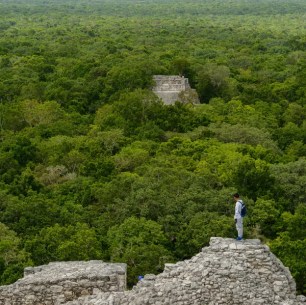
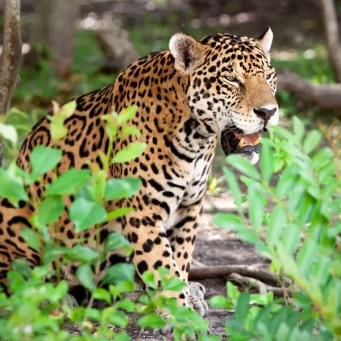
In Calakmul and elsewhere, the fierce jaguar was worshiped as a deity. Ancient rulers and warriors adorned themselves with the animal’s skulls, skins, fangs and claws. Adrian Wilson for The New York Times

Several months ago when we confirmed our plans to attend a wedding in Merida, Mexico on November 5, Calakmul came to mind. We had already explored many famous Maya sites in Central America, most recently in Belize, not to mention Mexico, over the last three decades; and we have also been fortunate with big cat sightings.

We decided against extending our stay, choosing to spend a few days in Mexico City instead (I have been obsessed with Barragán in recent years, so seeing his former home and workshop there was a must). Charly Wilder‘s article in the New York Times, which I am only seeing now, makes me wonder when we will return to see what we neglected in the Yucatan:

The number of jaguars is growing in Mexico, especially in areas of the Yucatán Peninsula. Patryk Kosmider/Getty Images

Thanks to Mexican conservation efforts, the jaguar is making a comeback in the Yucatán Peninsula. A traveler ventures into its habitat in the tropical jungles surrounding an ancient Maya city.

From the top of the great pyramid of the ancient Maya city of Calakmul in the southern Yucatán Peninsula in Mexico, you can see all the way to Guatemala. The jungle stretches out infinitely in every direction, an ocean of green punctuated only by the stepped pyramid peaks of two other Maya temples. Continue reading
A Decade Of Reading Yale e360 & A Monday Perspective

The Philadelphia skyline and Benjamin Franklin Bridge reflected in the Delaware River. PAUL BRADY / ALAMY

Monday mornings often have had their own theme in these pages. Fresh perspective to start the new work week on a new track. So here is my Monday morning contribution. For a brief history to immerse you in the bleak dark, I could send you here; but not today.

Following is an article that does something different, and more difficult to find recently. A look at five decades’ accomplishment on one environmental issue in one country, and a takeaway worthy of the photo above: complex, but inspiring. Our thanks as always after a decade relying on Yale e360 for environmental stories, and advocacy; in this case also for introducing us to Andrew S. Lewis, who will now be on our radar:

The Clean Water Act at 50: Big Successes, More to Be Done

Sparked by the 1970s environmental movement, the Clean Water Act — which marks its 50th anniversary this month — transformed America’s polluted rivers. The Delaware, once an industrial cesspool, is one of the success stories, but its urban stretches remain a work in progress.

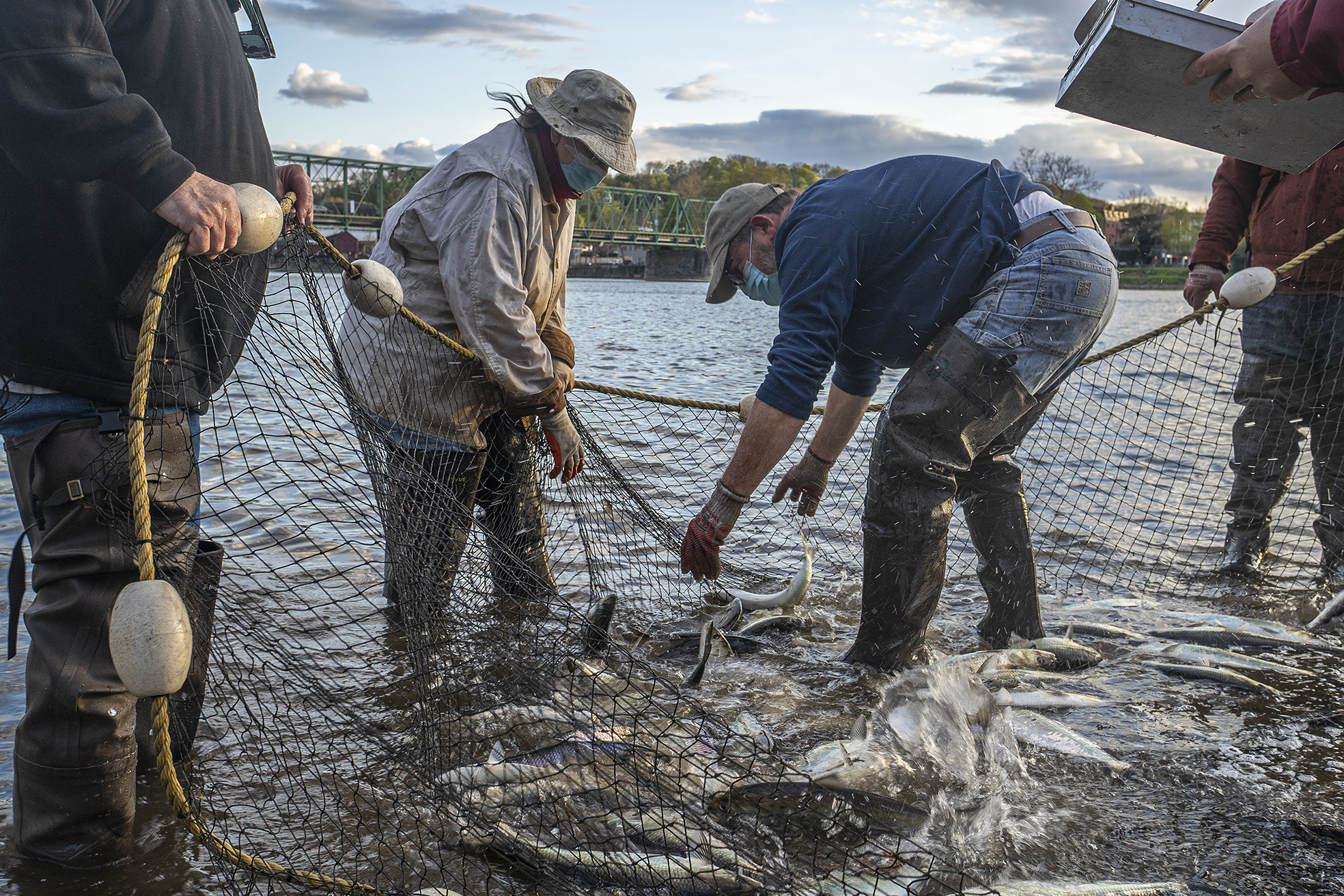
Steve Meserve (second from right) is a fourth-generation shad fisherman who operates the Lewis Fishery, the last commercial shad operation on the Delaware. ANDREW S. LEWIS

When Steve Meserve’s great-grandfather, Bill Lewis, started the Lewis Fishery in 1888, it was one of dozens of commercial outfits scattered up and down the Delaware River that seined for American shad during the spring spawn. At the time, the Delaware’s shad fishery hauled 3 to 4 million of the hard-fighting fish from the river and its tributaries every year. But, soon enough, Lewis discovered that he had gotten into the business just as the river — along with the species it supported — was entering a period of catastrophic decline. Continue reading
Peanuts, Soil Regeneration & Coffee

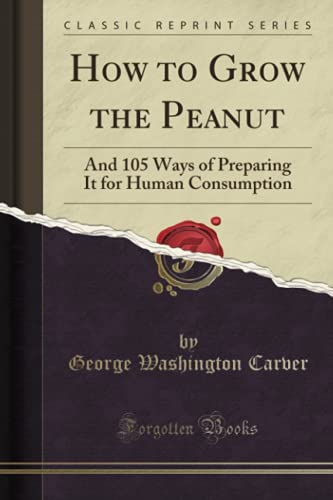
I will not blame Ruby Tandoh for the link to the predatory bookseller in her essay; the magazine she writes for is responsible. Instead, I will just put a better link from the book image on the left to where you might purchase it. Bringing our attention to the book is enough of a good deed to overlook that link. Especially as I work on finding new ways to fix nitrogen in the soil we are prepping for coffee planting:

The Possibilities of the Peanut

I’ve made salads of peanut with watermelon and sumac, fries dunked in garlic-scented satay sauce, and more variations on my aunt’s Ghanaian groundnut stew than I can remember.

Illustration by Sophia Pappas

It would be hard to find a more devoted champion of the peanut than the agricultural scientist George Washington Carver. Born into slavery in Missouri around 1864, Carver studied at Iowa State University and then taught at the Tuskegee Institute, where he would spend much of the rest of his life learning to repair the environmental damage wrought by intensive cotton farming. Continue reading

Banana Genome Science

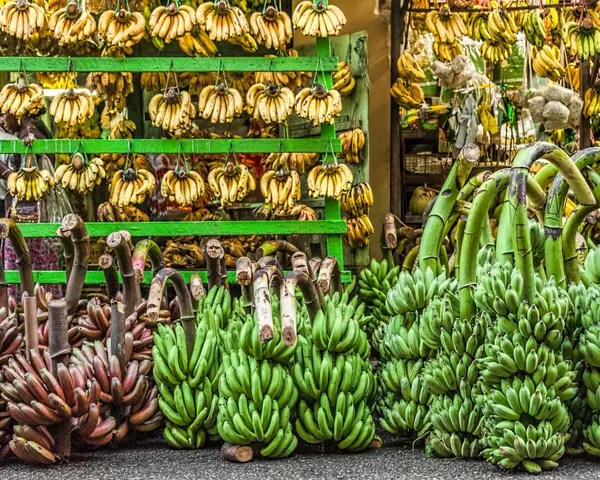
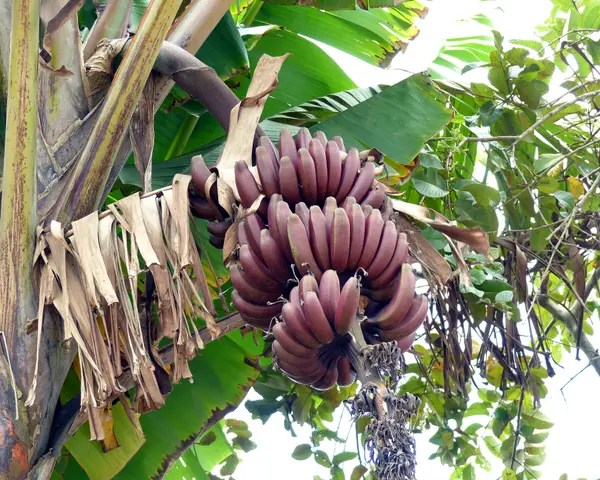
Imagine if you had all of these bananas to pick from every day. Beatrice Sirinuntananon/Shutterstock

We did not search for banana ancestors while living in India. We just found as many varietals as we could to support the genetic stock. I have remained interested in doing the same ever since. They are more versatile than most people are aware, so the outcome of this scientific search matters:

Red or blue, squat or bulbous, seeded or seedless: Bananas have a lot of diversity and scientists have identified genetic signals of varieties that have not yet been found in the wild. guentermanaus/Shutterstock

The Search Is on for Mysterious Banana Ancestors

A new study shows that domesticated bananas have genetic markers tying them to three types of wild bananas that have not yet been found.

Bananas, it turns out, are not what we thought they were.

Sure, most, when ripe, are yellow and sweet and delicious slathered in peanut butter. Continue reading
Music For A Monday

The music critic Jon Pareles gives Brian Eno’s album its due respect, but saying that the “musician and producer’s new songs meditate on folly and annihilation” does not really make you want to listen to it. This interview title from Wired has a different effect, at least on me:

Brian Eno on Why He Wrote a Climate Album With Deepfake Birdsongs

The ambient music pioneer is back with ForeverAndEverNoMore, an album that wants to get you in touch with your climate emergency feelings.

THE TITLE OF Brian Eno’s new album ForeverAndEverNoMore sounds fairly doom and gloom. Continue reading
Jaguar In Australia

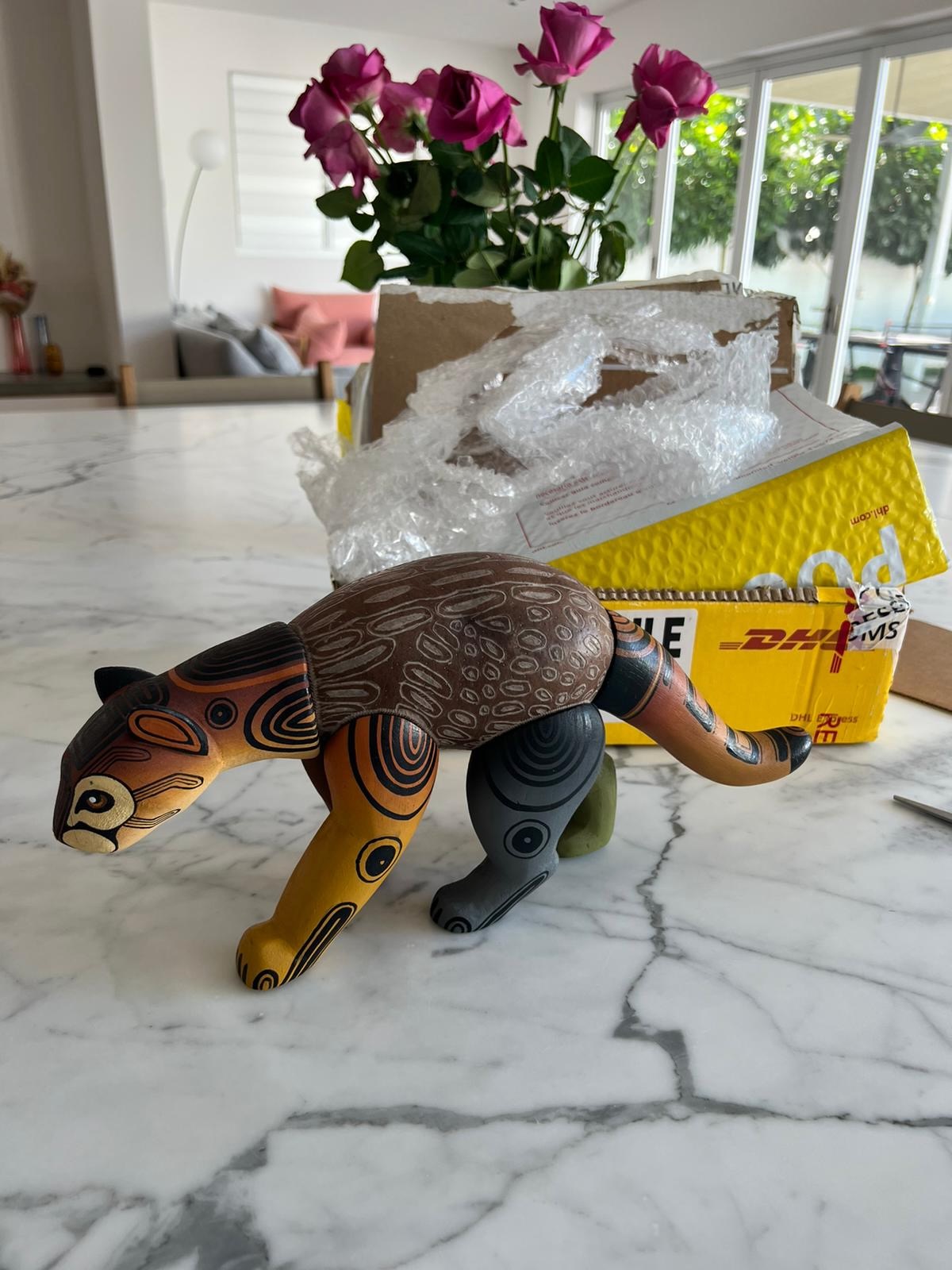
Jaguar, Doña Loly

Today, a photo from Australia, where one of my personal favorite items carried in the Authentica shops arrived recently. A guest purchased it, we shipped it to his wife, and she kindly confirmed that it arrived safely.

Ecotage Made Plain

I first heard an interview with Andreas Malm last year, and listening to more on the subject I found his argument understandable, and compelling enough to read a bit further. But, I did not read the book. I let it go, the way one lets any taboo thought recede from memory. His book came back to my attention today with this essay. And I realize that by not sharing on this platform I was denying what is compelling about his basic argument. At the very least, I can share what the publisher says about the book:

Why resisting climate change means combatting the fossil fuel industry

The science on climate change has been clear for a very long time now.  Yet despite decades of appeals, mass street protests, petition campaigns, and peaceful demonstrations, we are still facing a booming fossil fuel industry, rising seas, rising emission levels, and a rising temperature. With the stakes so high, why haven’t we moved beyond peaceful protest? Continue reading
From Wales To The Tropics, Coppice

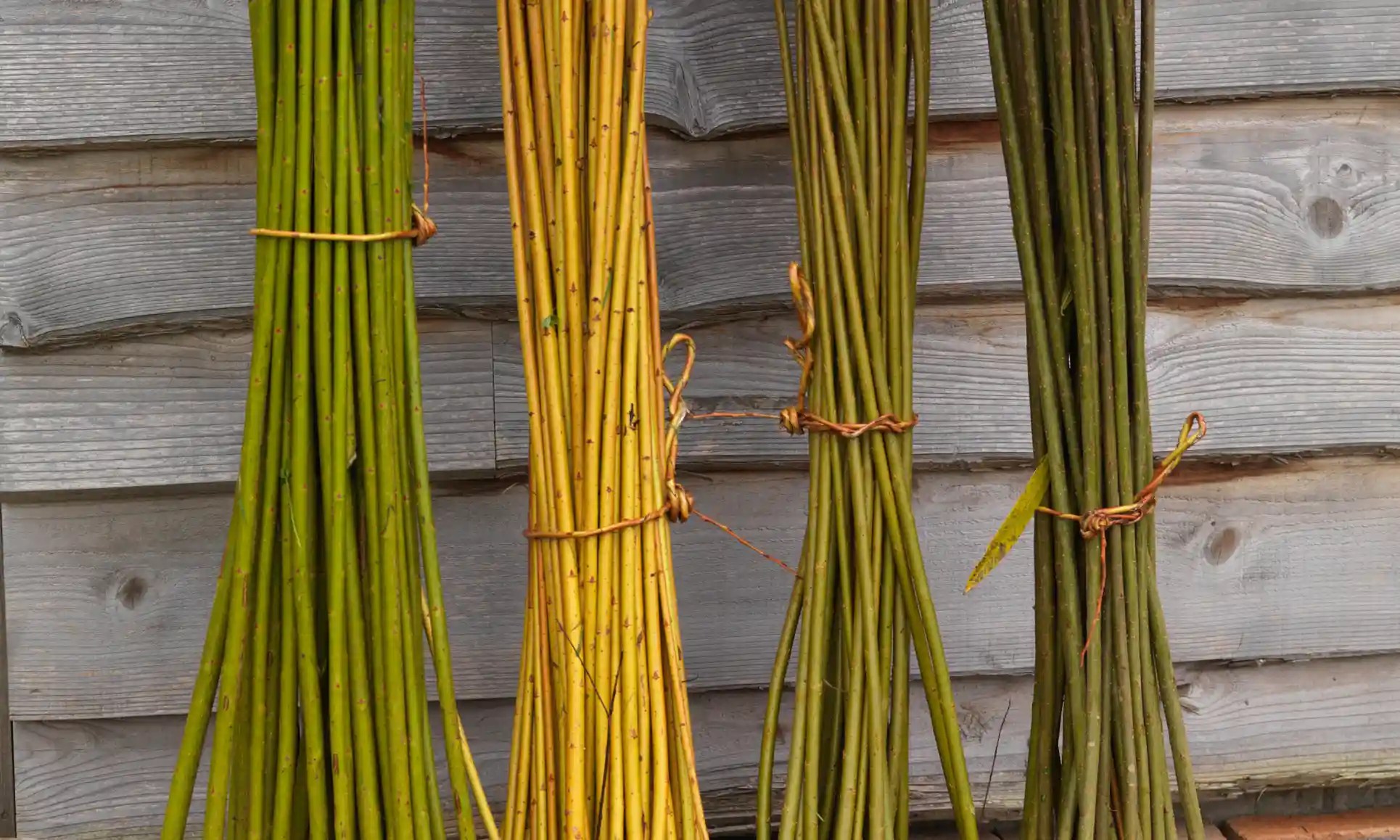
Bundles of newly coppiced Salix viminalis – willow stems harvested during late autumn and winter each year, to create living willow structures and woven items. Photograph: Compulsory Credit: GAP Photos/Nicola Stocken

In the tropics we use coppice to make berms that support new growth and channel water, while in Wales they do other practical things; thanks to the Guardian‘s  Alys Fowler (long time no see) for pointing the latter out to us:

Coppicing is great for your garden – and gives you lots of material to play with willow stems

Apart from the enjoyment of making household items out of stems, coppicing trees and shrubs has aesthetic and eco benefits for gardens

Back in late spring when we got the keys to our new house in Wales, I quickly coppiced a huge hazel to let some light into the back of the house. Continue reading
If You Happen To Be In New York City

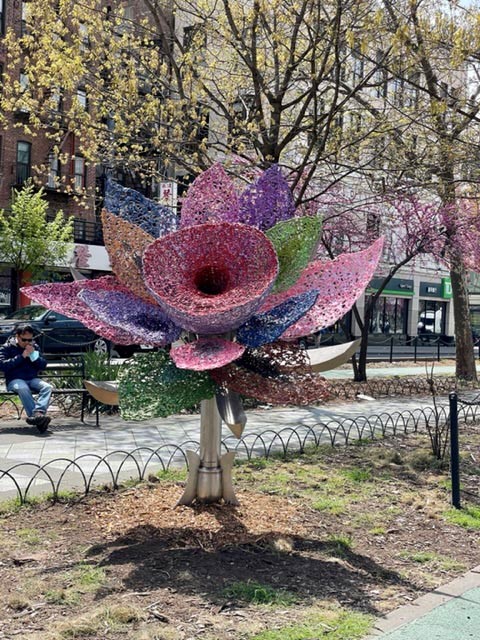
Installed in several locations on the Allen Street Malls between Broome and Hester Streets, this group exhibition features four artworks by five artists addressing themes of nature. Artists include Elizabeth Knowles and Eric David Laxman, Elaine Lorenz, Judith Peck, and Michael Wolf.

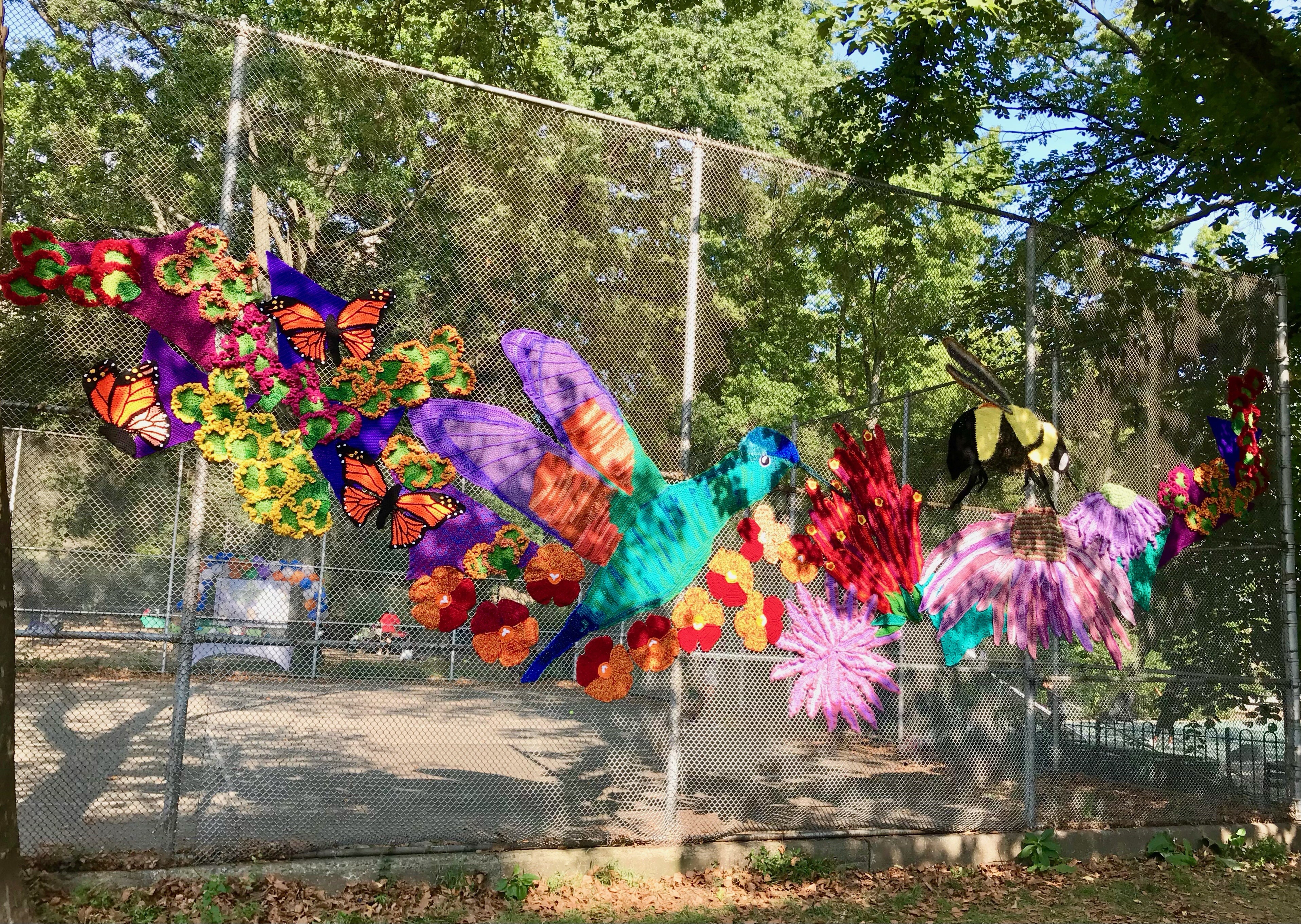
While at Cornell University last month I got my fill of early autumn florals and educational signage. While in the Botanic Gardens I was struck by a floral sculpture, a type of art I am not often moved by. But that one worked. And so, looking through the Art in the Parks section  of the New York City Department of Parks & Recreation  website,  the  image to the right caught my  attention.  And scrolling further through that collection I saw the image  below, which on a day after hurricane-driven rains  in  Costa  Rica,  with  the  morning sky clear of clouds,  hits the spot:

Naomi Lawrence, Tierra Fragil

September 25, 2022 to September 10, 2023
Morningside Park, Manhattan

Description:Tierra Fragil, depicts endangered insects and birds with the flowers and plants imperative to their survival. The mural informs and encourages the preservation of familiar species whose presence we may have taken for granted.

Tierra Fragil is made possible in part with public funds from Creative Engagement a regrant program supported by the New York City Department of Cultural Affairs in partnership with the City Council and the New York State Council on the Arts with support of the office of the Governor and the New York State Legislature, UMEZ Arts Engagement a regrant program supported by the Upper Manhattan Empowerment Zone Development Corporation and administered by LMCC. Additional funding was provided by the Friends of Morningside Park.

Infinity Trees

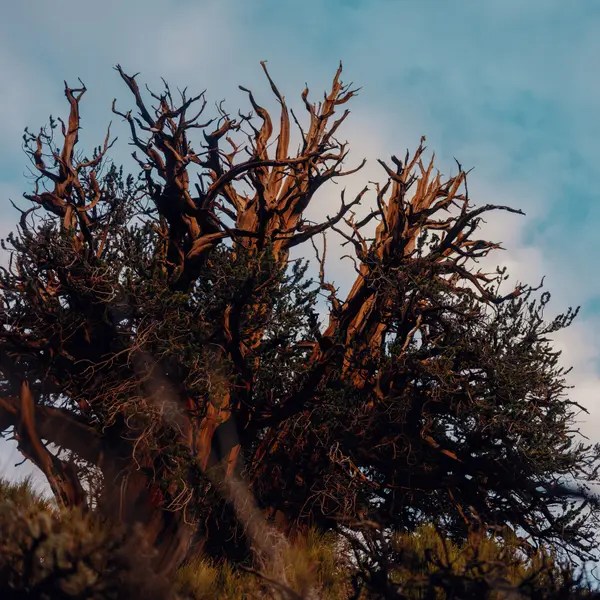
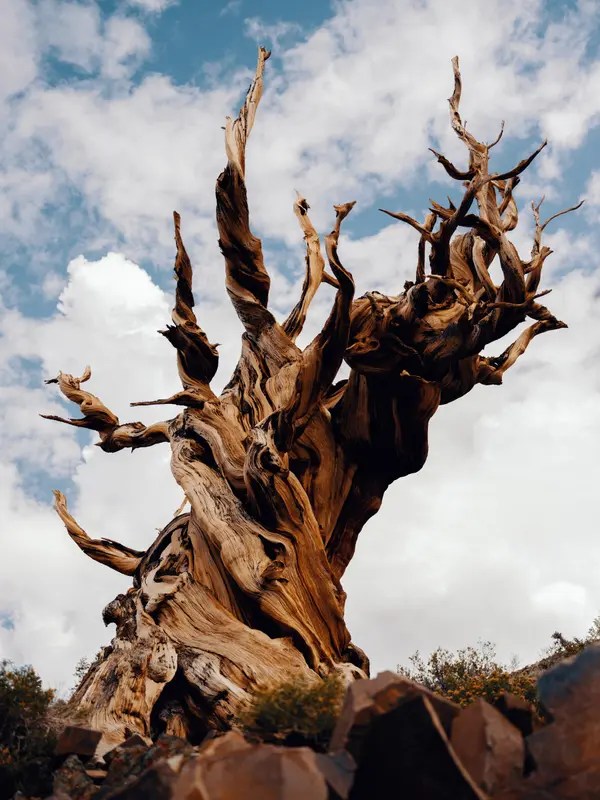
The trees, according to the ecologist Constance Millar, give you a “sense of infinity.” Photo by Adam Perez

We know that getting to a trillion trees is a stretch, but we might be able to sense infinity from a certain species of tree, according to Soumya Karlamangla in the New York Times article we link to here. Photos by Adam Perez help alot.

Bristlecone pines can live and reproduce even with only one branch of needles. Photo by Adam Perez

Historically I have worked to find my personal sense of infinity deep within tropical forests, but reading this and seeing the photos of these trees in a totally different type of ecysystem I can be convinced that it is elsewhere also:

In California, Where Trees Are King, One Hardy Pine Has Survived for 4,800 Years

In a harsh alpine desert, the Great Basin bristlecone pines abide amid climate change. Among them is the oldest tree on Earth (if you can find it).

Great Basin bristlecone pine trees endure in harsh conditions that other vegetation cannot withstand. Photo by Adam Perez

BISHOP, Calif. — Before the Egyptians built the Pyramids, before Jesus Christ was born, before the Roman Empire formed or collapsed, the trees were here.

Ten thousand feet up in the White Mountains of central California, in a harsh alpine desert where little else survives, groves of gnarled, majestic Great Basin bristlecone pines endure, some for nearly 5,000 years. Their multicolor trunks bend at gravity-defying angles, and their bare branches jut toward the sky, as if plucked from the imaginations of Tim Burton or J.K. Rowling.

These ancient organisms, generally considered the oldest trees on Earth, seem to have escaped the stringent laws of nature. Continue reading
I Will Not Panic Over Leafminers

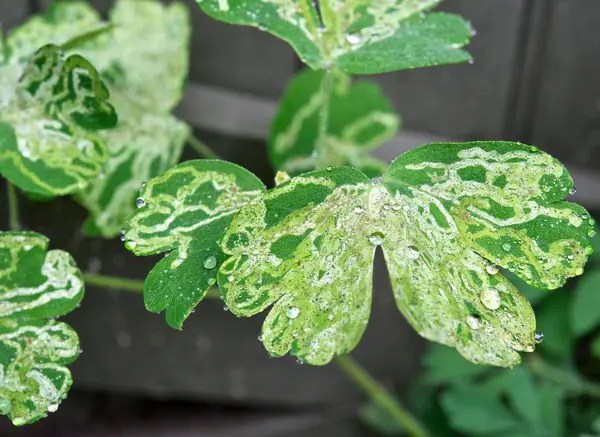
Charley Eiseman, a naturalist who conducts biodiversity surveys for conservation groups, became interested in leaf mines because of patterns like this one. It’s the handiwork of the moth Phyllocnistis populiella in a quaking aspen leaf (Populus tremuloides).

As soon as the sun is up, most days, I am outside. Even after 22 years working on this property I find surprises constantly. When Margaret Roach writes, I read; when she offers visual cues to complement her clear writing, all the better:

Leaf mines on columbine (Aquilegia) can be serpentine squiggles or blotches. Larvae of flies in the genus Phytomyza make these familiar markings when they feed between a leaf’s epidermal layers. Margaret Roach

Don’t jump to the conclusion that those mysterious marks are evidence of disease. They may be leaf mines or galls — and that’s a good thing.

During the early days of the coronavirus pandemic, some of us mastered bread-baking (if we could get our hands on flour) or devoted ourselves to nurturing some new mail-order houseplant. Continue reading
Alerce, A Mysterious Phenomenon Examined Scientifically

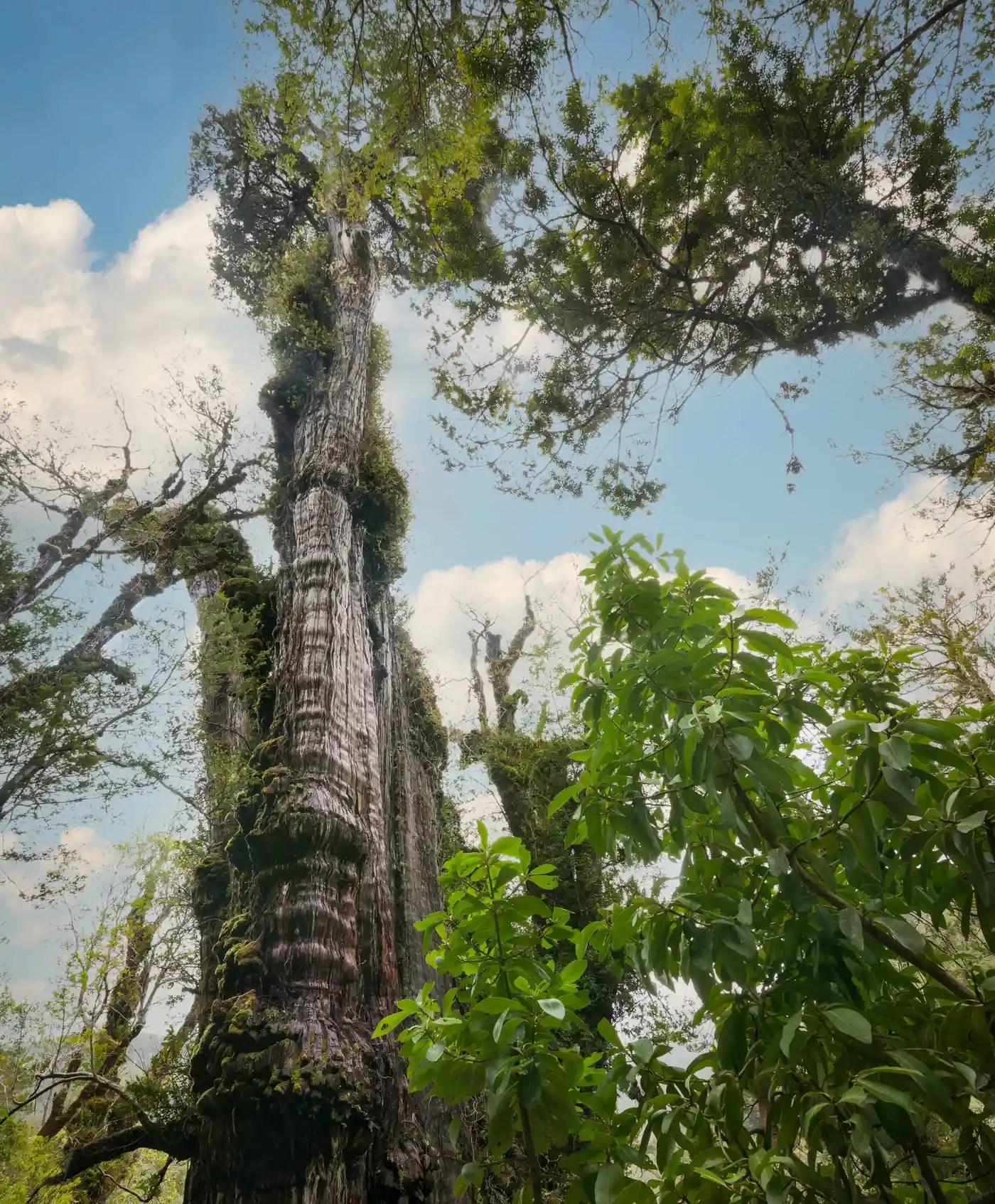
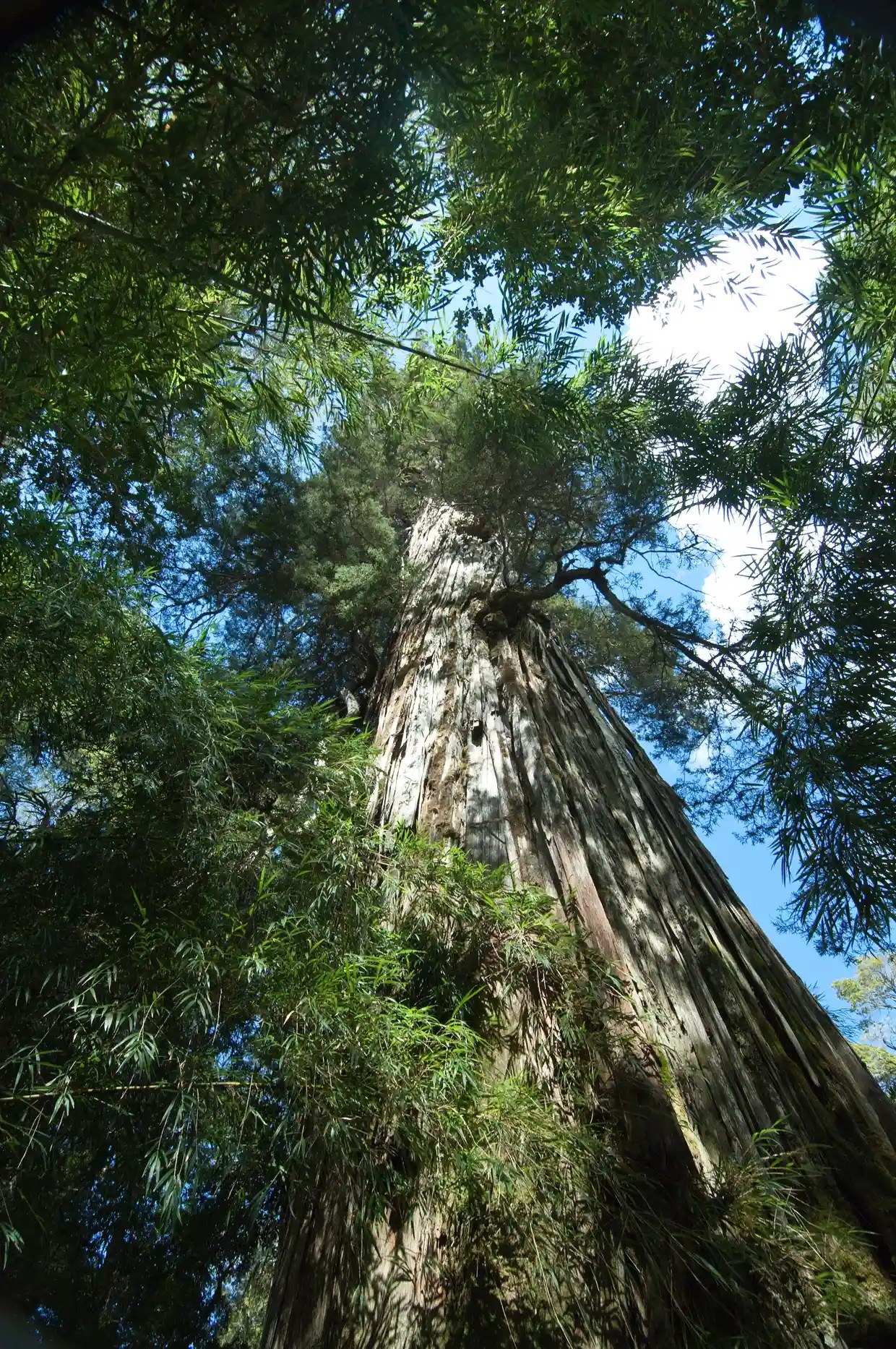
The Gran Abuelo tree in Alerce Costero national park, Chile. Buried alerce trunks can hold carbon for more than 4,000 years. Photograph: Salomón Henríquez

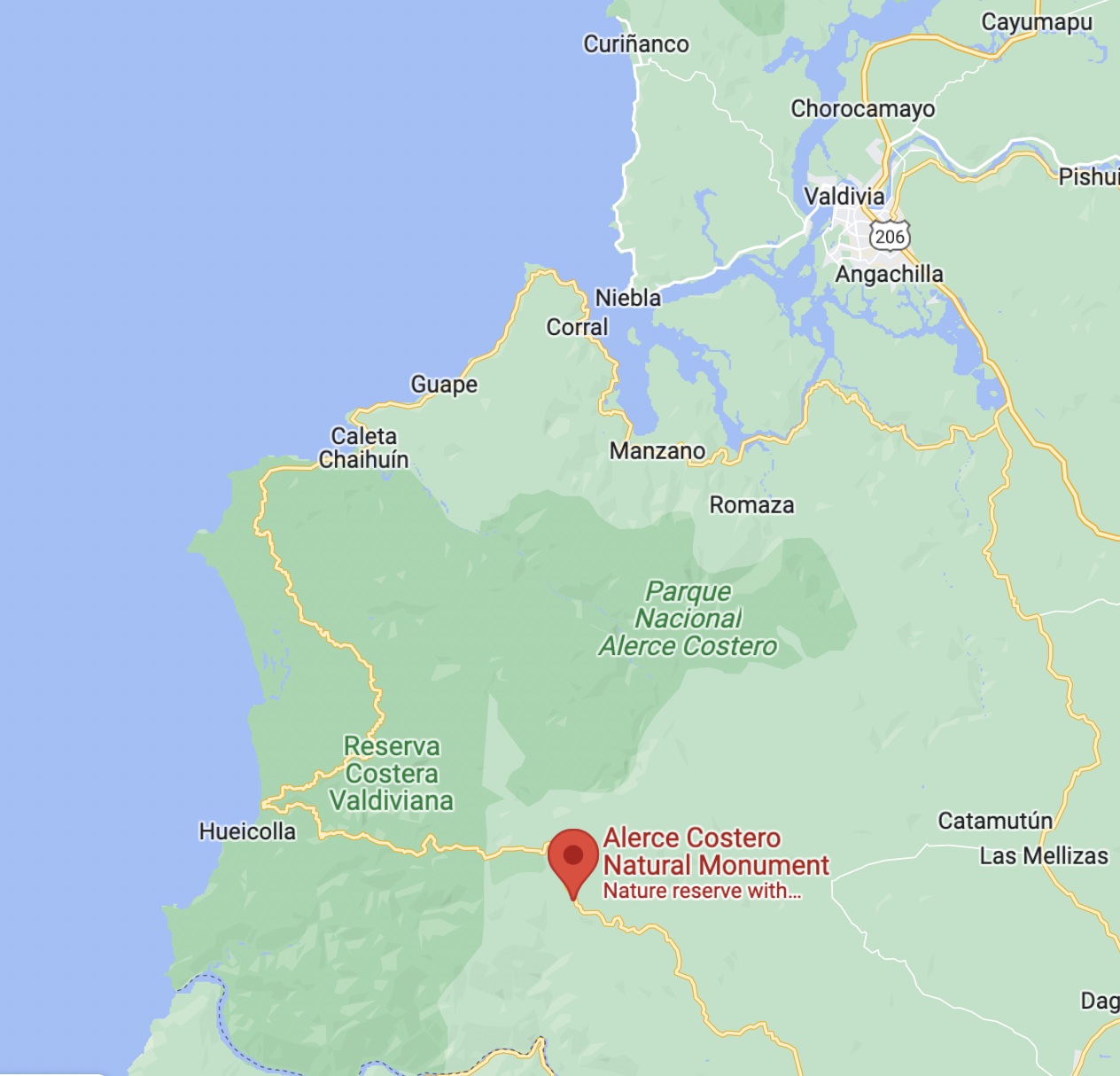
I do not recall whether we saw the tree pictured above, but we certainly breathed in the oxygen it expired. We spent the summer of 2009 in southern Chile, some of it working in the Chaihuin River Valley–a portion of the Reserva Costera Valdiviana co-owned at the time by WWF and The Nature Conservancy. The “Caleta” entrance to Chaihuin can be seen in the map below.

We have also seen the redwood trees in California, distant cousins of the alerce. Spectacular is an insufficient word to describe them, but hours-long visits to redwoods cannot compare to sleeping night after night under alerces. Chaihuin was for our family an immersion into the alerce ecosystem. Although I reserve the word miracle for other types of mysterious phenomena, I have no problem with a scientist using the word in this manner:

Alerce shingle was used as currency by local populations throughout the 1700s and 1800s. Photograph: Krystyna Szulecka Photography/Alamy

‘It’s a miracle’: Gran Abuelo in Chile could be world’s oldest living tree

100ft alerce has estimated age of 5,484, more than 600 years older than Methuselah in California

In a secluded valley in southern Chile, a lone alerce tree stands above the canopy of an ancient forest.

Green shoots sprout from the crevices in its thick, dark trunks, huddled like the pipes of a great cathedral organ, and water streams down its lichen-streaked bark on to the forest floor from bulbous knots in the wood. Continue reading
On Those 20 Quadrillion+ Ants, Again

Ants in Escazu

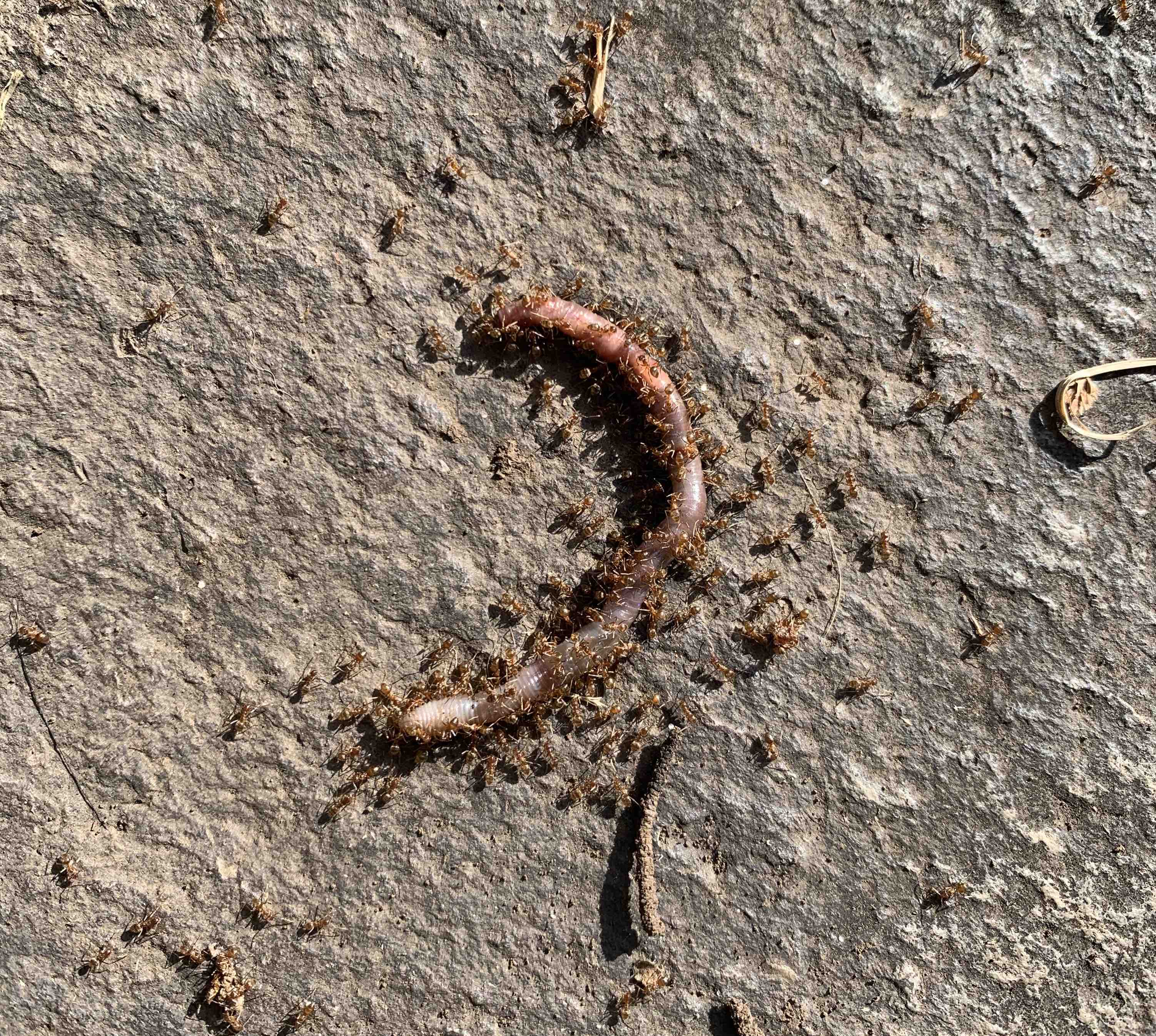
The earthworm in the photo above had been in a bag of soil where a coffee seedling started germinating earlier this year. I was moving the seedling from its small “starter” bag to a larger one, and the earthworm jumped out, wriggling under the nearby supplies I was working with. I did not see it again until it was too late. Since earthworms are good for soil, and we are in the early stages of a soil regeneration project, I was sorry to see the worm lose its life. This particular species of ant is currently everywhere on the property where we are re-planting coffee. I have not seen so many of this type of ant at any point in the last 22 years on this property, and their shocking abundance made me think of that new ant study. Normally we do not repeat sharing of news stories here, unless new information has come to light. It has only been a couple days, but I must share more on the study because my planting work is keeping the subject in front of me, and the photos in this article are that good.

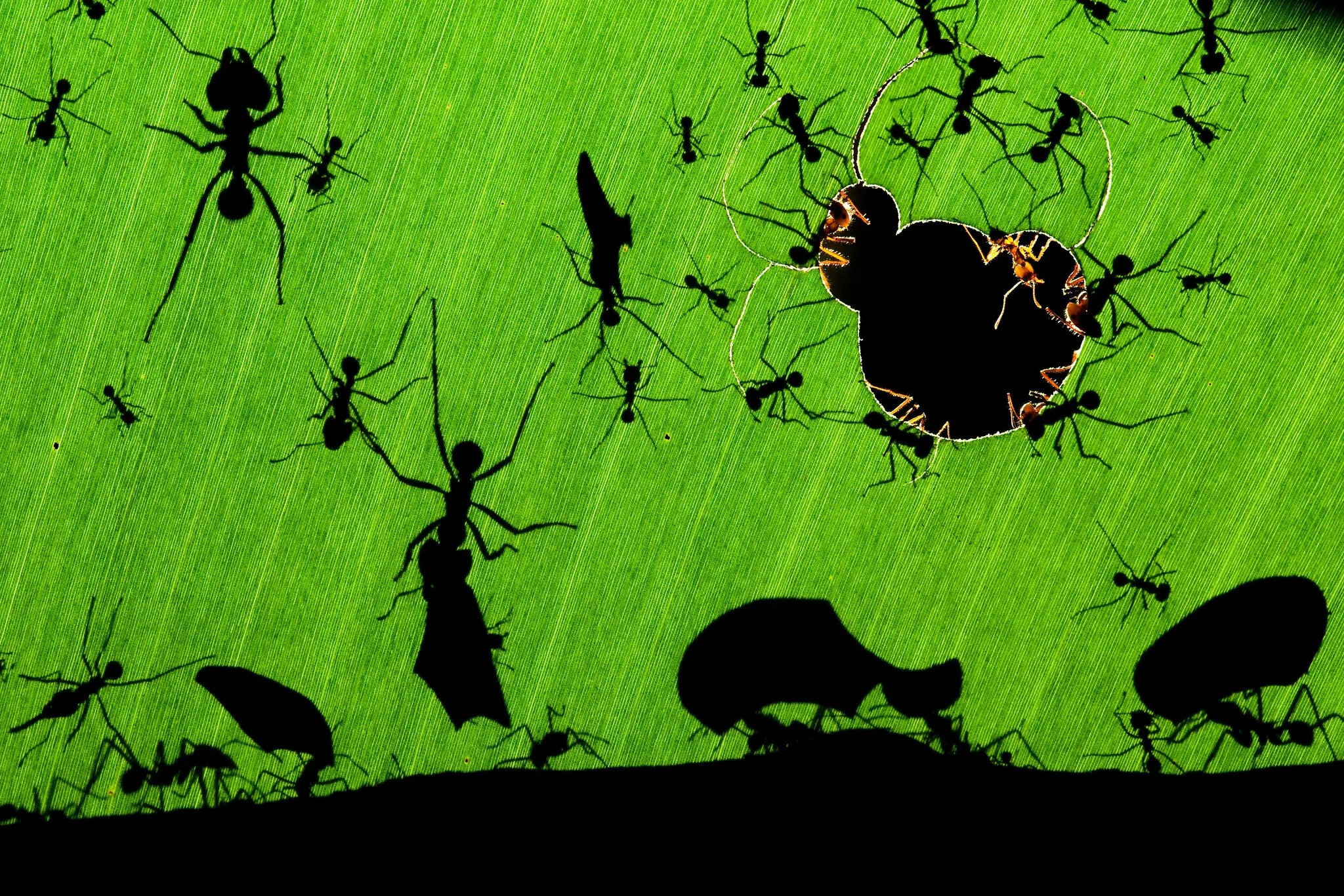
Leaf cutter ants in Costa Rica. The researchers sampled 1,300 locations around the world, estimating ant abundance in different environments in areas such as forests and steppes. Bence Mate/Nature Picture Library, via Alamy

Rebecca Dzombak, who authored this article for the New York Times, will be on our radar from now on:

Weaver ants engaged in teamwork. Sunthorn Viriyapan/Alamy

Counting the World’s Ants Requires a Lot of Zeros

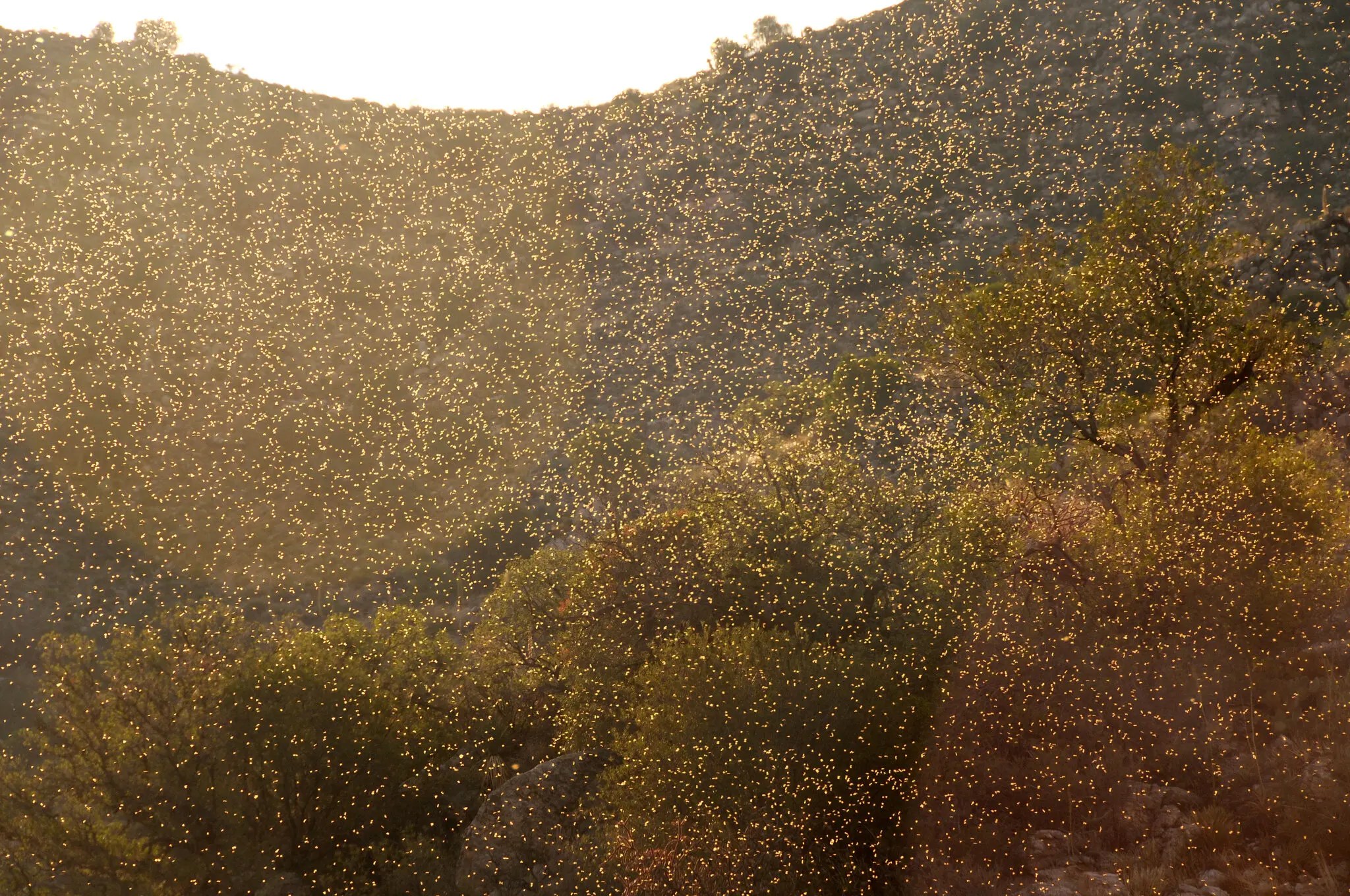
There are 20 quadrillion ants worldwide, according to a new census, or 2.5 million for every living human. There are probably even more than that.

Male leaf cutter ants on the move over the Sonoran Desert in search of females and to make more ants. Norma Jean Gargasz/Alamy

Right now, ants are scurrying around every continent except Antarctica, doing the hard work of engineering ecosystems. They spread seeds, churn up soil and speed up decomposition. They forage and hunt and get eaten. You may not know how much you rely on them. Continue reading