Regeneration, Cecropia & Sugarcane

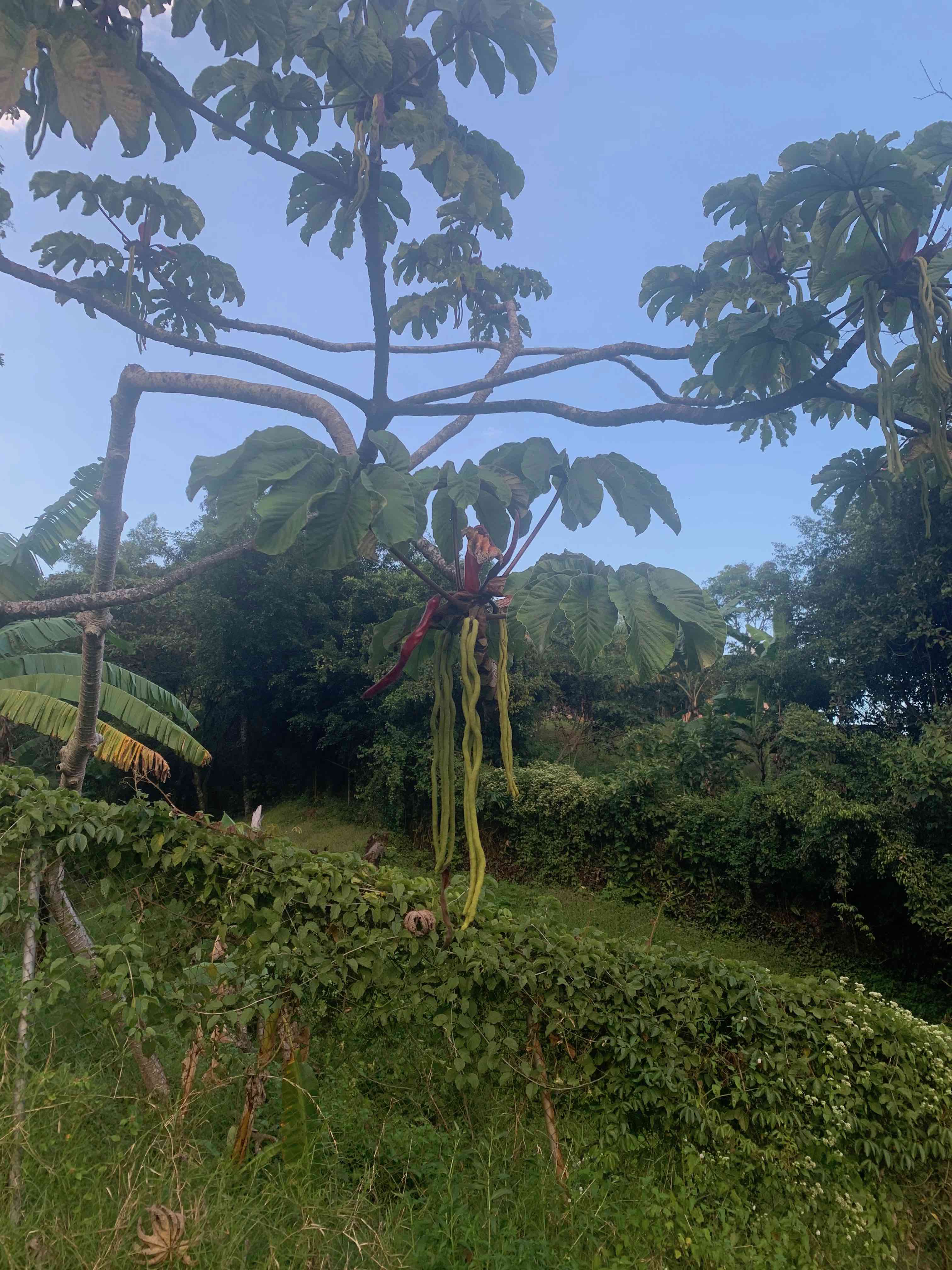
Yesterday, while working on the land we are preparing to plant coffee a few months from now, I noticed that the cecropia trees suddenly have abundant fruit.  I knew that sloths love these trees, but while looking for more information to understand this fruit I learned that bats and birds and other animals also appreciate them for food and nesting material; plus, the leaves and roots of the trees have many uses among indigenous communities in the American tropics.
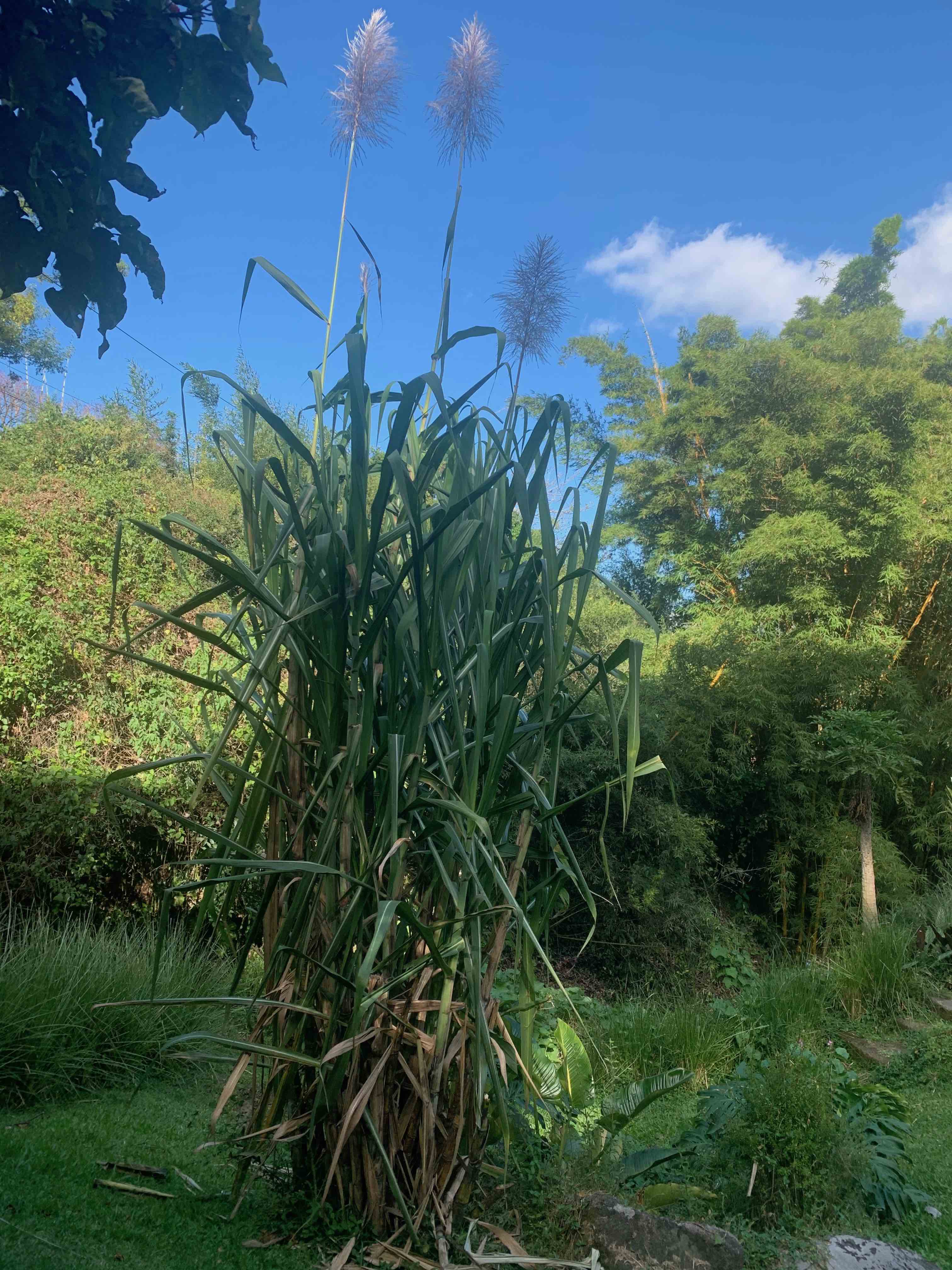
Most of my work recently, now that the poro saplings are planted, is removing unwanted grasses to make way for wanted grasses that help retain soil. One of the grasses planted this year, sugarcane, also surprised me. This plant above, now about one year old, suddenly shot up an extra five feet without my noticing, until yesterday. And the furry, flowery top of the stalks, now visible nearly 20 feet above ground, presumably mean something I will need to read up on. This first stand of sugarcane, which is at the highest point of the land on this property, provided us offspring that we planted along the lowest portion of land, neighboring bananas and plantains that will shade one section of coffee saplings.

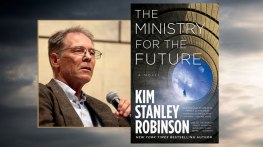
The Ministry For The Future, Reviewed In Yale Climate Connections

Yale Climate Connections is a nonpartisan, multimedia service providing daily broadcast radio programming and original web-based reporting, commentary, and analysis on the issue of climate change, one of the greatest challenges and stories confronting modern society.

Today, within the time I have enjoyed my first cup of coffee, I have made two discoveries: a new (to me) source for stories to share here (click the banner above to go to Yale Climate Connections) and a book review that gets me wondering whether science fiction is a genre I have time for after all (I thought not, but click the image below to go to the review for yourself).

(Kim Stanley Robinson inset photo: Gage Skidmore)

In The Ministry for the Future, his twentieth novel, science fiction author Kim Stanley Robinson creates something truly remarkable: a credible, very-near future in which humans effectively solve the problem of climate change.

Climate lukewarmers may be tempted to interpret this upbeat summary as support for their technological optimism. That would be a mistake. Though it ends well, the story Robinson tells is harrowing.

I first heard about the book yesterday in a conversation with the author:

The most important book I’ve read this year

How climate change will force humanity to rethink capitalism, borders, terrorism, and currency.

That conversation was also a kind of review, but it was not until I looked for more information about the book this morning, and found that review by Michael Svoboda, that I got thinking about the genre of science fiction, and the sub-genre of climate fiction.

One More Reason Why Native Plant Species, Not To Mention Insects, Matter

ENZO PÉRÈS-LABOURDETTE / YALE E360

As the curvy berm we started forming earlier this year, combined with 100+ newly planted trees, transition from wet season to dry season, we have been noticing an uptick in insects. While most of my early life experiences in Connecticut led me to believe that the world (or at least I) would be better off with fewer insects, I now think exactly the opposite. Last Sunday I had my first sighting of a bird (same species as our friend Daniel captured by camera in Guatemala a few weeks ago) that is likely here for some of those insects. That sighting alone would have been enough to convince me that more insects are better than fewer. Janet Marinelli‘s article in Yale Environment360 gives me more to ponder on this topic:

How Non-Native Plants Are Contributing to a Global Insect Decline

The impact of introduced plants on native biodiversity has emerged as a hot-button issue in ecology. But recent research provides new evidence that the displacement of native plant communities is a key cause of a collapse in insect populations and is affecting birds as well.

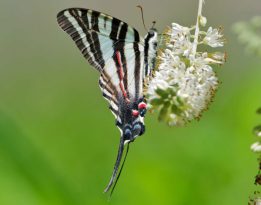
Zebra swallowtails are entirely dependent on pawpaw trees, which have leaves that are the butterflies’ larvae only source of food. COURTESY OF DOUGLAS TALLAMY

For years, Doug Tallamy sounded the alarm about the grave threat that plants introduced from abroad pose to native insects. By transforming native plant communities into so-called novel landscapes increasingly dominated by exotic species on which many insects cannot feed, the University of Delaware entomologist speculated, they imperil not only insects but also the birds and other animals that depend on insects for survival. Continue reading

Olfactory & Gustatory Experiences, Better Understood

Butyric acid gives some cheeses their distinctively strong scent. Alexander Spatari/Getty Images

I had been putting off listening to this interview until I had the proper attention span. During the last two years I have worked to improve my understanding of the relationship between tastes and aromas (aka smells) of coffees, mirroring the work I did to better understand wines back in the day.  My patience was rewarded with a clear conversation that neither dumbed down nor over-complicated the relationship between olfactory and gustatory experiences. It made me think the book will be worth more than the purchase price:

…On why grass-fed beef tastes different than grain-fed beef

It’s absolutely true that the foods that animals eat in order to grow affect the way they taste when we, in turn, eat them as food. And in the case of grass and grain-fed animals, the difference is in the kinds of fat that they take in. So it’s not that we’re actually tasting grass or tasting grain when we detect the difference between the two. It’s actually the fact that the fats — the oils in grass — are very irregular molecules, and they tend to be broken down in the animal into particular fragments that are very characteristic of those original fats and oils. Continue reading

More On The Social Networking Of Trees

On a topic we have posted about at least a few times before, here is the latest science on the ways in which trees communicate among themselves, and with others, accompanied by some phenomenally beautiful supporting photographs (especially the fungi):

The Social Life of Forests

Trees appear to communicate and cooperate through subterranean networks of fungi. What are they sharing with one another?

By Ferris Jabr
Photographs by Brendan George Ko

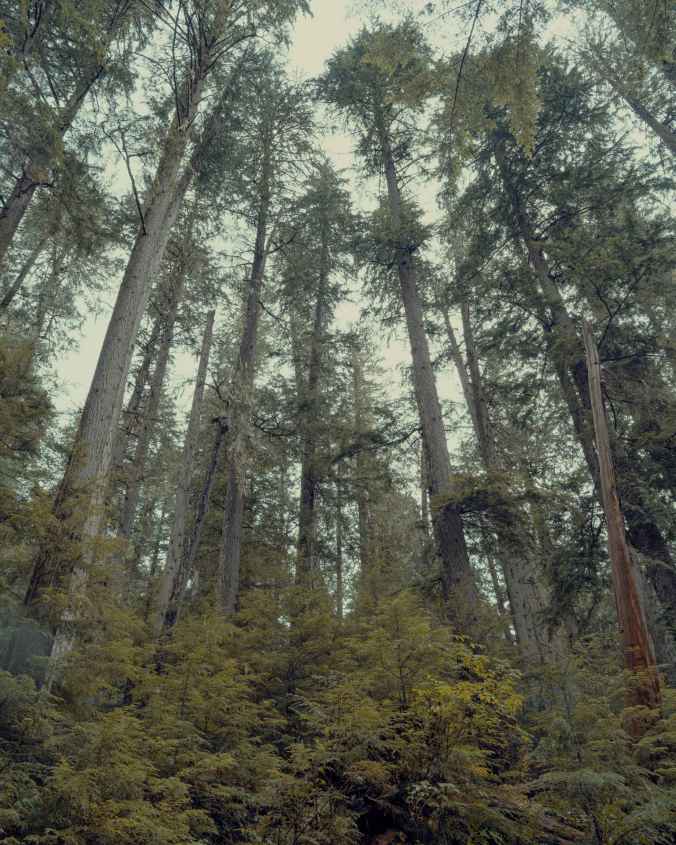
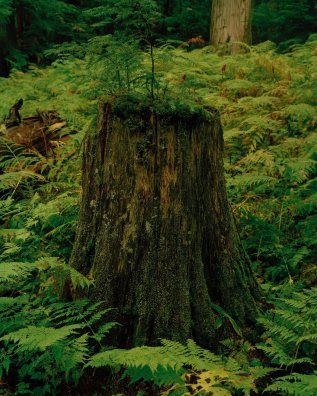
As a child, Suzanne Simard often roamed Canada’s old-growth forests with her siblings, building forts from fallen branches, foraging mushrooms and huckleberries and occasionally eating handfuls of dirt (she liked the taste). Her grandfather and uncles, meanwhile, worked nearby as horse loggers, using low-impact methods to selectively harvest cedar, Douglas fir and white pine. They took so few trees that Simard never noticed much of a difference. The forest seemed ageless and infinite, pillared with conifers, jeweled with raindrops and brimming with ferns and fairy bells. She experienced it as “nature in the raw” — a mythic realm, perfect as it was. When she began attending the University of British Columbia, she was elated to discover forestry: an entire field of science devoted to her beloved domain. It seemed like the natural choice.

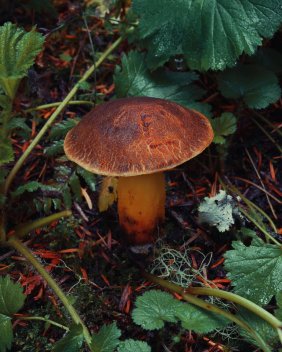
Mushrooms and conks are the fruiting bodies of fungi. Their underground filaments form networks among the root systems.

By the time she was in grad school at Oregon State University, however, Simard understood that commercial clearcutting had largely superseded the sustainable logging practices of the past. Loggers were replacing diverse forests with homogeneous plantations, evenly spaced in upturned soil stripped of most underbrush. Without any competitors, the thinking went, the newly planted trees would thrive. Instead, they were frequently more vulnerable to disease and climatic stress than trees in old-growth forests. In particular, Simard noticed that up to 10 percent of newly planted Douglas fir were likely to get sick and die whenever nearby aspen, paper birch and cottonwood were removed. The reasons were unclear. The planted saplings had plenty of space, and they received more light and water than trees in old, dense forests. So why were they so frail? Continue reading

Parasitism’s Charisma Deficit

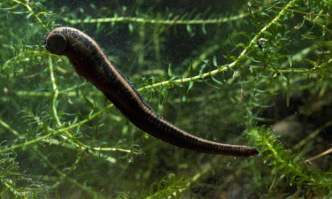
The medicinal leech, Hirudo medicinalis, is one of the few parasites formally protected. Photograph: Stephen Dalton/Alamy

By the time I was welcoming guests to a place where they would experience them in the wild, I had become accustomed to leeches. I did not enjoy feeling them in my hiking boot or elsewhere on my body, but after a few times I stopped being freaked out by it. As unlikely as it sounds, I eventually found them fascinating, if not charismatic. I could appreciate their place in the ecosystem we were working to protect, but I could not bring myself to celebrate them in public. A photograph like the one above would not win them new friends but illustrations like the one below might help. Phoebe Weston’s article about the challenges of protecting parasites rings true:

Overlooked and unloved: how a global project could unlock the world of parasites

The tiny freeloaders may be considered disgusting by many but new research shows they are crucial in shaping ecosystems

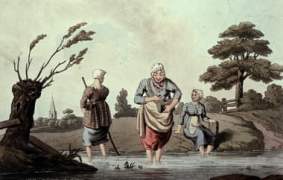
A coloured aquatint from the early 19th century shows three women gathering leeches in a stream. Photograph: Wellcome Collection

The leech craze of the 1800s put parasites on the map. Collectors (usually women and sometimes old horses) would stand in ponds waiting for medicinal leeches to come and suck their blood. They were then picked off and sold for bloodletting.

The parasites were so popular that by the early 1900s they were nearly extinct, and there was a coordinated effort to save them. Even so, the European medicinal leech, Hirudo medicinalishas been labelled as near threatened on the IUCN red list since 1996, and remains one of the few parasites with formal protections. Continue reading

To Catch A Thief, Reformed

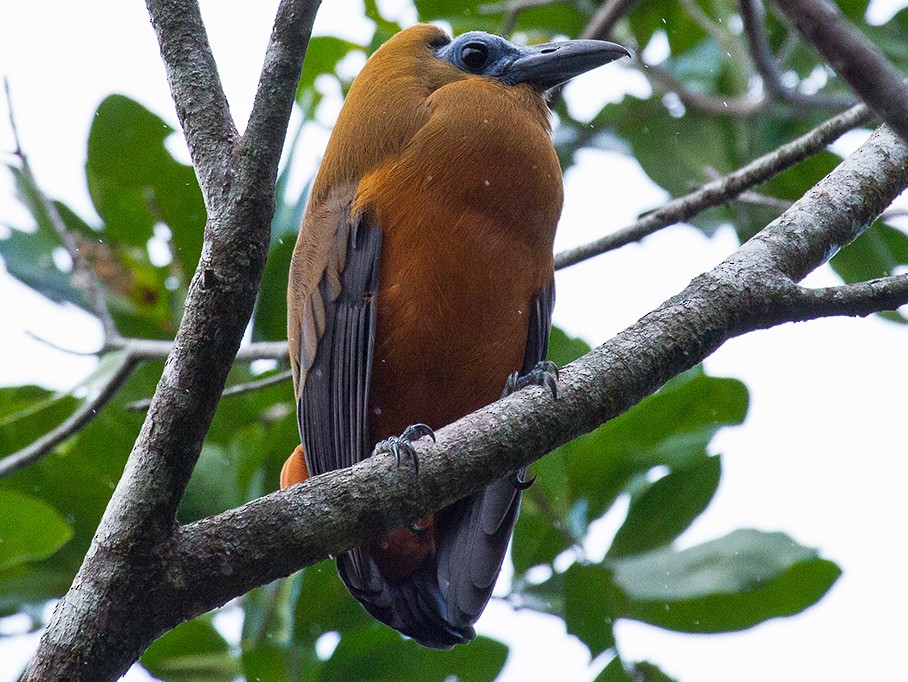
Capuchinbird - Leon Moore

© Leon Moore eBird S34151423 Macaulay Library ML 47998261

The image of the Capuchinbird above is from eBird, which we have written about many times on this platform. Denise Hruby has written a very important account of how birds are taken from tropical wilderness into captivity, who pays for it, and other important details. The bird above is apparently a favorite of one of the most accomplished thieves, and the journalist was astute enough to link to its eBird page.  To catch a feather thief is one thing. To catch a bird thief is altogether more important. To read of the possibility of the thief’s reform, different again and will take time to verify:

He Once Trafficked in Rare Birds. Now, He Tells How It’s Done.

After a chance encounter in Brazil, Johann Zillinger became one of the world’s most prolific wildlife smugglers. Three decades and two prison stints later, he says he has gone straight.

WEIDEN AN DER MARCH, Austria — On a humid evening at the airport in Fortaleza, in northern Brazil, Johann Zillinger, a wildlife trafficker, was keeping a close eye on his new hire. He had recruited the 24-year-old farmhand as a smuggler a few days earlier, promising him a free trip to Europe and $2,000 in cash. Continue reading

Thanks For The Birds

Can you name this bird. Caroline Tompkins for The New York Times

On this day each year, we reflect on things to be grateful for. Today, as tempting as it may be to talk about coffee, I am mindful of how important birds have been in our family. In 2014 I was on the terrace at Xandari with Seth. He was recently graduated from college, where he had worked on an outreach program for school children to get them interested in birds, and birdwatching. Now he was training to manage the type of lodge where birdwatching is an activity, and one of his sidelines at Xandari was guiding birdwatching tours in the forest reserve that was part of the property.

As we sat on the terrace discussing the day’s plan, a young couple and their son sat down for breakfast. I said hello to them, and I asked the boy if he was enjoying Costa Rica. He lit up, and said it was his first morning here, but so far it was great. I asked what was great, and without missing a beat he said, with cheer: the birds woke me up! The conversation that followed was a once in a lifetime pleasure. I asked why he was so happy about that, and he and his parents explained that during the school year that had just ended, his class had been “celebrating urban birds” in Brooklyn, NY. It turned out his class was one of the many that Seth had been doing outreach with during the previous year. I told the young fellow that if he wanted to take a birdwatching tour, I had a recommendation of who could guide him.

I am mindful about birds today thanks to Dan Sinker’s op-ed essay:

The Birds Are Outside

One bird feeder became two, then three. Months passed.

Dan Sinker

Me, my wife, our teenager and our 5-year old, we knew nothing about birds before the lockdown sent us inside in March. Our cramped home was suburban-convenient before the pandemic hit, nestled a few blocks from a school we don’t go in and a train downtown we won’t ride, and now it is just small.

It was a bedroom short and had nothing a person could call work space beyond the dining room table even before it became our entire lives. But it did have windows, sunny and bright in the morning, that looked out on the worn patch of yard just outside so I bought a bird feeder and some cheap seed and mounted it just outside our dining room window. We needed a distraction. Continue reading

The Wonderful World Of Harbingers

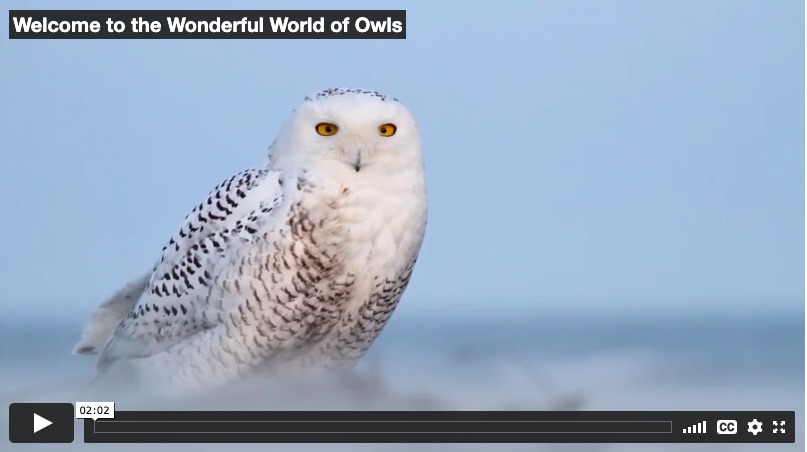
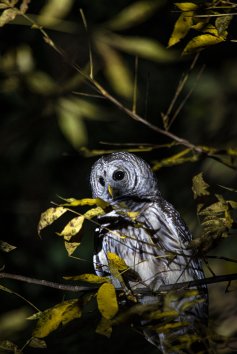
Moments after posting about this owl, an email promoting a course about owls appeared in my inbox. Owls have been considered harbingers in different folk and mythic traditions, none of which I subscribe to. A harbinger event on the computer is now most likely an algorithmic event, where one thing triggered another on purpose. Normally I find those intrusive, at best. But, I get emails from the Lab of Ornithology frequently and this one came a few days after the news of the owl in Central Park. Did they put together this course and promo after seeing the publicity that the Central Park owl was getting? If so, bravo. Quick reaction. Well communicated. Watch the brief video that came in the email and tell me you have no interest:

As creatures of the night, owls can seem mysterious and kind of spooky. Some people think of them as bad omens, harbingers of death. But they can also be symbols of knowledge and wisdom.

Owls have fascinated people for millennia. Everyone knows what an owl is, even if you haven’t actually seen one in real life. They’re instantly recognizable, with their large, round heads, flat faces, and forward staring eyes. We seem to be drawn to them because they resemble people. They’re definitely birds, but they also kind of look like us…

Some people are interested in learning more about birds, others are not, but this lesson plan sounds like a good one for starters: Continue reading

Winged Victory Of Central Park

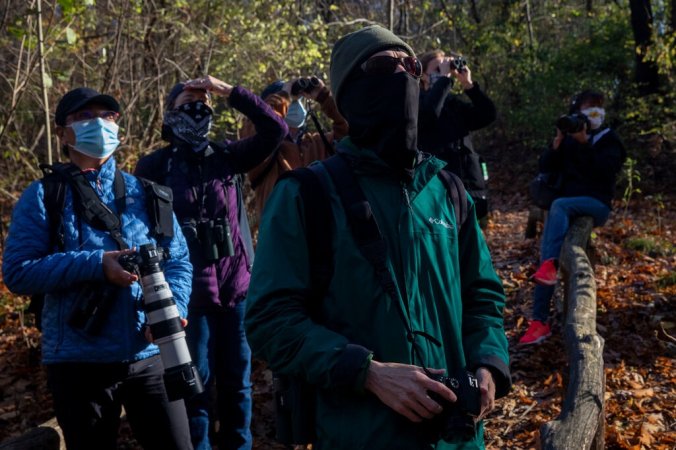
Barry’s fans, in the North Woods of Central Park. Dave Sanders for The New York Times

Two years ago when a mandarin duck caught the attention of New Yorkers, and others with avian interests, I was struck by the diversionary value. Now, even more than then, winged diversion is welcome. This one provided me a diversion within a diversion. A sculpture dedicated on a Greek island more than two thousand years ago honored a victory, and the sculptor chose the goddess of victory to represent that honor. At that time, the goddess was always depicted with wings. If victory has been on your mind lately, you might see this owl as a harbinger.
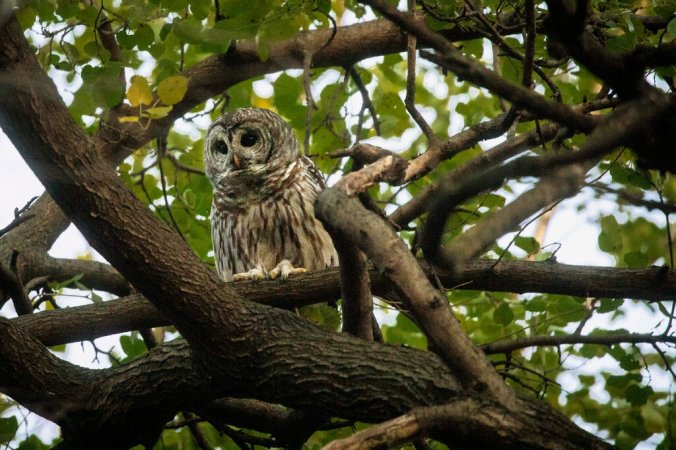
Barry the Barred Owl is New York City’s bird of the moment. Dave Sanders for The New York Times

That’s up to you. Even without thinking of victory, a good owl photo is always a welcome diversion. The photograph by Joshua Kristal (click the image below to go to his Instagram feed) is particularly well composed. My thanks to Lisa M. Collins for this story:

‘I Had to See That Owl’: Central Park’s New Celebrity Bird

New Yorkers are so obsessed with Barry the barred owl that some are concerned he could be scared away. So far, he seems to like the attention.

Joshua Kristal finally got to see (and photograph) Barry during a Birding Bob night tour through Central Park earlier this month. Joshua Kristal

It was late afternoon in the North Woods of Central Park, and the sun was setting fast. Joshua Kristal, a photographer with a penchant for birds, was starting to feel despondent as he searched along the creek, looking for any movement. This was the third time he’d traveled more than an hour from Brooklyn to see Manhattan’s newest celebrity bird: an ethereal and majestic barred owl.

Currently known as Barry, the owl has intense black eyes and elegant poufs of white feathers streaked with brown and gray. He looks like a perfect stuffed animal from a high-end toy store. But Barry is also unusual. Though owls are typically nocturnal, he makes regular daytime appearances, and has become something of a performer. Practically vogueing, he stares, preens and swoops into the shallow stream to wash and flick his feathers. Barry will turn his head 270 degrees right and left and up above to check for his archenemy, the hawk. He plucks chipmunks with his talons and devours them, seemingly unfazed by adoring fans and the paparazzi, many of whom have already made him Instagram-famous. Continue reading
Organikos, Sophomore Year

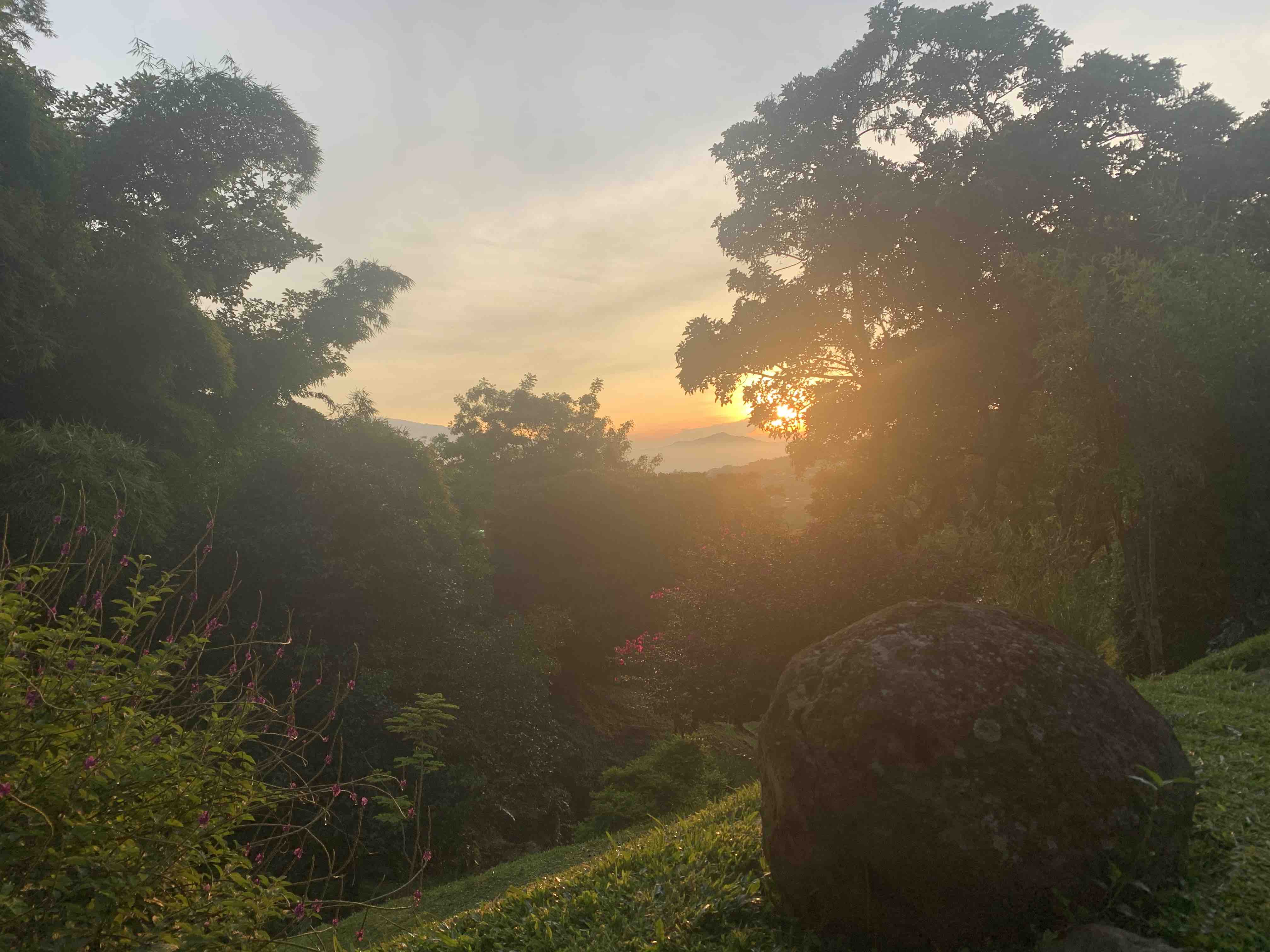
Getting to one trillion trees planted will happen one tree at a time, requiring many helping hands in many places. The round hunk of granite in the photo above reminds me each day that even with a good plan and strong motivation, hurdles are always on the horizon. This morning, as hurricane Iota moves on from Central America, and we can see that the sun still rises in the east, Organikos is now in its sophomore year. Freshman year started auspiciously enough with the Brunca farm visit that completed our selection of one dozen coffees to offer in the Authentica shops.

Our first hurdle came when Costa Rica’s airports closed in March of this year. By the time they partially re-opened in August we were already jumping the hurdle. Our mission is to plant as many trees as we can. On the land that Organikos has right now, that means a few thousand trees. And we are well on our way to completing that mission based on sales during freshman year, hurdle notwithstanding. Many have been inspired to pivot and selling online is not our course correction. Organikos will continue its plan to acquire more land to regenerate more bird habitat; that will require exponential growth, relative to freshman year. We are also now planning to allocate funds for regeneration on land owned by others, leveraging currently limited resources into more trees planted. We will announce the first collaboration in these pages pronto.

Does Planting A Trillion Trees Sound Implausible?

A nursery manager plants a whitebark pine at Glacier National Park in Montana in September 2019, part of an effort to restore vegetation following a wildfire. (Chip Somodevilla/Getty Images)

Here in Iota-drenched Costa Rica there is damage from this hurricane and from the one that just ended a week earlier, but it is minuscule compared to what Nicaragua and Honduras have sustained. If you are scientifically inclined, then two complementary ideas are easy to digest: 1) the people suffering most from the effects of climate change are among the least responsible for causing it; and 2) they live in places that may be best-suited for mitigating it.  For our part, planting trees when coffee is purchased is a drop in the ocean of need. A story we missed from a few months ago gives some hope that this particular idea has a future:

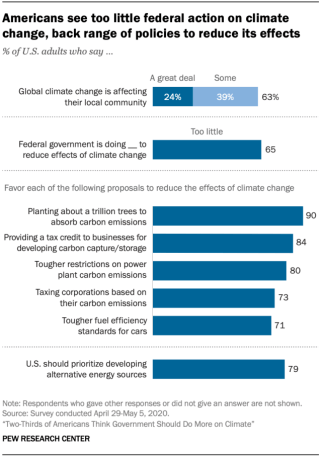
Two-Thirds of Americans Think Government Should Do More on Climate

Bipartisan backing for carbon capture tax credits, extensive tree-planting efforts

A majority of Americans continue to say they see the effects of climate change in their own communities and believe that the federal government falls short in its efforts to reduce the impacts of climate change.

At a time when partisanship colors most views of policy, broad majorities of the public – including more than half of Republicans and overwhelming shares of Democrats – say they would favor a range of initiatives to reduce the impacts of climate change, including large-scale tree planting efforts, tax credits for businesses that capture carbon emissions and tougher fuel efficiency standards for vehicles, according to a new Pew Research Center survey. Continue reading

Changing Seasons In Escazu, Changing Climate All Around

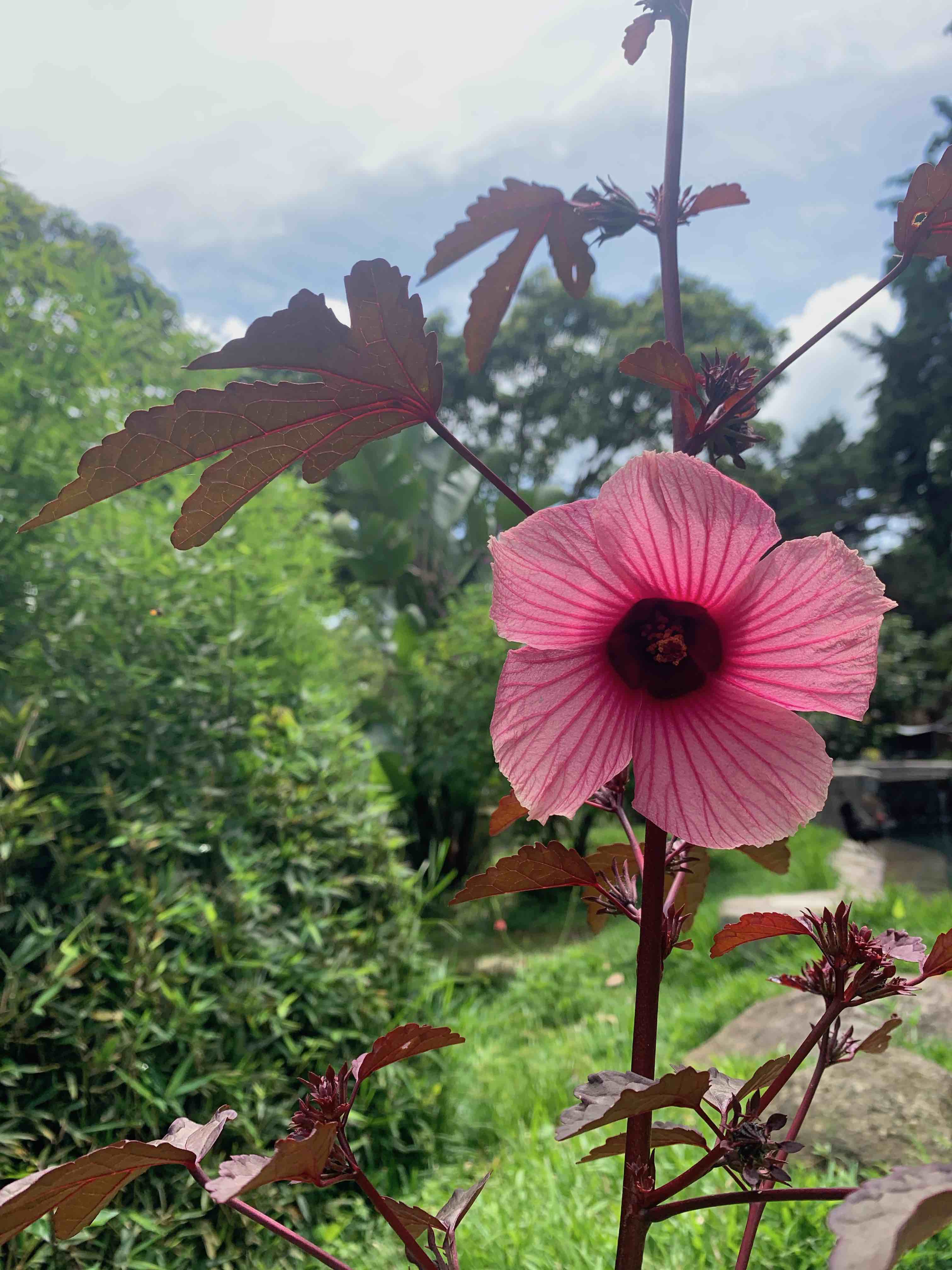
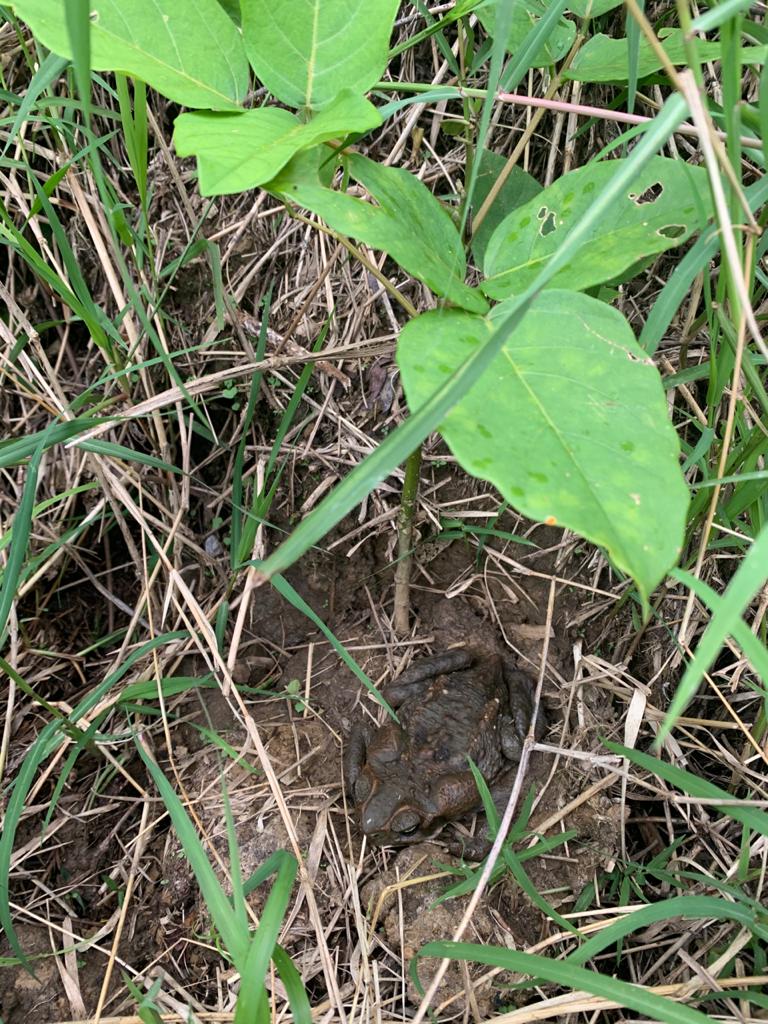
The plant in the photo above, called Rosa de Jamaica, which looks like hibiscus but is not, grew from a small cutting gifted by friends on the other side of the mountain where we live. After a few weeks in the ground it is doing well. In the photo below you can see one of the poro saplings we also planted a couple week ago, already home to what counts as charismatic wildlife in our family.

When we started to prep the land in order to restore an abandoned portion of an old coffee farm, seeds were just then falling from the poro trees that are essential to the plan. It is heartening to see how quickly the animal kingdom responded. The dry season normally starts this month, but we are expecting more rain from yet another Greek-named hurricane hitting the isthmus this week. Seasonal change, meet climate change.

A Classic Dish, A Keeper

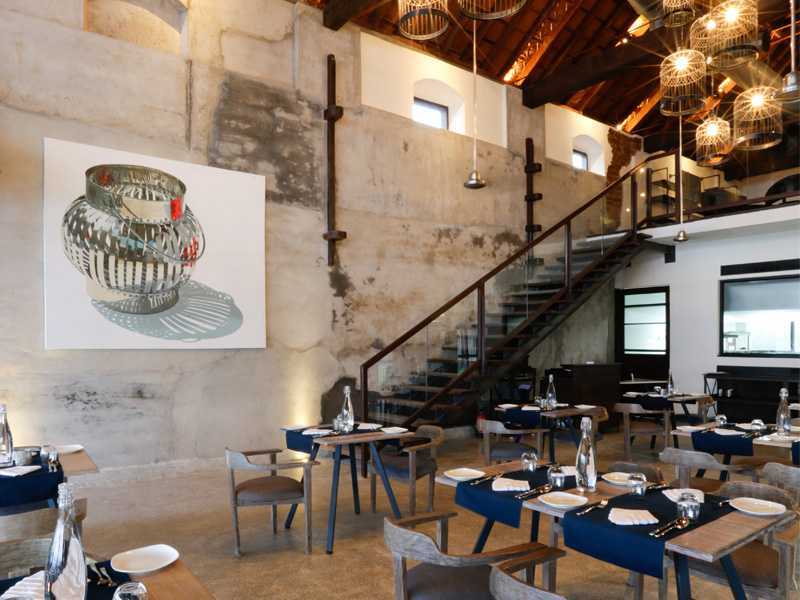
Restaurant 51, Xandari Harbour. Photo Credit: Architectural Digest India

The photo to the right shows an interior view of the restaurant we named 51, one of our favorite accomplishments of seven years working in Kerala, India. The painting on the wall shows a traditional onion keeper, and it came to mind when I read these lines in a recipe-essay by Gabrielle Hamilton:

Photograph by Heami Lee. Food stylist: Maggie Ruggiero. Prop stylist: Rebecca Bartoshesky.

…and, of course, the onion tarts. We were steeped in his cooking and his thinking, and it was an excellent exercise to prepare the dishes of a long-ago iconic restaurant, and to see whether they stood the test of time without becoming museum pieces. Every one, especially the onion tart, was still pitch perfect….

The notion of “not becoming museum pieces” is the evocative part of the essay. Envisioning what 51 should look like, as with the entire exercise of developing Xandari Harbour, we constantly repeated that our goal was to be respectful of history without being a slave to it. By which we meant we wanted the heritage to be clear while also showcasing the new directions of Kerala’s culinary culture. And with all due respect to museums, this was to be a lively eatery.

The recipe-essay stirred another memory, from 1988. We celebrated the second anniversary of our marriage by having dinner at Lutèce. Somewhere in our stored papers is the menu from that evening, signed by André Soltner. Having worked for a chef who inspired me to see a lifetime career in hospitality, this dinner was a perfect mark on the map moving in that direction.

Authentica & Sense Of Place

After completing our work in India and transitioning home to Costa Rica in late 2018, two properties came back to the forefront of my attention. The property above is set on a coffee estate in the Central Valley and the one below is set on a Pacific beachfront property that is 90 minutes from the Central Valley property. I knew both properties during their original construction and opening phases and ever since then believed that these were among the most special Marriott properties in the world.

They were going through renovations that started in 2018 and were to be completed in late 2019. My attention was drawn by a creative new focus on sustainability, the tiniest of examples being this one. Another example was that they invited proposals for how the gift shops in both hotels might be managed differently going forward. We submitted a proposal–with a focus on locally produced and design-forward products–and it was chosen for implementation. The rest is history that I have written about plenty in the last year.

Authentica has started its second year of operation, and Costa Rica has just re-opened its borders to receive international visitors again. These two Marriott properties have transformed operations to ensure maximum safety in response to the global health concerns. Our shops have transformed accordingly, and yet our original intent is as strong as ever: come in and sense the place.

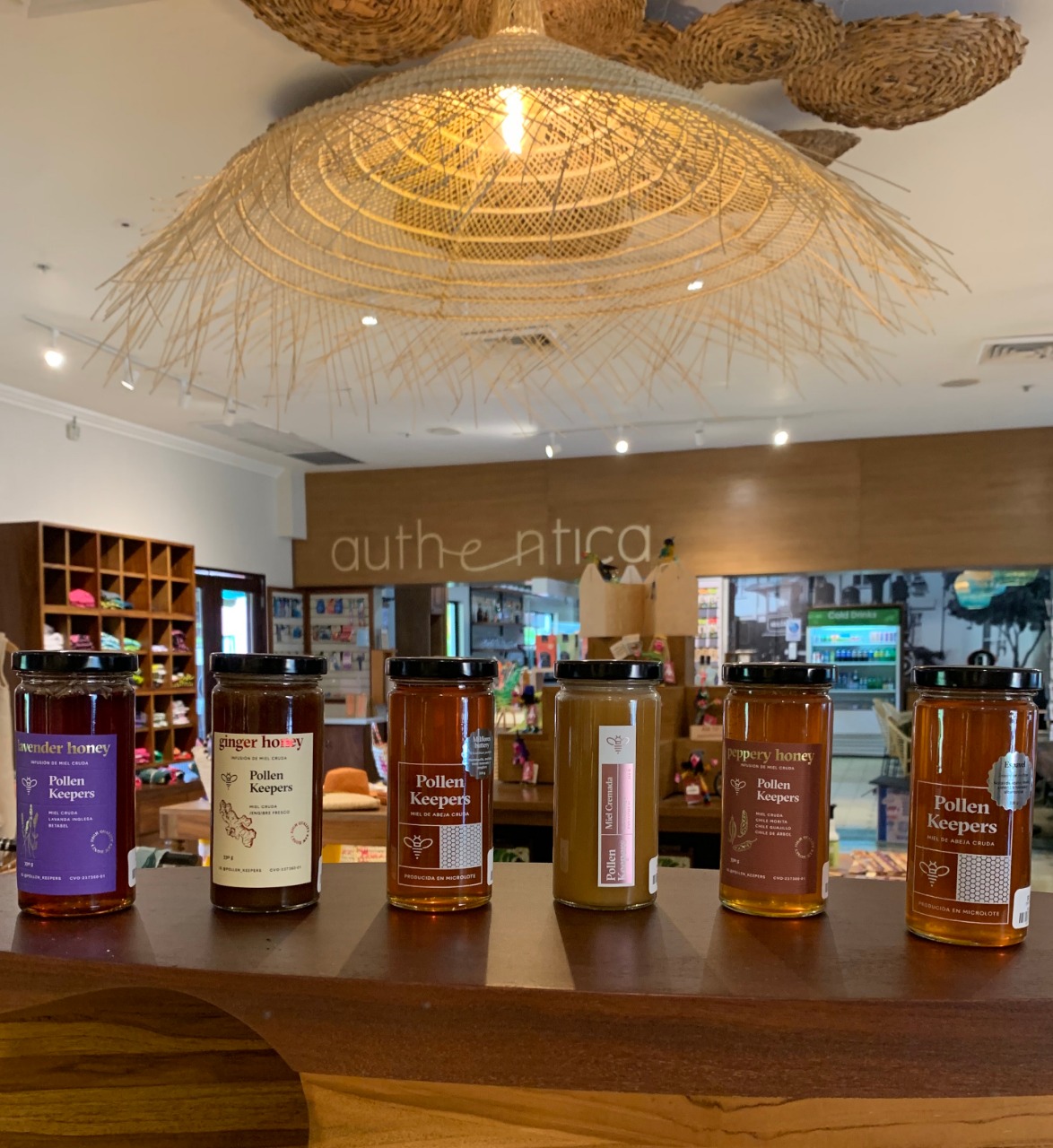
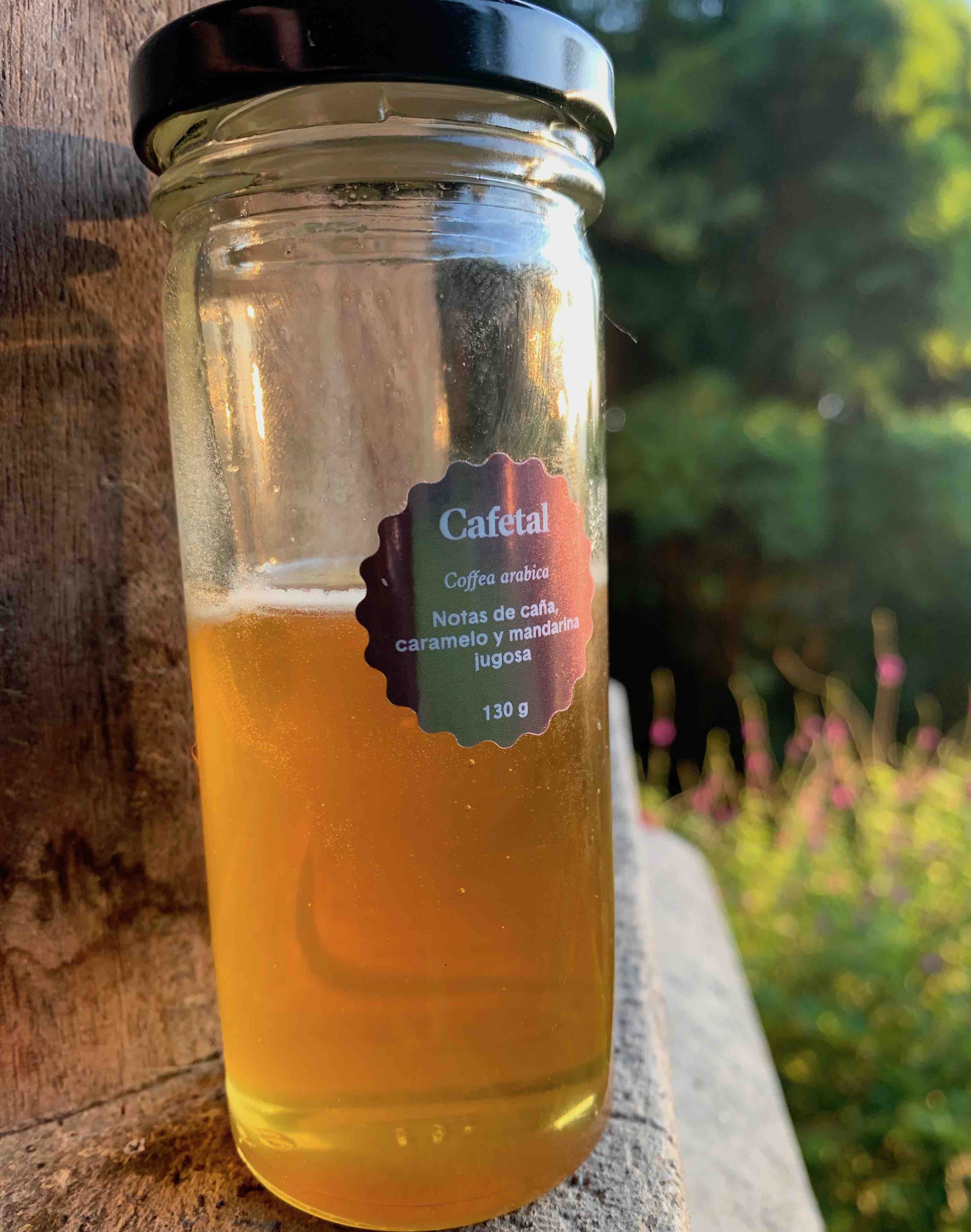
Organikos coffee, our best-selling “taste of place” product, was joined in both shops last week by another way to sense the terrain of Costa Rica’s various regions. Pollen Keepers is a small family business whose bee colonies are placed to capture unique characteristics of a location. One of those is a coffee farm, and the honey produced there is unlike any I have had before. I am still learning the vocabulary for tasting notes for honey, which we have been sampling in recent weeks at home, so will keep it simple: Cafetal is my favorite, so far.

Simile, Smile, Citizen Science & Civil Society

Michael Bohmeyer, center, riding his bicycle in the office of “My Basic Income,” the website he founded to provide a monthly basic income for 600 randomly selected people. Moving helps him think, he said. Lena Mucha for The New York Times

In the fifth paragraph of this article, which I started to get a better understanding of the European approach to universal basic income, my attention was caught by a simile:

“We have a lot of ‘citizen scientists’ counting birds, and giving the data to scientists. This is like that, but for civil society.”

Since we have featured so many stories and articles about bird-focused citizen science, the simile caused a smile. Continue reading

The Language We Use To Know About Plants

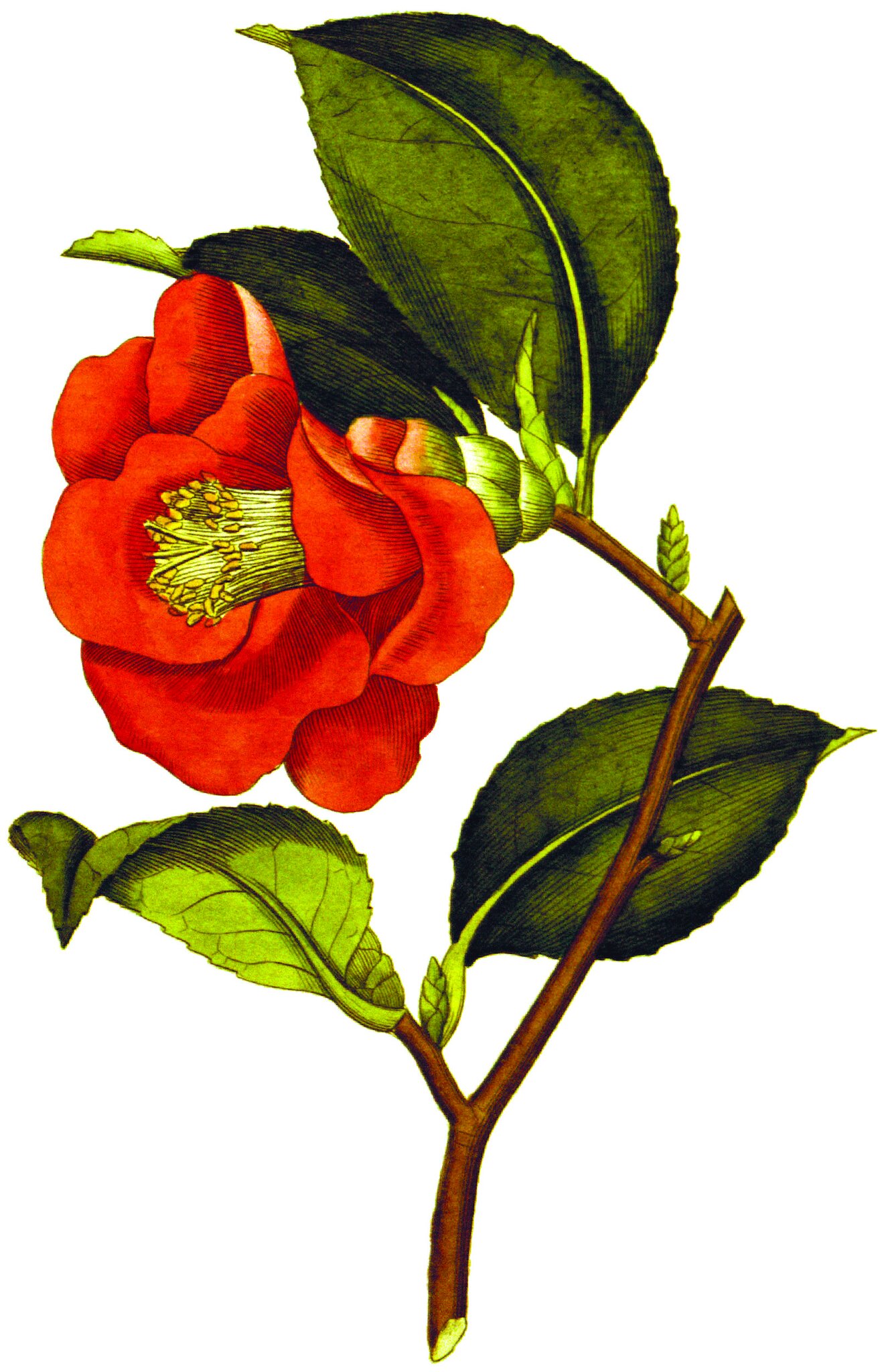
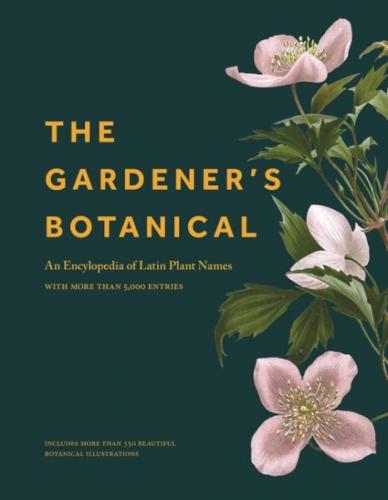
Like Magnolia, Begonia, Iris and a few others, the genus name Camellia has been assimilated into English, rather than having a common name assigned to it. “A handful of iconic garden plants have names that are easy to pronounce and spell, and are so widely used that they’re devoid of dread,” said Ross Bayton, the author of “The Gardener’s Botanical: An Encyclopedia of Latin Plant Names.” Drawing from “The Gardener’s Botanical.”

Thanks to Margaret Roach for this review, whose subtitle–Latin might seem like an obscure, inscrutable language for naming plants. But it can open up the botanical world in ways you can’t imagine–is its central recommendation. Things I can’t imagine, maybe especially when I need to make a Plan B for planting, are a welcome resource these days. As always, if you decide to acquire this book and can do so from an independent bookseller you will be doing the world a favor:

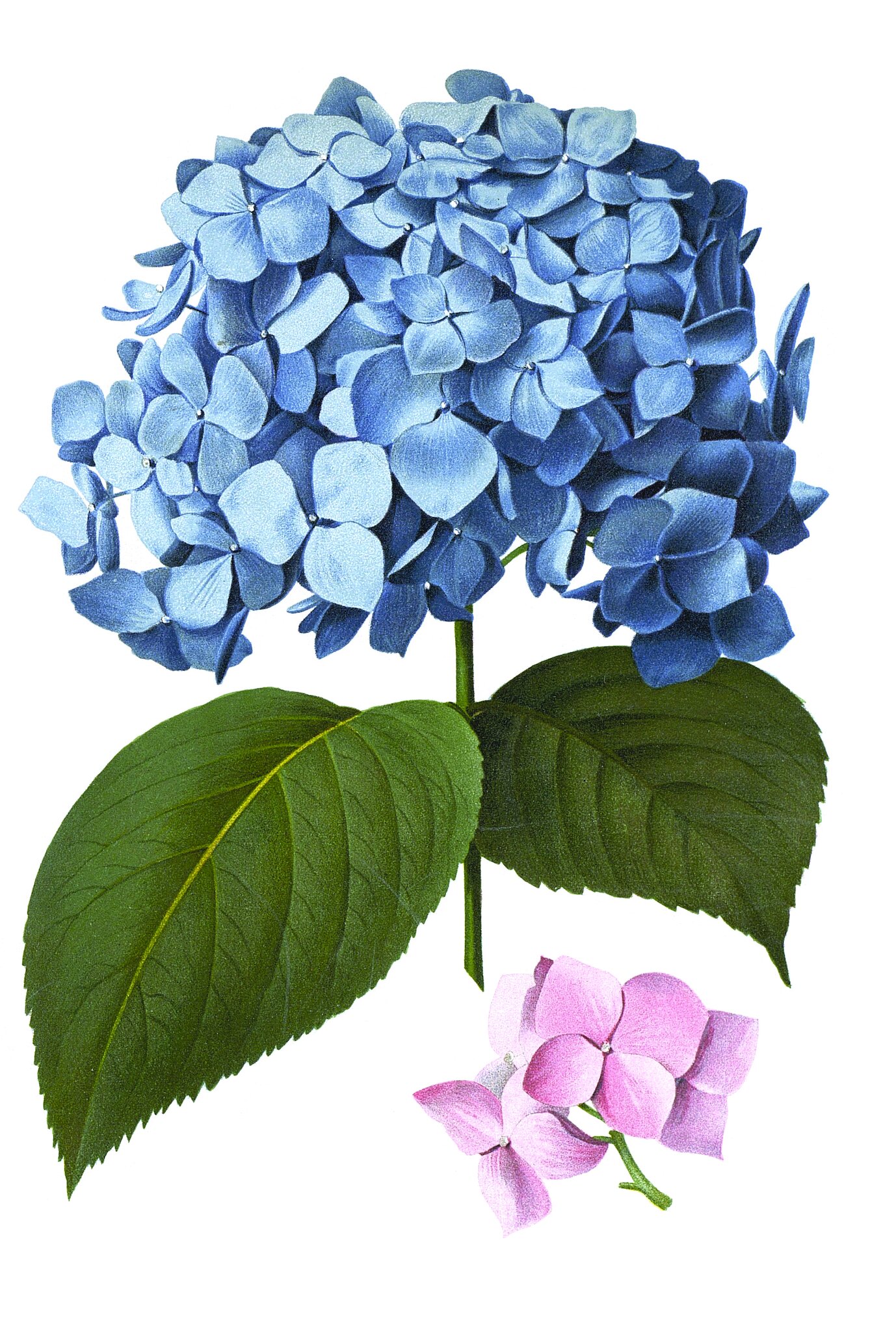
Simply knowing a plant’s genus, such as Hydrangea, doesn’t tell you the whole story. The second word in the botanical Latin binomial — the species name or specific epithet modifying the genus — offers further clues, perhaps describing the plant’s place of origin or its appearance. In the case of Hydrangea macrophylla, it means big leaf. Drawing from “The Gardener’s Botanical.”

The plants are trying to tell us something — if only we’d learn their official language, botanical Latin.

“I am the Allium with just one leaf,” says Allium unifolium. (Get it?)

“I am the juniper that carpets the ground,” says Juniperus horizontalis (whose alternate name, Juniperus prostrata, nails its appearance, too).

And Aster alpinus chimes in: “My ancestors hailed from above the timber line — you know, like, the Alps. I won’t appreciate some sodden, clayey spot in your garden.”

Not all plant names offer such easy clues about traits like appearance, preferred conditions or place of origin. Continue reading

Character & Entrepreneurial Conservation

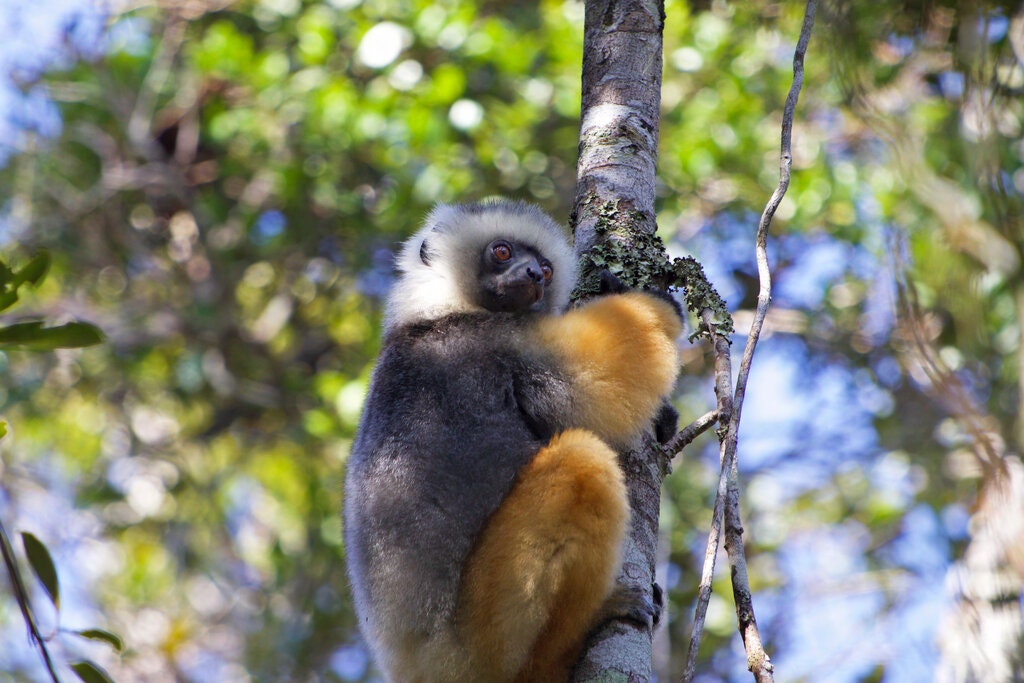
A diadem sifaka, a type of lemur, in northern Madagascar. Erik Vance/The New York Times

Erik Vance, whose work I have not seen in more than three years, caught my attention again this week. Then it was in National Geographic and from my perch in Belize his story had an obvious connection to my location. This story, in the New York Times, is read from a perch in Costa Rica. My perspective, as ever, is influenced by the search for examples of entrepreneurial conservation. I am happy to read about this one full of interesting characters, in a country I have yet to visit, where there is resonance with some of my experience in Costa Rica. Creative people, knowing that the country’s public conservation commitments have their limits, achieve remarkable conservation goals through private reserves that add to the public good. The section describing a small park with big potential could have also been written about Seth’s workplace last year:

In Madagascar, Endangered Lemurs Find a Private Refuge

Climate change is shifting the habitats of endangered species and requiring conservation scientists to think outside traditional park boundaries.

Sambava, Madagascar — Madagascar has always been one of the best places on Earth to study the natural world. Continue reading

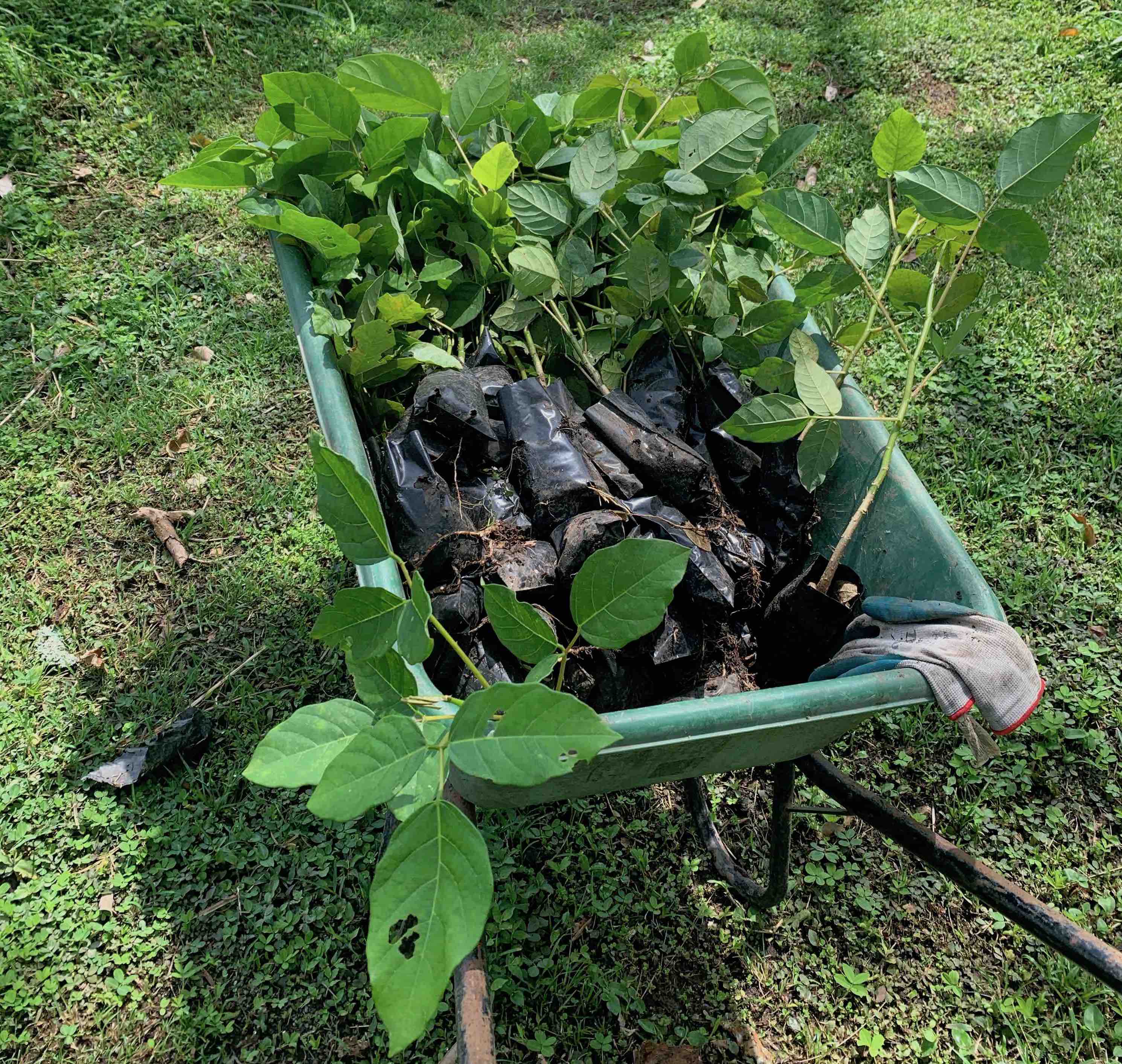
From Seedlings To Saplings in 90 Days

PoroSeedlings

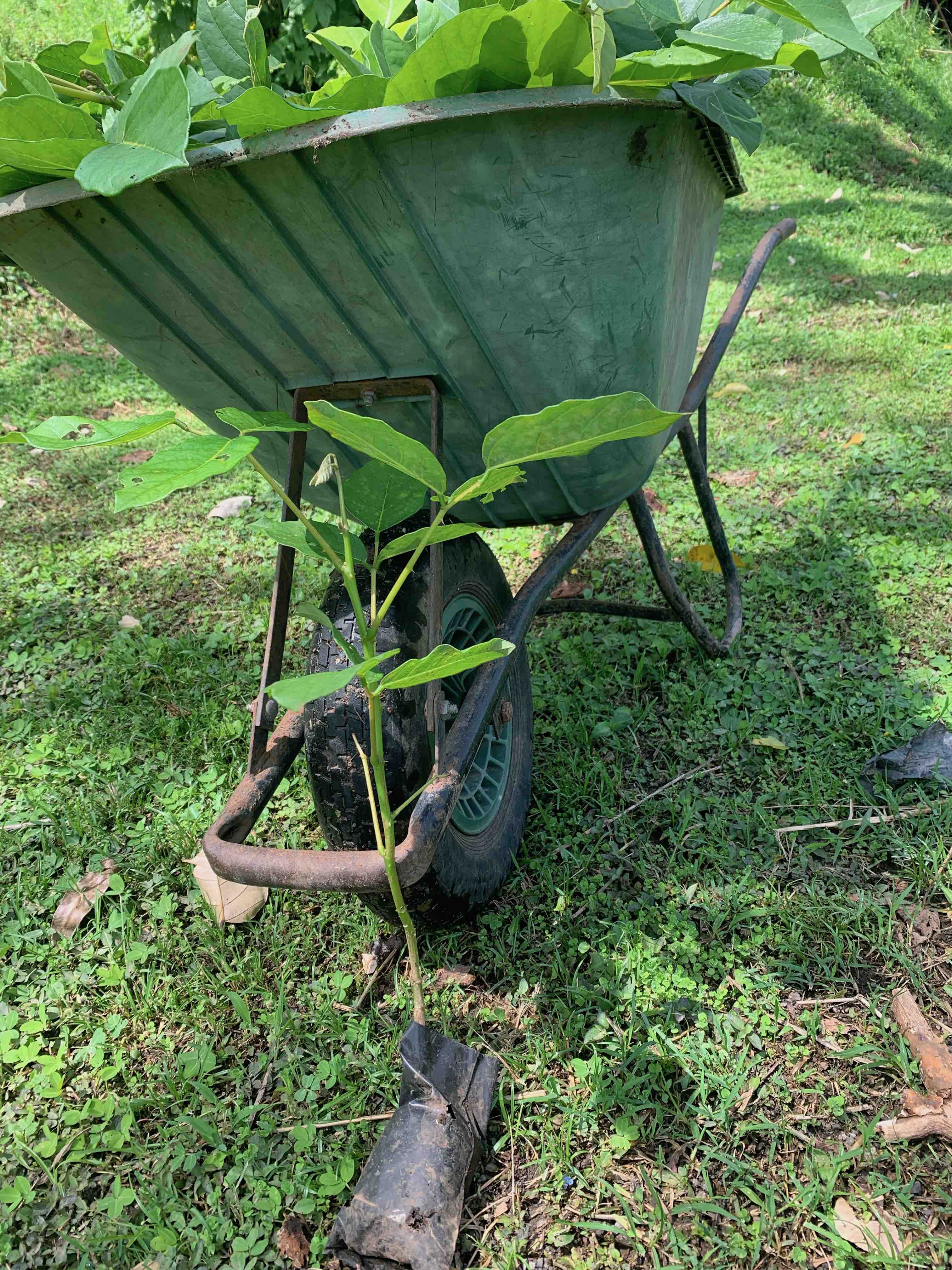
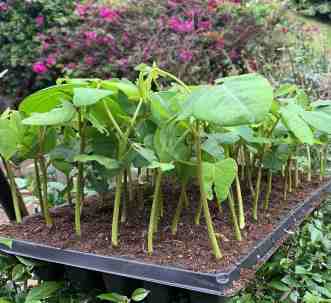
Last mention of poro tree seedlings was three months ago. We are regenerating bird habitat by restoring a portion of an erstwhile coffee estate.

Those six-inch seedlings have become two-foot saplings over the three months since that post. Yesterday we started planting those. 60 so far.

If You Can, Consider Buying Your Books From An Independent Bookstore

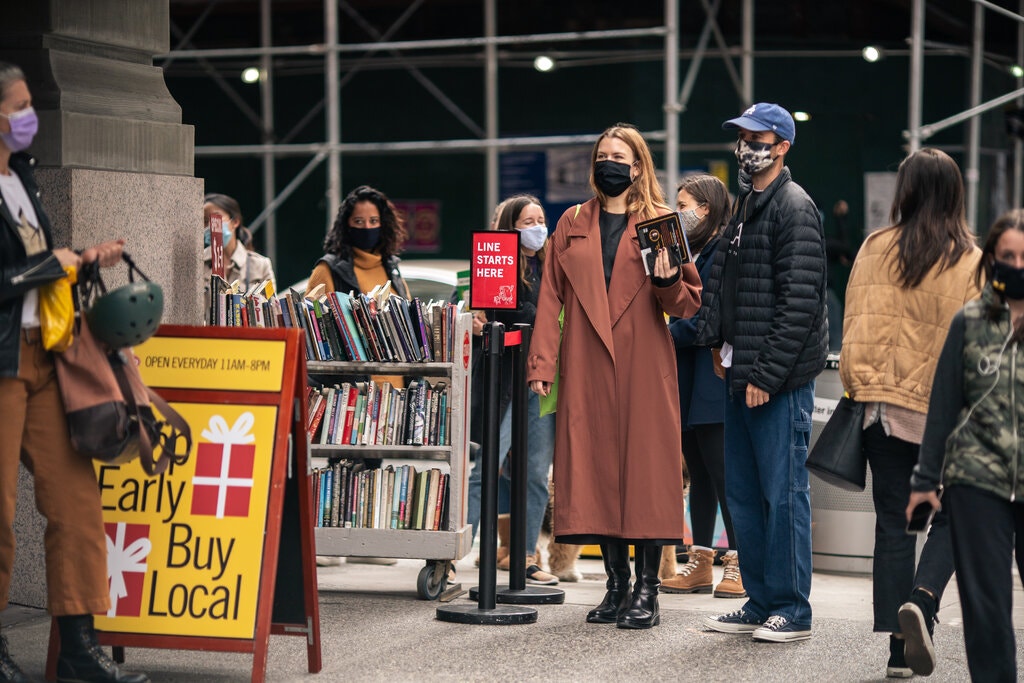
Shoppers waited to enter the Strand on Sunday after the bookstore said its business “had become unsustainable.” Jeenah Moon for The New York Times

Books and the love of books have been a constant theme since early posts on this platform. Likewise, libraries are in these pages frequently due to their important and sometimes essential role to communities; and of course librarians can change lives. Bookstores, cultural institutions in their own right, show up plenty in our pages. The Strand has not, even though it has multigenerational resonance in our family. Today it is newsworthy for complex reasons. The title almost says it all. Book lovers respond, for reasons that all our other posts about books and book places hint at. For me the subheading has the word that caught my attention. While book lovers and bookstore lovers respond to this shop’s call for help, some of the shop’s resources were invested awkwardly (I have hinted at such awkwardness plenty of times). When an independent bookseller is an option, consider the value they represent. Meanwhile, thanks to Sean Piccoli and Elizabeth A. Harris for this:

The Strand Calls for Help, and Book Lovers Answer

“It’s awkward because the track record for the ownership here is not great,” one customer said. “But it’s also an institution. My parents shopped here.”

For months, the Strand bookstore in downtown Manhattan, from its fiction stacks to its cookbook section to its rare books, has been nearly deserted. But on Sunday, half an hour before the store was scheduled to open, about a dozen people lined up in the cool fall breeze, waiting to get inside. Continue reading