As we work to improve the soil in advance of planting thousands of coffee seedlings in a few months, we appreciate a video like this one as a tool for explaining what we are doing, and why. Thanks to Phoebe Weston for bringing this to my attention.
Biodiversity
To Catch A Thief, Reformed
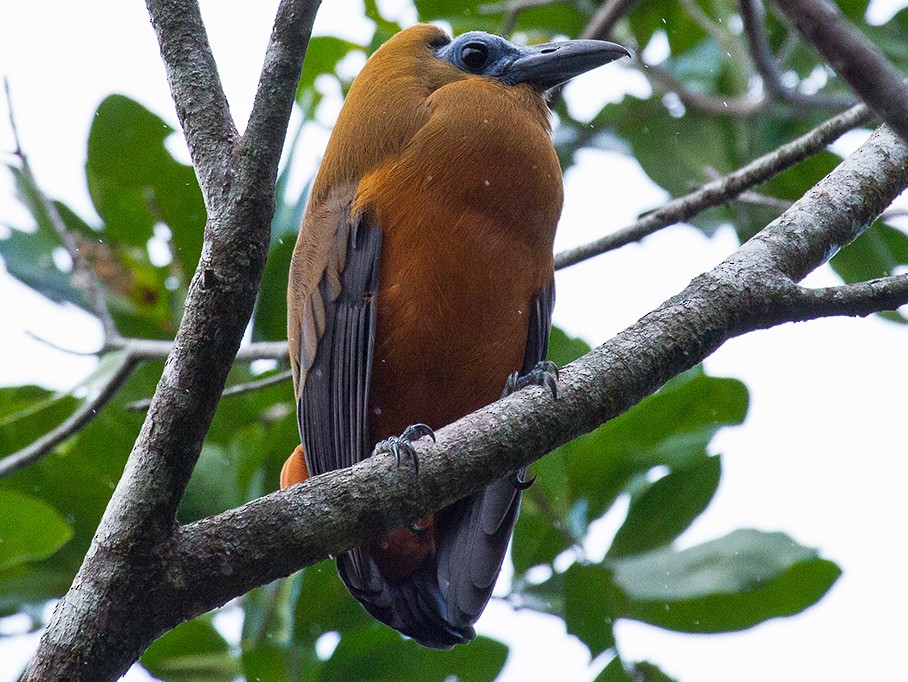
© Leon Moore eBird S34151423 Macaulay Library ML 47998261
The image of the Capuchinbird above is from eBird, which we have written about many times on this platform. Denise Hruby has written a very important account of how birds are taken from tropical wilderness into captivity, who pays for it, and other important details. The bird above is apparently a favorite of one of the most accomplished thieves, and the journalist was astute enough to link to its eBird page. To catch a feather thief is one thing. To catch a bird thief is altogether more important. To read of the possibility of the thief’s reform, different again and will take time to verify:
He Once Trafficked in Rare Birds. Now, He Tells How It’s Done.
After a chance encounter in Brazil, Johann Zillinger became one of the world’s most prolific wildlife smugglers. Three decades and two prison stints later, he says he has gone straight.
WEIDEN AN DER MARCH, Austria — On a humid evening at the airport in Fortaleza, in northern Brazil, Johann Zillinger, a wildlife trafficker, was keeping a close eye on his new hire. He had recruited the 24-year-old farmhand as a smuggler a few days earlier, promising him a free trip to Europe and $2,000 in cash. Continue reading
Sheltering in Nature
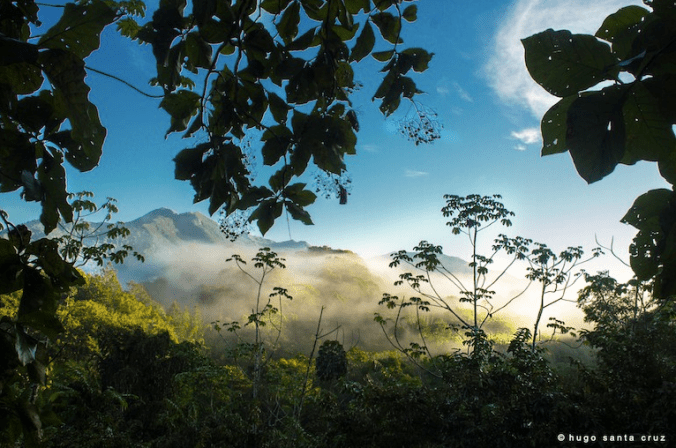
The Turrubares Hills in Costa Rica’s Central Pacific region. Photo courtesy of Hugo Santa Cruz.
This is an exciting example of the old adage about life’s lemons and making lemonade. The Macaw Sanctuary is an inspirational space and we’re proud to have explored it with Hugo during the Global Big Day.
Thank you to Milan Sime Martinic and the inspiration of Mongabay for nature and conservation stories.
A new conservation project is created in Costa Rica thanks to COVID-19
- Hugo Santa Cruz is a photographer contributing to a new Netflix documentary about nature and coping with COVID-19.
- A Bolivian currently stuck in Costa Rica due to the pandemic, he has turned his camera lens on the local landscape, which has helped him deal with his separation from family and friends.
- Many hours spent in the rainforest have given him solace and also an idea to aid the rich natural heritage that he is currently documenting.
- Santa Cruz is now a co-founder of the new Center for Biodiversity Restoration Foundation, which will work to restore and connect natural areas in the region.
Call him inspired.
If Biblical Ishmael were banished to the desert, naturalist Hugo Santa Cruz is quarantined to wander in paradise, a paradise in the Costa Rican jungle, that is.
He is in the Central American rainforest along the Paso de Las Lapas Biological Corridor, an area near the Pacific coast that converges with the mountainous foothills of the western dry tropical forest.
Roaming some 370 hectares of ample primary and secondary forests, regenerated forests restored from human damage, plus plantings, ponds, and biodiverse jungle, Santa Cruz is deep in the wilderness, far from home due to the COVID-19 shutdown of travel and normal activities. He is exploring the jungle, studying the animals, photographing, filming, and registering the species he encounters. Continue reading
Thanks For The Birds

Can you name this bird. Caroline Tompkins for The New York Times
On this day each year, we reflect on things to be grateful for. Today, as tempting as it may be to talk about coffee, I am mindful of how important birds have been in our family. In 2014 I was on the terrace at Xandari with Seth. He was recently graduated from college, where he had worked on an outreach program for school children to get them interested in birds, and birdwatching. Now he was training to manage the type of lodge where birdwatching is an activity, and one of his sidelines at Xandari was guiding birdwatching tours in the forest reserve that was part of the property.
As we sat on the terrace discussing the day’s plan, a young couple and their son sat down for breakfast. I said hello to them, and I asked the boy if he was enjoying Costa Rica. He lit up, and said it was his first morning here, but so far it was great. I asked what was great, and without missing a beat he said, with cheer: the birds woke me up! The conversation that followed was a once in a lifetime pleasure. I asked why he was so happy about that, and he and his parents explained that during the school year that had just ended, his class had been “celebrating urban birds” in Brooklyn, NY. It turned out his class was one of the many that Seth had been doing outreach with during the previous year. I told the young fellow that if he wanted to take a birdwatching tour, I had a recommendation of who could guide him.
I am mindful about birds today thanks to Dan Sinker’s op-ed essay:
FIRST PERSON
The Birds Are Outside
One bird feeder became two, then three. Months passed.
Dan Sinker
Me, my wife, our teenager and our 5-year old, we knew nothing about birds before the lockdown sent us inside in March. Our cramped home was suburban-convenient before the pandemic hit, nestled a few blocks from a school we don’t go in and a train downtown we won’t ride, and now it is just small.
It was a bedroom short and had nothing a person could call work space beyond the dining room table even before it became our entire lives. But it did have windows, sunny and bright in the morning, that looked out on the worn patch of yard just outside so I bought a bird feeder and some cheap seed and mounted it just outside our dining room window. We needed a distraction. Continue reading
The Wonderful World Of Harbingers

Moments after posting about this owl, an email promoting a course about owls appeared in my inbox. Owls have been considered harbingers in different folk and mythic traditions, none of which I subscribe to. A harbinger event on the computer is now most likely an algorithmic event, where one thing triggered another on purpose. Normally I find those intrusive, at best. But, I get emails from the Lab of Ornithology frequently and this one came a few days after the news of the owl in Central Park. Did they put together this course and promo after seeing the publicity that the Central Park owl was getting? If so, bravo. Quick reaction. Well communicated. Watch the brief video that came in the email and tell me you have no interest:
As creatures of the night, owls can seem mysterious and kind of spooky. Some people think of them as bad omens, harbingers of death. But they can also be symbols of knowledge and wisdom.
Owls have fascinated people for millennia. Everyone knows what an owl is, even if you haven’t actually seen one in real life. They’re instantly recognizable, with their large, round heads, flat faces, and forward staring eyes. We seem to be drawn to them because they resemble people. They’re definitely birds, but they also kind of look like us…
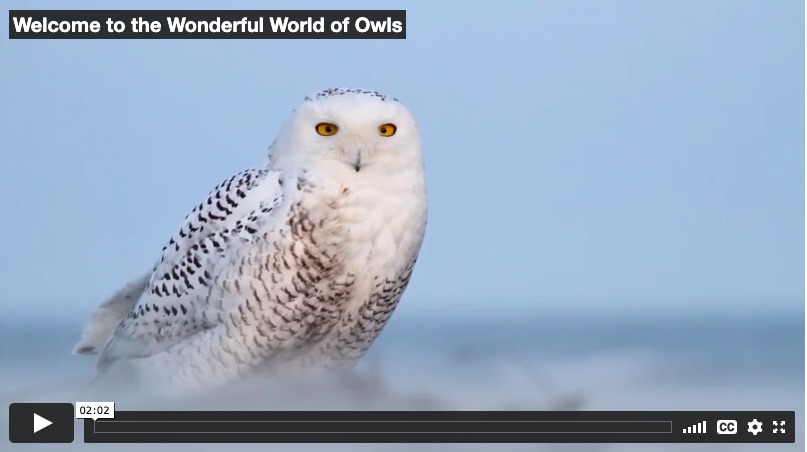
Some people are interested in learning more about birds, others are not, but this lesson plan sounds like a good one for starters: Continue reading
Winged Victory Of Central Park
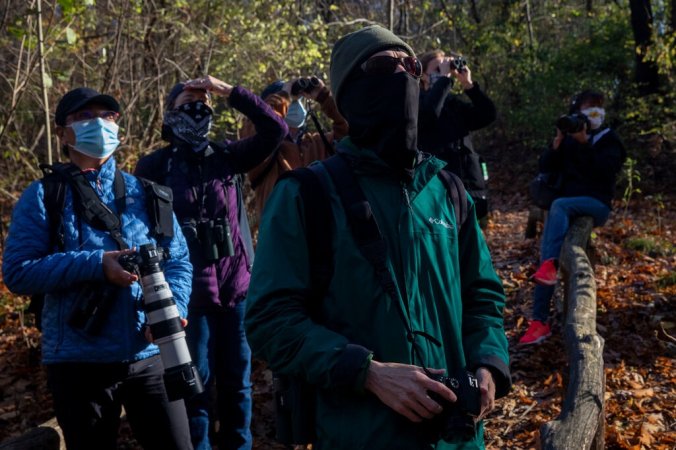
Barry’s fans, in the North Woods of Central Park. Dave Sanders for The New York Times
Two years ago when a mandarin duck caught the attention of New Yorkers, and others with avian interests, I was struck by the diversionary value. Now, even more than then, winged diversion is welcome. This one provided me a diversion within a diversion. A sculpture dedicated on a Greek island more than two thousand years ago honored a victory, and the sculptor chose the goddess of victory to represent that honor. At that time, the goddess was always depicted with wings. If victory has been on your mind lately, you might see this owl as a harbinger.
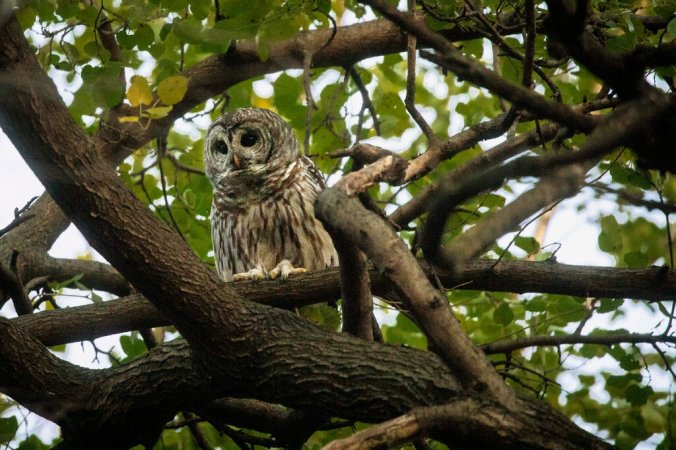
Barry the Barred Owl is New York City’s bird of the moment. Dave Sanders for The New York Times
That’s up to you. Even without thinking of victory, a good owl photo is always a welcome diversion. The photograph by Joshua Kristal (click the image below to go to his Instagram feed) is particularly well composed. My thanks to Lisa M. Collins for this story:
‘I Had to See That Owl’: Central Park’s New Celebrity Bird
New Yorkers are so obsessed with Barry the barred owl that some are concerned he could be scared away. So far, he seems to like the attention.
Joshua Kristal finally got to see (and photograph) Barry during a Birding Bob night tour through Central Park earlier this month. Joshua Kristal
It was late afternoon in the North Woods of Central Park, and the sun was setting fast. Joshua Kristal, a photographer with a penchant for birds, was starting to feel despondent as he searched along the creek, looking for any movement. This was the third time he’d traveled more than an hour from Brooklyn to see Manhattan’s newest celebrity bird: an ethereal and majestic barred owl.
Currently known as Barry, the owl has intense black eyes and elegant poufs of white feathers streaked with brown and gray. He looks like a perfect stuffed animal from a high-end toy store. But Barry is also unusual. Though owls are typically nocturnal, he makes regular daytime appearances, and has become something of a performer. Practically vogueing, he stares, preens and swoops into the shallow stream to wash and flick his feathers. Barry will turn his head 270 degrees right and left and up above to check for his archenemy, the hawk. He plucks chipmunks with his talons and devours them, seemingly unfazed by adoring fans and the paparazzi, many of whom have already made him Instagram-famous. Continue reading
Major Marine Sanctuary, An Unexpected Gift Of 2020

The marine sanctuary off Tristan da Cunha will be the fourth largest in the world. Photograph: Andy Schofield/RSPB/PA
The Guardian shares some welcome conservation news from a lesser-known bit of land surrounded by plenty water-based wildlife:
Tiny Atlantic island takes giant leap towards protecting world’s oceans
UK overseas territory Tristan da Cunha’s new marine protected area will be fourth largest sanctuary of its kind
Rockhopper penguins on Tristan da Cunha will be among a wealth of marine life to benefit. Photograph: Trevor Glass/RSPB/PA
A community of 250 people on one of the most remote inhabited islands on Earth has made a significant contribution to marine wildlife conservation by banning bottom-trawling fishing, deep-sea mining and other harmful activities from its waters.
The government of Tristan da Cunha, a volcanic archipelago in the south Atlantic and part of the UK’s overseas territories, has announced that almost 700,000 sq km of its waters will become a marine protected area (MPA), the fourth largest such sanctuary in the world. Continue reading

Changing Seasons In Escazu, Changing Climate All Around
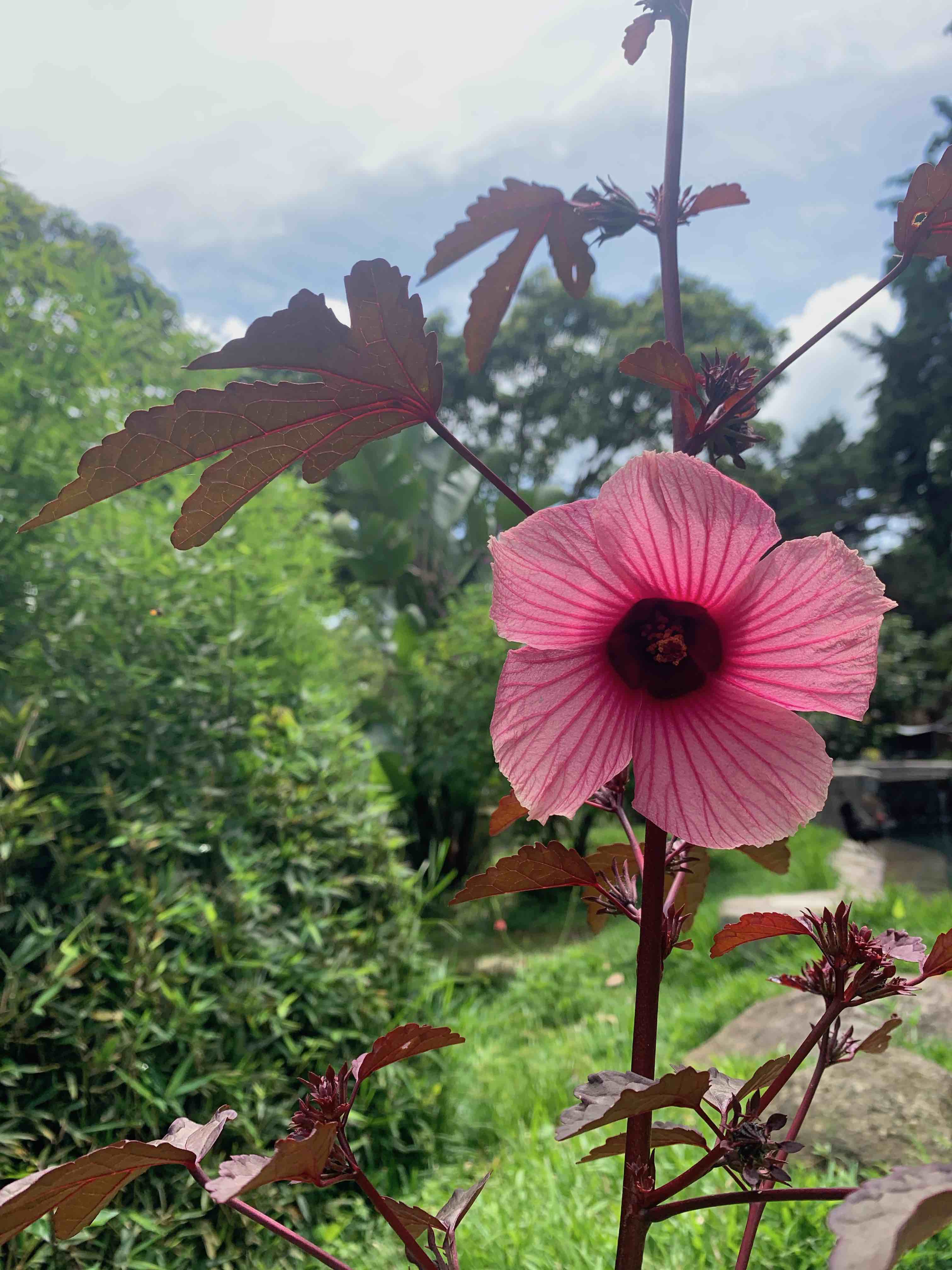
The plant in the photo above, called Rosa de Jamaica, which looks like hibiscus but is not, grew from a small cutting gifted by friends on the other side of the mountain where we live. After a few weeks in the ground it is doing well. In the photo below you can see one of the poro saplings we also planted a couple week ago, already home to what counts as charismatic wildlife in our family.
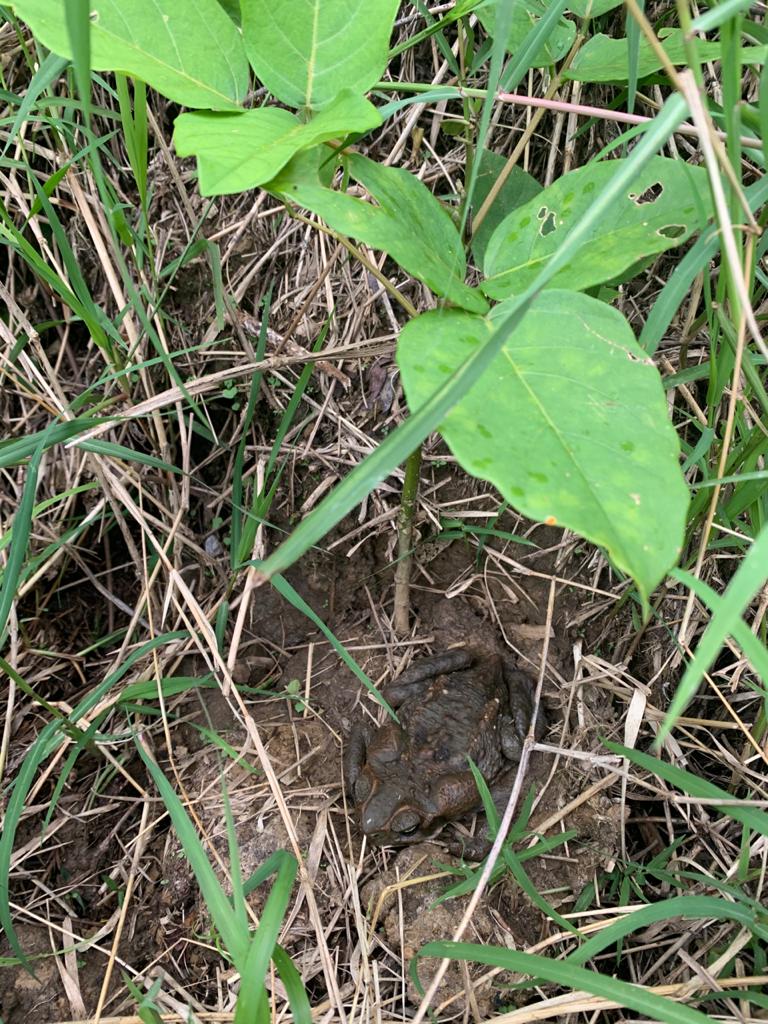
When we started to prep the land in order to restore an abandoned portion of an old coffee farm, seeds were just then falling from the poro trees that are essential to the plan. It is heartening to see how quickly the animal kingdom responded. The dry season normally starts this month, but we are expecting more rain from yet another Greek-named hurricane hitting the isthmus this week. Seasonal change, meet climate change.
Hornet Hunters of Paris
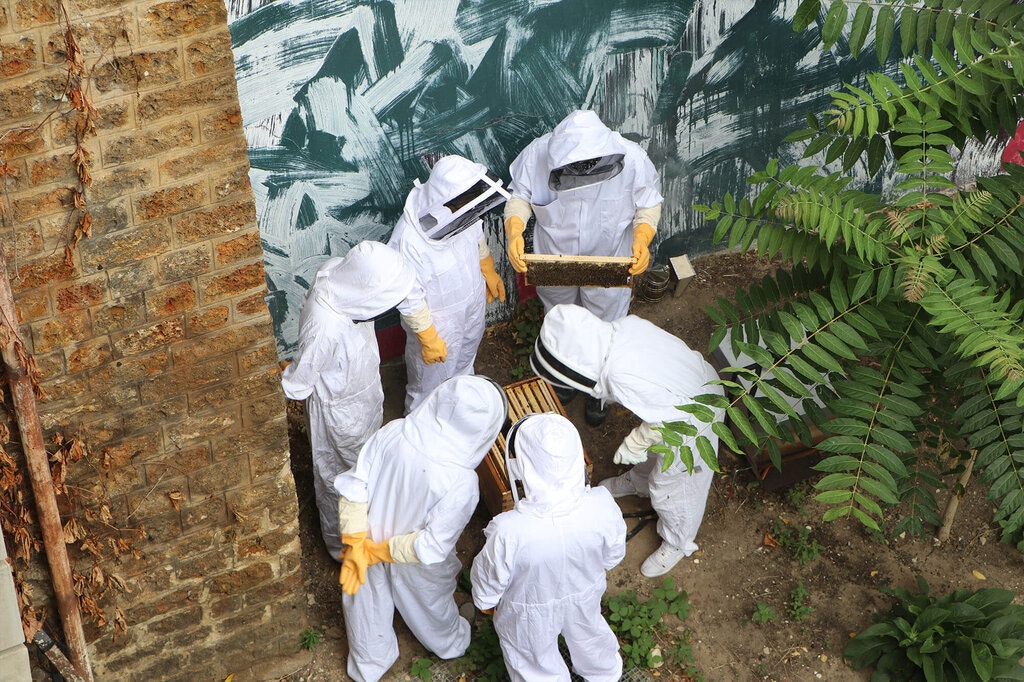
Urban beekeeping has exploded in Paris, and the honeybees have become an easy target for invasive wasps.
We recently published some good news about a similar invasive insect in Washington State, but it’s important to note that the species on the prowl in Paris is related, but not the same. Although far less dangerous (tell that to the honeybee prey…) they still are a menace to other insects, especially honeybees. The good news here is that the hornets have been in France for well over a decade, and the human wasp controllers have the skills and tools to combat them, protecting the thriving businesses of urban apiculture.
The Murder Hornet Hunters of Paris
And other tales of hives and honeybees in the City of Light.
“The queen is dead?” a preschool administrator in suburban Paris asked Matthieu Bize, a wasp controller who had come to rid the schoolyard of Asian hornets.
On the ground, a nest was in tatters. Twenty minutes earlier, it had been high up in an ivy-choked tree, where it looked like a jumbo gray-brown balloon. Mr. Bize, 32, had sent a telescopic pole through the canopy, injected a paralyzing white powder into the hornets’ home, and knocked it down. The colony’s larvae, future queens among them, were strewn about. “Nearly finished here,” he said.
In English, the Bize family name is pronounced “bees”; in French, it is “bise” (short for kisses). Dozens of times a day, when Mr. Bize answers his cellphone — “C’est Monsieur Bize” — this gentle phrasing sweetens an otherwise sting-y situation.
For Mr. Bize doesn’t hunt just any pest. One-third of the nests to which he responds belong to a species of dreaded “murder hornet,” a type of wasp that beheads and feeds to its larvae an insect that is very important to, and symbolic of, France: the honeybee.
Beyond the fact that Napoleon chose the honeybee for his logo in the early 19th century (the emperor favored the insect for its tenacity), France is the European Union’s largest agricultural producer, and generally known for pollinator-friendly policies. It is also one of Europe’s major honey trade hubs.
The Language We Use To Know About Plants
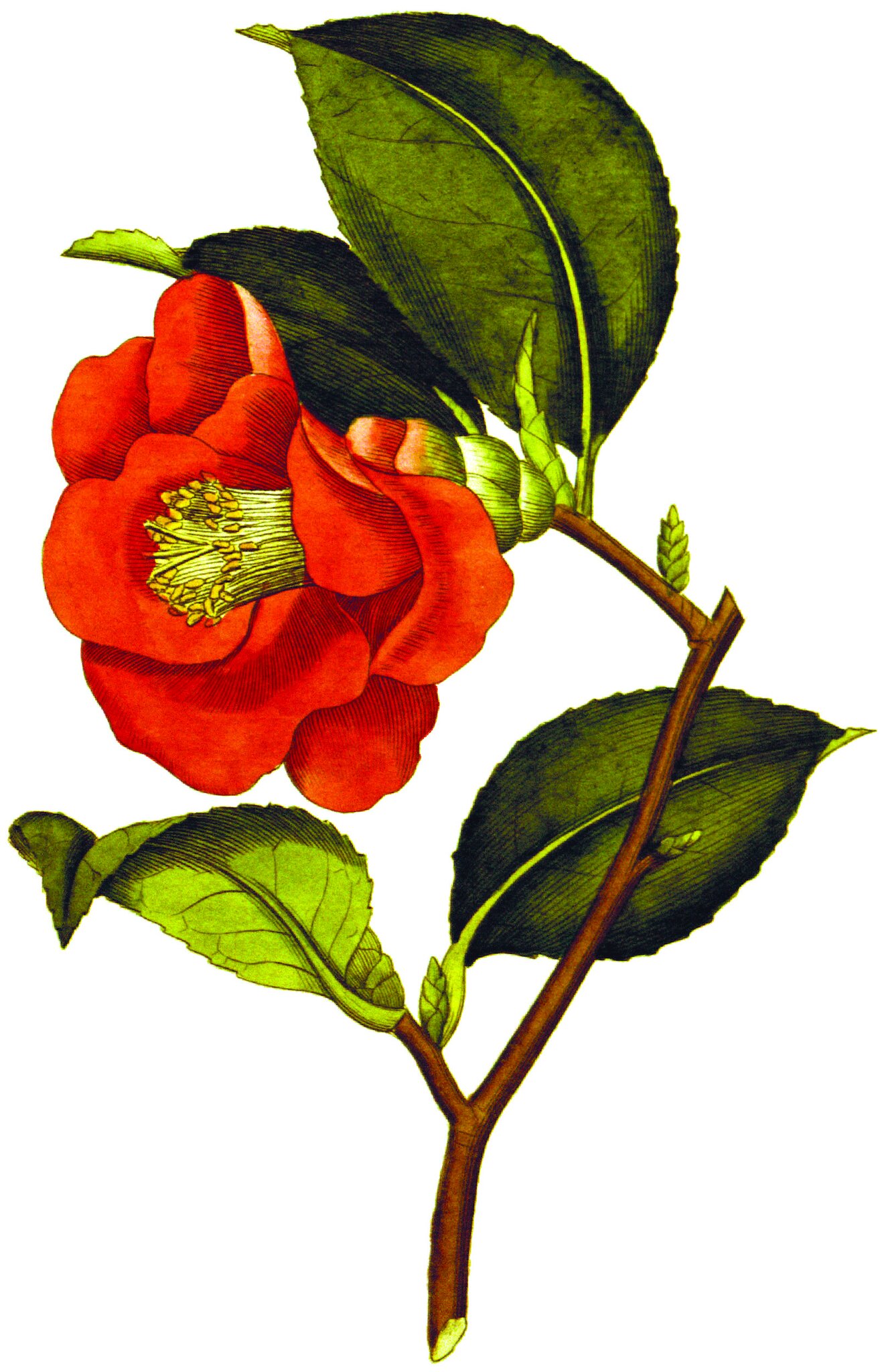
Like Magnolia, Begonia, Iris and a few others, the genus name Camellia has been assimilated into English, rather than having a common name assigned to it. “A handful of iconic garden plants have names that are easy to pronounce and spell, and are so widely used that they’re devoid of dread,” said Ross Bayton, the author of “The Gardener’s Botanical: An Encyclopedia of Latin Plant Names.” Drawing from “The Gardener’s Botanical.”
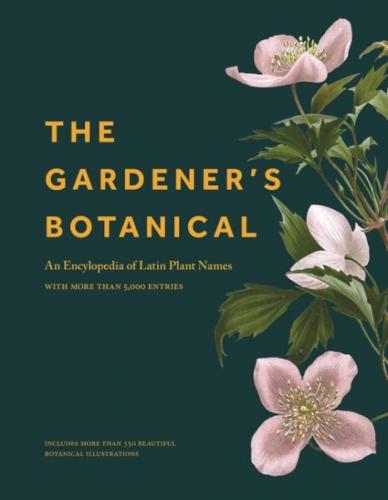 Thanks to Margaret Roach for this review, whose subtitle–Latin might seem like an obscure, inscrutable language for naming plants. But it can open up the botanical world in ways you can’t imagine–is its central recommendation. Things I can’t imagine, maybe especially when I need to make a Plan B for planting, are a welcome resource these days. As always, if you decide to acquire this book and can do so from an independent bookseller you will be doing the world a favor:
Simply knowing a plant’s genus, such as Hydrangea, doesn’t tell you the whole story. The second word in the botanical Latin binomial — the species name or specific epithet modifying the genus — offers further clues, perhaps describing the plant’s place of origin or its appearance. In the case of Hydrangea macrophylla, it means big leaf. Drawing from “The Gardener’s Botanical.”
The plants are trying to tell us something — if only we’d learn their official language, botanical Latin.
“I am the Allium with just one leaf,” says Allium unifolium. (Get it?)
“I am the juniper that carpets the ground,” says Juniperus horizontalis (whose alternate name, Juniperus prostrata, nails its appearance, too).
And Aster alpinus chimes in: “My ancestors hailed from above the timber line — you know, like, the Alps. I won’t appreciate some sodden, clayey spot in your garden.”
Not all plant names offer such easy clues about traits like appearance, preferred conditions or place of origin. Continue reading
Character & Entrepreneurial Conservation
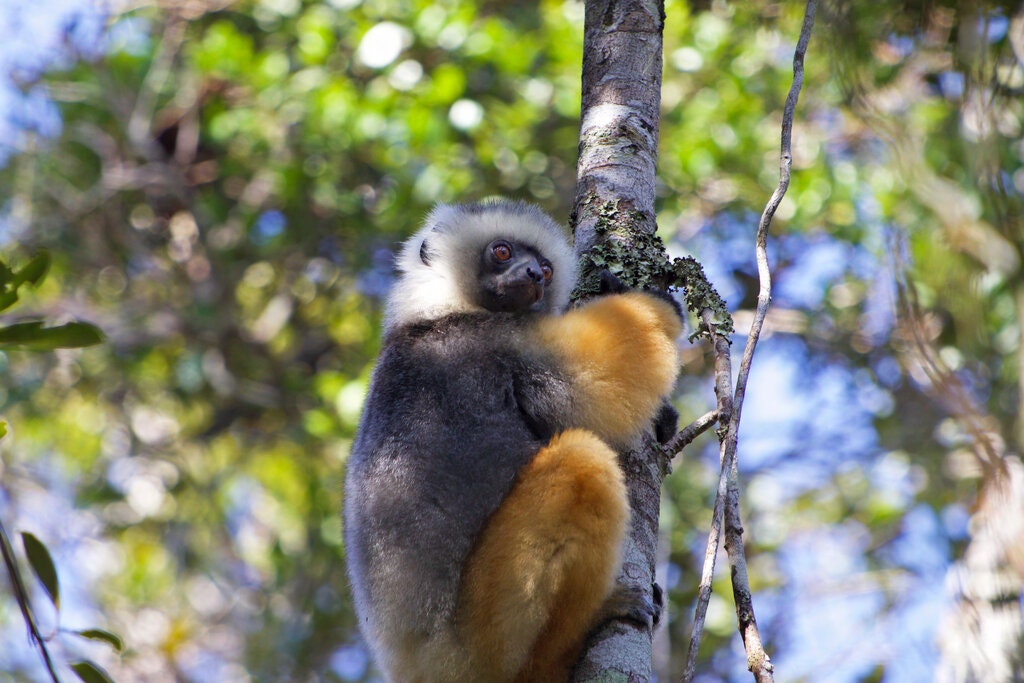
A diadem sifaka, a type of lemur, in northern Madagascar. Erik Vance/The New York Times
Erik Vance, whose work I have not seen in more than three years, caught my attention again this week. Then it was in National Geographic and from my perch in Belize his story had an obvious connection to my location. This story, in the New York Times, is read from a perch in Costa Rica. My perspective, as ever, is influenced by the search for examples of entrepreneurial conservation. I am happy to read about this one full of interesting characters, in a country I have yet to visit, where there is resonance with some of my experience in Costa Rica. Creative people, knowing that the country’s public conservation commitments have their limits, achieve remarkable conservation goals through private reserves that add to the public good. The section describing a small park with big potential could have also been written about Seth’s workplace last year:
In Madagascar, Endangered Lemurs Find a Private Refuge
Climate change is shifting the habitats of endangered species and requiring conservation scientists to think outside traditional park boundaries.
Sambava, Madagascar — Madagascar has always been one of the best places on Earth to study the natural world. Continue reading
From Seedlings To Saplings in 90 Days
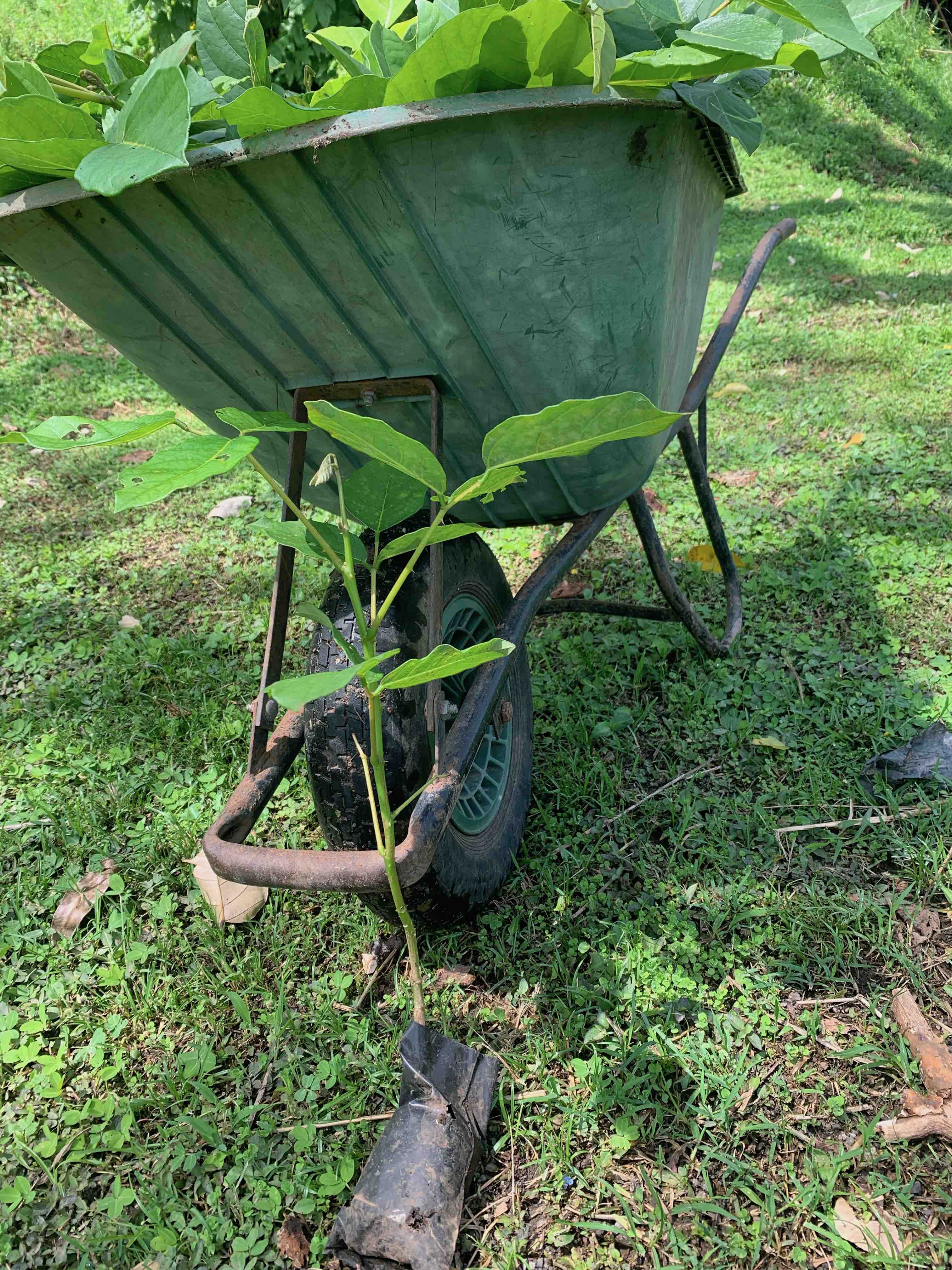

Last mention of poro tree seedlings was three months ago. We are regenerating bird habitat by restoring a portion of an erstwhile coffee estate.
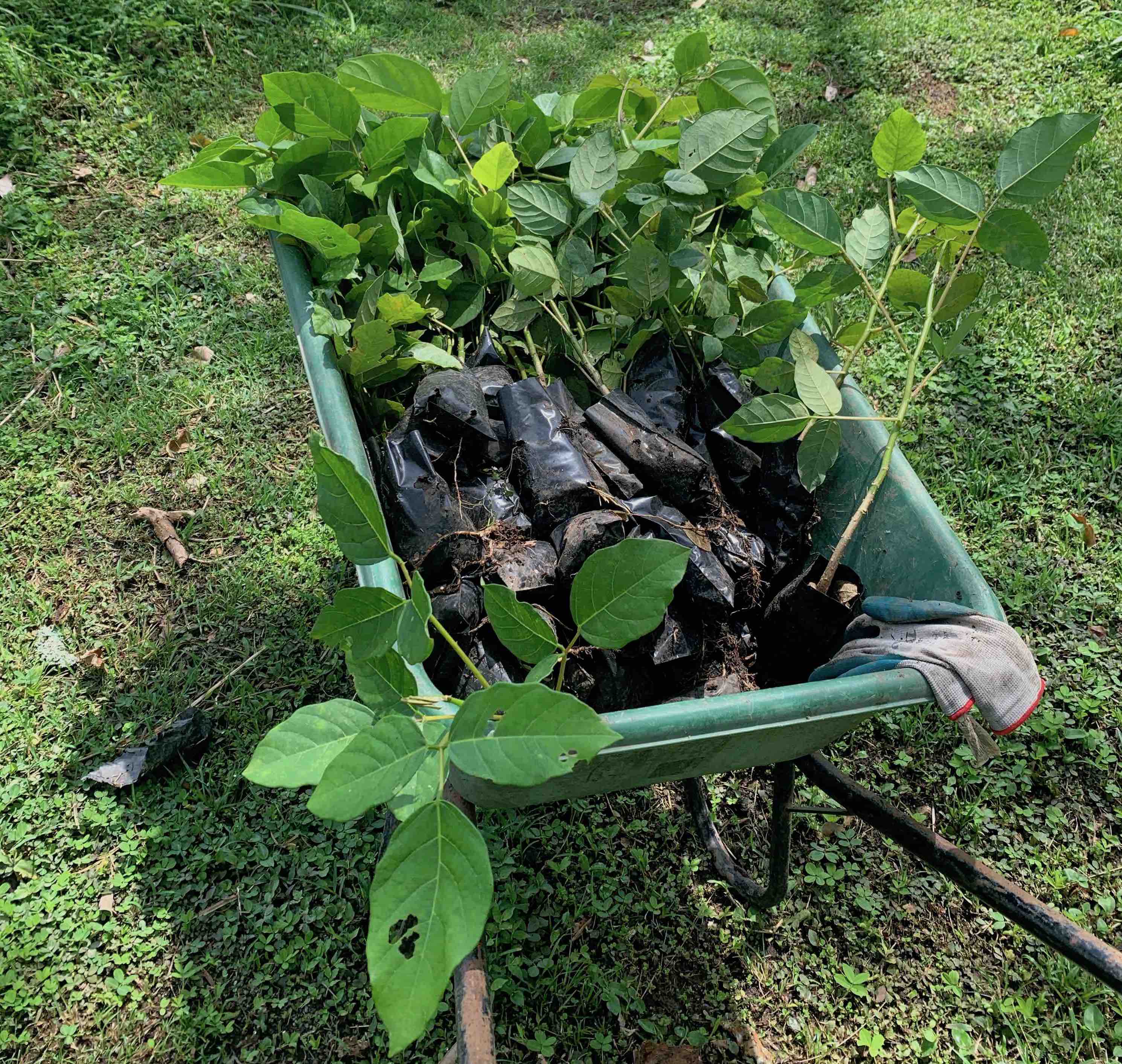
Those six-inch seedlings have become two-foot saplings over the three months since that post. Yesterday we started planting those. 60 so far.
Intimate Ecological Ethos
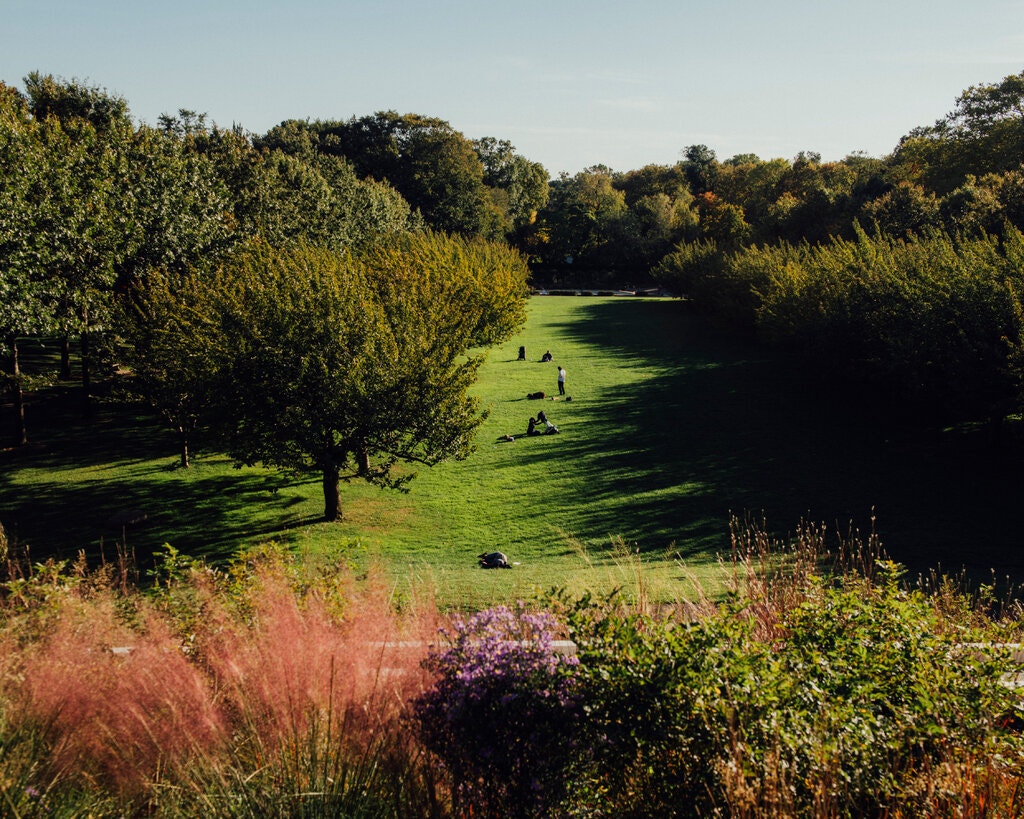
A view of the Cherry Esplanade from the top of the Robert W. Wilson Overlook at the Brooklyn Botanic Garden. George Etheredge for The New York Times
Beyond books and other published material, New Yorkers have plenty of places to see natural spectacles, places where nature can be better understood in an otherwise concrete jungle. Ecological ethos describes the new feel of the intimate 52 acres in one of those places:
Brooklyn Botanic Garden Turns Over a New Leaf
A wild meadow and woodland ‘ruin’ are now on exuberant display. The new, ecologically minded garden boasts shaggy clouds of vegetation.
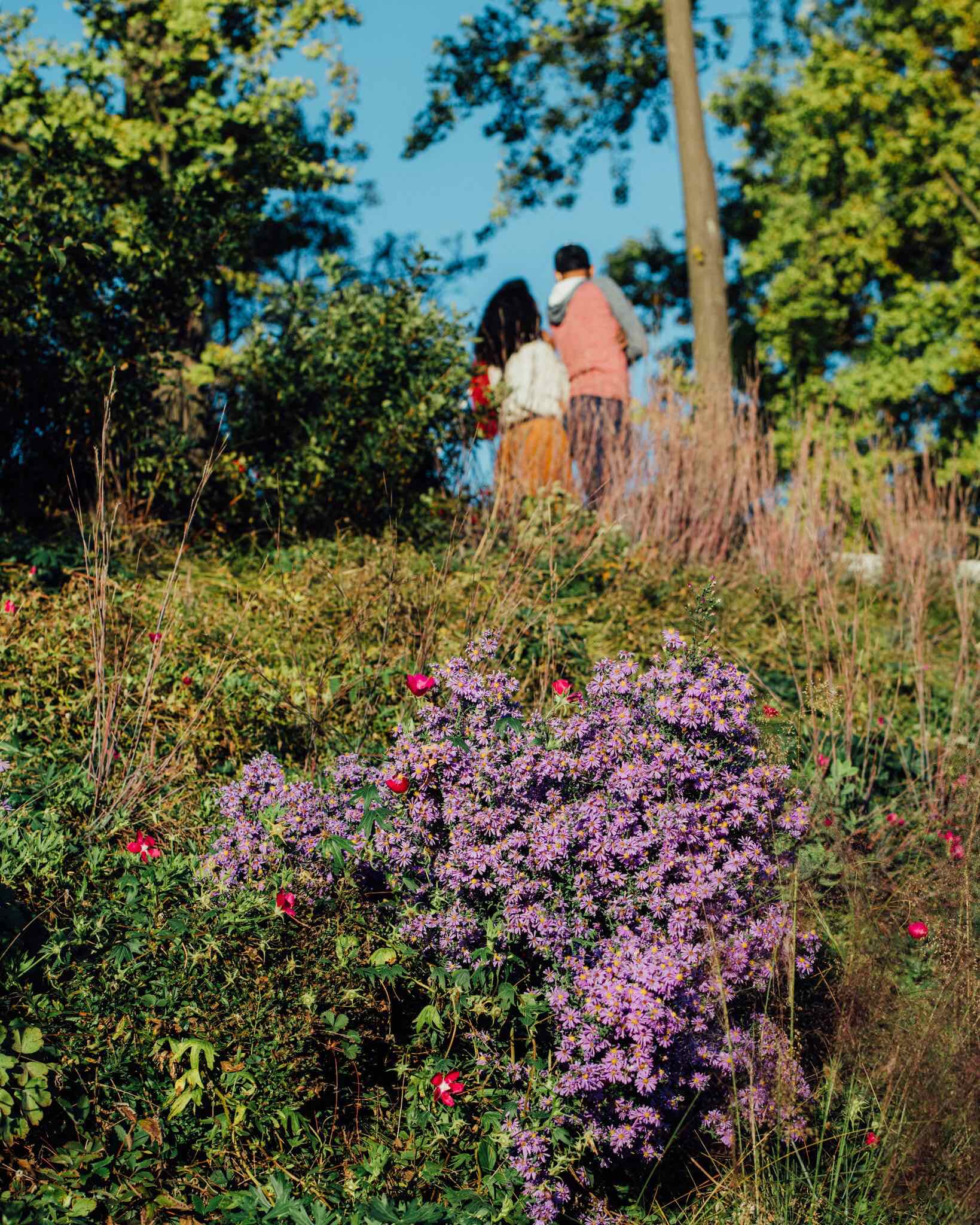
Lavender asters burst through ground-hugging meadow species at the overlook. George Etheredge for The New York Times
Only a skeleton staff at the Brooklyn Botanic Garden witnessed the blizzard of cherry blossoms scattered by spring breezes during the pandemic shutdown. Delicate blooms of wisteria tumbled over pergolas and plump roses unfurled with no appreciative fans to say “Oooh.”
The garden reopened in August for a limited daily number of socially distanced visitors. Now, as fall’s vibrant, showy display begins, meadow and woodland gardens completed at last winter’s onset are finally coming into their own. They are the culmination of a yearslong evolution, as the garden turns over a new leaf with the selection in September of Adrian Benepe, a former commissioner of the New York City Department of Parks and Recreation, as the new president and chief executive. Continue reading
Can There Be Murder Hornet Good News?
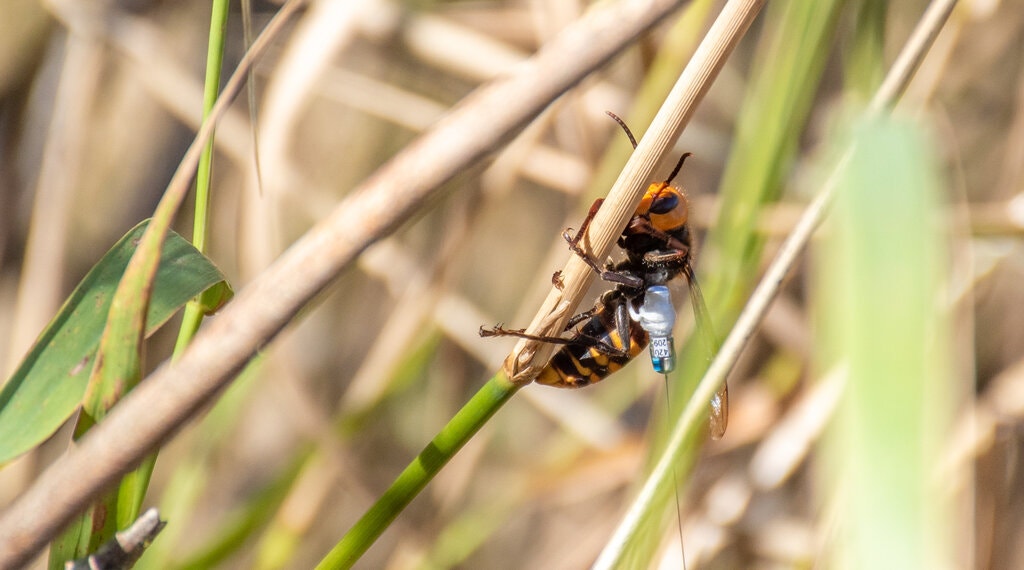
Hornets with radio trackers attached led entomologists to the nest. Washington State Department of Agriculture
If you noted the danger five months ago, and find this topic newsworthy, you know how important it was to find the nest. Finally, after an exhaustive search, they found it and it seems we should count this as good news, especially in a year like 2020:
Murder Hornet Nest, First in U.S., Is Found in Washington State
Officials said they planned to destroy the nest in Blaine, Wash., on Saturday before the voracious Asian giant hornets could multiply and lay waste to bees.
Like detectives closing in on a fugitive hide-out deep in the woods, officials in Washington State announced on Friday that they had located the first murder hornet nest in the United States, tucked in a tree hollow near the Canadian border.
The officials said they planned to destroy the nest in Blaine, Wash., on Saturday before the voracious Asian giant hornets could multiply and begin laying waste to bees that are vital to the survival of the region’s raspberries, blueberries and other crops. Continue reading
Marine Ecosystem Restoration Success Stories
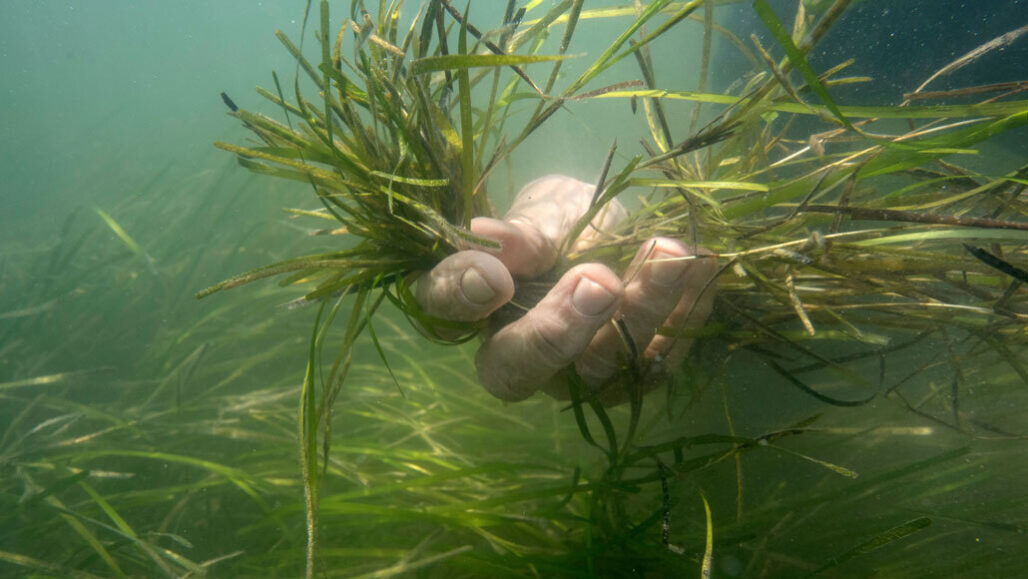
Seagrass beds off Virginia’s Eastern Shore went from barren sediment to abundant meadows in 20 years in the world’s largest restoration project. credit: JAY FLEMING
Thanks for Science News for this wonderful example of successful ecosystem restoration.
How planting 70 million eelgrass seeds led to an ecosystem’s rapid recovery
The study is a blueprint for capitalizing on this habitat’s capacity to store carbon
In the world’s largest seagrass restoration project, scientists have observed an ecosystem from birth to full flowering.
As part of a 20-plus-years project, researchers and volunteers spread more than 70 million eelgrass seeds over plots covering more than 200 hectares, just beyond the wide expanses of salt marsh off the southern end of Virginia’s Eastern Shore. Long-term monitoring of the restored seagrass beds reveals a remarkably hardy ecosystem that is trapping carbon and nitrogen that would otherwise contribute to global warming and pollution, the team reports October 7 in Science Advances. That success provides a glimmer of hope for the climate and for ecosystems, the researchers say.
The project, led by the Virginia Institute of Marine Science and The Nature Conservancy, has now grown to cover 3,612 hectares — and counting — in new seagrass beds. By comparison, the largest such project in Australia aims to restore 10 hectares of seagrass.
The results are “a game changer,” says Carlos Duarte. Continue reading
A Few Attenborough Minutes

When he first appeared in these pages, and each of the dozens of times since then that David Attenborough has returned, it is worth at least a few minutes of attention. Click above to go to the video or below to go to the transcript:
Amid planet’s crisis, filmmaker Sir David Attenborough’s ‘vision for the future’
Filmmaker Sir David Attenborough has been documenting the natural world since the 1950s. In his latest book and film, “A Life on Our Planet,” he offers a grave and alarming assessment about the climate crisis Earth is facing. The 94-year-old Attenborough spoke with William Brangham recently as part of our ongoing arts and culture series, Canvas. Continue reading
Hidden Camera, Tiger Tree Hug, Award
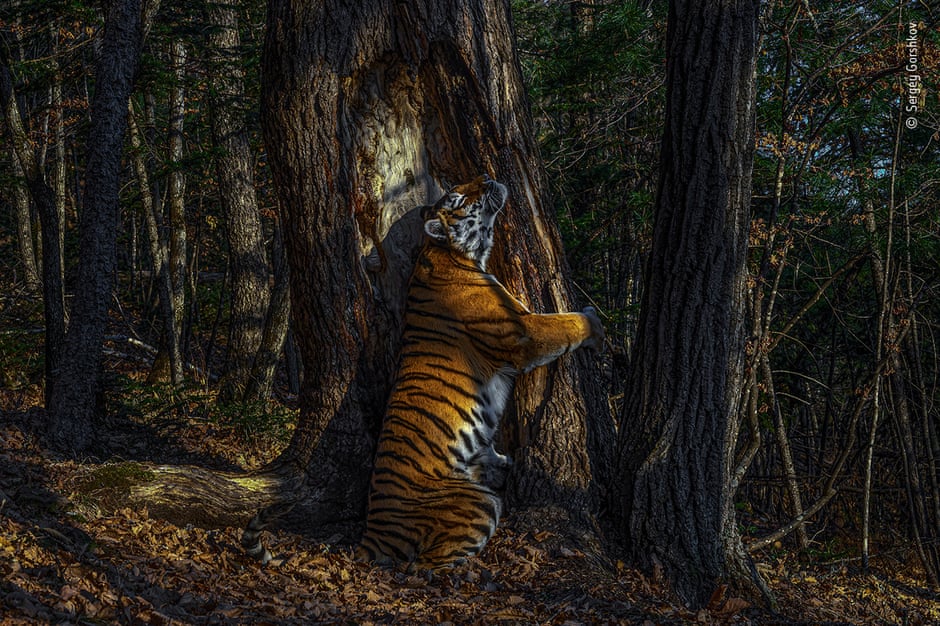
Sergey Gorshkov’s image of an Amur tiger, which won him the 2020 wildlife photographer of the year award.
Thanks to Mark Brown, Arts correspondent at the Guardian, for this:
Image of tiger hugging tree wins 2020 wildlife photographer award
Sergey Gorshkov left a hidden camera in a Russian forest for 11 months to capture the big cat
An image of a clearly ecstatic tigress hugging an ancient Manchurian fir tree in a remote Siberian forest has won one of the world’s most prestigious photography prizes.
It took Russian photographer Sergey Gorshkov 11 months to capture the moment using hidden cameras. His patience led to him being named 2020 wildlife photographer of the year by the Duchess of Cambridge at a ceremony at London’s Natural History Museum.
The image was selected from more than 49,000, with Roz Kidman Cox, the chair of the judging panel, calling the photograph “a unique glimpse of an intimate moment deep in a magical forest”. Continue reading
Know GEF Through Its New Leader
Mongabay‘s Rhett A. Butler offers an engaging conversation with the new leader of GEF, who we have confidence will lead this institution to the planet’s benefit. His realization at a young age about seasonal differences in bird abundance is a good example of why programs like Celebrate Urban Birds in places where migratory birds come and go are so important. It has been too long since we last sourced from Mongabay, but today we correct that with this recorded interview (click above) and the printed version (click below):
The post-COVID opportunity for the environment: An interview with the GEF’s Carlos Manuel Rodriguez
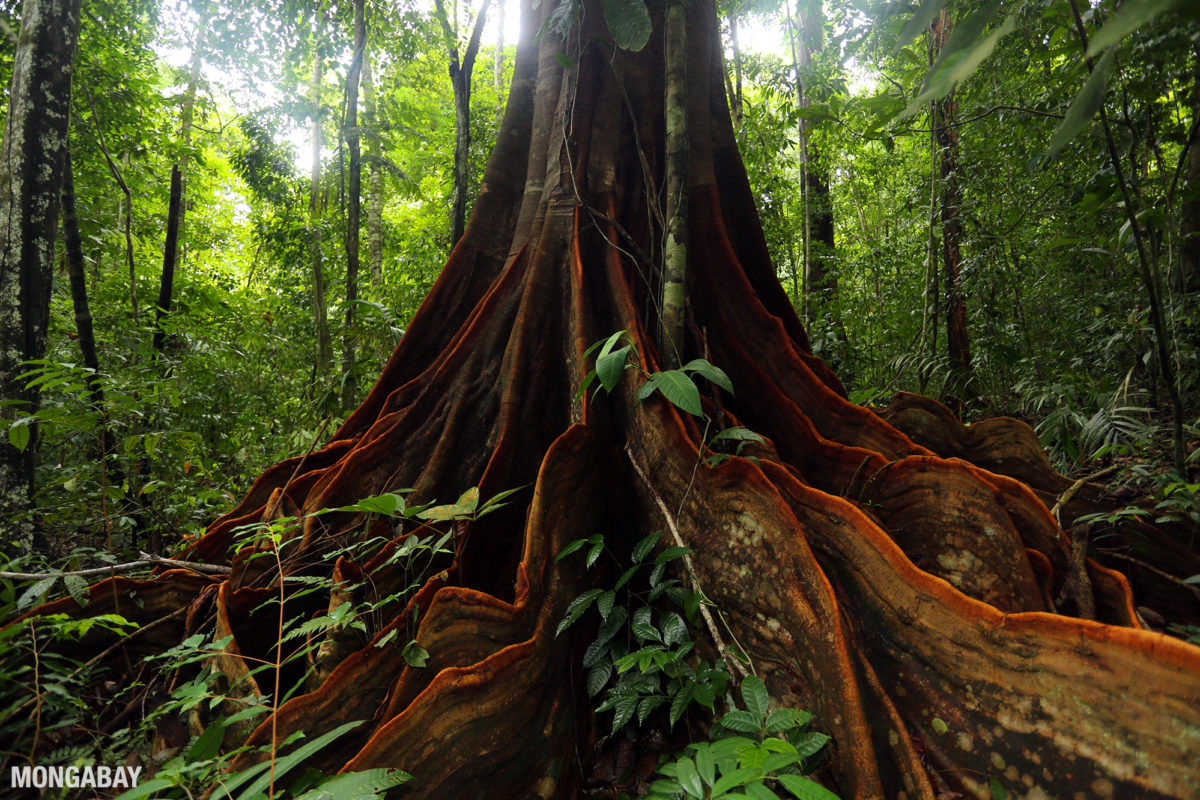
Tropical forests in places like Costa Rica (pictured) can be an important source of livelihoods by attracting nature-oriented tourists. Photo by Rhett A. Butler.
Rhett A. Butler for Mongabay: Congratulations on the new role at the Global Environment Facility.
Rodriguez: Well, I’m very pleased and honored. I’ve been working half my professional life in government and half within the civil society in Costa Rica. I have worked very close to the GEF, including in the early days of the GEF. I was a negotiator for CBD for the Rio convention and also had the fortune to work with the government of Costa Rica in the first implementation of GEF funding in Costa Rica. Those were very interesting times, the mid-1990s.
I’m really delighted that 25 plus years after that, I’m leading this very prestigious organization. I never thought I would have that opportunity, particularly for coming from a developing country, a recipient country. Continue reading
Arborists & Urban Futures
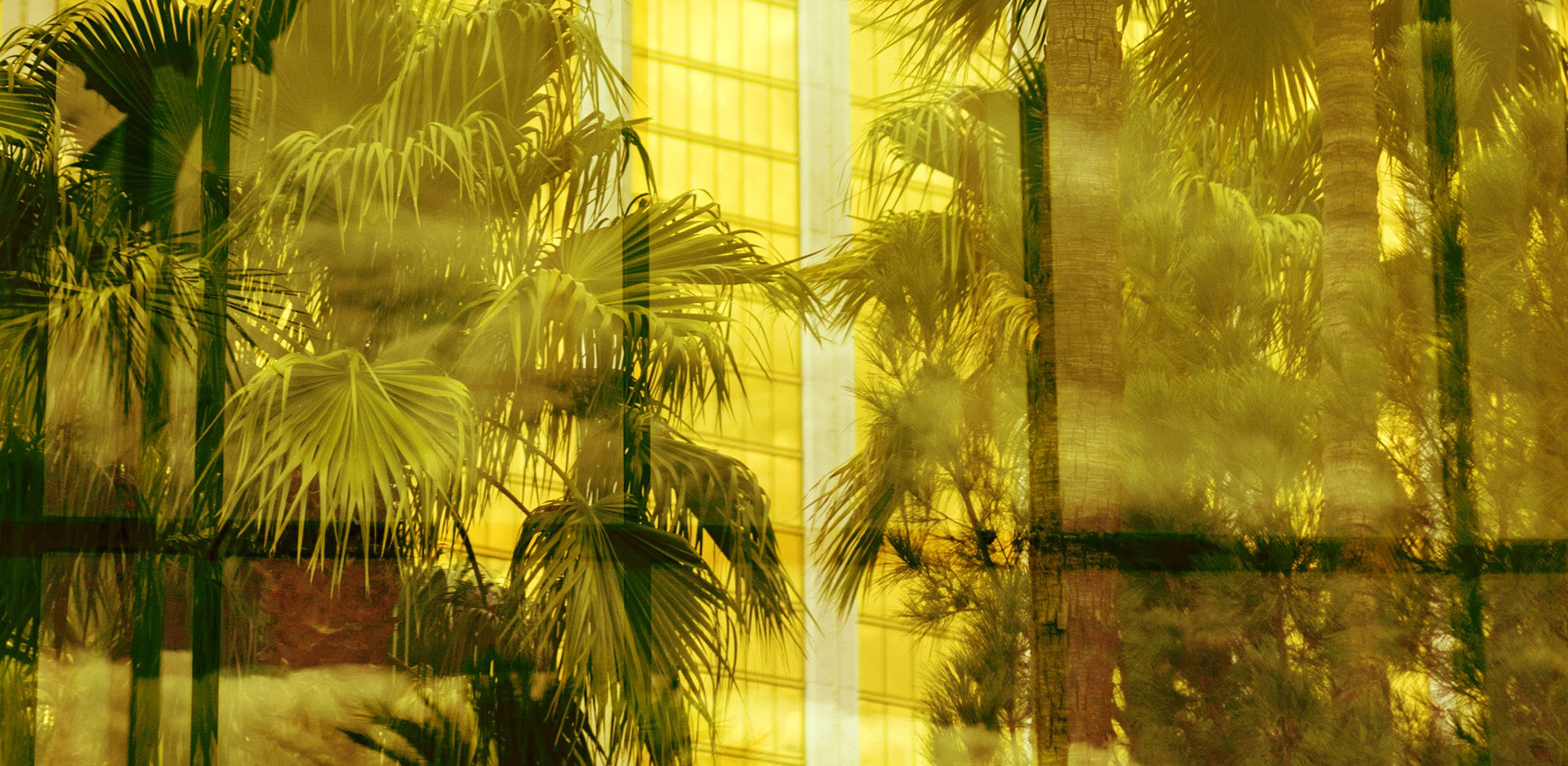
Xuebing Du
An article by Clive Thompson we linked to in 2016 makes me wonder why today is the first time we are sharing his work since then. I remember reading a review of his book last year but did not see a fit with the themes we tend to focus on here. Urban trees, for one example, feature in our pages frequently. And trees more broadly speaking have probably been featured more than any other topic due to our mission. So our appreciation to the Atlantic for publishing this, and an added thanks for the excellent photographic accompaniments:
Trees Are Time Machines
Arborists are planting trees today that must survive decades of global warming. The health, comfort, and happiness of city dwellers hang in the balance.
City trees lead difficult lives. A lot of things are trying to kill them, particularly the trees planted on sidewalks: Tightly compacted soil with high alkaline content makes it harder for them to absorb nutrients. Tiny plots of land admit very little rainwater. They’ve got dogs peeing on them, people dropping cigarette butts nearby, and cars belching pollution.
Xuebing Du
“We’re talking about trees that are very vulnerable,” says Navé Strauss, the head of street-tree planting for New York City. His team manages the planting of new trees on streets and public rights of way; there are more than 666,000 street trees in the city, and the team plants about 16,000 new ones annually. For decades, New York arborists have tended to prefer “tough,” hardy species that thrive well against adversity—such as the London planetree, which sports grayish bark and big, maple-like leaves that offer sidewalks tons of shade.
But lately, Strauss has been looking for trees that can handle an even tougher challenge: climate change.
Xuebing Du
In the past century, the United States has heated up as much as 1.9 degrees Fahrenheit. Continue reading
Common Octopus, Uncommon Story
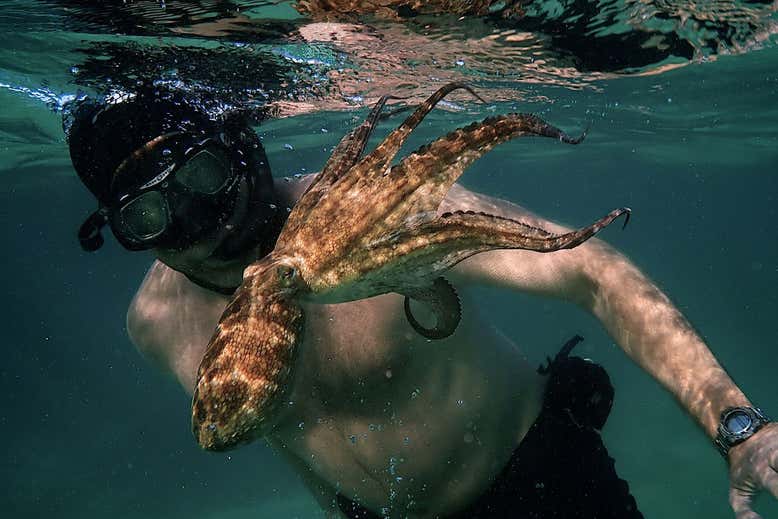
My Octopus Teacher is available on Netflix
I was not avoiding it, exactly, but by night time my attention span diminishes. From a reluctant start at 7:30pm yesterday, assuming I would fall asleep less than half way through, my absorption became total from the first minute and remained so until the end. It was a compelling conclusion to a very long day. Film reviews rarely appear here, but New Scientist gives me good reason to share more than my own opinion:
My Octopus Teacher review: The strange lives of cephalopods up close
In many ways, the octopus is a tough proposition: a soft-bodied mollusc that carries the bulk of its brain in its arms, that can render itself solid without a skeleton or liquid despite its beak, that evolved separately from nearly every other organism on Earth. That otherness is at the heart of our fascination with octopuses: can we even aspire to understand something so foreign? A new Netflix documentary, My Octopus Teacher, follows one man’s attempt. Continue reading
 Organikos