Technology Put To Good Use

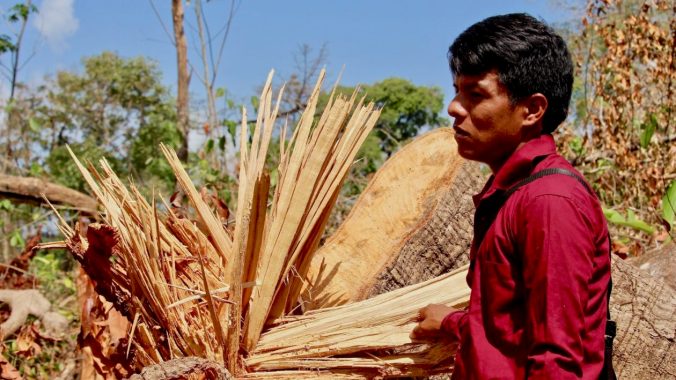
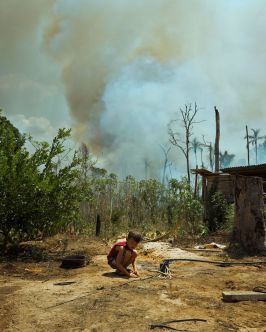
A Wounaan forest technician inspects an illegal clearcut in Indigenous territory. CULLEN HEATER

Jim O’Donnell and Cullen Heater tell an essentially hopeful story from our neighbor to the south:

Panama’s Indigenous Groups Wage High-Tech Fight for Their Lands

With help from U.S. organizations, Panama’s Indigenous people are using satellite images and other technologies to identify illegal logging and incursions by ranchers on their territory. But spotting the violations is the easy part — getting the government to act is far harder.

On a blazing February morning, the Indigenous Wounaan territorial monitoring coordinator, two forest technicians, and a local farmer climbed into the mountains outside the fishing and farming community of Majé, near Panama’s Pacific coast. Continue reading

Youth & Perspective

It should not be this difficult to change viewpoints on an existential topic. But apparently it is. If it requires a new social media platform, and watching a few short, catchy videos, so be it:

A growing chorus of young people is focusing on climate solutions. “‘It’s too late’ means ‘I don’t have to do anything, and the responsibility is off me.’”

Alaina Wood is well aware that, planetarily speaking, things aren’t looking so great. She’s read the dire climate reports, tracked cataclysmic weather events and gone through more than a few dark nights of the soul. Continue reading

Crypto, Pigs & Possibilities

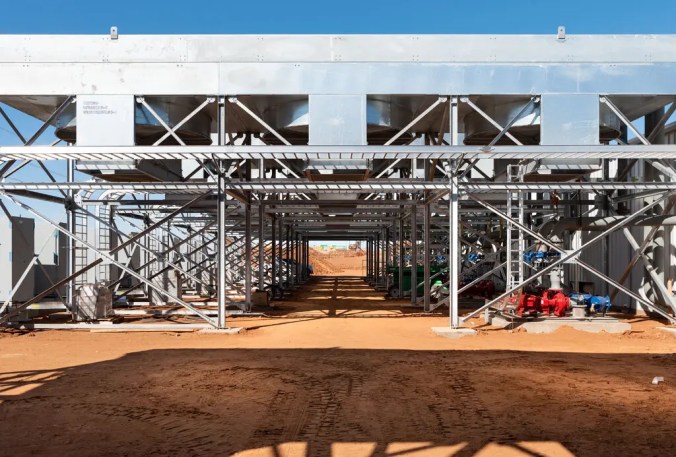
Wind turbines next to Argo Blockchain’s new facility in Dickens County, Texas. The site would be fueled mostly by wind and solar energy. Carter Johnston for The New York Times

First thought upon seeing the headline of the story below: when pigs fly. There is plenty of evidence to the contrary. If you read to the end of the story, published in the New York Times (click through to read it in full there), you will understand that some at the cutting edge of crypto want to change the name of what they do to “validators” from the less environmentally-friendly sounding “miners.” So, second thought: lipstick on pigs. But, at least they are acknowledging the complaint. Plus, the author of this story has a remarkable track record of reporting on issues we care about. So let’s read their latest claims with an open mind:

Bitcoin Miners Want to Recast Themselves as Eco-Friendly

Facing intense criticism, the crypto mining industry is trying to change the view that its energy-guzzling computers are harmful to the climate.

Texas has become a hot spot for crypto mining, attracting more than two dozen companies, partly because of an unusual incentive structure with its power grid. Carter Johnston for The New York Times

Along a dirt-covered road deep in Texas farm country, the cryptocurrency company Argo Blockchain is building a power plant for the internet age: a crypto “mining” site stocked with computers that generate new Bitcoins. Continue reading

Seeding Clouds To Relieve Megadrought

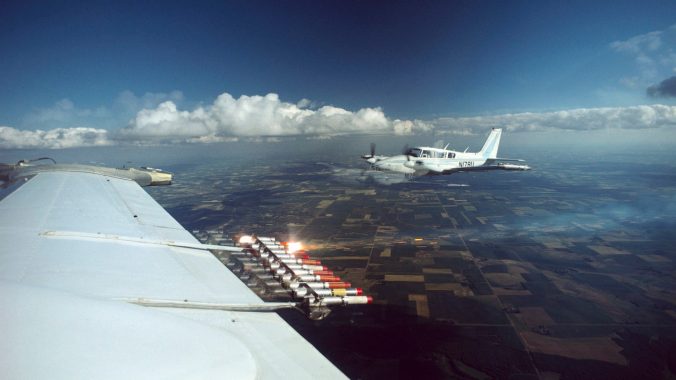
Cloud seeding equipment on the wing of plane flying over North Dakota. JIM BRANDENBURG VIA MINDEN PICTURES

Times are tough with regard to water, among other things. Tough times call for creative measures. Be creative, but also beware of unintended consequences:

Can Cloud Seeding Help Quench the Thirst of the U.S. West?

In the midst of an historic megadrought, states in the American West are embracing cloud seeding to increase snow and rainfall. Recent research suggests that the decades-old approach can be effective, though questions remain about how much water it can wring from the sky.

Not since Charlemagne was crowned Holy Roman Emperor in 800 A.D. has the American West been so dry. Continue reading

Circularity & The Future Of Recycling Plastic

Getty

Since our earliest days we have had team members searching for news on the subject of plastic, and what to do about it. The Atlantic, publishing an article by Ula Chrobak that was originally featured in Undark, points out The False Promise of Plastic Recycling:

A French company has a new solution to the plastic problem. Not everyone is buying it.

Since the first factories began manufacturing polyester from petroleum in the 1950s, humans have produced an estimated 9.1 billion tons of plastic. Of the waste generated from that plastic, less than a tenth of that has been recycled, researchers estimate. Continue reading

Technically Food

We instinctively favor real food, but this author’s book has our attention:

The inside story of the paradigm shift transforming the food we eat, and the companies behind it.

Eating a veggie burger used to mean consuming a mushy, flavorless patty that you would never confuse with a beef burger. But now products from companies like Beyond Meat, Impossible Foods, and Eat Just that were once fringe players in the food space are dominating the media, the refrigerated sections of our grocery stores, and, increasingly, the world. With the help of scientists working in futuristic labs––making milk without cows, and eggs without chickens––startups are creating wholly new food categories. Real food is being replaced by high-tech. Continue reading

Airborne Wind Energy

An airborne wind turbine at the SkySails Power’s pilot site in Klixbüll, Germany. AXEL HEIMKEN / PICTURE ALLIANCE VIA GETTY IMAGES

Wind energy, as we have pictured it, was in a race between fixed and floating models. We did not know about the airborne model. Nicola Jones, writing in Yale e360, gives a clear picture of why it faltered and how it is recovering:

After a Shaky Start, Airborne Wind Energy Is Slowly Taking Off

This long-exposure nighttime photograph shows the figure-eight flight pattern of Kitepower’s airborne wind system. KITEPOWER

Numerous companies are developing technologies, such as large kites, that can harvest wind energy up to a half-mile above ground. While still in its nascent stages, airborne wind power could potentially be used in remote locations or flying from barges far offshore.

Look up over the white sand beaches of Mauritius and you may see a gigantic sail, much like the kind used by paragliders or kite surfers but the size of a three-bedroom apartment, looping figure-eights overhead. Continue reading

New Technology For Anti-Poaching

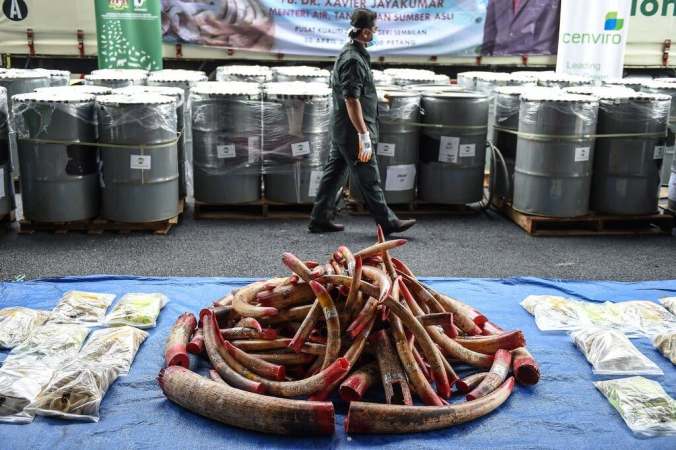
Seized ivory tusks before being destroyed at a waste management center in Port Dickson, Malaysia, in 2019. Mohd Rasfan/Agence France-Presse — Getty Images

Poaching has a puzzling array of culprits as well as victims, and many possible solutions. I have thought over the years that the Tiger Trail approach was replicable for this purpose. But genetic technology might scale more effectively. And with climate change overshadowing other crises, you might think this topic is past its prime, so read the comments section at the end of this article. Thanks to Catherine M. Allchin (how did we miss her prior work?) for this story, and please click through to read it in the New York Times:

It Helped Catch Serial Killers. Can It Stop Elephant and Wildlife Poachers, Too?

Scientists used a genetic investigation technique with the aim of helping turn the tide against illicit hauls of ivory and other animal parts.

Cambodian law enforcement officials received a tip from investigators in the U.S. Department of Homeland Security. Continue reading

Where Dollars Do The Most For Climate

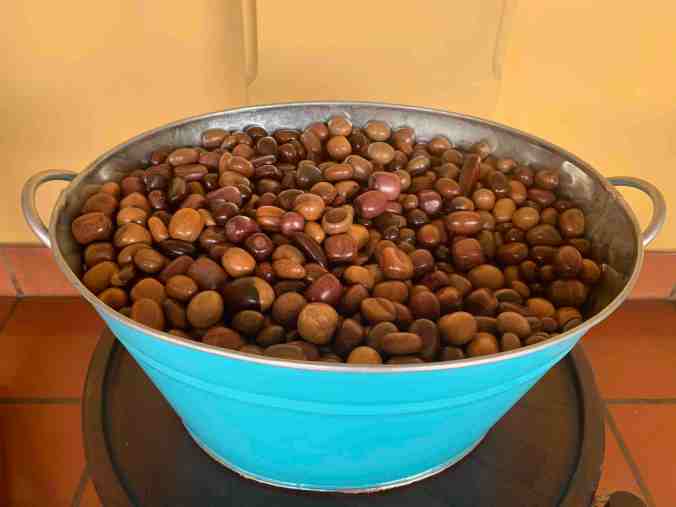
Wood artisans take remainders leftover after the creation of larger artifacts, and recycle them by tumbling until smooth. An excellent alternative to polished stones, these “renewable pebbles” are available in the Authentica shops in Costa Rica.

We have been offering options on how to spend, while visiting Costa Rica, in ways that benefit the environment here. Small potatoes, but it is what we do.

Much more important for the planet as a whole, and for all humanity inhabiting it, is spending, or rather investing, that can have truly global impact. Robinson Meyer, a staff writer at The Atlantic, and author of the newsletter The Weekly Planet, has this useful guide for citizens of the USA:

Allison Bailey / NurPhoto / AP

A New Estimate of the ‘Most Effective’ Way to Fight Climate Change

Climate-concerned donors should focus on helping to pass climate policy, not offset their emissions, an advisory group says.

On a dollar-for-dollar basis, where will your money do the most to fight climate change? Continue reading

Orca, Climeworks & The Philosopher’s Stone

We started noticing Climeworks three years ago and have posted about Orca a couple times since then. But the video above is worth the longer look, and our thanks to Yale Climate Connections for pointing to it in their story Iceland facility sucks carbon dioxide from air, turns it into rock:

(Image credit: Climeworks video)

The technology will need a lot of scaling up to make a difference to the climate.

In Iceland, a new facility called Orca is pulling carbon dioxide out of the air so it can be stored underground. Continue reading

More Solar Canopy Initiatives

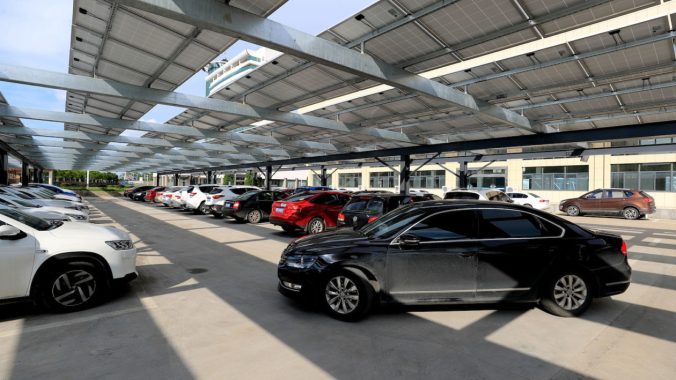
A solar-covered parking lot at the plant of Anhui Quanchai Engine Co., Ltd. in Chuzhou, China. IMAGINECHINA VIA AP IMAGES

Using solar panels to create shade for coffee trees requires thought about the tradeoffs between the non-shade benefits trees otherwise provide: (nitrogen-fixing in the case of poro trees, plus bird habitat and other biodiversity benefits) and the non-shade benefits that solar panels provide (renewable energy). Solar panels on parking lots and other roofs, on the other hand, seems the definition of a no-brainer. Our thanks to Richard Conniff and Yale e360, as always:

Why Putting Solar Canopies on Parking Lots Is a Smart Green Move

Solar farms are proliferating on undeveloped land, often harming ecosystems. But placing solar canopies on large parking lots offers a host of advantages — making use of land that is already cleared, producing electricity close to those who need it, and even shading cars.

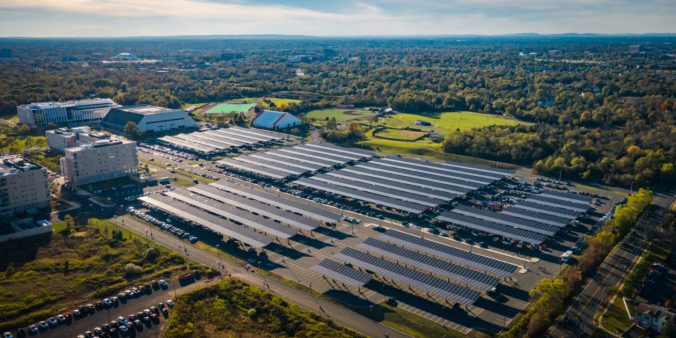
A solar parking facility at Rutgers University in Piscataway, New Jersey, with an output of 8 megawatts of electricity.

Fly into Orlando, Florida, and you may notice a 22-acre solar power array in the shape of Mickey Mouse’s head in a field just west of Disney World. Nearby, Disney also has a 270-acre solar farm of conventional design on former orchard and forest land. Park your car in any of Disney’s 32,000 parking spaces, on the other hand, and you won’t see a canopy overhead generating solar power (or providing shade) — not even if you snag one of the preferred spaces for which visitors pay up to $50 a day. Continue reading

Global North, Global South & Responsibilities

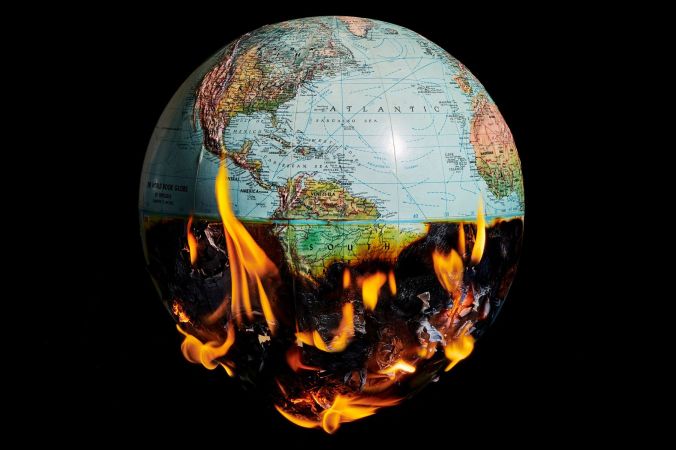
Photo: Hannah Whitaker; Prop Styling: Marina Bevilacqua.

David Wallace-Wells has done it again. Devastated me with considerations I should have had on my own, but had not. And he makes it so vivid that once you see his point you cannot stop seeing it. Having lived in the Global South for a majority of my adult years, but having been born into and lived in the Global North for the first half of my life, this story resonates with me in ways I cannot quite describe. But the quote from Proverbs in yesterday’s post seems even more intensely relevant:

Climate Reparations

A trillion tons of carbon hangs in the air, put there by the world’s rich, an existential threat to its poor. Can we remove it?

I. What Is Owed

Brazil, 2019. Photo: Cristina de Middel/Magnum Photos

The math is as simple as the moral claim. We know how much carbon has been emitted and by which countries, which means we know who is most responsible and who will suffer most and that they are not the same. We know that the burden imposed on the world’s poorest by its richest is gruesome, that it is growing, and that it represents a climate apartheid demanding reparation — or should know it. We know we can remove some of that carbon from the atmosphere and undo at least some of the damage. We know the cost of doing so using tools we have today. And we know that unless we use them, the problem will never go away. Continue reading

Will Consumers Choose Less Animal Protein, Even With Excellent Alternatives?

It is a theme we cover frequently, and hope to see more of in the future from the Economist’s excellent writers:

Technology can help deliver cleaner, greener delicious food

Whether consumers want it is another question, says Jon Fasman

“Tell me what kind of food you eat, and I will tell you what kind of man you are,” wrote Jean Anthelme Brillat-Savarin, a French lawyer and epicure, in the early 19th century. The epigram opens “The Physiology of Taste,” one of those delightfully dilatory, observational works at which his age excelled. Continue reading

A Bit Of Merlin’s Backstory

Heather Wolf. Illustration by João Fazenda

Five years ago David Owen wrote a short article that fit well with the recycling and upcycling themes we frequently cover so we linked to it. Since then his writing caught my eye again on a related theme, and then earlier this year wrote one of my favorite profiles of recent years. This week I am drawn to his work again. Seth first introduced us to Merlin, after his three years working at the Lab of Ornithology. Merlin has been improving, and we have given it a few more looks since then. But today I am happy to learn more about the app’s backstory:

Meet Merlin, the Bird-Identifying App

How Heather Wolf, a part-time juggling impresario, turned her birding habit into an app that pegs species—even on the Brooklyn Bridge—using both images and birdsong.

Heather Wolf earned a degree in sociology at U.C.L.A., then spent six years playing electric bass in a travelling band. She earned a master’s degree in information science, moved to Brooklyn, and worked as a software developer for a company based in Manhattan. Continue reading

The New Race In Wind Energy, Between Fixed And Floating Turbines

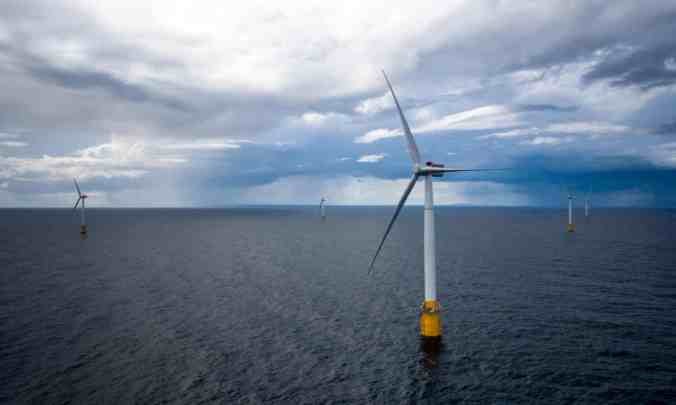
The world’s first floating wind farm 15 miles offshore of Aberdeenshire, in Scotland. The 30 megawatt installation can power approximately 20,000 households Photograph: Xinhua/Alamy

Wind, of all the alternative energy sources we pay attention to, requires vast areas for generation. So water has become the go-to place to place the turbines. It looks like the new race is whether to have the turbines fixed or floating:

Floating wind turbines could open up vast ocean tracts for renewable power

Technology could help power a clean energy transition if it can overcome hurdles of cost, design and opposition from fishing

In the stormy waters of the North Sea, 15 miles off the coast of Aberdeenshire, in Scotland, five floating offshore wind turbines stretch 574 feet (175 metres) above the water. The world’s first floating windfarm, a 30 megawatt facility run by the Norwegian company Equinor, has only been in operation since 2017 but has already broken UK records for energy output. Continue reading

Peak Oil & Consequences

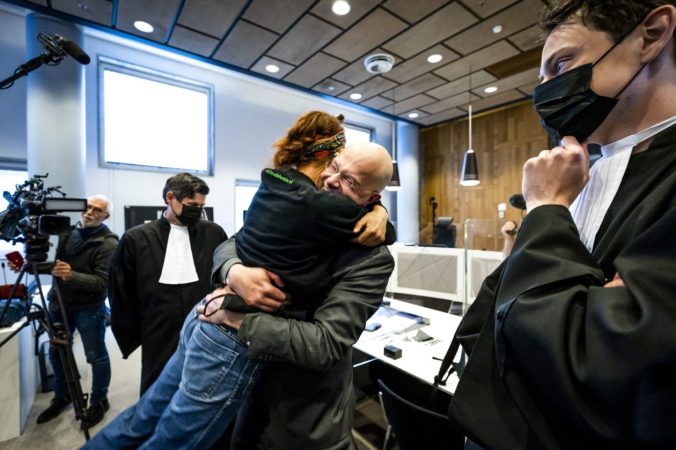
Donald Pols, director of the environmental group Milieudefensie, celebrates on May 26 after a court in the Netherlands ordered Shell to slash its emissions. REMKO DE WAAL / ANP / AFP VIA GETTY IMAGES

The hug says all you need to know. Our kids, our grandchildren, and generations to follow will all be wondering why we we fiddled so long while carbon burned. The consequences of choices we make now related to the future of fossil fuel use are epic:

Amid Troubles for Fossil Fuels, Has the Era of ‘Peak Oil’ Arrived?

For years, analysts have predicted that rising world oil consumption would peak and start declining in the coming decades. But with a recent string of setbacks for big oil companies and the rapid advance of electric vehicles, some now say that “peak oil” is already here.

An oil platform facility operated by French oil giant Total in the Atlantic Ocean off the coast of Angola in 2018. RODGER BOSCH / AFP VIA GETTY IMAGES

May was arguably the worst month ever for big oil — and the best for its opponents — as courts and corporate shareholders sided with environmental activists to humble the biggest of the fossil-fuel giants, culminating in “Black Wednesday.”

Electric taxis line up at a train station in Shenzhen, China in October, 2019. NIKADA VIA GETTY IMAGES

On that day, May 26, three events occurred that would have seemed nearly impossible not long ago: activists angry at ExxonMobil’s climate policies won three seats on its board of directors; Chevron shareholders voted to force the company to start cutting emissions; and a judge in the Netherlands ruled that Shell must slash its emissions by 45 percent by 2030.

So what’s next for big oil? Is the game up? Have we reached peak oil? Continue reading

Methane Leaks Plugged With Help From Above

Thanks to Public Broadcasting Service (USA) for this:

Satellites seek out methane leaks from pipelines, oil fields, landfills and farms

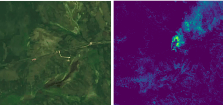
Satellite imagery shows a Russian gas pipeline (left) and highlights huge amounts of methane (right) being emitted from the pipeline on September 6, 2019. Kayrros and Modified Copernicus Data, 2019

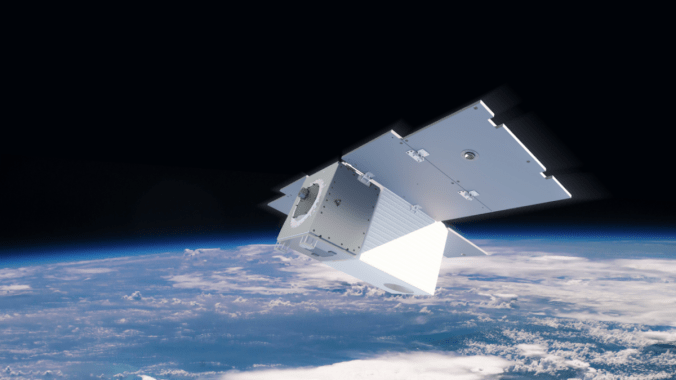
The threat was invisible to the eye: tons of methane billowing skyward, blown out by natural gas pipelines snaking across Siberia. In the past, those plumes of potent greenhouse gas released by Russian petroleum operations last year might have gone unnoticed. But armed with powerful new imaging technology, a methane-hunting satellite sniffed out the emissions and tracked them to their sources.

Thanks to rapidly advancing technology, a growing fleet of satellites is now aiming to help close the valve on methane by identifying such leaks from space. The mission is critical, with a series of recent reports sounding an increasingly urgent call to cut methane emissions. Continue reading

Moonshot To Meatless

Peter Prato for The New York Times

Last month I learned enough from Ezra Klein’s food-related conversation with Mark Bittman to share the podcast episode. I listen to his podcast for the quality of his discussions with knowledgeable guests. But he is also a great essayist and yesterday he published an op-ed essay that is worth a read on a topic we have linked to many times:

Let’s Launch a Moonshot for Meatless Meat

It wouldn’t actually take that much of an investment for Biden to get us headed in the right direction.

I’m a vegan, but I’m also a realist. There’s no chance humanity is going to give up meat, en masse, anytime soon. That said, we can’t just wish away the risks of industrial animal agriculture. If we don’t end this system, soon, terrible things will happen to us and to the planet. Terrible things are already happening. Continue reading

Protecting Small Businesses From Amazon’s Monopoly Power

I am responsible for managing a small enterprise. As we expanded into ecommerce some months ago, I looked into the advantages offered by Amazon’s fulfillment services. But the disadvantages, which I have been reading about and posting about here for some years outweighed the advantages.

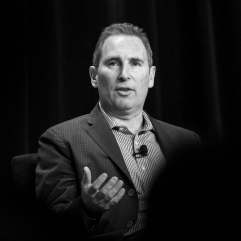
Andy Jassy. David Paul Morris/Bloomberg

Having just read this op-ed on the same topic, I am more convinced than ever of the dangers Amazon poses to companies like ours. Maureen Tkacik, a senior fellow at the American Economic Liberties Project, does an an additional service by highlighting the efforts of Congresswoman Lucy McBath (who Amie had the good fortune to be able to campaign for and who our family voted for when we resided in her district during her first campaign) to hold the company accountable:

What Jeff Bezos Hath Wrought

The Amazon founder prepares to step back just as Washington turns up the heat on the mega-retailer and cloud company.

If I had to guess who inspired Amazon’s founder, Jeff Bezos, to kick himself upstairs and appoint Andy Jassy, a deputy, as his successor as chief executive, I might wager that at least part of the blame can be laid on Lucy McBath, the freshman Georgia congresswoman, and her understated grilling of one of the world’s richest men at a July hearing held by the House antitrust subcommittee. Continue reading

Geographic Information Systems, Tool For Conservation

Burhans realized that the Church had lost track of its vast landholdings. Photograph by Isabel Magowan for The New Yorker

When I was a doctoral student I was introduced to geographic information systems. I became interested in how this tool might be of use in the hospitality industry. By the time I co-authored a second article about this, I already had my dissertation research focused on an entirely different topic, and I also had a job offer in Costa Rica to put that research to use. So, my GIS fascination was short-lived. But it was revived in the last couple of years as Seth focused his graduate school education on how to use this tool for land stewardship and natural resource management. So, reading this article by David Owen was a delight on multiple fronts. Foremost is the knowledge that the tool I found useful for business purposes has an equally powerful use for conservation:

How a Young Activist Is Helping Pope Francis Battle Climate Change

Molly Burhans wants the Catholic Church to put its assets—which include farms, forests, oil wells, and millions of acres of land—to better use. But, first, she has to map them.

The role of the cartographer, according to Molly Burhans, is not just data analytics. “It’s also storytelling,” she said. Photograph by Isabel Magowan for The New Yorker

In the summer of 2016, Molly Burhans, a twenty-six-year-old cartographer and environmentalist from Connecticut, spoke at a Catholic conference in Nairobi, and she took advantage of her modest travel stipend to book her return trip through Rome. When she arrived, she got a room in the cheapest youth hostel she could find, and began sending e-mails to Vatican officials, asking if they’d be willing to meet with her. She wanted to discuss a project she’d been working on for months: documenting the global landholdings of the Catholic Church. To her surprise, she received an appointment in the office of the Secretariat of State.

On the day of the meeting, she couldn’t find the entrance that she’d been told to use. She hadn’t bought a sim card for her phone, so she couldn’t call for help, and, in a panic, she ran almost all the way around Vatican City. The day was hot, and she was sweating. At last, she spotted a monk, and she asked him for directions. He gave her a funny look: the entrance was a few steps away. A pair of Swiss Guards, in their blue, red, and yellow striped uniforms, led her to an elevator. She took it to the third loggia of the Apostolic Palace, and walked down a long marble hallway. On the wall to her right were windows draped with gauzy curtains; to her left were enormous fresco maps, commissioned in the early sixteenth century, depicting the world as it was known then. Continue reading