Points For Creativity

Edward Constance and Brian Souyana race on Rasta Rocket, made from plastic drain pipes and fishing buoys that washed up on Aldabra. About 68 tonnes of marine litter a year is washed ashore

Do not ask yourself whether this will change anything; just smile and acknowledge that it is probably not hurting anyone to have some creative fun with environmental disasters:

Recycled regatta: world heritage site highlights plastic pollution crisis

When environmentalists on a Seychelles atoll decided to race boats made from ocean litter, they had 500 tonnes to pick from

Photographs: Anna Koester/Seychelles Islands Foundation

Martin van Rooyen, a researcher, and Luke A’Bear, a science coordinator, prepare to set sail on Red Lion, buoyed by discarded oil drums

Red Lion is the kind of boat you would not see in most regattas. Its frame is made of bamboo, sourced from washed-up fishing equipment, and it uses two old oil drums for buoyancy.

Equally strange is Rasta Rocket – made from old plastic drain pipes, washed-up floats and fishing buoys.

These were two of the boats in the inaugural Aldabra Regatta: an ironic attempt to draw attention to marine plastic pollution by racing boats made from marine debris. Continue reading
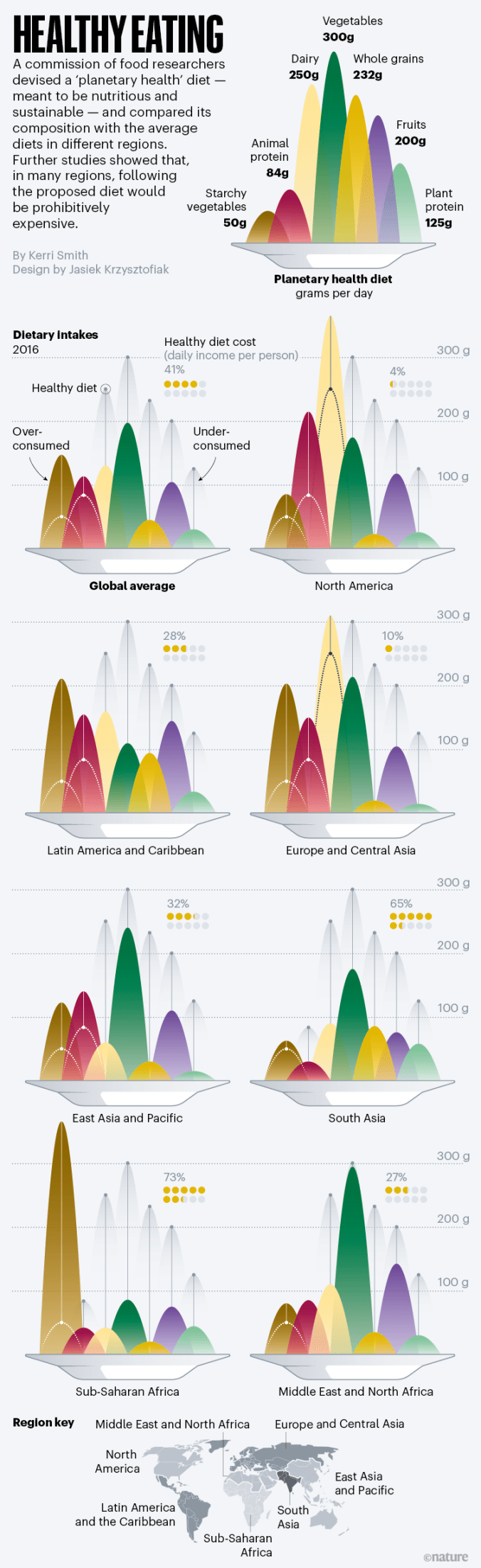
Planetary Health Diet

What we should eat for the sake of our individual and communal futures is one of the topics most posted on this platform.  Gayathri Vaidyanathan’s article below adds to the most macro of perspectives on these topics. It takes a moment to process the information in the graphic above, but this article from the journal Nature makes it clear:

What humanity should eat to stay healthy and save the planet

What we eat needs to be nutritious and sustainable. Researchers are trying to figure out what that looks like around the world.

Illustration by Paweł Jońca

A clutch of fishing villages dot the coast near Kilifi, north of Mombasa in Kenya. The waters are home to parrot fish, octopus and other edible species. But despite living on the shores, the children in the villages rarely eat seafood. Their staple meal is ugali, maize (corn) flour mixed with water, and most of their nutrition comes from plants. Continue reading

Greenpeace @ 50

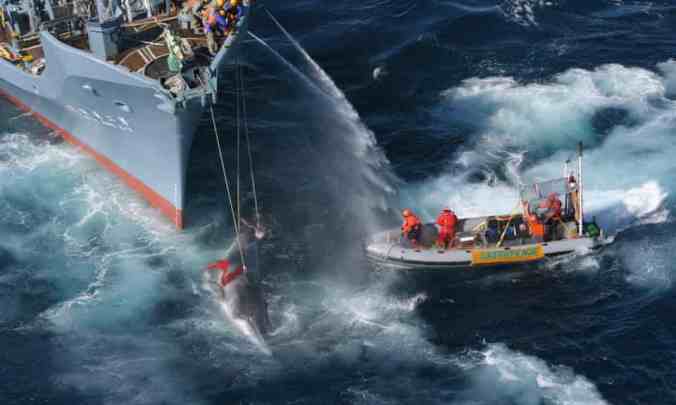
Greenpeace ship MY Esperanza and activists try to hinder the shooting of a minke whale by the Yushin Maru No.2 catcher ship. Photograph: Kate Davison/Greenpeace

Paul Watson and Sea Shepherd were favorite post topics for a while, but long time no see. With a major anniversary for Greenpeace, a look at other important images from their history seems a fitting tribute:

Greenpeace: half a century on the frontline of environmental photo activism

On the organisation’s 50th anniversary, former head of photography at Greenpeace International talks about the motives behind the creation of its picture desk

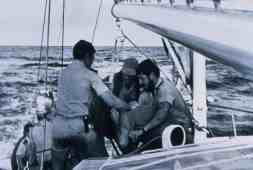
Vega boarded by French commandos in Moruroa, 1973. Photograph: Ann-Marie Horne

Fifty years ago, on 15 September 1971, a ship named the Greenpeace set out to confront and stop US nuclear weapons testing at Amchitka, one of the Aleutian Islands in south-west Alaska.

Two years later a small boat called the Vega, crewed by David McTaggart, Ann-Marie Horne, Mary Horne and Nigel Ingram sailed into the French nuclear test site area at Moruroa, French Polynesia in the southern Pacific Ocean. Continue reading
Society for the Protection of Underground Networks

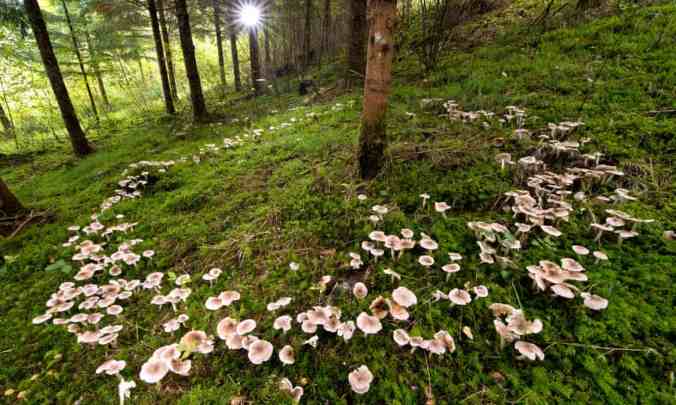
Hotspots of mycorrhizal fungi are thought to be under threat, from agriculture, urbanisation, pollution, water scarcity and changes to the climate. Photograph: Biosphoto/Alamy

We featured three articles by Fiona Harvey, Environment correspondent for the Guardian, each in 2016 on quite different topics, and then we did not see her again until today. Our attention to fungi has been constant since Milo got the topic started in 2011, and SPUN’s mapping project counts as good news:

World’s vast networks of underground fungi to be mapped for first time

Project aims to help protect some of trillions of miles of the ‘circulatory system of the planet’

Vast networks of underground fungi – the “circulatory system of the planet” – are to be mapped for the first time, in an attempt to protect them from damage and improve their ability to absorb and store carbon dioxide. Continue reading
More Trees Now

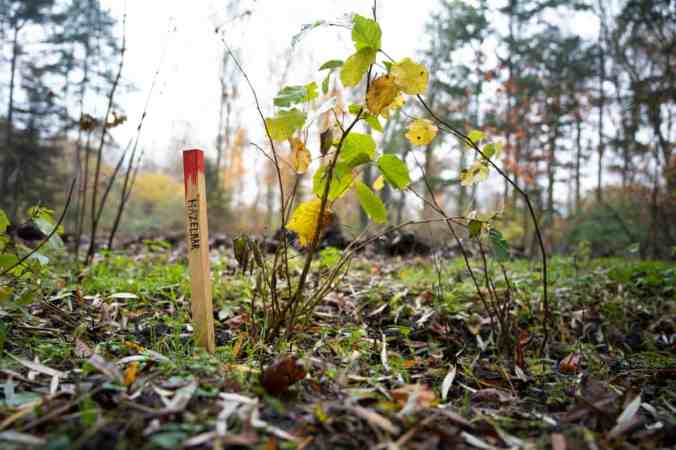
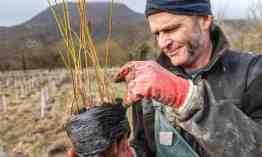
A hazel sapling (Corylus avellana) in the ditches of the tree hub at Amsterdamse Bos. Photograph: Judith Jockel/The Guardian

The trillion trees concept, which inspires but has had its share of legitimate questions, has a scrappy cousin with a novel approach:

‘Every tree counts’: Dutch come up with cunning way to create forests for free

More Trees Now aims to give away 1m unwanted saplings to farmers and councils with hope idea will spread across Europ

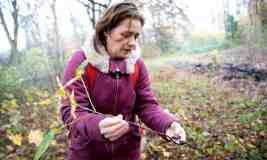
Hanneke van Ormondt saves a sapling at the tree hub in Amsterdamse Bos, Amsterdam, the Netherlands. Photograph: Judith Jockel/The Guardian

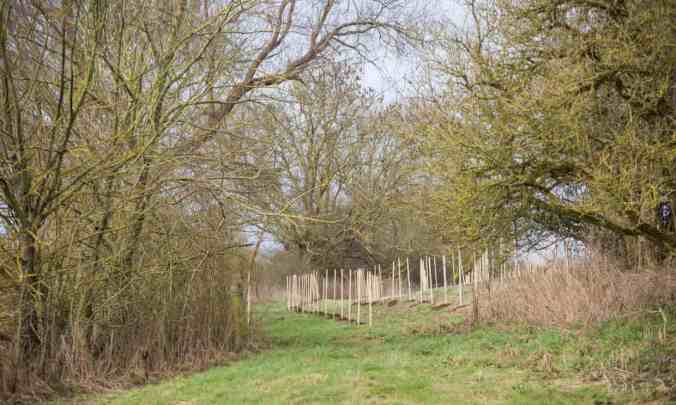
In a clearing in the Amsterdamse Bos, a forest on the outskirts of the Dutch capital, is a “tree hub” where hundreds of saplings, among them hazelnut, sweet cherry, field maple, beech, chestnut and ash, are organised by type.

The idea behind it is simple: every day unwanted tree saplings were being cleared and thrown away when those young trees could be carefully collected and transplanted to where they are wanted. Continue reading

Thanksgiving, Organikos & Authentica At Year 3

Introduced at the Authentica shops in Costa Rica on Thanksgiving Day, 2021

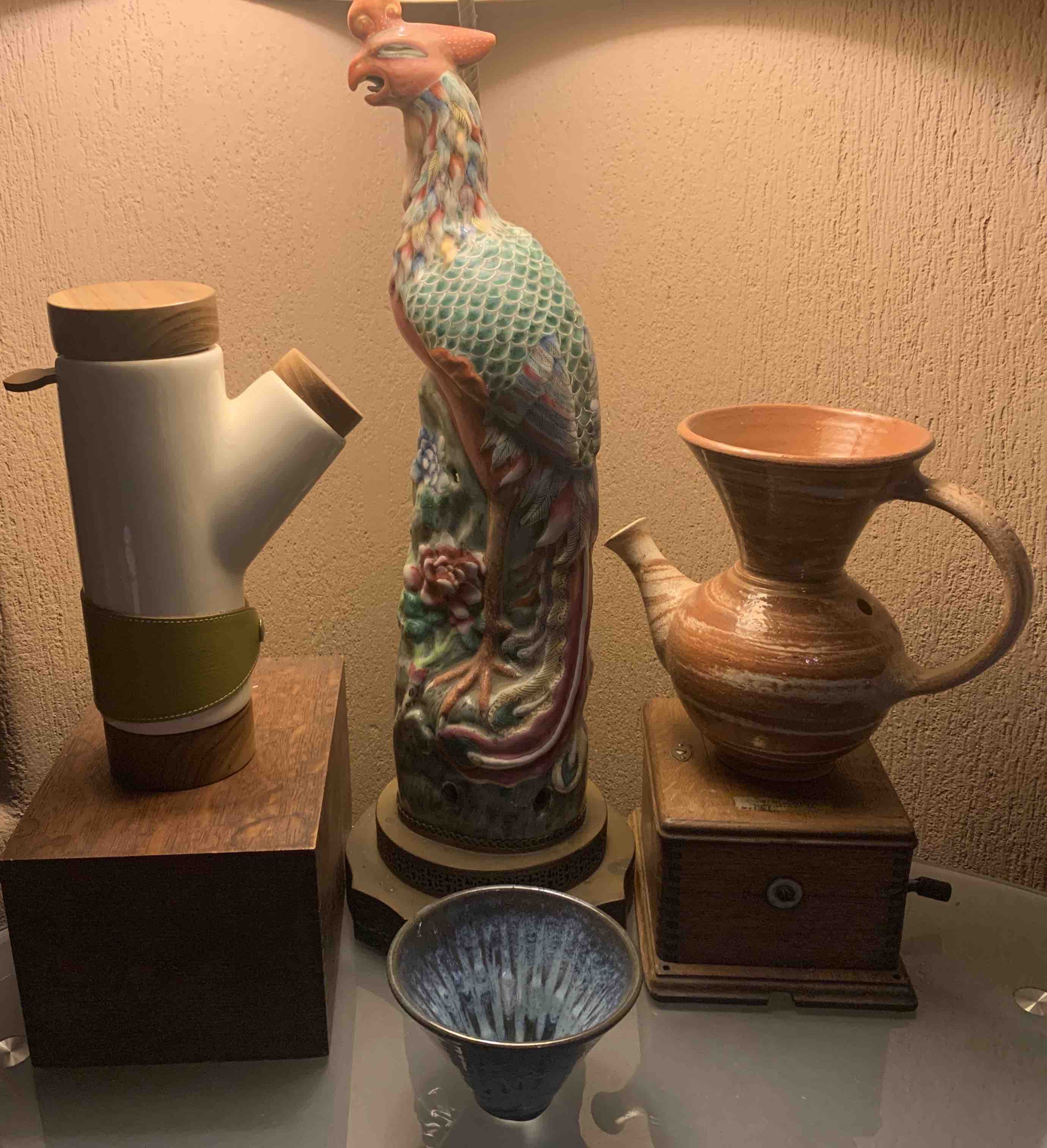
The base of the lamp at my desk is a ceramic bird that serves as a year-round reminder of Thanksgiving. And the ceramic coffee artifacts on my desk serve the same purpose, reminding me each time I sit to work that there are constantly plenty of reasons to give thanks.

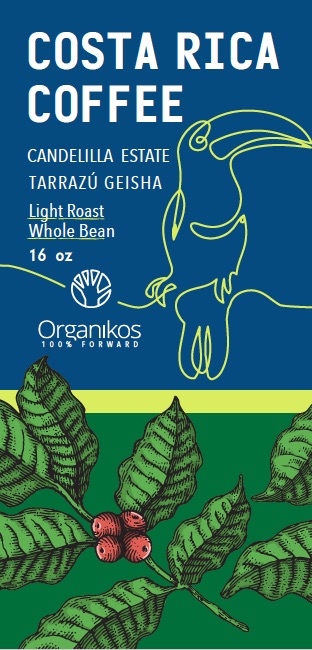
We opened two Authentica shops in Costa Rica on Thanksgiving weekend 2019. Sophomore year for both Organikos and Authentica was mettle-testing. We passed. If flying colors were not evident enough in how we passed, here they are in the label for our newest coffee. First introduced last month to a group of students at Cornell University, whose tasting notes we have appreciated receiving, as of today it is available in our shops in Costa Rica.

So, thanks for all that.

In The UK, Trees Say I Love You

One of the National Trust’s tree-planting projects, at Kingston Lacy in Dorset. Its Plant a Tree appeal has topped £1m. Photograph: James Dobson/National Trust/PA

Planting trees is part of our business model. So, we love this news:

Forget flowers – poll shows third of people prefer to say I love you with a tree

National Trust says tree giving growing in popularity but only 7% know best season to plant

A National Trust ranger, David Smith, preparing saplings for planting at Hafod Garegog in north Wales. Photograph: Paul Harris/National Trust/PA

For centuries people have said it with flowers but research suggests a new tradition is gaining popularity in the UK – expressing love, thanks, perhaps even regret with the gift of a tree.

A third of people said they would consider saying it with a tree rather than a bouquet and more than one in 10 had already done so, according to the research commissioned by the National Trust.

However, the conservation charity also said only 7% of people in the UK knew the best time of year to plant, and it was launching a drive to improve “tree literacy”. Continue reading
Solar Canopy + Bellwether Roaster = Interesting Option

As we consider new canopy options, a switch to electric roasting of Organikos coffee also seems clearly worthy of consideration. I just found out about this company, and its sustainability report from last year puts it high on my list of roasters to consider:

Letter from Bellwether

We would be remiss to start our Sustainability Report without acknowledging what a crazy year 2020 was. A global pandemic forced many of our customers, like other businesses across the world, to close their doors. Continue reading
Poro Canopy Growth

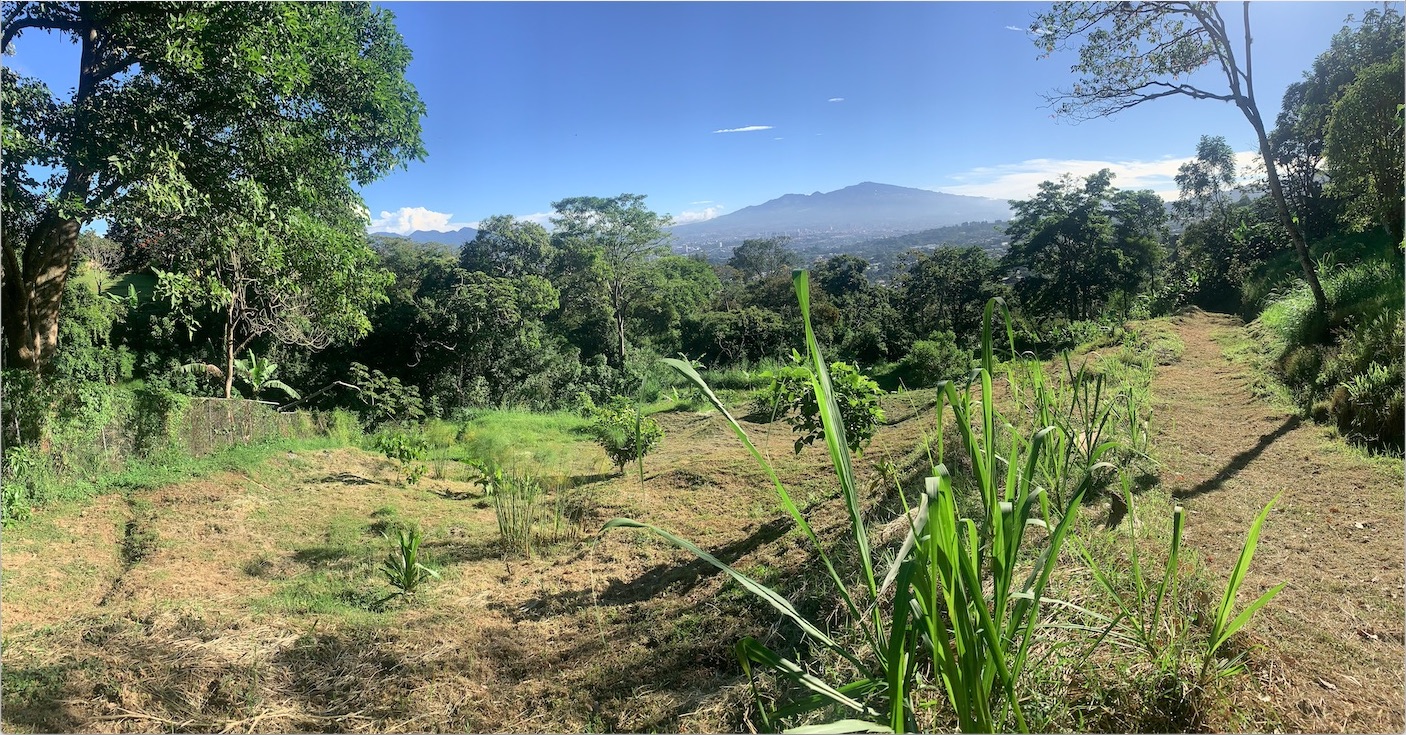
Last image like this that I posted was showing the sugarcane along the berm. In the centerground of the photo above, which I just took, and in earlier photos with a similar view, you can see some of the maturing poro saplings planted last year.

Having mentioned in yesterday’s post the idea of supplementing poro shade with solar panel shade, today I am sharing some images of these young trees after planting the seedlings one year ago.

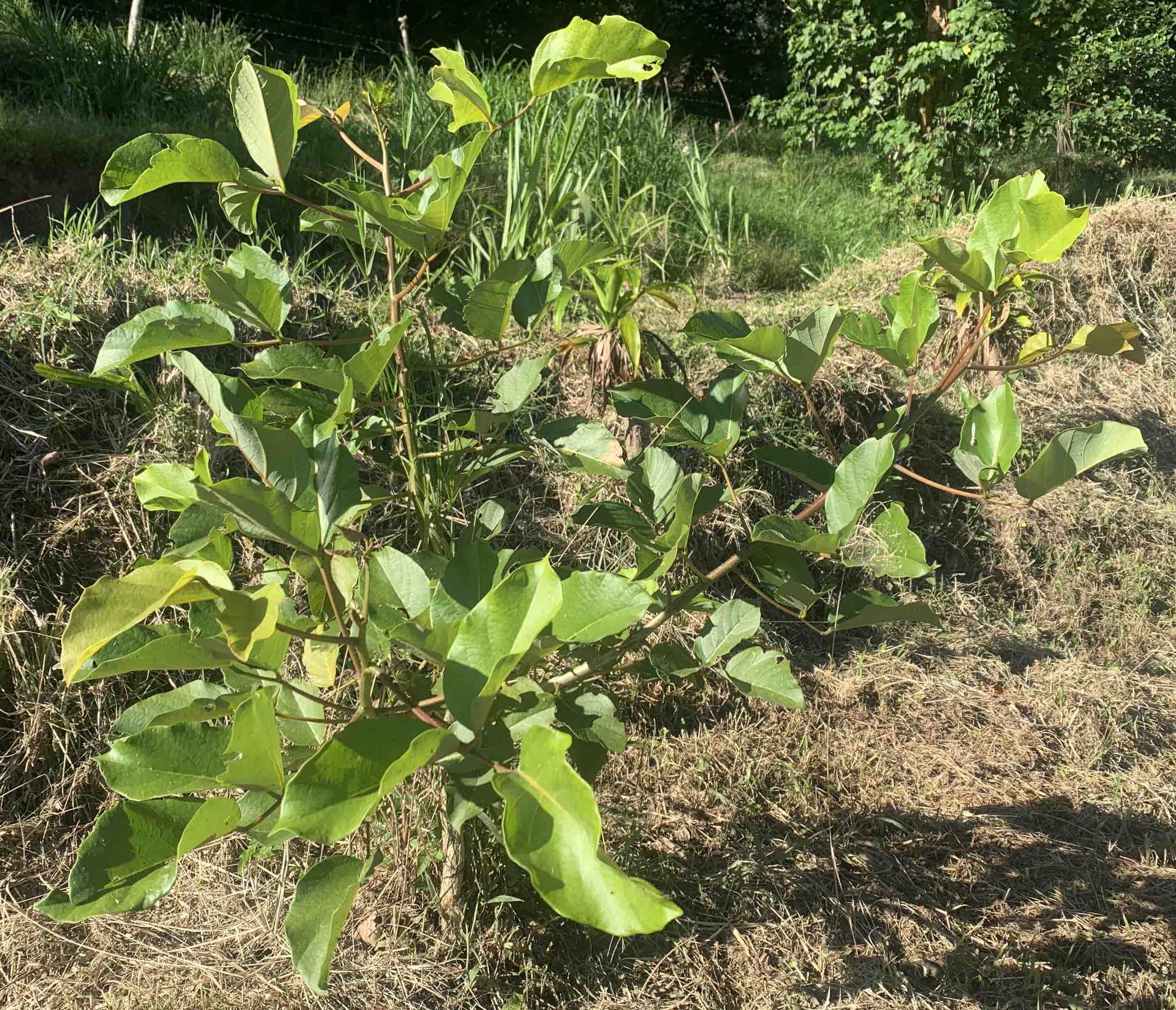
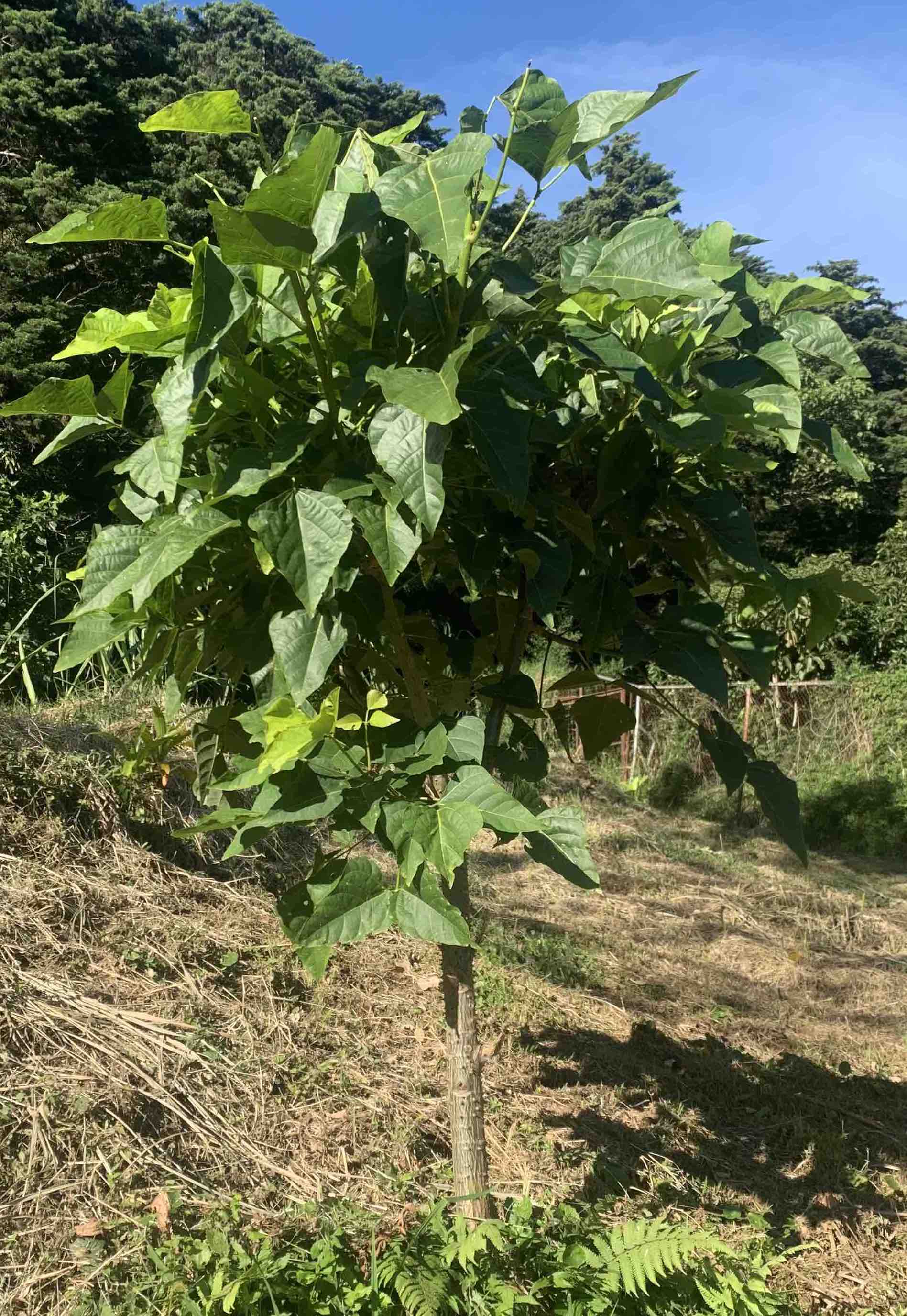
Most have grown to be between four and eight feet in height.

In addition to the seedlings planted, some larger specimens were planted that came from branch cuttings from the best poro on the property.

For example, this tree above is from a branch we pruned that was about four inches in diameter; the one below from a branch even thicker.

Solar panels would be in very good company.

What Are You Willing To Do To Protect The Environment?

ILLUSTRATION: PABLO HURTADO DE MENDOZA

Elizabeth Flock has written the most unusual article I have ever read published by The Economist (in this case its 1843 magazine, which offers longform stories). The question in the title of her article below gives the reader permission to draw their own conclusion on the ethics of destruction of private property in the interest of environmental justice. It is the second time I have been surprised in such a way (this conversation was even more surprising since it was the first time a mainstream publication raised such a question). This article poses the question in the context of a very human story, well-told:

Two environmentalists sabotaged an oil pipeline in America. Are they terrorists or heroes?

As the devastating effects of climate change became impossible to ignore, Jessica Reznicek and Ruby Montoya took matters into their own hands

ILLUSTRATION: PABLO HURTADO DE MENDOZA

When Jessica Reznicek walked into a courtroom in Des Moines, Iowa, last June, her sun-weathered face was the only clue that she’d lived rough: that she’d camped at the edge of an oil-pipeline construction site for months; that she’d camped night after night all over the country when she and Ruby Montoya, her co-defendant, were on the run; that she’d camped simply because, as far back as she could remember, she loved being in nature.

Reznicek, dressed in a black trouser suit and white blouse with her blonde hair hanging neatly, hoped that the federal judge deciding her sentence might show her some sympathy (Montoya was due to be sentenced later in the summer). Continue reading

Thames Is Alive, Again

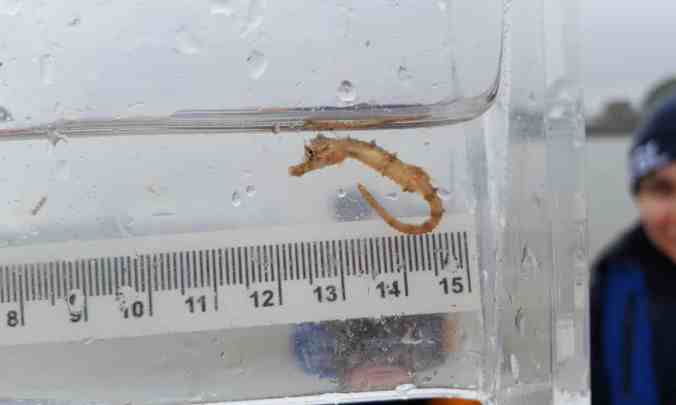
Species living in the Thames include seahorses and sharks. Photograph: ZSL

We will take good news where and how we can get it:

Seahorses and sharks living in River Thames, analysis shows

Zoological Society of London carries out most comprehensive survey since 1950s

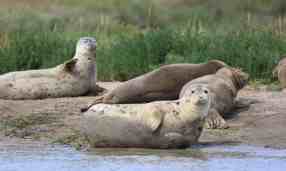
Since 2003 there has been as steady increase in seal populations in the Thames estuary. Photograph: ZSL

Seahorses, eels, seals and sharks are living in the tidal Thames, according to the most comprehensive analysis of the waterway since it was declared biologically dead in the 1950s.

But scientists from the Zoological Society of London (ZSL), who carried out the work, warn that the 95 miles of the tidal Thames is suffering from rising nitrate levels as a result of industrial runoff and sewage discharges. Water levels and temperature are also rising as a result of global heating. Continue reading

Sign Up For McKibben

James Watt, at work in the small University of Glasgow workshop where he basically invented the fossil fuel era

I am trying to imagine getting tired of reading Bill McKibben’s constant flow of commentary and news, even though most of it is dismal. It would be like getting tired of paying attention to the environment, especially climate issues. Yesterday’s observations from Glasgow are particularly rewarding, and I hope you will consider subscribing to his newsletter:

Glasgow: where climate wreckage began

And where it’s definitely not going to end

I spent part of the morning wandering the gorgeous Victorian courtyards of the University of Glasgow (they would seem familiar to you—it’s where they shot the exteriors for the Harry Potter films), trying to find the university chapel where I was supposed to give a lecture. Instead of that august sanctuary, I stumbled across the James Watt building—and with it a poignant set of reminders about just how quickly we’ve managed to bring the world to the edge of ruin. Continue reading
Beware of LEAF’s Possible Exclusions

Thanks to Fred Pearce, as always:

A Big New Forest Initiative Sparks Concerns of a ‘Carbon Heist’

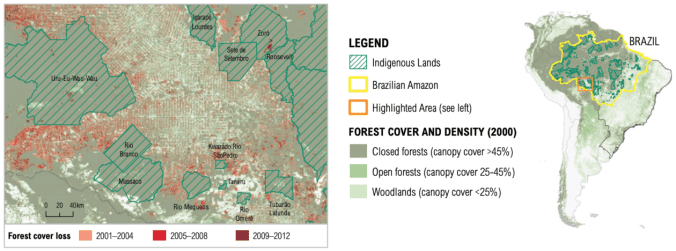
Major funding to finance forest conservation projects is set to be announced at the UN climate summit next week. But some environmentalists contend the LEAF program could exclude the Indigenous people who have long protected the forests that the initiative aims to save.

Indigenous lands on the western end Brazilian Amazon have seen far less deforestation than surrounding areas. WORLD RESOURCES INSTITUTE

After a decade of disappointing failures, UN-backed schemes to fight climate change by capturing carbon in the world’s forests are set for a comeback. Big new funding will be announced at next week’s climate conference in Glasgow, Scotland that would deliver billions of dollars in private finance for conservation projects in tropical forests, with governments and companies being able to use the carbon offsets from those projects to achieve their net-zero emissions pledges.

But concerns are growing that these new mega-offset projects will happen at the expense of forest communities. Continue reading
Scientists At Work

This book, about a scientist who has featured in plenty of posts on this platform, is introduced by one of our favorite writers with some juicy gossip from the halls of academia. I had no idea that the biology department at Harvard divided along the lines described here; the how is the juicy part and the why makes some sense–all for the best–knowing what we know now. As an aside, having taken my first calculus course as a doctoral student at age 30, with undergrads as classmates, I had a jolt of painful memory that made me even more respectful of this biologist’s determination.

Silent EarthThe second book reviewed in this essay is one we have pointed to previously, and the research that led to it was also featured much earlier. The backstory presented in this essay brings the science to life, so do read through to the end:

Where Have All the Insects Gone?

Scientists who once documented new species of insects are now charting their perilous decline—and warning about what it will mean for the rest of us.

In the summer of 1942, Ed Wilson, age thirteen, decided that it was time to get serious about research. He had already determined that he wanted to be an entomologist, a choice made partly out of interest and partly out of injury. As a child, he’d been fascinated with marine life. One day, he jerked too hard on a fish he caught, and one of its needlelike spines lodged in his right eye. The lens had to be removed, and, following the surgery, to see something clearly he needed to hold it up near his face. Insects were just about the only animals that submitted to this treatment. Continue reading
ICARDA, CGIAR & Future Food

Thanks to Helen Sullivan, as usual, for excellent reporting and clear implications:

A Syrian Seed Bank’s Fight to Survive

Scientists have raced to safeguard a newly precious resource: plants that can thrive in a changing climate.

The International Center for Agricultural Research in the Dry Areas, known as icarda, is housed in a cluster of small buildings on a dusty property in Lebanon’s Bekaa Valley, halfway between Beirut and Damascus. Its facilities, surrounded by fields of experimental grain, include a laboratory, nurseries, and a gene bank—a storage facility in which tens of thousands of seeds have been carefully saved and catalogued.

When I first visited, on an autumn afternoon in 2019, staff members in the main building were counting, weighing, and sliding seeds into small packets. Continue reading
Roses In The Cloister

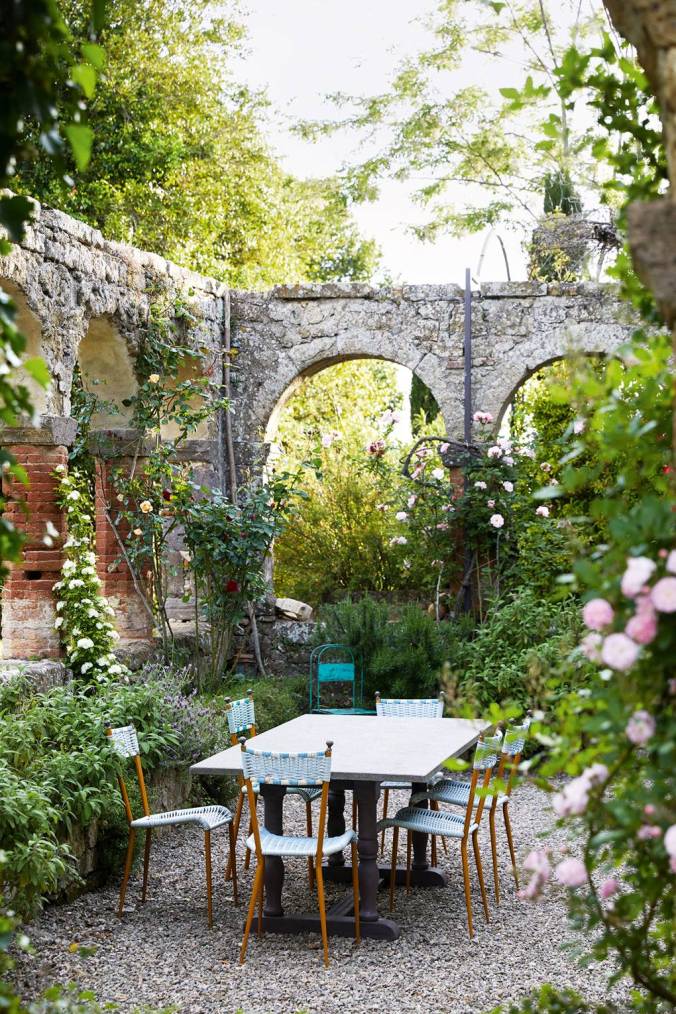
Roses in the cloister.   SIMON WATSON

Yesterday’s post linked to earlier ones with rose references, and one of those led me to a small correction. The photo above shows a slightly different angle on the roses in the garden of the restored convent. I had assumed those roses were very old. A bit of sleuthing led me to the fact that they were planted during the restoration, and they are “indeed quite perfumed.” For that and other reasons it is worth taking another look at that project, this time told by Olinda Adeane and with excellent photos by Simon Watson:

A mother & daughter’s restoration of a 16th-century Tuscan convent

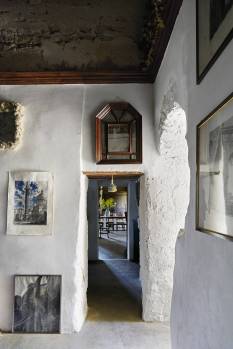
A mother-and-daughter design duo has taken an unconventional approach to the conversion of a sixteenth-century convent in Tuscany, filling the rooms with objects and artworks of their own making.

In the library, hand-coloured prints stand out against the white walls. SIMON WATSON

Henry James once described his friend Edith Wharton as a ‘great and glorious pendulum’ swinging back and forth across the Atlantic. In a similar fashion, Holly Lueders, a designer from New York, has returned to Greece every year since she first visited the country as an 18-year-old student. Holly grew up in a sleepy town in Missouri with little in the way of culture or local craft, but her family was artistic and good with their hands. ‘Anything we wanted, we made for ourselves,’ remembers Holly. She studied art history and archaeology at Columbia University and completed her studies in Athens. Continue reading
Seawalls Seem Inevitable

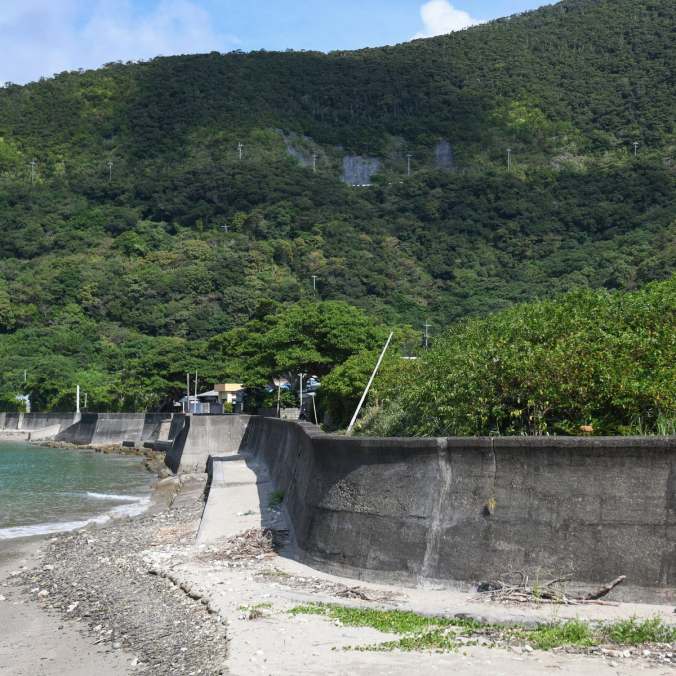
The seawall in front of Aminoko, a village near Katoku. Noriko Hayashi for The New York Times

This Pristine Beach Is One of Japan’s Last. Soon It Will Be Filled With Concrete.

In rural Japan, the unstoppable forces of nature meet the immovable determination of the construction state. Can this village survive?

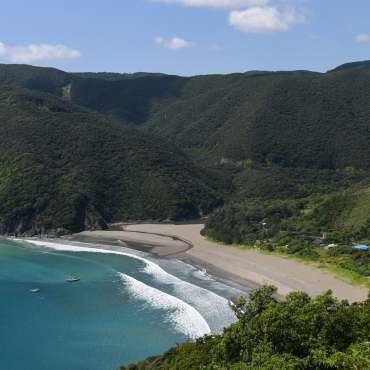
Katoku beach and its village are wrestling with how to cope with increasingly damaging storms. Noriko Hayashi for The New York Times

KATOKU, Japan — Standing on its mountain-fringed beach, there is no hint that the Japanese village of Katoku even exists. Its handful of houses hide behind a dune covered with morning glories and pandanus trees, the chitter of cicadas interrupted only by the cadence of waves and the call of an azure-winged jay.

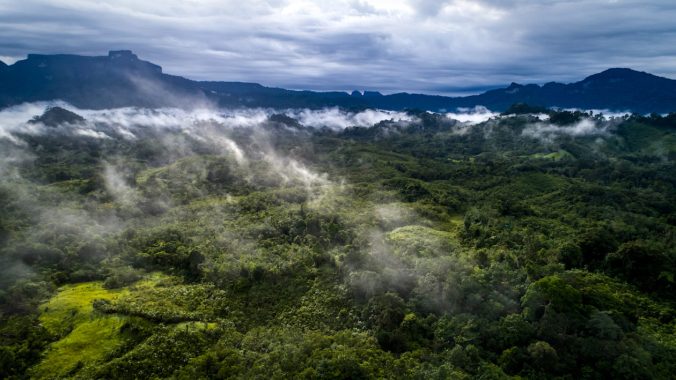
In July, the beach became part of a new UNESCO World Heritage Site, a preserve of verdant peaks and mangrove forests in far southwestern Japan that is home to almost a dozen endangered species. Continue reading
The Taste of a Place

It’s a feeling we come back to again and again, especially when talking about foods we love. Coffee, cheese, wine, tea…the  significance of each one resonates with both a sense of culture and place to where quite a few of the contributors to this site have called home.

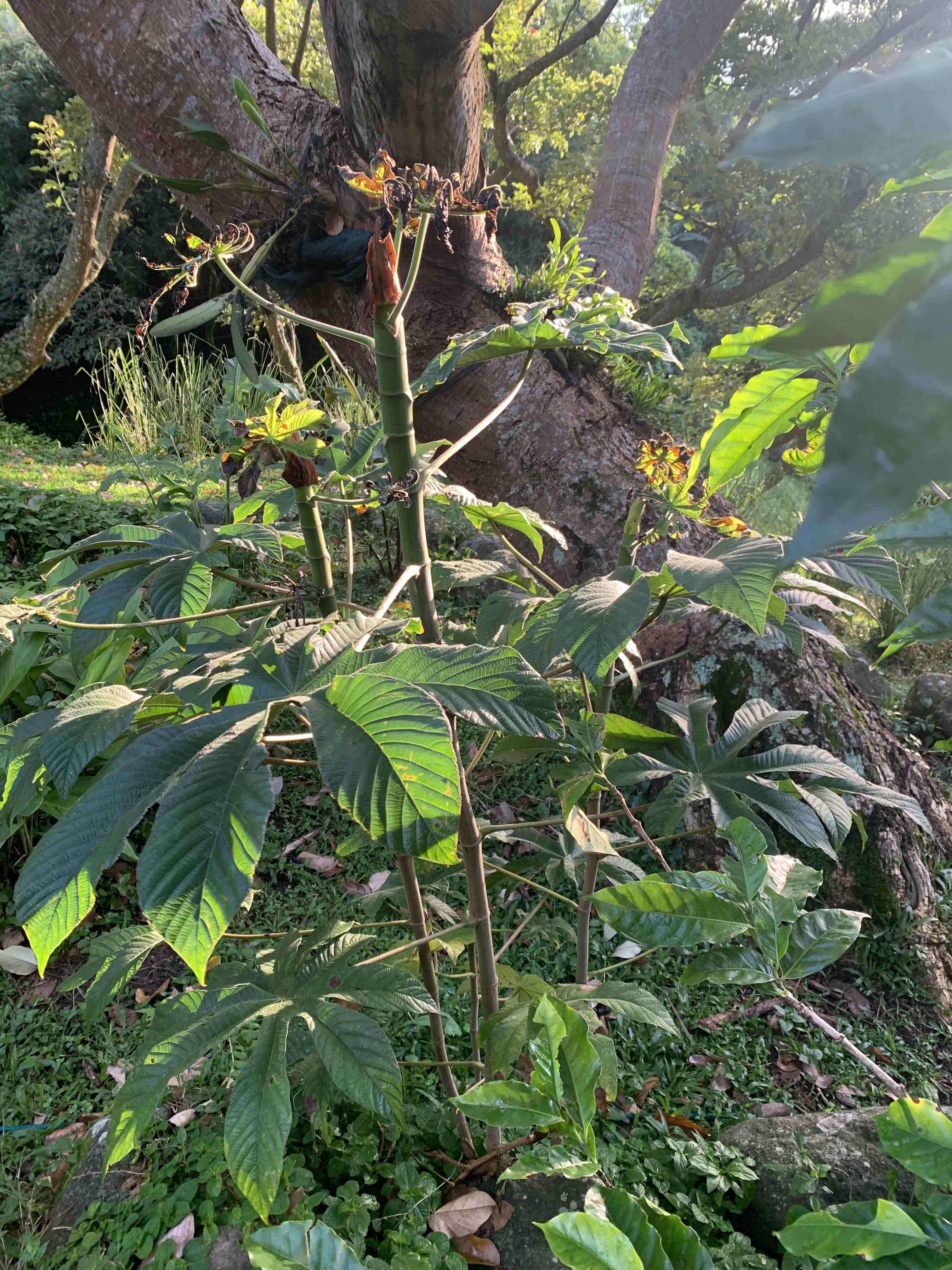
In the case of the image above, we peer into the poro trees we have mentioned numerous times. This particular poro, whose thick diagonally oriented trunk is situated at the uppermost point on the land where our coffee grows, is home to several orchids, both wild and cultivated. And in the foreground of the image a young cecropia tree is making its way upward, with a reddish top.

Next to the cecropia, out of the frame, is a mature coffee tree. Next to that is a young lime tree, and surrounding are various flowers and mano de tigre, aka monstera deliciosa. Just downhill from the trees and flowers in this image are bananas, plantain and sugar cane. The best coffees enjoy diverse company as they grow.

Jane Goodall & The Book Of Hope

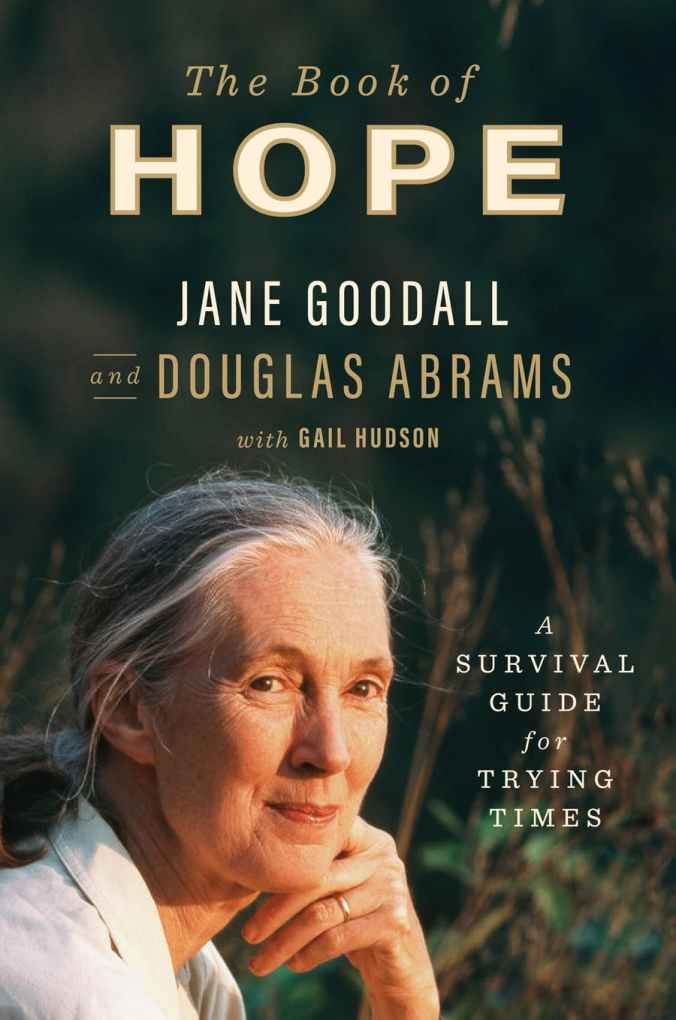
Click above to go to the publisher’s blurb about the book, and click below for the article Anna Russell, a wonderful writer in her own right, offers about the book and its subject:

Jane Goodall’s Survival Guide

The eighty-seven-year-old naturalist knocks around her home on the south coast of England and explains why, despite the floods and fires and melting ice caps, she’s still optimistic about planet Earth.

Jane Goodall Illustration by João Fazenda

Before the pandemic, Jane Goodall travelled three hundred days a year to speak to audiences about the climate crisis. “I used to do, like, three days in the Netherlands, three days in Belgium, three days in France,” Goodall, who is eighty-seven, recalled recently. In China or Australia, “it would be, like, two weeks, where they’d spread me through their country.” Everywhere she went, she met young people who were “angry, depressed, or just apathetic, because, they’ve told me, we have compromised their future and they feel there is nothing they can do about it,” she writes in her twenty-first and most recent work, “The Book of Hope: A Survival Guide for Trying Times.” Amid flooding and wildfires, impassivity and eco-grief, the question she was asked most often was “Do you honestly believe there is hope for our world?” Continue reading
Save The Waves @ Arroyo San Miguel

The young man who we met 15 years ago is going strong. Save The Waves Coalition has pulled off another small miracle:

SAN MIGUEL SURF BREAK PROTECTED WITH LANDMARK CREATION OF BAJA CALIFORNIA’S FIRST STATE PARK

Save The Waves Coalition and Pronatura Noroeste achieve approval for Arroyo San Miguel

In a historic moment for environmental and surf conservation, the first state park in Baja California, Mexico was officially approved, providing long-lasting protection for the iconic San Miguel wave alongside 67 hectares of green space.

The local initiative spearheaded by Pronatura Noroeste AC, and joined by international nonprofit Save The Waves Coalition (STW), has been in the works for years. Today, the campaign to legally protect San Miguel becomes a reality. Continue reading