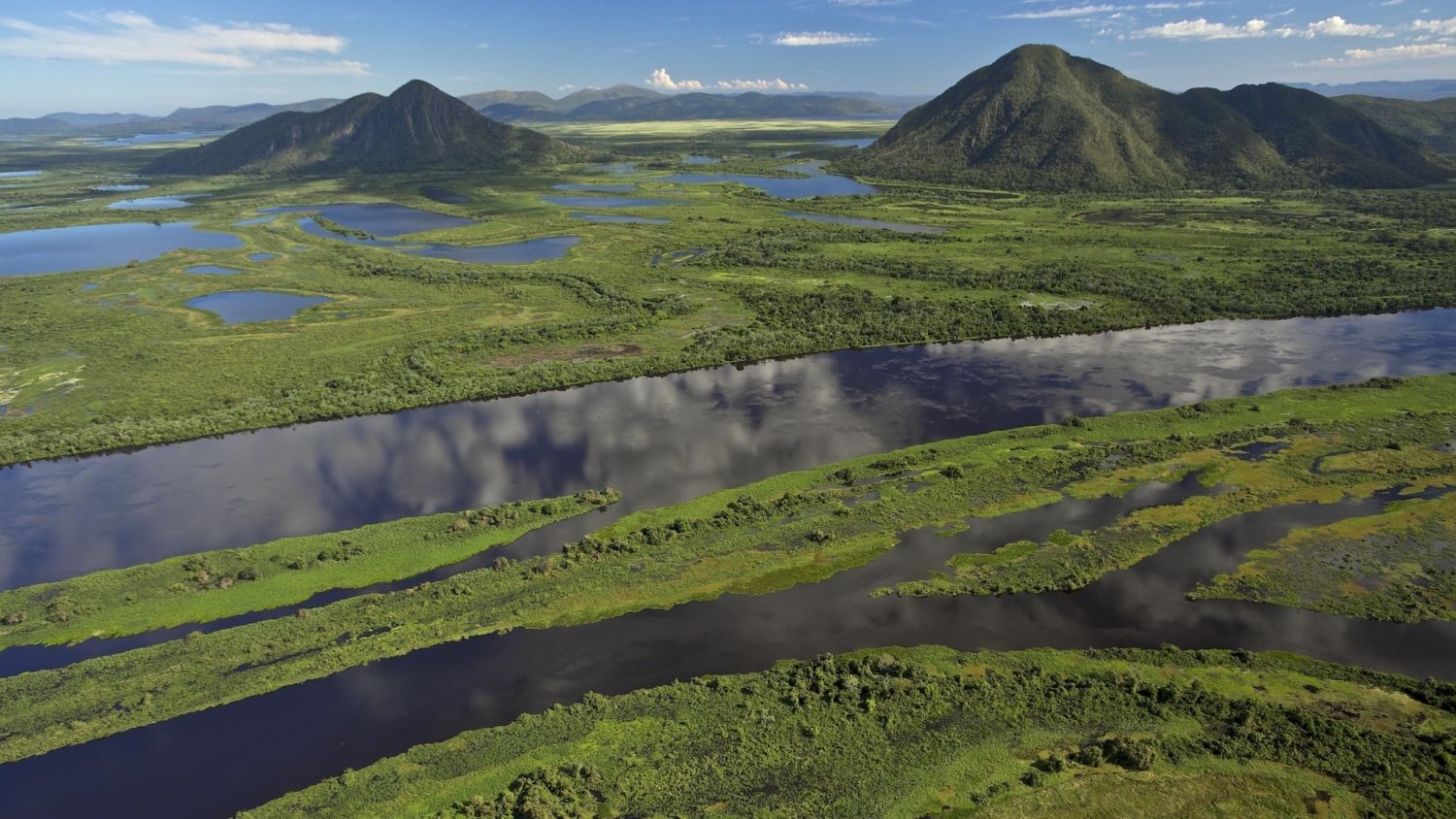
Pantanal Priorities

The Pantanal wetlands in Brazil.

The Pantanal wetlands in Brazil. MARKUS MAUTHE / GREENPEACE

There is not much that has happened in Brazil in the last few years that I would consider good environmental news.
YALE ENVIRONMENT 360

So one more urgency is at risk of getting lost in all the rest (which may be part of a strategy). But making it easier to extract the extracted from the center of the continent is akin to adding fuel to a very big fire:

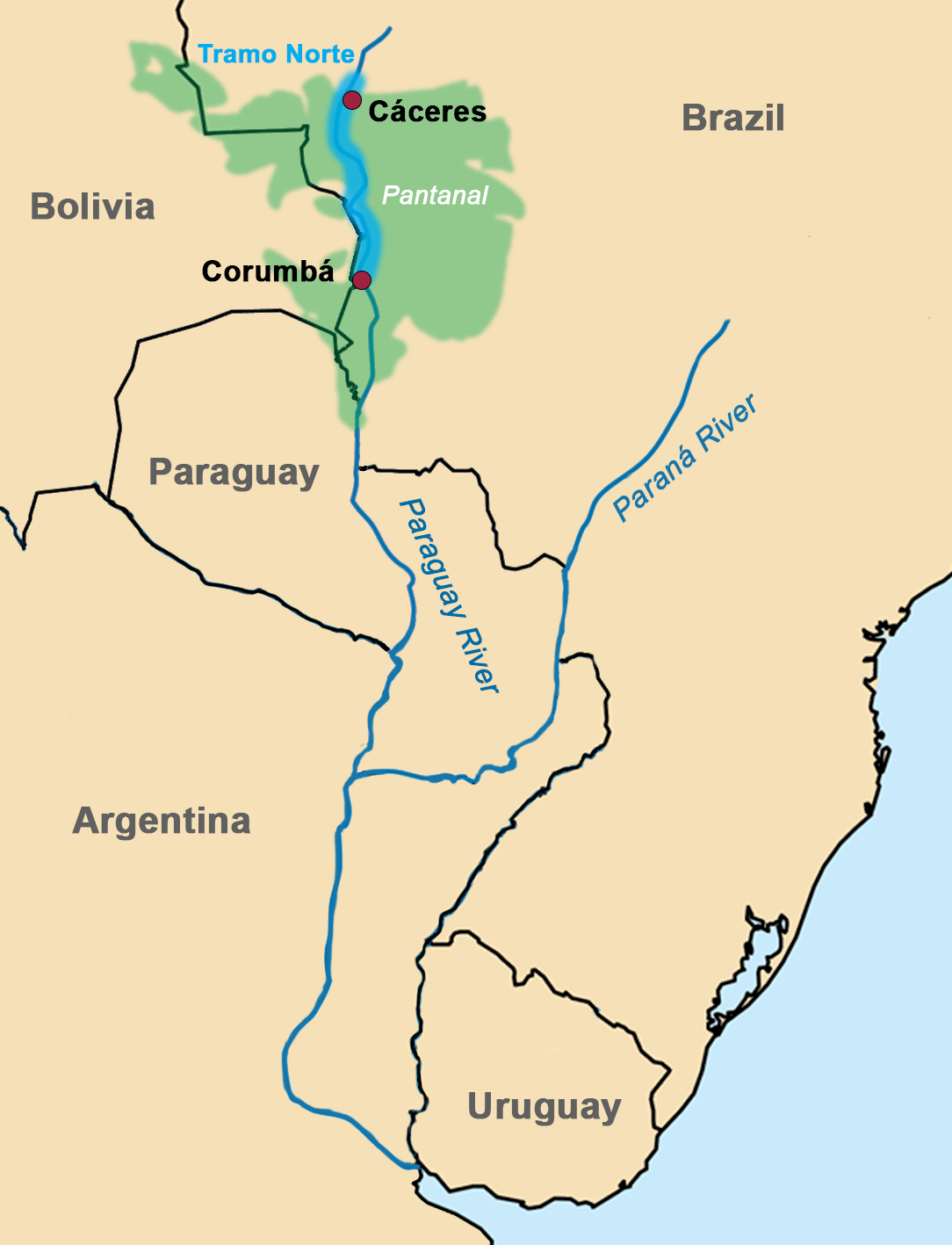
A Waterway Project in Brazil Imperils a Vast Tropical Wetland

The Pantanal, the world’s largest tropical wetland, has been battered in recent years by agricultural development, drought, and fire. Now, a push to turn the region’s key river into a waterway for soybean-laden barges threatens to alter the natural flows of this iconic ecosystem.

It takes 14 hours for Lourenço Pereira Leite to reach his fishing spot.

He and his brother-in-law chug along in a simple one-engine motorboat, towing their traditional fishing canoe behind them. Continue reading


Library!

The Long Room is at the heart of a $95 million conservation project at Trinity College Dublin’s Old Library. Paulo Nunes dos Santos for The New York Times

The exclamation point in this post’s title signifies enthusiastic appreciation for a pleasant surprise. A story about libraries to take the mind off all that other news, and point it to lasting treasures. Our thanks to Ed O’Loughlin for the story, Paulo Nunes dos Santos for the photos, and The New York Times for the publication:

An Irish National Treasure Gets Set for a Long-Needed Restoration

The majestic Old Library at Trinity College Dublin, where some of Ireland’s most ancient and valuable books are stored, is a popular tourist attraction.

A librarian walking along the corridors in the upper gallery. Paulo Nunes dos Santos for The New York Times

DUBLIN — The Long Room, with its imposing oak ceiling and two levels of bookshelves laden with some of Ireland’s most ancient and valuable volumes, is the oldest part of the library in Trinity College Dublin, in constant use since 1732.

But that remarkable record is about to be disrupted, as engineers, architects and conservation experts embark on a 90 million euro, or $95 million, program to restore and upgrade the college’s Old Library building, of which the Long Room is the main part. Continue reading
Three Cheers For Lawrence MacEwen

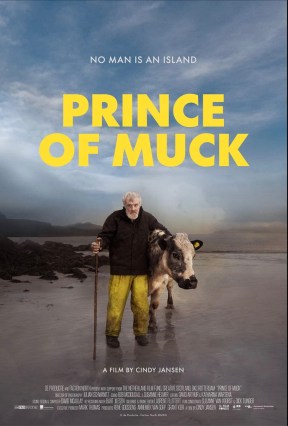
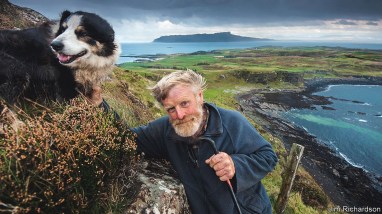
We missed this documentary film last year, perhaps because it was not reviewed in any of the news outlets we regularly monitor. But if you click the image to the right you can preview the film for a couple minutes. You will see it is about a man who spent his life protecting what he cared about. Since that is the underlying theme of the nearly 12,000 posts we have shared on this platform since 2011, it is cued up for viewing in our home this evening.  The film came to my attention in The Economist, and the accompanying photograph is unique in the history of obituaries in that publication or elsewhere:

The barefoot laird.

Lawrence MacEwen made a tiny island prosper

As soon as spring arrived, the young Lawrence MacEwen shed his shoes. Barefoot, he ran to school down the only road on Muck, a mile and a half of gravel mixed with grass. Barefoot, he jumped among the fallen basalt stones of the dykes built long ago by kelpers, who had made a living gathering seaweed from the rocks. Barefoot he climbed the craggy western cliffs, hanging on to heather for dear life, and scampered to the top of Beinn Airein, the highest hill, to look out past Eigg and Rum to Knoydart and the Cuillin Hills. Barefoot he would stand for hours on the beach below his house, so mesmerised by the rolling tide that he could not stir until his mother called him in for tea. His feet would sink a little into the white sand, embedding him in the place. Continue reading
Technology Put To Good Use

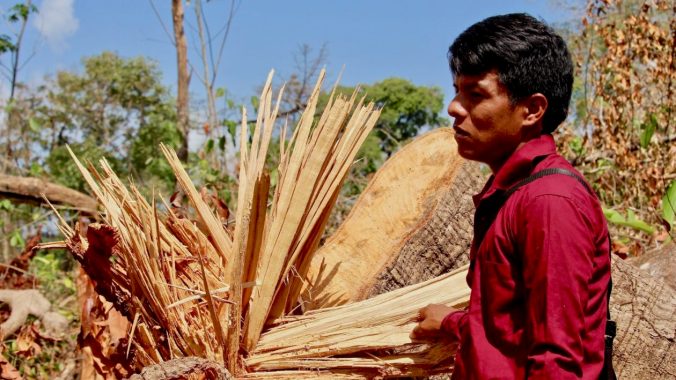
A Wounaan forest technician inspects an illegal clearcut in Indigenous territory. CULLEN HEATER

Jim O’Donnell and Cullen Heater tell an essentially hopeful story from our neighbor to the south:

Panama’s Indigenous Groups Wage High-Tech Fight for Their Lands

With help from U.S. organizations, Panama’s Indigenous people are using satellite images and other technologies to identify illegal logging and incursions by ranchers on their territory. But spotting the violations is the easy part — getting the government to act is far harder.

On a blazing February morning, the Indigenous Wounaan territorial monitoring coordinator, two forest technicians, and a local farmer climbed into the mountains outside the fishing and farming community of Majé, near Panama’s Pacific coast. Continue reading

A Bit About The Origins Of Clean The World

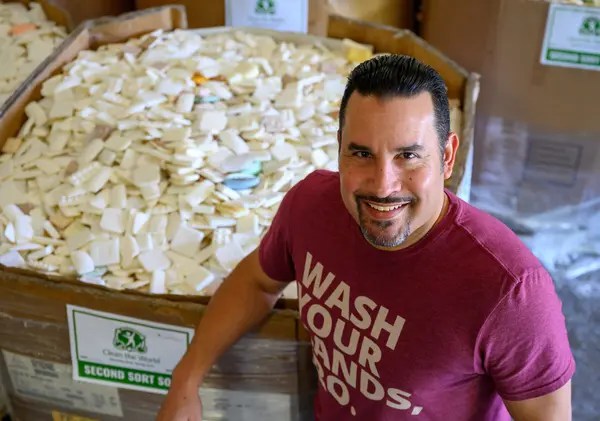
Shawn Siepler, the founder of Clean the World, with used hotel soap before it will be recycled for those in need. Todd Anderson for The New York Times

Reusing things versus wasting them has been a major theme in these pages, especially in relation to travel and hospitality. Looking back at posts about washing hands for a cleaner world and then another about soap making for the same, it is not surprising we had already featured Clean The World in a couple earlier posts. Thanks to Victoria M. Walker for this conversation with the founder:

Getting the World Clean, One Recycled Bar of Soap at a Time

Meet Shawn Siepler, the founder of Clean the World. The nonprofit recycles partially used soap left behind from hotel guests for those in need.

When hotel or motel guests check into their rooms, they expect at the very least to be greeted with a clean space, a made-up bed and in the bathroom, soap.

But what happens when you leave that soap behind? Continue reading
Guided Forest-Bathing In The Loire Valley

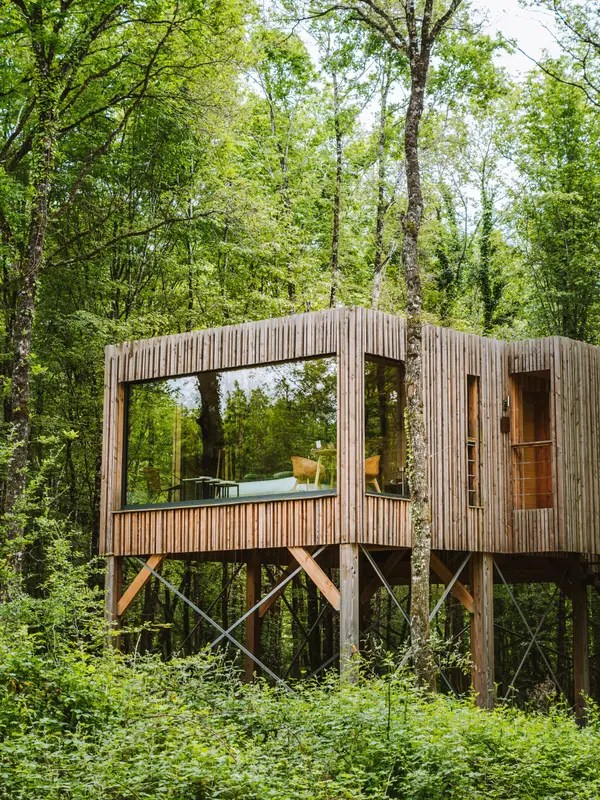
The tree houses at Loire Valley Lodges are spread out throughout the forest and each is decorated by a different artist. Joann Pai for The New York Times

After several days of heavier fare, today’s recommended reading leans to the escapist:

Beyond the Châteaux: New Escapes in France’s Loire Valley

Rethinking what the region’s travel should be has meant expanding the focus from fairy tale castle crawls to experiences anchored more firmly in nature, food and the arts.

The Loire Valley is a UNESCO Heritage-protected region, and drew in 9 million yearly visitors to its cultural sites before the pandemic. Joann Pai for The New York Times

On my last prepandemic trip to the Loire Valley, in 2018, I found myself in a familiar place.

Ten years after my first road trip on the region’s castle route, I was back at the 500-year-old Château de Chambord, joining a small group of European and American tourists on a guided tour. Within seconds of convening in the inner courtyard, we were craning our necks to marvel at the structure’s ornamental bell towers as our guide rattled off facts and dates about King Francis I and his former hunting lodge. When she ushered us up to the towers, chiding us for not listening, a feeling of deja-vu washed over me. Continue reading

Cold Brew Coffee, 2022

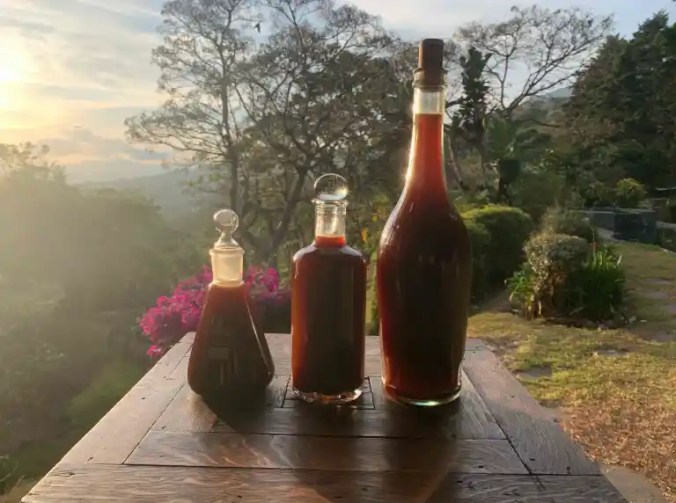
Cold brew coffee experimentation, April 2020

Two years ago, when the pandemic had shut down the airports in Costa Rica and we had no clue how long that would last, we wondered how the artisans and the farmers who supplied our recently opened Authentica shops would fare. We had to ask ourselves what we were going to do with the roughly 7,000 pounds of coffee beans we had contracted to buy from that year’s harvest. The most obvious move was to start roasting in the USA, so we could deliver to customers who had bought from us in Costa Rica and wanted to continue buying.

Cold brew coffee was a brief experiment at the time, but with sufficiently robust results to convince us that when travelers returned we would offer samples. The time has come.

Wendell Berry Here & Now

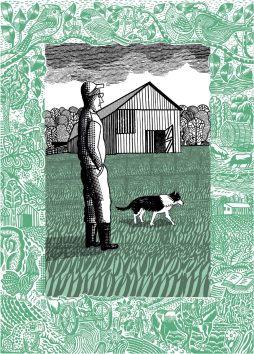
Berry has found a kind of salvation—and a lifelong subject—in his stewardship of the land he farms in Kentucky. Illustration by John Broadley

When we previously mentioned him it was without as much background as he deserved. So now, a corrective titled Wendell Berry’s Advice for a Cataclysmic Age, by Dorothy Wickenden. It  comes with a set of photographs that motivate you to read on:

Sixty years after renouncing modernity, the writer is still contemplating a better way forward.

Hidden in the woods on a slope above the Kentucky River, just south of the Ohio border, is a twelve-by-sixteen-foot cabin with a long front porch. If not for the concrete pilings that raise the building high off the ground, it would seem almost a living part of the forest. Readers around the world know the “long-legged house” as the place where Wendell Berry, as a twenty-nine-year-old married man with two young children, found his voice. As he explained in his essay by that name, he built the cabin in the summer of 1963—a place where he could write, read, and contemplate the legacies of his forebears, and what inheritance he might leave behind.

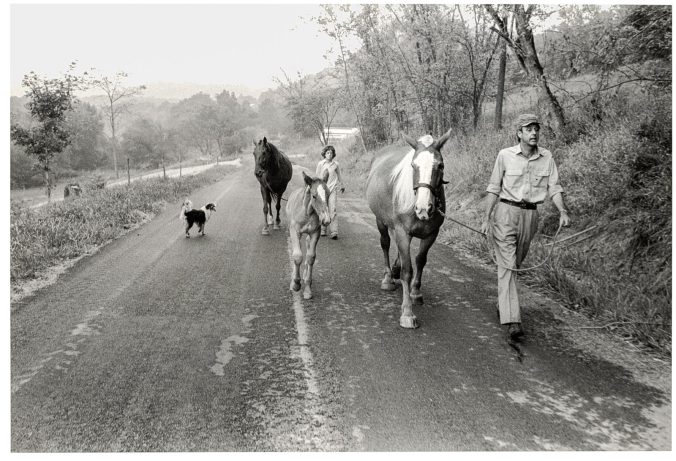
When Berry moved to the country with his wife, Tanya, he gave her a privy that “never aspired so high as to have a door.” Photograph by James Baker Hall

The cabin began as a log house built by Berry’s great-great-great-grandfather Ben Perry, one of the area’s first settlers, and it lived on as a multigenerational salvage operation. Continue reading
The Standing Rock Sioux Tribe Asks For Your Help

If you have been following the pipeline news stories and you care, but not yet found a way to get involved, the Standing Rock Sioux tribe offers you a simple first step to help them end the DAPL. Click on the DAPL EIS Countdown Alert signup image below to show support, by asking to be alerted when public comments open:

The Next Step to End DAPL

The fight to stop the Dakota Access pipeline isn’t over, and you can help right now! This month, the U.S. Army Corps of Engineers will take public comment on DAPL’s fatally flawed Environmental Impact Statement (EIS). Sign up to be first in line to tell the Corps to conduct a proper environmental review — without interference from the fossil fuel industry. We’ll let you know how to make your voice heard as soon as the comment period opens! Thank you for standing with Standing Rock.

Volunteering For Town-Saving

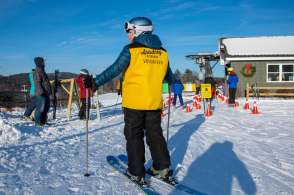
The Ascutney ski resort once boasted 1,800 vertical feet of skiing on over 50 trails. When it closed for the last time in 2010, it was a crushing blow to the town of West Windsor. Caleb Kenna for The New York Times

Volunteers inspire more volunteerism, so here is another story about a community volunteering to save its own future, thanks to David Goodman and the New York Times for A Town That Saved a Mountain, and a Mountain That Saved a Town:

At the heart of the mountain’s revival is Ascutney Outdoors, a nonprofit with over 100 volunteers that now runs recreation on the mountain. Caleb Kenna for The New York Times

After the Ascutney ski resort in Vermont closed because of erratic snowfall and mismanagement, it threatened to take with it the nearby town of West Windsor. The community took the situation into its own hands.

Jim Lyall briskly skied up Mount Ascutney, eagerly pointing out the view. We were skinning up a ski area in southern Vermont, but the chairlifts are long gone. At the top of the mountain we arrived at an abandoned ski patrol cabin and lift station. A cold breeze whipped through the deserted structures. It had a ghostly, post-apocalyptic feel. Continue reading
Hargila


“Hargila” Film Documents India’s Grassroots Effort to Save the Endangered Greater Adjutant Stork

A new film by the Cornell Lab of Ornithology’s Center for Conservation Media tells the story of a wildlife photographer who travels to India intent on documenting the rarest stork on earth, but soon discovers a conservation hero and her inspiring efforts to rally a community to save it. Hargila documents the Greater Adjutant, a huge scavenging stork that was once widely distributed across India and Southeast Asia but is now mostly confined to a last stronghold in Assam, with small populations persisting in Cambodia’s northern plains region. Greater Adjutants are called “hargila” in the Assamese language, which literally translates as “bone swallower.” Continue reading
Civic Responsibility, Palm Oil & Change

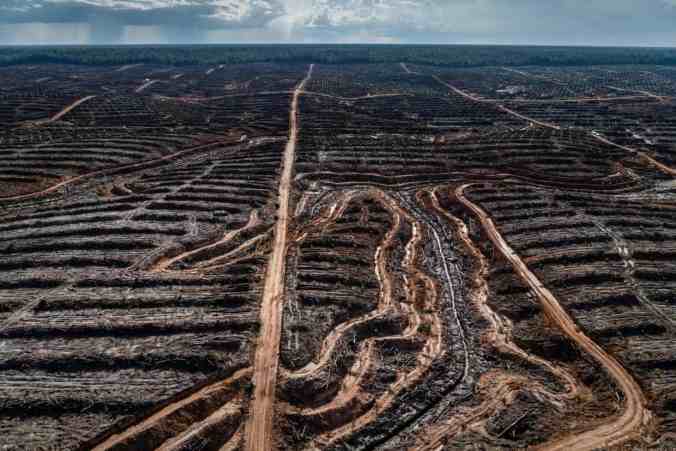
Forest clearance in Indonesia. Palm oil production in the country, which is one of the world’s largest producers, has been linked to deforestation. Photograph: Ulet Ifansasti/Greenpeace

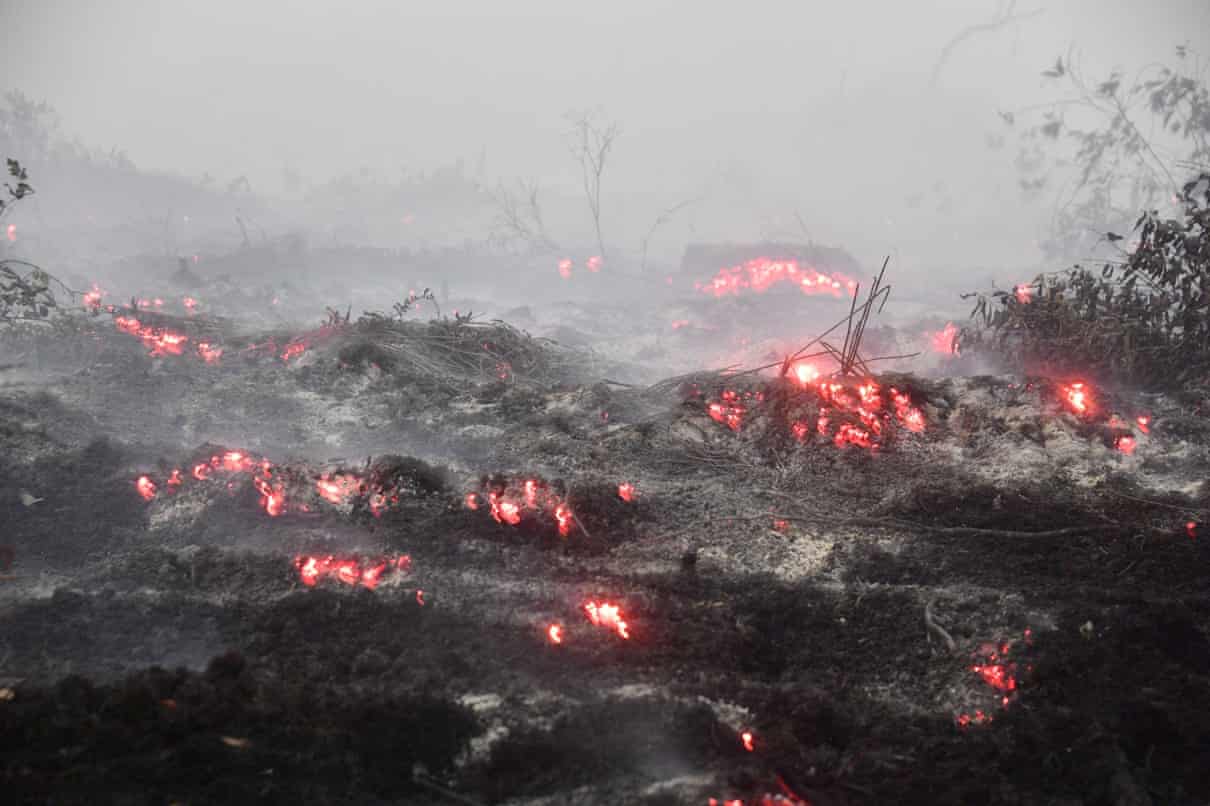
Smouldering peatland following a suspected land clearance fire in Kampar, Sumatra, in 2019. Photograph: Adek Berry/AFP/Getty Images

Palm oil has a dirty history. It causes havoc, to put it politely. May we all do our part to elect civic leaders with a keen sense of responsibility for devastation in other parts of the world, and get them to take action to reduce it. We thank Patrick Greenfield for his reporting in this article titled The UK city taking a stand on palm oil in the fight against deforestation:

A growing number of towns and villages are following Chester’s lead in helping local businesses to eradicate deforestation-linked oil from their supply chains

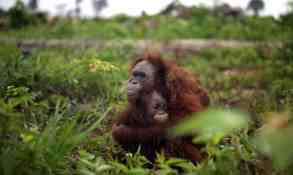
Orangutans, tigers, Sumatran rhinos and many other threatened species are affected by habitat loss and human-wildlife conflict that stems from palm oil plantations. Photograph: Vier Pfoten/Four Paws/Rhoi/REX/Shutterstock

From mince pies and biscuits to lipstick and soap, palm oil grown on deforested land in south-east Asia will have been hard to avoid this Christmas. The vegetable oil is found in almost half of all packaged products in UK supermarkets, according to WWF.

But a growing number of towns and cities are trying to use only sustainable palm oil, helping orangutans, tigers, Sumatran rhinos and many other threatened species. Continue reading
Broadening Birding’s Benefits

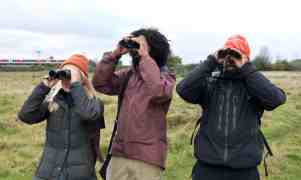
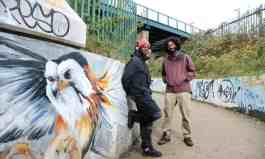
The writer, left, with Nadeem Perera and Ollie Olanipekun. Photograph: Christian Sinibaldi/The Guardian

When we managed our first lodge I came to understand that widening the audience of bird appreciation could strengthen commitment to conservation. A dozen years later, when Seth began working at the Cornell Lab of Ornithology, focused on celebrating urban birds, I knew that when he returned to work with us he would be bringing valuable knowhow.

When we started this platform for sharing news and personal stories related to our work, birds became a daily feature.

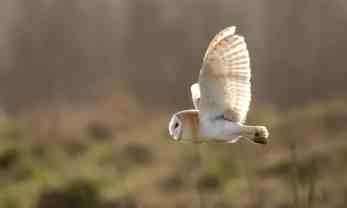
Olanipekun’s favourite bird is the ‘beautifully majestic’ barn owl. Photograph: Fletch Lewis/Getty Images

So Rebecca Liu’s story ‘It’s not just a white thing’: how Flock Together are creating a new generation of birdwatchers has various meanings for me. I can relate to the author’s novice sense of wonder as much as I can to Mr. Olanipekun’s decisive mention of the barn owl, featured frequently in our pages, as a favorite:

The nature collective was set up to encourage more people of colour to enjoy nature. Here, they take our writer on a spotting trip through the wildlands of north-east London

Through birding, Ollie Olanipekun (left) and Nadeem Perera are hoping to encourage children and young people to deepen their understanding and love for the environment. Photograph: Christian Sinibaldi/The Guardian

I have lived in cities all my life. My childhood did not involve any education in the outdoors. It would be fair to say my knowledge of birds doesn’t go much further than the varieties mentioned in Old Macdonald Had a Farm. So when I arrive at east London’s Walthamstow Wetlands on a cloudy November day to meet Ollie Olanipekun and Nadeem Perera for an afternoon of winter birdwatching, I am already apologetic for all that I do not know. Continue reading

Extraction, Adaptation & Opportunity

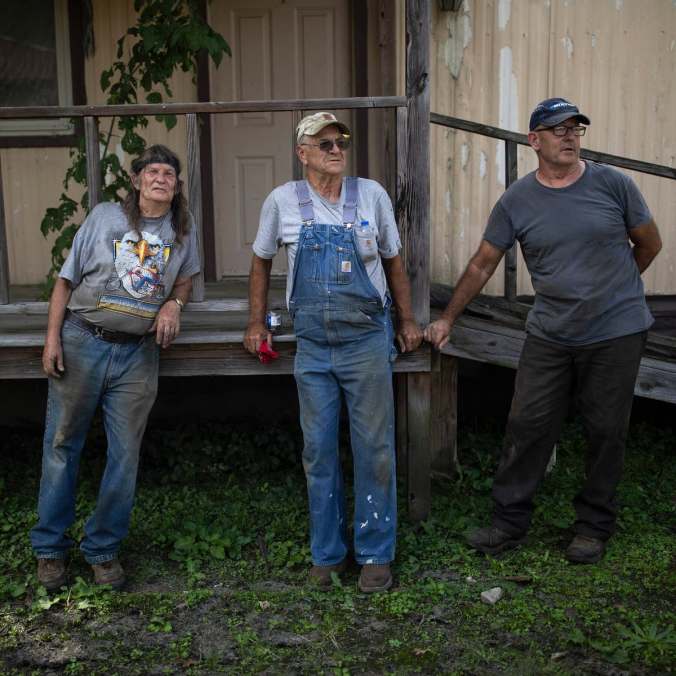
The former coal miner Gary Webb, right, with his cousins Darrell Davis and Ernie Dials, in Lovely, Ky. Mr. Webb supports the planned solar farm. “It’s good for climate change,” he said. “Anything that helps is good.” Maddie McGarvey for The New York Times

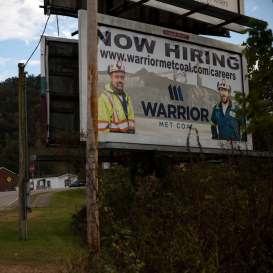
The photograph above speaks to the humanity of coal mining culture in a time when the world is trying to wind down its use of coal. It is not fair, in so many ways, that miners seem to have so few options; but a way forward will be found. The billboard in the photo below may suggest otherwise, but opportunities for those miners are not likely to include coal.  Thanks to Cara Buckley for this vivid portrait of a place historically focused on extraction, its people who are in need of a better future, and the tensions that come with making that better future happen:

Coming Soon to This Coal County: Solar, in a Big Way

In Martin County, Ky., where coal production has flatlined, entrepreneurs are promising that a new solar farm atop a shuttered mine will bring green energy jobs.

A billboard advertising mining jobs in Inez, Ky. By last count, the county had just 26 miners left. Maddie McGarvey for The New York Times

MARTIN COUNTY, Ky. — For a mountain that’s had its top blown off, the old Martiki coal mine is looking especially winsome these days. With its vast stretches of emerald grass dotted with hay bales and ringed with blue-tinged peaks, and the wild horses and cattle that roam there, it looks less like a shuttered strip mine and more like an ad for organic milk.

The mountain is poised for another transformation. Hundreds of acres are set to be blanketed with solar panels in the coming year, installed by locals, many of them former miners. Continue reading
AgEc Revolution In Puerto Rico

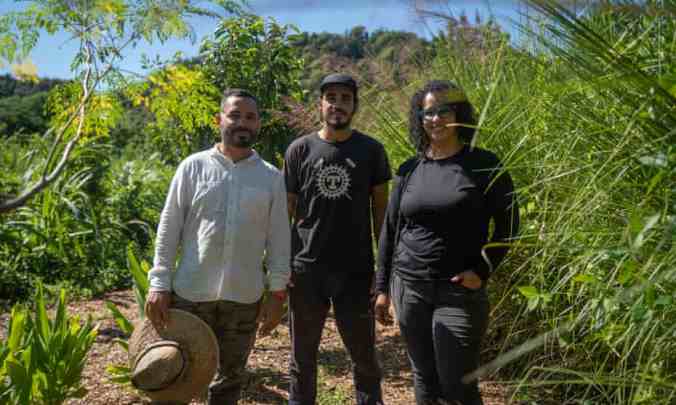
Francisco Diaz Ramos, 44, Marissa Reyes, 32, and Jan Paul, 29, run the Güakiá Colectivo Agroecólogico, an 11 acre farm in Dorado, Puerto Rico. Photograph: Angel Valentin/The Guardian

When we look at these young farmers and the work they are doing we see a greener future.

A farmer prepares the land at the El Josco Bravo argoecology farm in the Toa Alta mountains. Photograph: Nina Lakhani/The Guardian

Thanks to Nina Lakhani and The Guardian for this story:

‘An act of rebellion’: the young farmers revolutionizing Puerto Rico’s agriculture

The island imports 85% of its food but these three farms are part of the agroecology movement that seeks food sovereignty and climate solutions

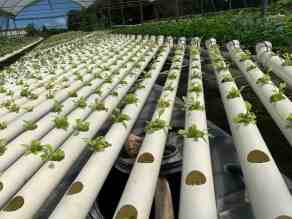
A hydroponics greenhouse at Frutos del Guacabo is used to grow a range of herbs and greens quickly and without soil. Photograph: Nina Lakhani/The Guardian

Puerto Rico was once a thriving agricultural hub thanks to its tropical climate, rich biodiversity, and sustainable farming traditions.

Today, less than 2% of the workforce is employed in agriculture and tens of thousands of acres of arable land sit idle. Meanwhile 85% of the food eaten in Puerto Rico is imported, grocery prices are among the highest in the US and last year two in five people experienced food insecurity. “Unemployment is brutal, prices are brutal, migration from the island is brutal,” said Denise Santos, who runs Puerto Rico’s food bank. Continue reading

Points For Creativity

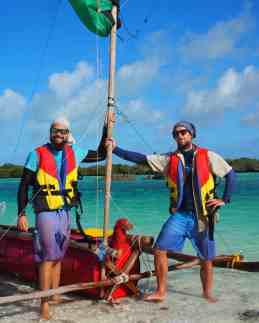
Edward Constance and Brian Souyana race on Rasta Rocket, made from plastic drain pipes and fishing buoys that washed up on Aldabra. About 68 tonnes of marine litter a year is washed ashore

Do not ask yourself whether this will change anything; just smile and acknowledge that it is probably not hurting anyone to have some creative fun with environmental disasters:

Recycled regatta: world heritage site highlights plastic pollution crisis

When environmentalists on a Seychelles atoll decided to race boats made from ocean litter, they had 500 tonnes to pick from

Photographs: Anna Koester/Seychelles Islands Foundation

Martin van Rooyen, a researcher, and Luke A’Bear, a science coordinator, prepare to set sail on Red Lion, buoyed by discarded oil drums

Red Lion is the kind of boat you would not see in most regattas. Its frame is made of bamboo, sourced from washed-up fishing equipment, and it uses two old oil drums for buoyancy.

Equally strange is Rasta Rocket – made from old plastic drain pipes, washed-up floats and fishing buoys.

These were two of the boats in the inaugural Aldabra Regatta: an ironic attempt to draw attention to marine plastic pollution by racing boats made from marine debris. Continue reading
In The UK, Trees Say I Love You

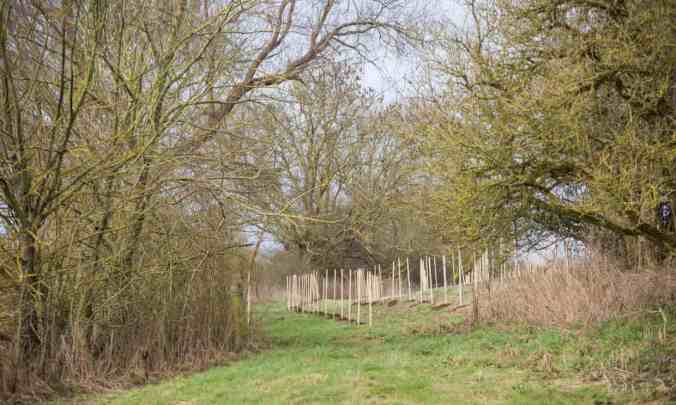
One of the National Trust’s tree-planting projects, at Kingston Lacy in Dorset. Its Plant a Tree appeal has topped £1m. Photograph: James Dobson/National Trust/PA

Planting trees is part of our business model. So, we love this news:

Forget flowers – poll shows third of people prefer to say I love you with a tree

National Trust says tree giving growing in popularity but only 7% know best season to plant

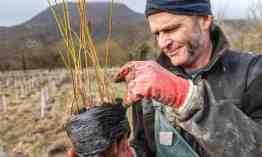
A National Trust ranger, David Smith, preparing saplings for planting at Hafod Garegog in north Wales. Photograph: Paul Harris/National Trust/PA

For centuries people have said it with flowers but research suggests a new tradition is gaining popularity in the UK – expressing love, thanks, perhaps even regret with the gift of a tree.

A third of people said they would consider saying it with a tree rather than a bouquet and more than one in 10 had already done so, according to the research commissioned by the National Trust.

However, the conservation charity also said only 7% of people in the UK knew the best time of year to plant, and it was launching a drive to improve “tree literacy”. Continue reading
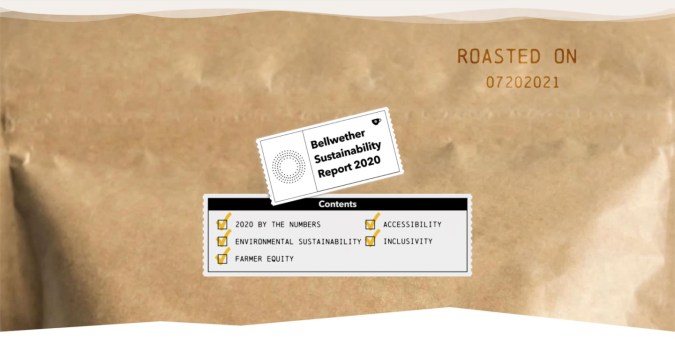
Solar Canopy + Bellwether Roaster = Interesting Option

As we consider new canopy options, a switch to electric roasting of Organikos coffee also seems clearly worthy of consideration. I just found out about this company, and its sustainability report from last year puts it high on my list of roasters to consider:

Letter from Bellwether

We would be remiss to start our Sustainability Report without acknowledging what a crazy year 2020 was. A global pandemic forced many of our customers, like other businesses across the world, to close their doors. Continue reading

Quirky, Old-School Enterprise Versus Doom

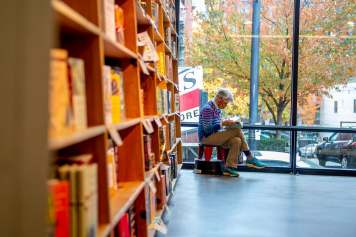
Powell’s anticipated that every part of its business would need to be closed, but then quickly realized that it could continue operating the warehouse. Amanda Lucier for The New York Times

We have used the word doom in a post title on four previous occasions, most recently this one. Doomsaying is not our goal here, but when it comes to the environment, particularly climate change, sometimes no other word will do.

A customer in Powell’s flagship store downtown. Amanda Lucier for The New York Times

On this fifth occasion I use the word just as seriously, but without reference to environmental challenges.  This book retailer has been on the front lines of one of the other big dangers I have had my eye on, and I am thankful to Peter S. Goodman for this account of their approach to survival:

Powell’s Books Survived Amazon. Can It Reinvent Itself After the Pandemic?

As much as any city, Portland, Ore., has been through hell. Its landmark store, Powell’s Books, must finally build a viable online business while recapturing its downtown success.

Powell’s anchors a once dicey neighborhood now dotted with glass-fronted condos and furniture boutiques. Amanda Lucier for The New York Times

PORTLAND, Ore. — Over its half-century in the heart of Portland, Powell’s Books has survived an unending array of foundational threats — the oft-anticipated death of reading, the rise of Amazon, the supposedly irretrievable abandonment of the American downtown.

None of that provided preparation for the tumult of the past two years. Continue reading

Admiring A Horticultural Refuge

Stella Kalinina

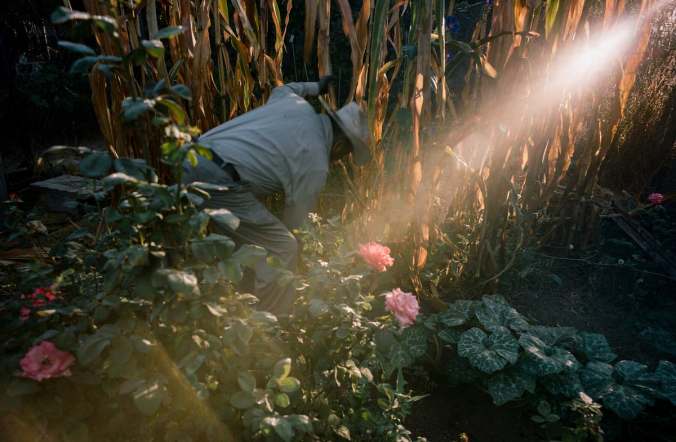
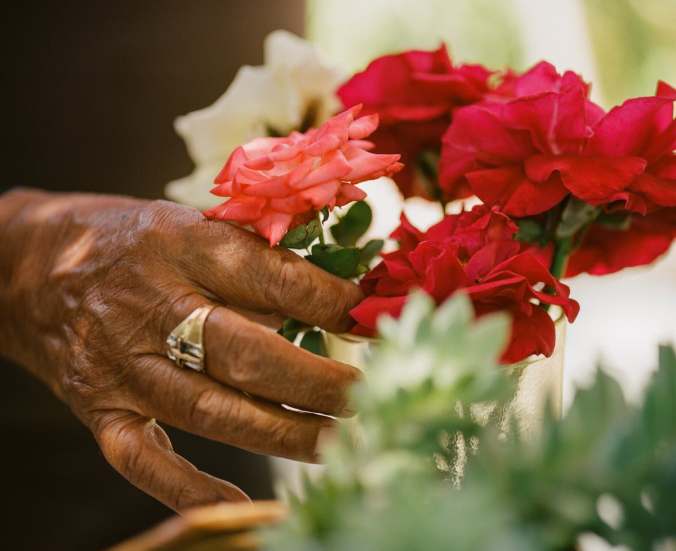
Community gardens have been a regular topic in our pages over the last decade. We never tire of the subject. I personally have a soft spot for roses, especially those found in unexpected places. So, Raúl Laly Fernández, you are my hero. I hope that the next time I am in Los Angeles I will find you in this garden and bear witness to the rose wonders I see in these photographs. Kudos to the writer/photographer Stella Kalinina for capturing this intersection between immigrant culture, working class refuge, and horticultural knowhow:

Mr. Fernández decorates a sitting area in his plot with roses that he grows.

In Los Angeles, Glimpses of an Oasis With Deep Immigrant Roots

The San Pedro Community Gardens have provided physical and spiritual nourishment for the past half a century to multiple generations of immigrant Angelenos.

Kimberly Mentlow received a plot in San Pedro after three years on a waiting list. “Being able to plant something or see something grow — it’s extremely therapeutic,” she said.

Ten minutes from my home, next to a decommissioned landfill, a freeway and the largest port in the country, sits an unlikely hillside oasis of vegetables and fruit trees.

Emerging like a mirage from its surroundings, the San Pedro Community Gardens occupy a six-acre parcel of city-owned land in the otherwise highly industrialized area of the blue-collar harbor community of San Pedro, in Los Angeles. Continue reading