Net Zero’s Three Major Flaws

The flaws of Net Zero campaigns have been linked to several times in our pages. So have some of the inspirational yet problematic proposals like tree-planting initiatives and direct air capture. I recommend taking five minutes to read and view this to get a clearer view on the three major flaws with the latest buzzwords:

New Climate Promises, Same Old Global Warming

In what seems like a rapid shift of gears, corporations are finally jumping into action on climate change. Continue reading

Trees & Careful Planting

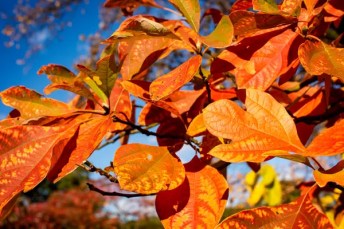
Fast-to-establish sassafras (Sassafras albidum), an Eastern native tree, has distinctively shaped leaves that fire up brilliantly in autumn. Michael Stewart/Courtesy Brooklyn Botanic Garden

One of the minor downsides to life in the tropics is decades of missed autumn leaves. But that downside is counterbalanced by so many upsides that the loss is trivial. And we have photos like the one to the right, as well as the possibility of travel (including to the botanical gardens featured in the story below), plus plenty of writing on the science of those colors, to dissipate the trivia.
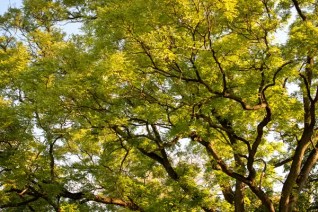
Mr. Roddick is often asked to open up a tree’s canopy to let in more light. His answer is based on the tree’s species, its health and its age. “Better to train a young tree to fit into a garden as opposed to trying to change an old tree,” he said. Michael Stewart/Courtesy Brooklyn Botanic Garden

Besides, our trees are awesome for reasons other than color. They grow fast. Some of them fix nitrogen. And most of those we have been planting have a shading responsibility specific to the coffee we are planting. So this article resonates even if some of the particulars are not relevant to our land, trees, and related growing conditions. Margaret Roach has been a constant companion reminding me of all this, through her writings mainly on gardens in the north.
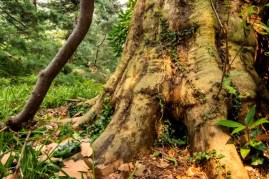
The base of an old London plane tree at Brooklyn Botanic Garden. Tree roots on most landscape trees are shallow and prone to injury, yet we often fail to consider how our gardening and home-improvement projects will affect them. Michael Stewart/Courtesy Brooklyn Botanic Garden

Trees can take a lot of punishment, but they have their limits. Here’s how to work around them safely.

If trees could talk, they’d probably start by saying, “Enough with the insults already.”

In more than 30 years of working with trees, Christopher Roddick has made it a practice to listen to their unspoken language — and to show respect for some of the largest and oldest organisms among us. Continue reading

A Trillion Trees, The Book

A Trillion Trees: How We Can Reforest Our World (Paperback)We have linked to so many of his essays and articles over the years, we are slightly jealous of a friend writing from England that she attended an event where he was discussing this book yesterday. Published last year, the concept is familiar, but if Fred Pearce offers a book treatment of a complex topic, read it:

**A Book of the Year in The Times and The Sunday Times ** Trees are essential, for nature and for us. Yet we are cutting and burning them at such a rate that we are fast approaching a tipping point. But there is still hope. Continue reading

Fin Whales Doing Well Down South

Some gatherings were so large that spray from the whales’ blowholes resembled a fog on the ocean surface.

Some gatherings were so large that spray from the whales’ blowholes resembled a fog on the ocean surface. Dan Beecham

Happy whale news is not easy to come by. Winston Choi-Schagrin, a reporter covering climate and the environment for the New York Times, shares some:

A Whale Feeding Frenzy in Antarctica Signals a Conservation Success

Once hunted to the brink of extinction, fin whales in the Southern Ocean have rebounded and returned to their historic feeding grounds, according to a new survey.

From a distance, it looked like thick fog across the horizon. Continue reading

The Parthenon Marbles, Back Where They Belong

The Parthenon in 1875.

The Parthenon in 1875. Interfoto/Alamy

The Elgin Room of the British Museum in an undated photograph taken during the Victorian era.

The Elgin Room of the British Museum in an undated photograph taken during the Victorian era. Keasbury-Gordon Photograph Archive, via Alamy

The original Parthenon marbles belong back in Athens, in the museum built for them. With all due respect to my British friends, my opinion is informed partly by my mother being from Greece, but mostly by an impartial logic.

That logic is expressed in the article below, which also happens to lay out an interesting sideshow:

Robots at the Marmi di Carra marble workshop in Italy carved a replica of a horse head, the original of which sits in the British Museum in London.

Robots at the Marmi di Carra marble workshop in Italy carved a replica of a horse head, the original of which sits in the British Museum in London.

Few cultural disputes inflame British passions more than the disposition of the Parthenon Marbles. Public debate about the statuary has raged since the early 1800s, when the sculptures and bas-reliefs, which date from 447 B.C. to 432 B.C., were stripped from the Parthenon and other Classical Greek temples on the Acropolis of Athens by agents of Thomas Bruce, a Scottish statesman and seventh earl of Elgin. The marbles were purchased — some say looted — by Elgin during his time as ambassador to the Ottoman Empire, the occupying power; they have resided in the British Museum since 1817. Continue reading

New World Rewilding

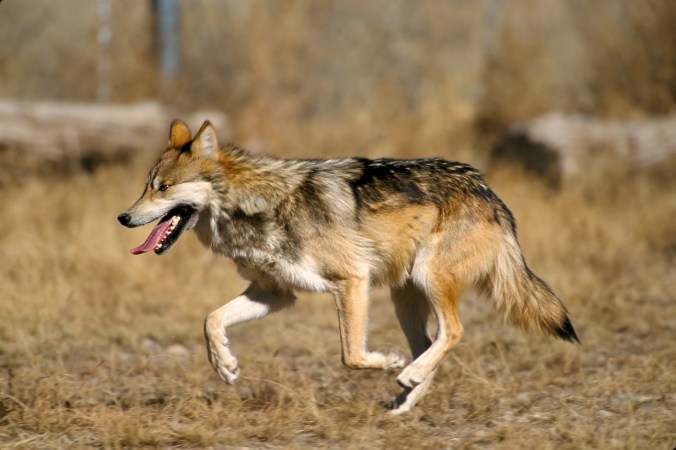
Mexican gray wolves have been reintroduced to Arizona and New Mexico over the last two decades. JIM CLARK / U.S. FISH AND WILDLIFE SERVICE

We have been posting about rewilding for nearly a decade, and it sees fair to say that the idea has developed traction worldwide:

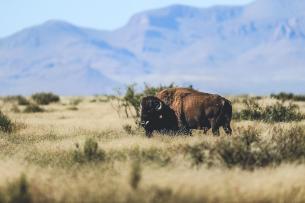
T0GFFN Bison or Bufalo within prairie and pasture in protected natural area. Rancho el Uno, a space dedicated to the conservation of this species in Janos, Chihuahua. This fishery was reintroduced by the organization The Nature Conservancy, TNC. Janos Biosphere Reserve
  (© Photo: LuisGutierrez / NortePhoto.com

Bringing Back the Beasts: Global Rewilding Plans Take Shape

With a growing number of studies demonstrating the importance of large mammals to healthy ecosystems, scientists are proposing concrete plans to reintroduce these animals to the wild. The return of just 20 species to native habitats, they say, could be a boon to biodiversity.

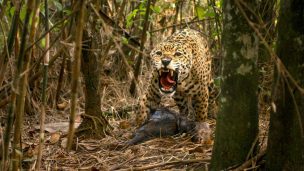
A jaguar guards its prey, a white-lipped peccary, in Goiás, Brazil. OCTAVIO CAMPOS SALLES / ALAMY STOCK PHOTO

For thousands of years, bison herds thundered freely throughout the Chihuahuan Desert on both sides of what is now the U.S.-Mexico border. In November 2009, after three frantic months of chasing down the required permits, Rurik List and Nélida Barajas watched as 23 bison from Wind Cave National Park in South Dakota arrived by tractor-trailer at the Santa Teresa international cattle crossing in southeastern New Mexico.

The animals, 20 females and three males, galloped through the dusty stockyards, across the border, and into the state of Chihuahua. Continue reading

Alt-Leather, Vegan & Otherwise

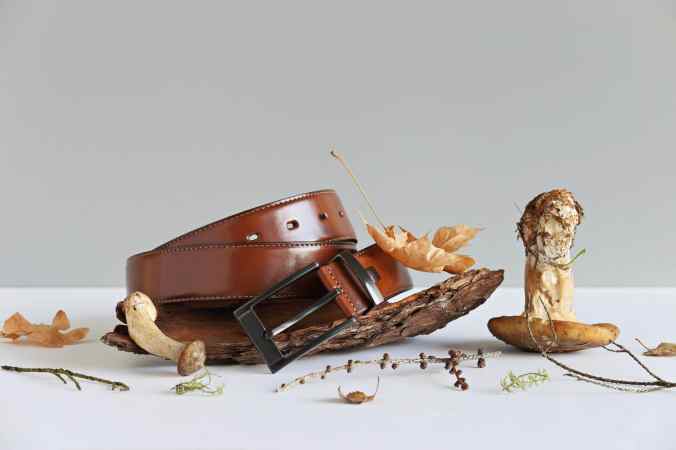
Innovative vegan leather belt made from mycelium fiber, fungal spores and plant fibers. los_angela / iStock / Getty Images Plus

Our thanks to Linnea Harris for the latest news in alt-leather, which is best when vegan, except for when it is not:

The Future of Leather: How Pineapple Leaves, Cacti, and Mycelium Are Revolutionizing the Industry

Leather is everywhere – in our shoes, our purses and luggage, our winter jackets and stylish furniture – but its effect is seen globally.

To create the leather for our clothing, homewares, and other purposes, billions of cows are slaughtered each year. Continue reading

Wetland Treasury

The U.S. once held a wealth of wetness, but the country’s treasury has shrivelled. Illustration by Carson Ellis

The word swamp does not have a pleasant ring to it. The thing itself, though, is something much more than pleasant. Essential to our future, Annie Proulx clarifies in a lovely manner, swamps should be treated with greater care:

Swamps Can Protect Against Climate Change,

If We Only Let Them
Wetlands absorb carbon dioxide and buffer the excesses of drought and flood, yet we’ve drained much of this land. Can we learn to love our swamps?

It can be hell finding one’s way across an extensive boggy moor—the partially dry, rough ground and the absence of any landmarks let the eye rove helplessly into the monotype distance. Continue reading

Southern Cone Rewilding

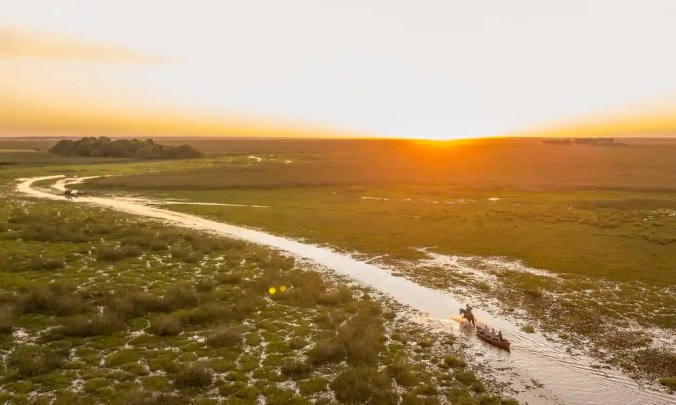
A horse and rider pull a tourist boat through the Iberá marshes

When we have linked to stories about conservation and efforts to rewild in the Southern Cone, it has been a mix of big cats and the efforts of Doug and Kris Tompkins. Our thanks to Patrick Greenfield and the Guardian for taking these themes long form:

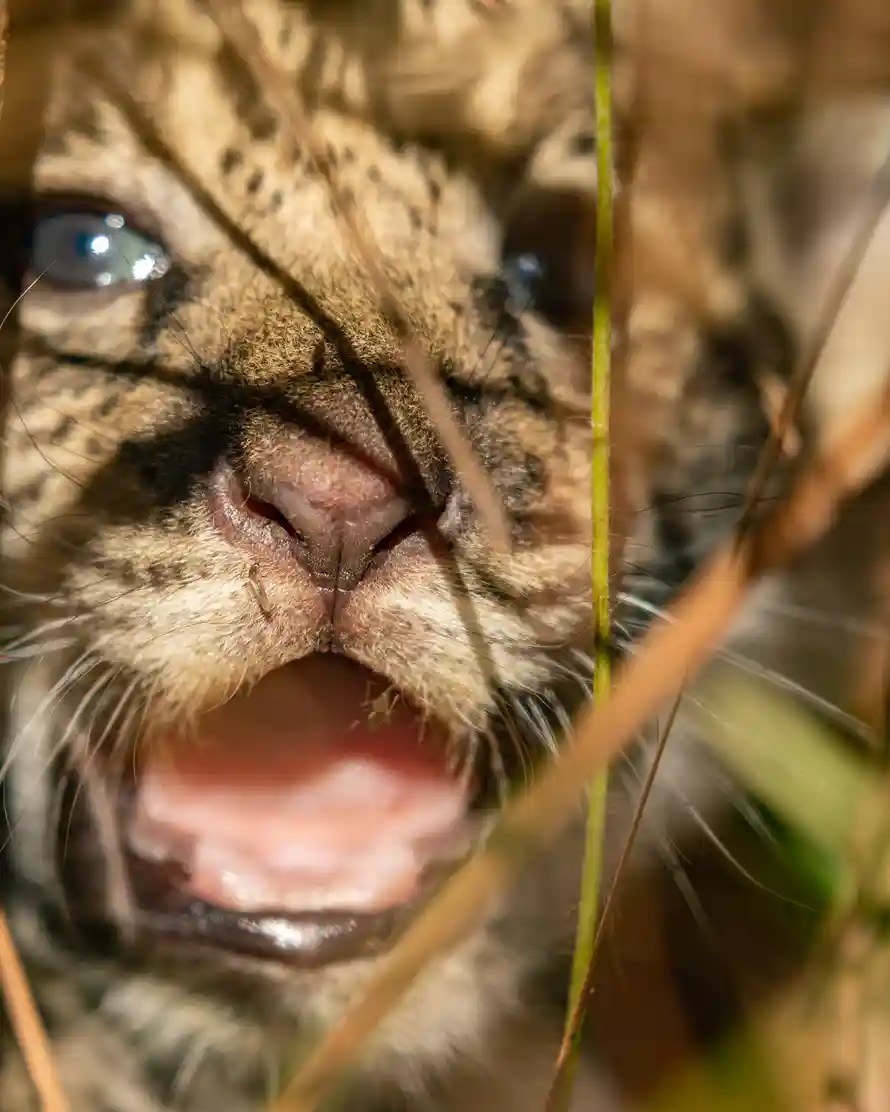
El Impenetrable national park, home to thousands of charismatic plants, flowers and animals, including jaguars.

How to rewild a country: the story of Argentina

It began with a philanthropic couple buying a swamp but has become one of the world’s boldest experiments in restoring degraded habitats, bringing wildlife and landscapes back from the brink

Chapter one

The return of the jaguar

It took about three seconds for piranhas to devour part of her left foot, biologist Deborah Abregü recalls, as we sit waiting for pizzas to cook on an open fire in Argentina’s El Impenetrable national park. Continue reading

Bears Ears Co-Management

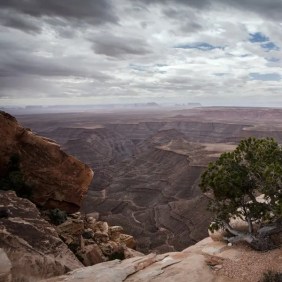
Muley Point in Bears Ears National Monument in Utah. Mark Holm for The New York Times

After plenty of contention, a move in the right direction, at last:

Five Native American tribes will work with the Bureau of Land Management to plan and conserve Bears Ears National Monument in Utah, officials said.

Bears Ears National Monument, whose red-rock landscape sprawls across more than 1.3 million acres in southeastern Utah, will be managed jointly by the federal government and Native American tribes in what administration officials said represents a “one-of-a-kind” model of cooperation. Continue reading

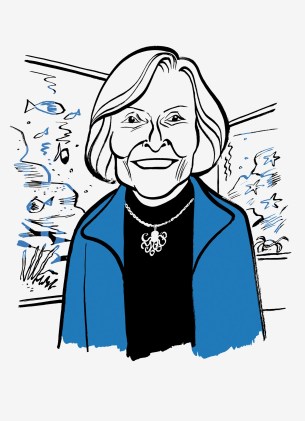
Sylvia Earle, Her Deepness

Sylvia Earle. Illustration by João Fazenda

Yesterday’s post got me looking back at our attention to marine science over the years, making me wonder whether we have given that topic its fair share. Yes, probably, but more is needed. I already knew this name because it has appeared in our pages a few times over the years. But just recently I heard her name from two different people who have had the chance to know her personally. One of them, when I mentioned the name, replied with Her Deepness replacing Sylvia Earle’s given name. Thanks to Dana Goodyear, who had me at puma, but who also knows a thing or two about water, now this:

Without Sylvia Earle, We’d Be Living on Google Dirt

The marine biologist and aquanaut evokes a Bond girl with a Ph.D. To save a species, she says, you have to know it.

Do you like to breathe?” This is a question that the marine biologist and deep-sea explorer Sylvia Earle asks frequently. The ocean produces half of the oxygen on Earth. If it dies, humanity can’t survive, so humans better pay attention to it. Continue reading

Lionfish Leather

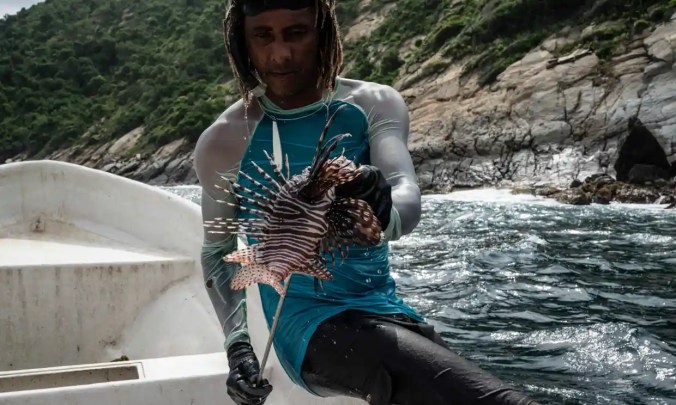
A lionfish caught off Venezuela, where the authorities organise sport fishing competitions to curb the dangerous proliferation of the invasive species. Photograph: Yuri Cortéz/AFP/Getty

Lionfish came to our attention in a series of posts starting in 2014. That year we came to see that fighting this invasive species would require innovative entrepreneurial conservation methods. We published more posts and series about initiatives in the years since then, but the problem continued to grow. For some reason the stories about initiatives started fading from our attention and then stopped with a post in 2018. Now, 22 posts since the first post and four years since the last one, lionfish are back in our thoughts thanks to Inversa’s innovation:

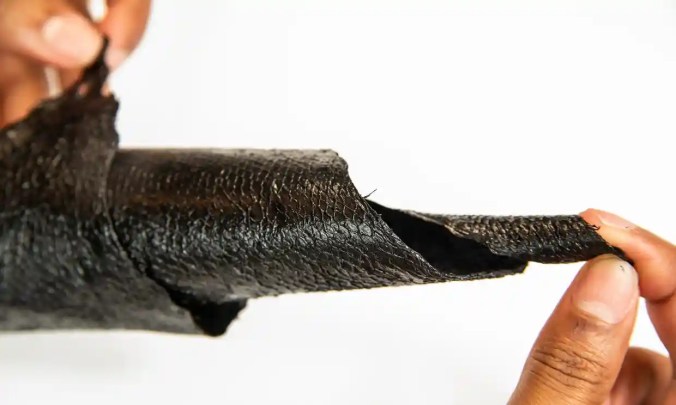
Lionfish leather. Inversa says it is helping to solve an environmental crisis by using an invasive species that eats lots of other fish but has no predators in much of its range. Photograph: Inversa

Fish leather is here, it’s sustainable – and it’s made from invasive species to boot

An avid diver saw how lionfish have devastated populations of Florida’s native tropical fish and resolved to help solve the problem

Aarav Chavda has been diving off the coast of Florida for years. Each time he became increasingly depressed by the ever-growing void, as colourful species of fish and coral reefs continued to disappear. Continue reading

Good Journalism, Excellent Environmental Coverage

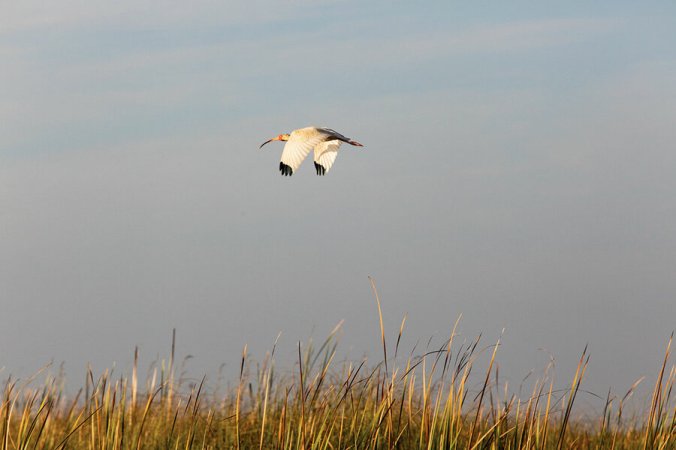
Melanie Stetson Freeman/Staff. A white ibis flies over the Everglades, where many bird species nest each year. Restoration efforts in Florida’s “river of grass” have begun to show signs of progress.

The CS Monitor was the newspaper delivered to our home when I was growing up. Lucky me. These days it still offers good journalism, but is no longer a paper. They made the switch to digital-only in 2008. In earlier years of my monitoring dozens of news sources for this platform it was the source of numerous stories of environmental interest in our pages. But in the last few years, for no particular reason, I failed to monitor their website for stories. And then today, this:

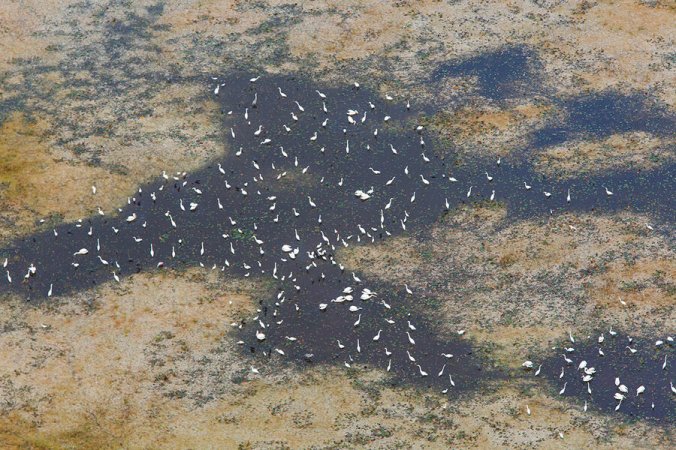
Melanie Stetson Freeman/Staff. Birds look like white flecks from the air.

‘River of Grass’: Inside the quest to restore the Everglades

Richard Mertens Special contributor

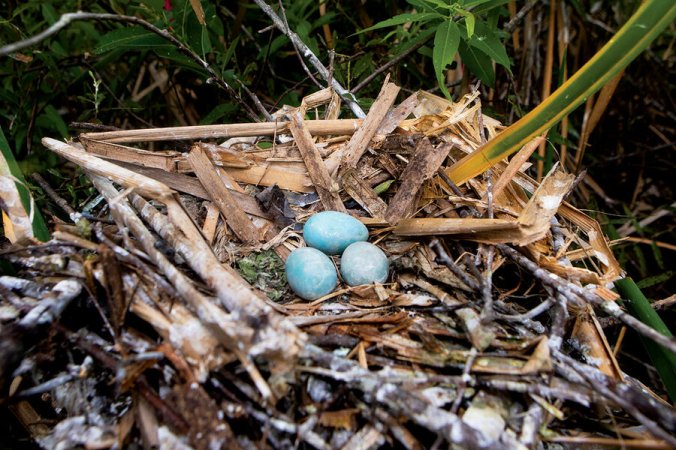
Melanie Stetson Freeman/Staff. Three eggs sit in a nest in the Everglades.

Eight hundred feet up, the helicopter banks hard to the left. The horizon disappears. Mark Cook, an avian biologist, peers out his side window at a small irregular patch of water below. It’s hardly distinguishable from innumerable other patches that lie in every direction, dark and shining amid a ragged expanse of brown marsh grass and green tree islands. Continue reading

Pantanal Priorities

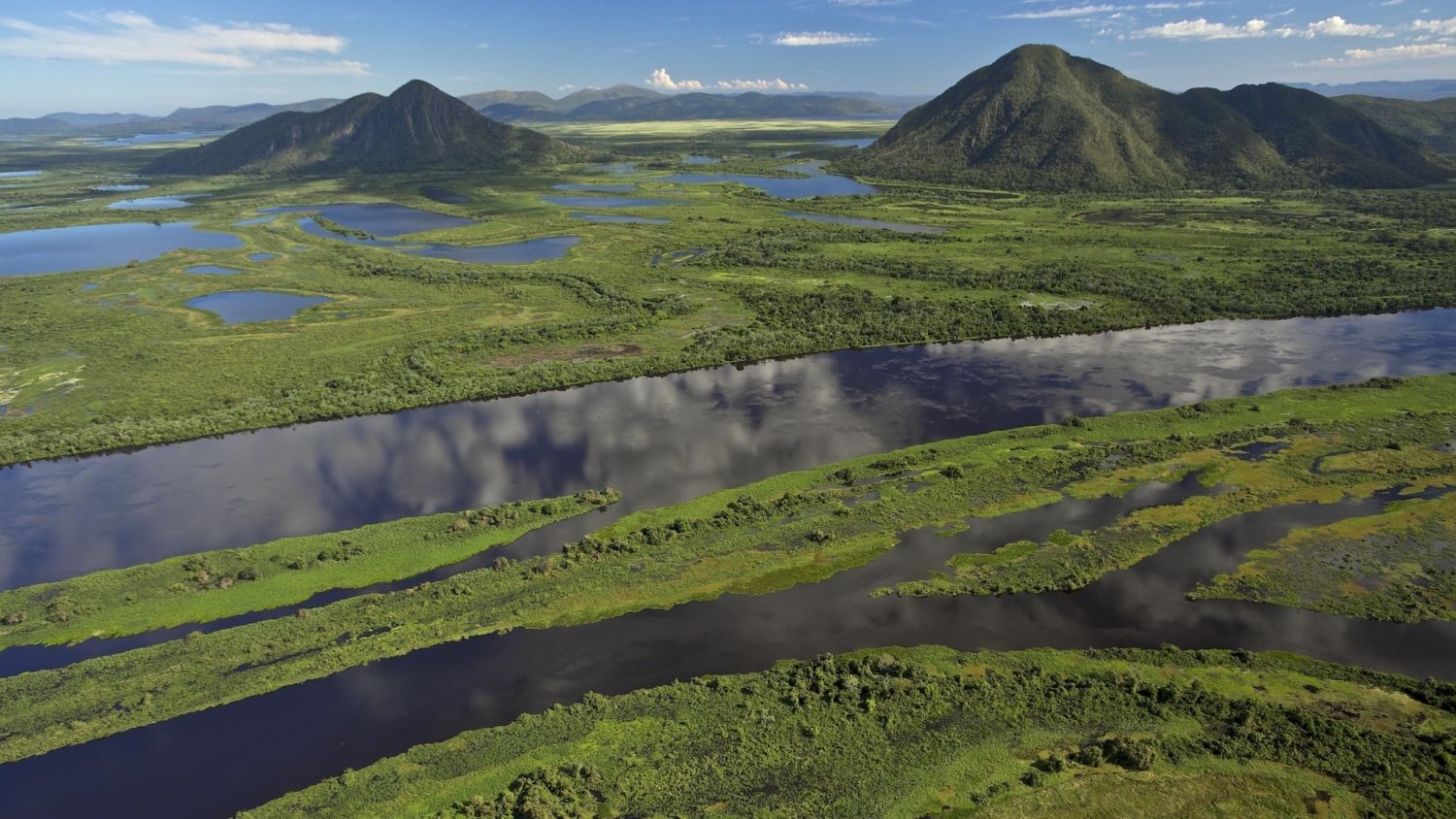
The Pantanal wetlands in Brazil.

The Pantanal wetlands in Brazil. MARKUS MAUTHE / GREENPEACE

There is not much that has happened in Brazil in the last few years that I would consider good environmental news.

YALE ENVIRONMENT 360

So one more urgency is at risk of getting lost in all the rest (which may be part of a strategy). But making it easier to extract the extracted from the center of the continent is akin to adding fuel to a very big fire:

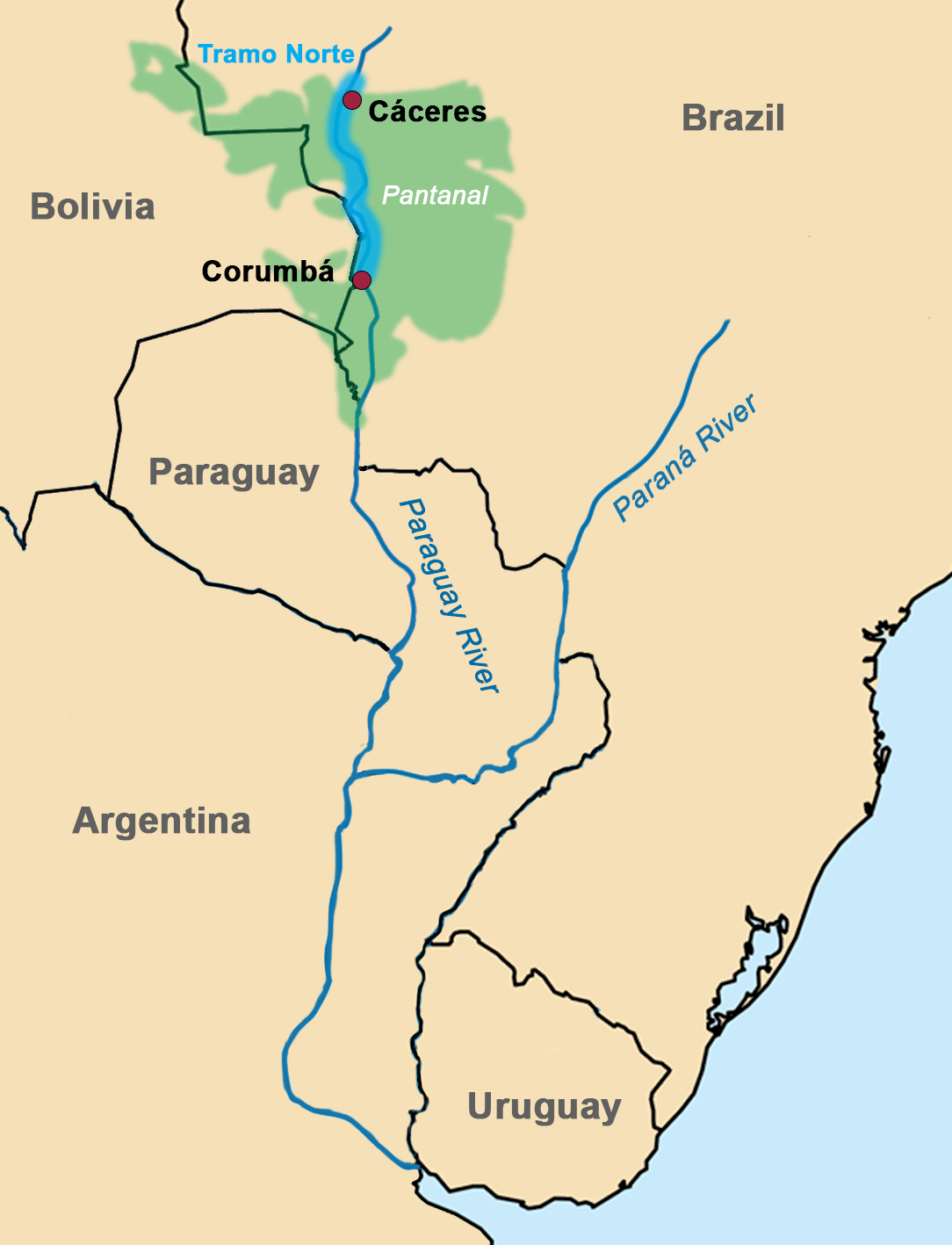
A Waterway Project in Brazil Imperils a Vast Tropical Wetland

The Pantanal, the world’s largest tropical wetland, has been battered in recent years by agricultural development, drought, and fire. Now, a push to turn the region’s key river into a waterway for soybean-laden barges threatens to alter the natural flows of this iconic ecosystem.

It takes 14 hours for Lourenço Pereira Leite to reach his fishing spot.

He and his brother-in-law chug along in a simple one-engine motorboat, towing their traditional fishing canoe behind them. Continue reading

Friday Feel-good Photos

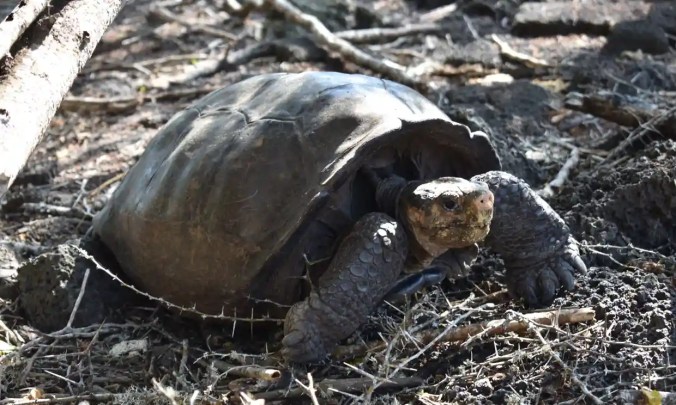
Scientists named the giant tortoise Fernanda, after the Fernandina Island, a largely unexplored active volcano in the western Galápagos archipelago that she calls home. Photograph: Lucas Bustamante/PA

Every now and then it is time for nature photos. First, above, is from a story that surprises, from a place we love:

‘Fantastic giant tortoise’ species thought extinct for 100 years found alive

Identification of Galápagos tortoise celebrated by scientists as a big deal for island’s biodiversity

And then there are photos unconnected to any news stories, scientific or otherwise, submitted for us to enjoy by people from around the world:

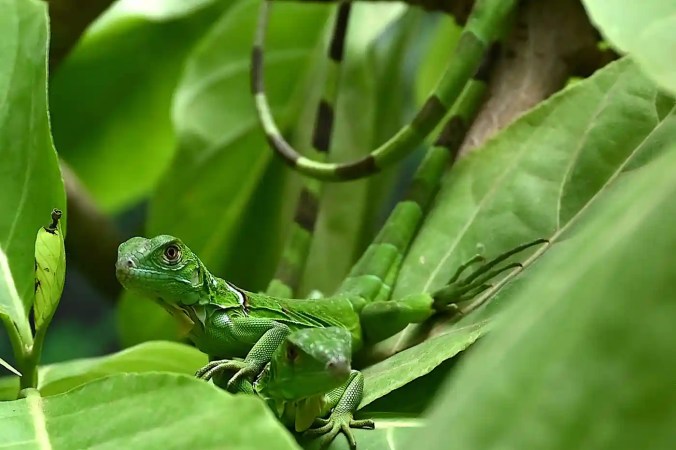
A newly hatched green iguana rests on foliage in a terrarium at the Chennai Snake Park in Chennai, India.  Photograph: Arun Sankar/AFP/Getty Images

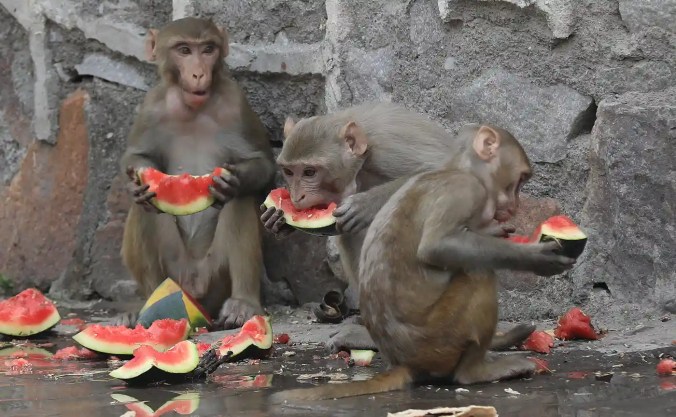
Two are from India, our home for seven years. Monkey business was a constant theme.

Monkeys eat watermelons during the heatwave in New Delhi, India. Photograph: Rajat Gupta/EPA

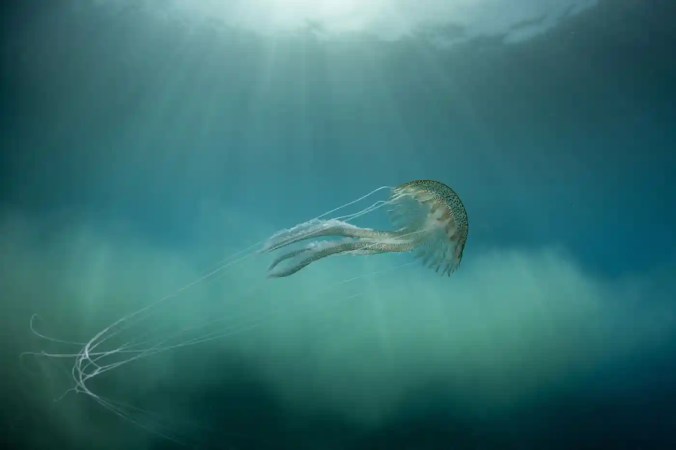
Another from a place whose name has lots of meaning for us:

A jellyfish swims off the island of Ithaca, Greece
Photograph: Cor Kuyvenhoven/Ghost Diving/Reuters

See all the other photos here.

Orchidelirium Anew

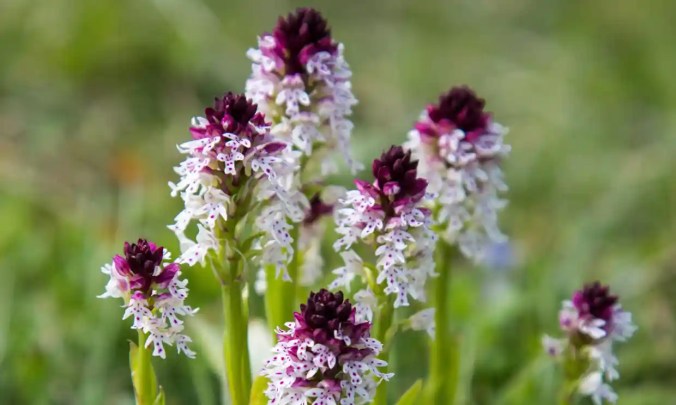
Burnt tip orchids. At least 10 vanished from a national nature reserve at Mount Caburn, East Sussex. Photograph: Katewarn Images/Alamy

Susan Orlean brought orchidelirium to our attention in 1999, shining a light on how and why these flowers inspire lots of good, and plenty of bad behavior. Orchids have been abundant in our pages over the years for various reasons, most recently due to a show; today due to criminal enterprise:

Spate of orchid thefts in England puts rare species at risk

Experts believe plants in Sussex and Kent were ‘stolen to order’

Hardy Orchid Society Replying to @HardyOrchidSoc This is what you should have seen. If you have any information that can help in the investigation please contact @kentpolice @BBCNews

A spate of thefts of rare orchids from sites in southern England has concerned scientists, who say endangered species may be at risk.

Orchid experts believe that the plants, from locations including in Sussex and Kent, may have been “stolen to order”.

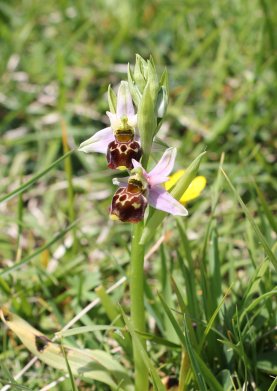
Conservationists at the Sussex Wildlife Trust were dismayed last week to hear of at least 10 burnt-tip orchids missing from a national nature reserve at Mount Caburn, while in Kent the Hardy Orchid Society reported that 30 late spider orchids had been taken from a site in Folkestone.

Neil Evans, of the Hardy Orchid Society, said: “The theft represents a major loss to the population. They are only found in this country in a few sites in Kent.” Continue reading

More Māori Ancestral Knowledge Coming Your Way

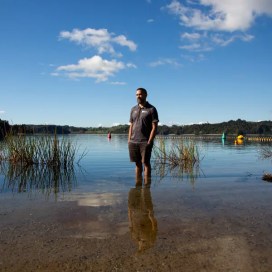
William Anaru, the biosecurity manager of the local tribe, Te Arawa, at Lake Rotomā. Cornell Tukiri for The New York Times

Pete McKenzie shares more from the place where ancient knowhow is respected:

As a weed choked a New Zealand lake, a tribe found a surprising solution in a centuries-old tool, adding to a pitched debate over how Indigenous knowledge can complement conventional science.

LAKE ROTOMA, New Zealand — A riot of native plant life once covered the shallows of Lake Rotomā, one of the many bodies of water that speckle New Zealand’s upper North Island. At night, mottled green crayfish scuttled from the deep to graze beneath the fronds in such plentiful numbers that the local Māori tribe could gather a meal in a few minutes of wading. Continue reading

Library!

The Long Room is at the heart of a $95 million conservation project at Trinity College Dublin’s Old Library. Paulo Nunes dos Santos for The New York Times

The exclamation point in this post’s title signifies enthusiastic appreciation for a pleasant surprise. A story about libraries to take the mind off all that other news, and point it to lasting treasures. Our thanks to Ed O’Loughlin for the story, Paulo Nunes dos Santos for the photos, and The New York Times for the publication:

An Irish National Treasure Gets Set for a Long-Needed Restoration

The majestic Old Library at Trinity College Dublin, where some of Ireland’s most ancient and valuable books are stored, is a popular tourist attraction.

A librarian walking along the corridors in the upper gallery. Paulo Nunes dos Santos for The New York Times

DUBLIN — The Long Room, with its imposing oak ceiling and two levels of bookshelves laden with some of Ireland’s most ancient and valuable volumes, is the oldest part of the library in Trinity College Dublin, in constant use since 1732.

But that remarkable record is about to be disrupted, as engineers, architects and conservation experts embark on a 90 million euro, or $95 million, program to restore and upgrade the college’s Old Library building, of which the Long Room is the main part. Continue reading

Three Cheers For Lawrence MacEwen

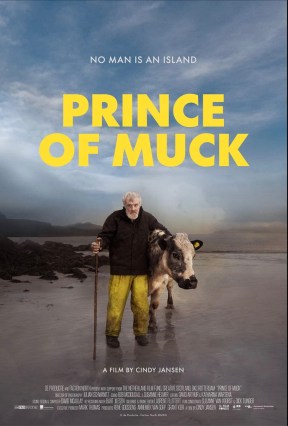
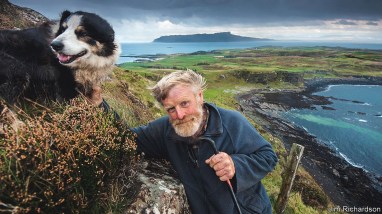
We missed this documentary film last year, perhaps because it was not reviewed in any of the news outlets we regularly monitor. But if you click the image to the right you can preview the film for a couple minutes. You will see it is about a man who spent his life protecting what he cared about. Since that is the underlying theme of the nearly 12,000 posts we have shared on this platform since 2011, it is cued up for viewing in our home this evening.  The film came to my attention in The Economist, and the accompanying photograph is unique in the history of obituaries in that publication or elsewhere:

The barefoot laird.

Lawrence MacEwen made a tiny island prosper

As soon as spring arrived, the young Lawrence MacEwen shed his shoes. Barefoot, he ran to school down the only road on Muck, a mile and a half of gravel mixed with grass. Barefoot, he jumped among the fallen basalt stones of the dykes built long ago by kelpers, who had made a living gathering seaweed from the rocks. Barefoot he climbed the craggy western cliffs, hanging on to heather for dear life, and scampered to the top of Beinn Airein, the highest hill, to look out past Eigg and Rum to Knoydart and the Cuillin Hills. Barefoot he would stand for hours on the beach below his house, so mesmerised by the rolling tide that he could not stir until his mother called him in for tea. His feet would sink a little into the white sand, embedding him in the place. Continue reading

Will More Forests Cool The Planet Fast Enough?

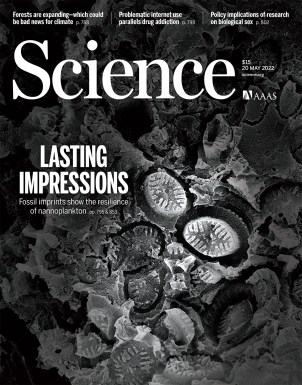
Thanks to Fred Pearce, who we normally link to at Yale e360, for The Forest Forecast, an article in the current issue of Science magazine:

Climate change could lead to a net expansion of global forests. But will a more forested world actually be cooler?

These are strange times for the Indigenous Nenets reindeer herders of northern Siberia. In their lands on the shores of the Arctic Ocean, bare tundra is thawing, bushes are sprouting, and willows that a generation ago struggled to reach knee height now grow 3 meters tall, hiding the reindeer. Surveys show the Nenets autonomous district, an area the size of Florida, now has four times as many trees as official inventories recorded in the 1980s. Continue reading